A grape is a fruit until it rolls onto a grocery-store floor. Then it becomes a test of memory, attention and corporate economics. An employee can pick it up. A shopper can slip on it. Somewhere between those outcomes sits Intertek Catalyst, a communications agency in Waterloo, Ontario, that has spent two decades turning small moments into a rather specific business.
The company is easy to misread. “Catalyst” sounds chemical, and Intertek does operate laboratories that test industrial catalysts. This Catalyst is Catalyst Awareness, Inc. It makes safety and loss-prevention messages for the people stocking shelves, lifting cartons, cleaning equipment and closing stores. Its customers include Whole Foods Market, The Home Depot, Publix, Macy’s, LCBO, C&S Wholesale Grocers and Columbia Sportswear. The firm says its work reaches two million employees in 22 languages across more than 40 countries.
A grape becomes a balance-sheet event
Catalyst once published an entire booklet around “the million-dollar grape.” The conceit is funny because it is painfully plausible. A grape is dropped. Nobody owns the problem. A fall follows, then injury, paperwork, a claim and an argument over what the store knew. Catalyst’s proposed defense is not a roaming robot. It is a worker who has been taught, reminded and socially licensed to bend down and pick up the grape.
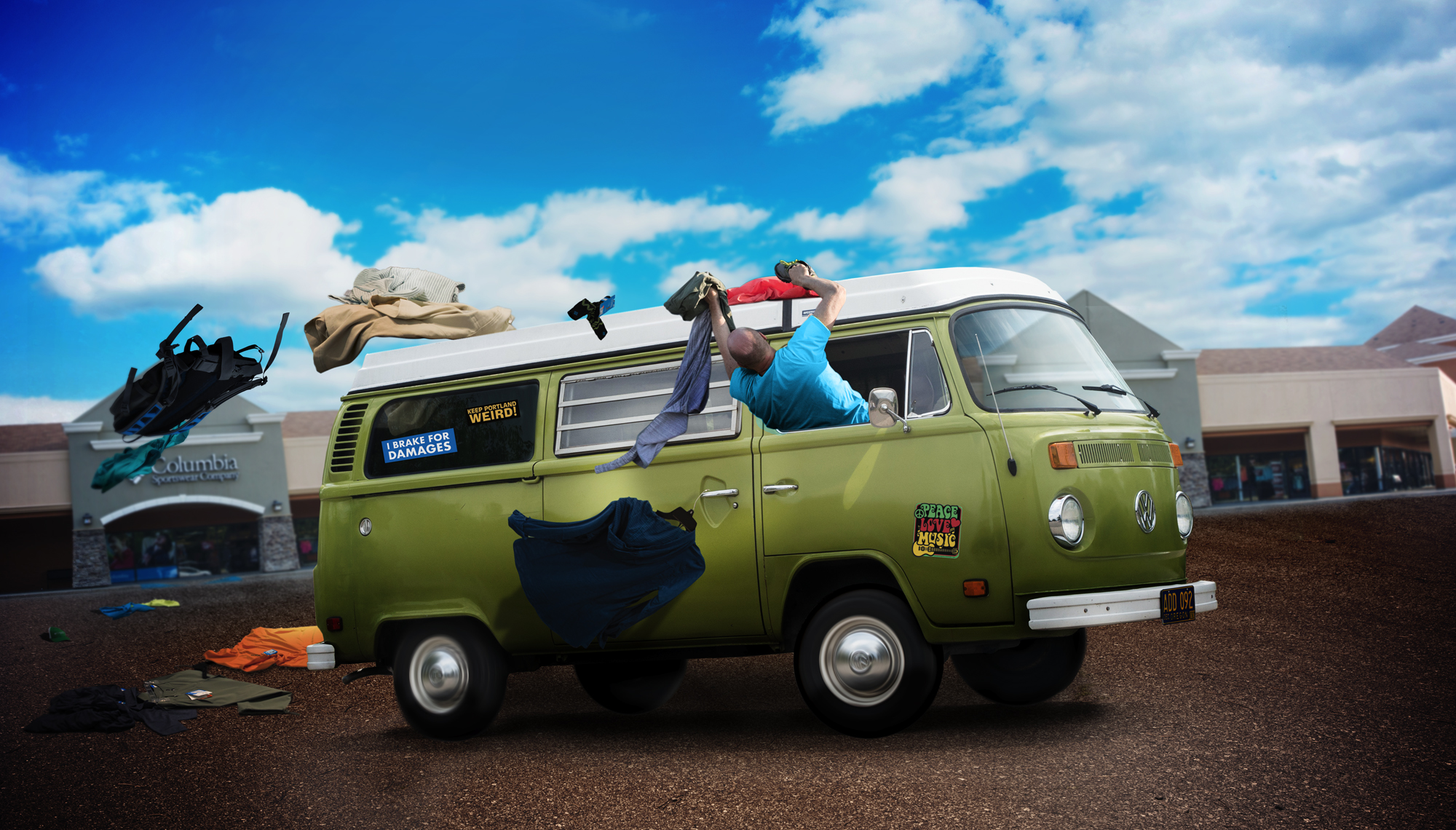
That distinction is the company’s product. Traditional training transfers information. Catalyst tries to make the information reappear when it matters. It creates an internal campaign brand, studies the workplace culture, uses real employees and familiar tools in its creative, and schedules reinforcement through monthly posters, supervisor huddles, quizzes, digital modules and coaching. The technology can include an LMS, an app, augmented reality or virtual reality. But the basic instrument is recurrence.
“Training is great, and it is so important, but by itself it becomes useless over time.”Terry McGuire, Vice President
The first failure is memory
Most safety programs assume the dangerous part is the hazard. Catalyst begins one step earlier: the first thing to fail is recall. A worker finishes a course, passes a quiz and walks back onto the floor. Then the forgetting curve gets to work. The annual training event has created a record of completion, but the record is not the same thing as a reflex.
This is what changed the premise. Instead of asking whether employees had received the message, Catalyst asks whether the message survives contact with a busy shift. The answer is a sequence. First a baseline and a culture review. Then a distinctive name and visual language. Then job-specific material with a regular cadence. Only after that do the cleverer delivery mechanisms earn their place.
The campaign with many surfaces
Whole Foods Market’s “On Point” program shows the machinery. Catalyst gave team members monthly online “Need To Knows” that reinforced a topic and quizzed the workforce. Results could feed random prize draws. Team leaders received huddle-talk tabs for face-to-face coaching. Stores received large monthly posters. A committee playbook guided facilitators through the year. Augmented reality added another way into the material.
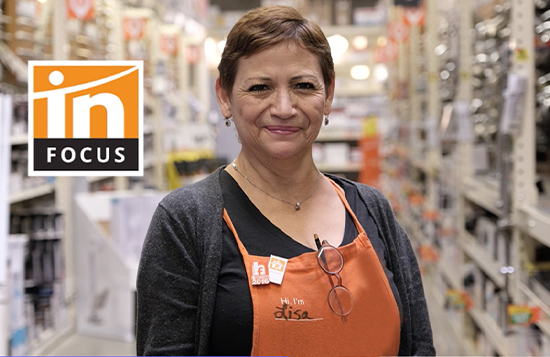
The goal was not novelty for its own sake. It was to educate, motivate and inspire - three verbs that map neatly onto knowledge, attitude and social permission. A poster catches the eye. A huddle lets a supervisor interpret the rule. A quiz checks recall. The playbook keeps local delivery from becoming improvisation. AR is the flourish, not the foundation.
The arithmetic of attention
Catalyst’s case material reports that C&S Wholesale Grocers began with an OSHA incident rate three times that of its peers. After a customized program developed with senior management, the rate fell from 16.0 to 2.6 - an 83 percent reduction - and safety improvements were valued at more than $10 million year over year. For The Home Depot, nearly 96 percent of associates reportedly participated each month across six North American business units, completing more than three million modules. Giant Food, Giant Martins and Stop & Shop reported a combined seven percent reduction in lost-time and bodily-injury rates.
These are company-reported case results, not a promise that the same poster produces the same number everywhere. Their value is more modest and more useful: they show what Catalyst measures. Participation matters, but so do incidents, lost time, claims, hygiene compliance and time away from the floor. Creative work is expected to carry a number on its back.
The useful middle
Catalyst occupies a peculiar market position. It is more specialized than an advertising agency, more creative than a conventional compliance library and more service-heavy than an LMS. Its team can write the campaign, film the worker, draw the character, build the module, configure the platform and develop the app. That combination is useful for a retailer whose safety department understands the risk but does not have an animation studio or product team waiting in the corridor.
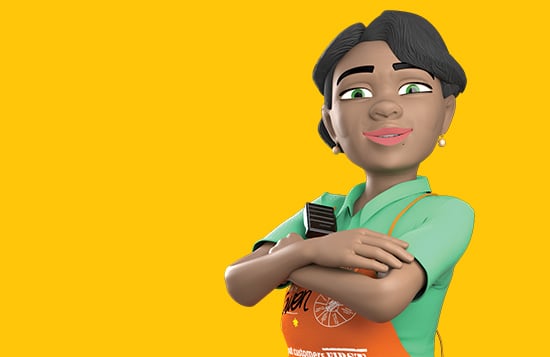
The menu ranges from print and video to custom software, LMS platforms, apps, AR and VR. “Listeria Stops Here” packages awareness tools around an invisible food-safety threat. At the opposite end, bespoke programs borrow the client’s own brand and vocabulary. The business model mixes managed creative work with enterprise learning technology. There is no clean line between agency fee and software subscription because the point is to make both behave like one system.
A small agency inside a large machine
Catalyst began in Ontario in 2002. Founder and creative director Scott Martin later joined the management team at Alchemy Systems, which absorbed Catalyst in 2013. In 2018, Intertek agreed to buy the wider Alchemy group for $480 million. That price covered a 270-person People Assurance business with more than 1,100 clients, not Catalyst alone. It nevertheless explains Catalyst’s current shape: a deliberately small creative practice plugged into a global assurance company.
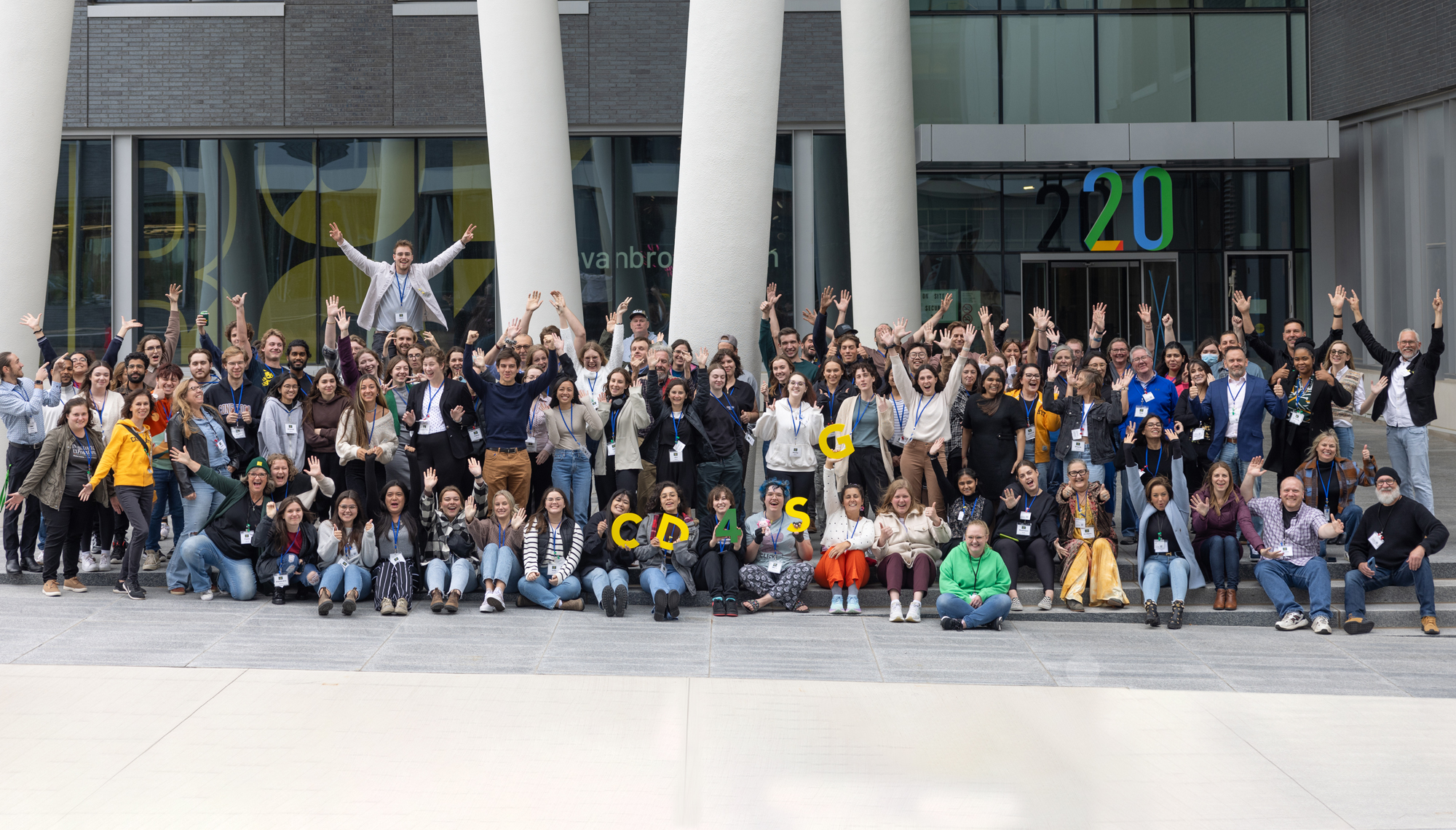
The studio still advertises its compactness. Its “Skunk Works” page calls the team small but mighty, quick to pivot and willing to experiment. Staff biographies are unusually candid about sweaters, cats, dark chocolate, bobbleheads and whether Adobe could use a lesson. Once a year, that culture leaves the office for Creative Day for Social Good, a 24-hour sprint pairing design and PR students with nonprofits. After its first five-plus years, Catalyst said roughly 70 organizations had received more than $500,000 in free marketing work.
The part worth copying
The transferable idea is almost stubbornly low-tech. Begin with the moment of risk, not the annual course. Establish a baseline. Give the program a name people recognize. Use workers, equipment and language from the actual job. Supply supervisors with scripts because expertise in supervision does not magically confer expertise in teaching. Repeat the message in several forms. Measure behavior and operating outcomes. Change the next cycle when the numbers say to.
The condition is leadership. Catalyst’s own Whole Foods case says the work depends on engaged teams and leaders dedicated to maintaining a safety culture. A clever campaign cannot compensate for a manager who ignores the spill, a schedule that leaves no time for a huddle, or a metric nobody reviews. Nor is every organization large enough to need custom software, multilingual production and a year-round studio. For a small, stable team, a plain checklist and consistent coaching may do the job.
For the distributed employer, though, consistency is the hard part. Two million people do not remember the same sentence at the same moment. Catalyst’s answer is to stop treating memory as a vault and start treating it as a garden: revisit it, water it, notice what failed to grow. The grape still falls. The business is making sure someone notices.