women-in-technology
(28)
Eva Pittas Spent 24 Years Learning the Rules. Then She Built a Company to Rewrite the Audit.
After decades inside Citigroup's control rooms, Eva Pittas made her founder's leap at 52. Her second act is an argument that experience is not baggage - it is leverage.

Rachita Sharma Bet Her Name on a Fairer Kind of Work
At thirteen, she dropped a surname to reject an inherited advantage. Years later, Rachita Sharma built a company around the same wager: judge young people by what they can become.
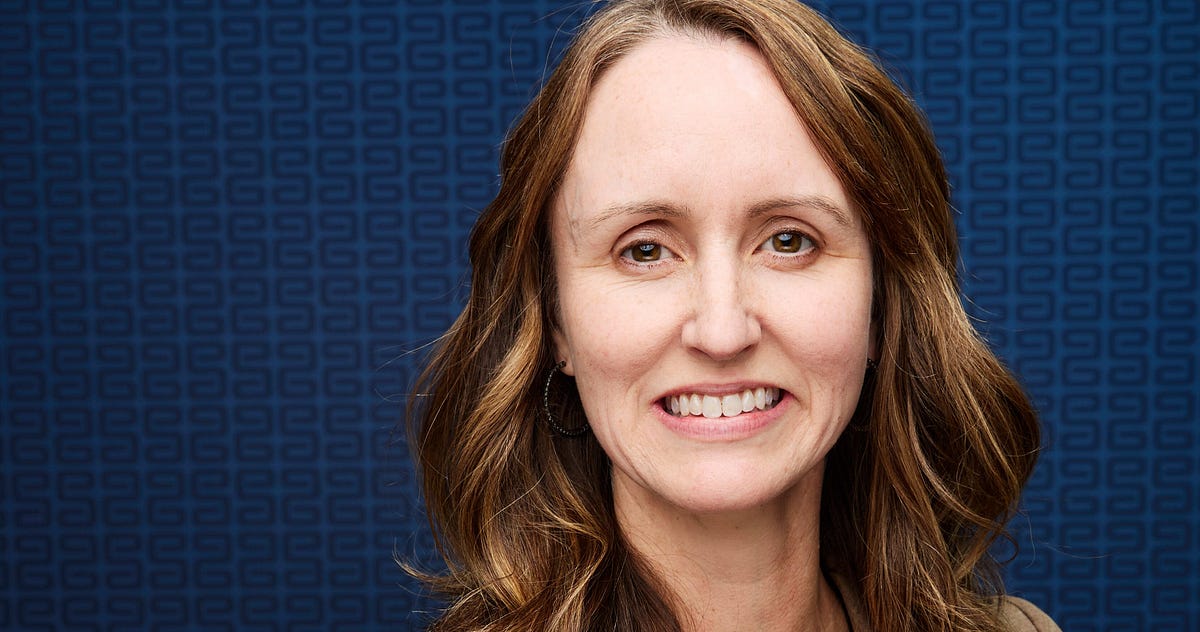
Kerrie Jordan Learned Software by Listening to the People Who Use It
An artist's daughter and an engineer's daughter learned to translate factory-floor problems into stories. Now she is carrying that habit from Epicor's product roadmap to its global brand.
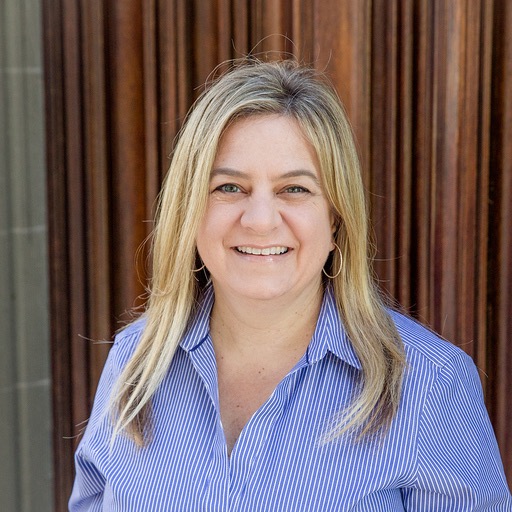
Michele Pilgrim Brings an Engineer’s Eye to Marketing the Cloud
After years marketing virtualization, analytics and data platforms, Michele Pilgrim has arrived at Pulumi with a thesis that feels unusually personal: cloud infrastructure should be treated like software, and explained with the same precision.
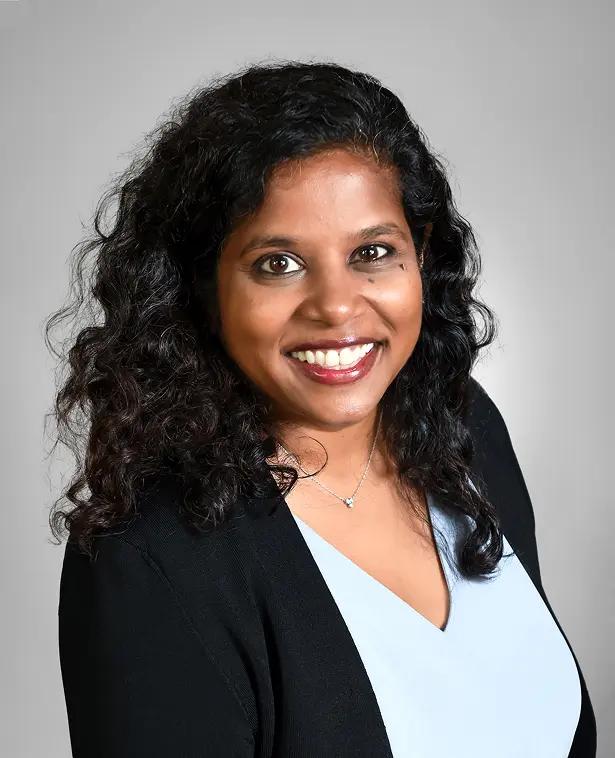
Mini Peiris Has Spent 25 Years Making Complicated Software Sound Human
From an early cloud pioneer to workforce AI, the five-time CMO has built a career by crossing functions, changing categories, and remembering the person on the other side of the purchase order.

Catherine Solazzo Put Her Marketing Team on Jira - and Made the CMO Job Bigger
After 17 years at IBM and turns through Tech Data, TD SYNNEX and Syntax, Appfire's CMO is asking marketing to work like the developers it hopes to reach - in sprints, inside Jira, with fewer handoffs and more proof.
Shoma Thomas Gave 30 Healthcare Brands One Name - and One Story
When a software company became a collection of more than 30 names, Shoma Thomas helped turn the sprawl into WellSky. Her career is a study in making complicated organizations sound - and act - coherent.

Joanne Wong Read the Fine Print - Then Rewrote the Rules
A lawyer crossed into technology, helped build a cybersecurity business across 25 Asia-Pacific markets, and carried one hard lesson about work and family into the way she leads.

Sarah Hodges Put On the Boots Before She Wrote the Message
The UKG chief marketing officer built her career by leaving the conference room - onto construction sites, into product teams, and closer to the people her companies serve.

Michelle Cobb Learned to Read Systems. Now She Is Rewriting the Story of Forests
A computer scientist who spent years explaining invisible cyber risk now works on a problem visible from space: restoring native forests. Her method is the same - understand the system, respect the people inside it, and make complexity useful.
Kelly McDermott Markets to 300 Accounts - and Listens for the 60 That Are Ready
At Caregility, Kelly McDermott turned a finite market and a long sales cycle into a lesson in patience: watch closely, bring the whole team together, and speak when the customer is ready. Her other useful instrument is a sense of humor.
Laura Heisman Is Teaching Enterprise Marketing to See Around Corners
The Dynatrace CMO began in music-industry PR, learned brand craft inside developer communities, and now argues that AI should make marketers faster without making judgment optional.

Sherry Lowe Still Looks for the Story Before She Sells the Software
She learned headlines on NFL sidelines, built marketing through an IPO and an acquisition, and now explains autonomous systems. The subject changed. Her first question did not: where is the story?
Liesl Smith Left the Newsroom and Learned to Market the Invisible
After nearly two decades at the BBC, Liesl Smith traded breaking news for the hidden machinery of payments. The same instinct still guides her: make complexity legible, keep your nerve, and leave room for sharper voices than your own.

Stephanie Broyles Makes Cybersecurity Mean Something
An engineer who learned to sell clarity, Mend.io's CMO has built a career translating cloud, cyber and AI risk into language that customers - and revenue teams - can actually use.
Carol Carpenter Would Rather Build the Elevator
From Apple product lessons to a 50-person CEO crucible and Cohesity's post-Veritas integration, Carol Carpenter has spent three decades turning complicated technology into decisions people can actually make.

Cindy Zhou Earned Every Rung. Now She’s Marketing the Seconds That Matter
After doing nearly every job in marketing, Cindy Zhou has arrived at a clean philosophy: listen to customers, share the scoreboard, and leave the place better than you found it.
Alys Reynders Has Spent 30 Years Making Software Sound Human
Six CMO posts, one English literature degree, and a career-long insistence that growth starts with a story people can actually understand. At Quickbase, Reynders is translating again - this time for an AI and low-code platform built for complicated work.
Stephanie Atkin Makes the Invisible Work Visible
The apexanalytix CMO has spent more than two decades turning complicated systems into stories people can act on. Her second job - chairing the board of an $8 billion credit union - reveals the same instinct from another angle.

Alison Durant Learned Strategy on the Water - Then Took It Into the C-Suite
A sailing instructor's unexpected internship became a career in technology marketing. Three decades later, Durant still treats leadership like navigation: read the conditions, trust the crew, and keep the plan flexible.

Nadia Khan Makes the Invisible Work Visible
An MBA project became a career in broadcast technology. At LTN, Nadia Khan has learned to market the machinery viewers never see by listening closely, translating clearly, and letting specialists do their best work.
Deepthi Bathina Is Building the Missing Layer Between AI and Action
After 28 years across code, product, and operations, the founder of RhythmX AI has arrived at a stubbornly practical thesis: intelligence matters only when it reaches the person who can act on it.

Nicole Sanders Is Building the Human Layer Enterprise AI Forgot
The Foxtrot Services co-founder learned inside Lockheed Martin and Palantir that complicated systems succeed only when people trust them. Now she is turning that lesson into a company built around the unglamorous work between an AI demo and a dependable operating tool.
Sonia Veluchamy Is Teaching AI to Respect the Fine Print
The Celegence co-founder spent a decade learning how regulated work actually moves. Now she is building a company where expert judgment and automation share the same desk.

Anna Griffin Took the ‘ing’ Out of Marketing
After building brands across Apple, Sony, Juniper Networks, CA Technologies, Smartsheet and Intercom, Anna Griffin arrived at Commvault with a sharper brief: put the market before the machinery of marketing.
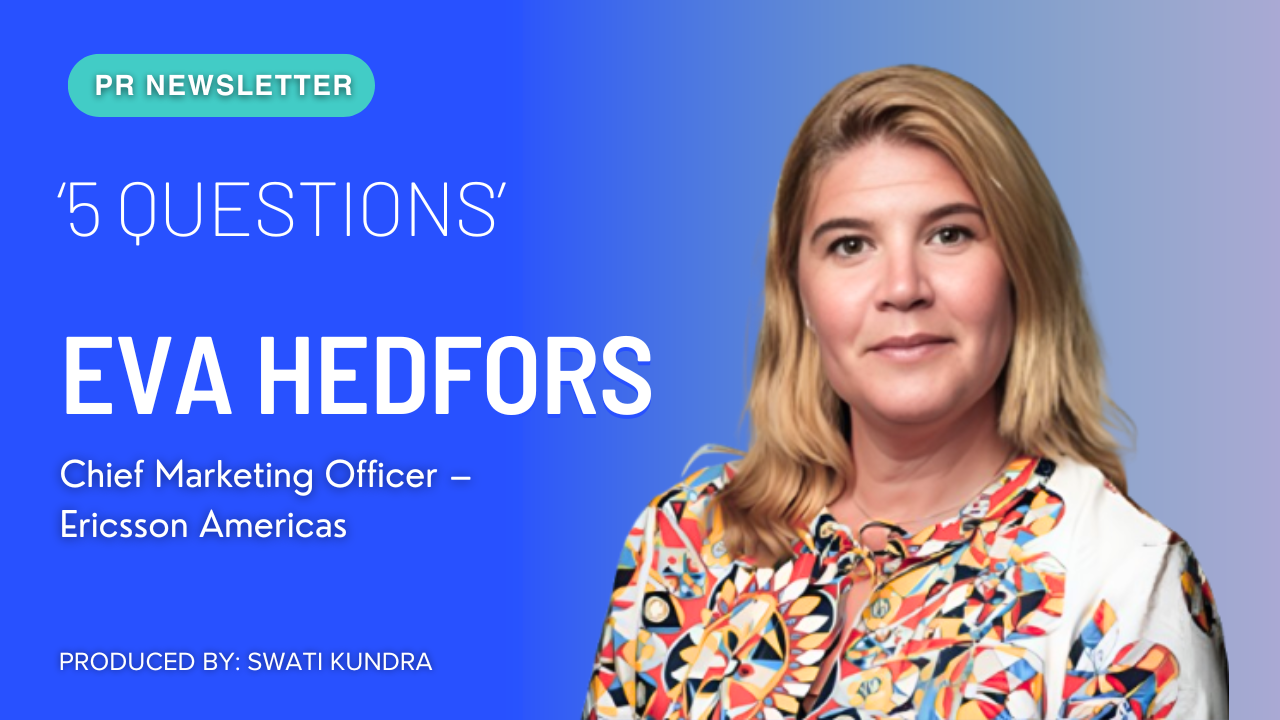
Eva Hedfors and the art of making invisible networks feel human
After two decades inside Ericsson, three countries and a string of assignments that once felt almost too hard, Eva Hedfors has learned to translate telecom's hidden machinery into moments people can see, feel and use.
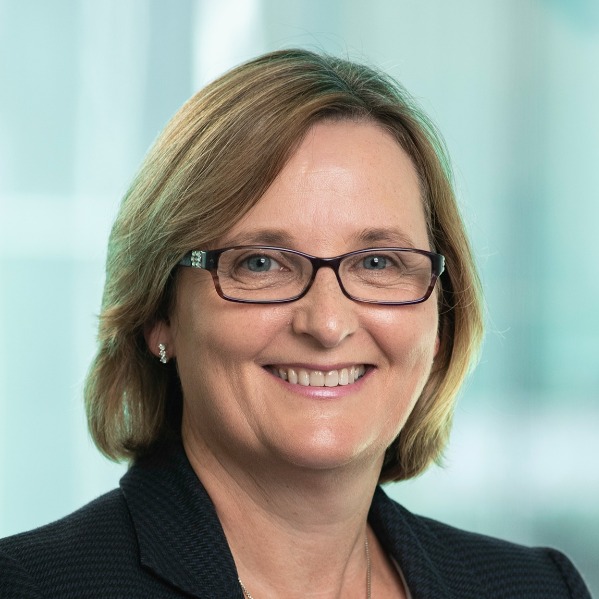
Catherine Kniker
Catherine Kniker began by decoding crashed computers. Now the Irish-born PTC executive is working on a larger systems problem: helping manufacturers connect product data, business strategy and sustainability before the first part reaches the factory floor.
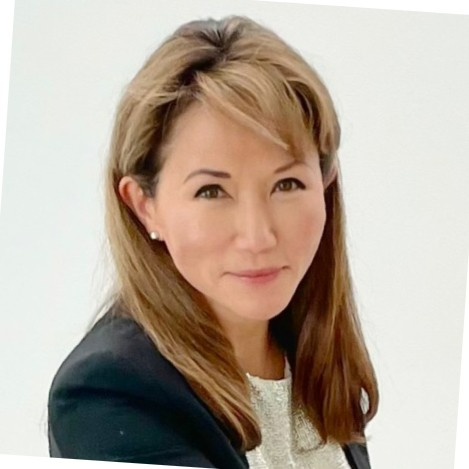
Heather MacLeod
After three decades translating agencies, consultancies and emerging technologies for business audiences, Capgemini Americas CMO Heather MacLeod has built a career around one durable idea: complexity only creates value when people can see themselves inside the story.