women-in-leadership
(48)
Supriyaa Goswami Makes Difficult Software Easier to Explain
The Whatfix marketing chief has spent two decades moving from people systems to product stories. Her recurring lesson is disarmingly simple: adoption begins when complexity stops asking to be admired and starts making itself useful.
After 18 Years at Google, Stephanie Hofmann Is Rewriting Lenovo’s Checkout Story
The longtime Google executive has moved from explaining digital change to owning its outcome - building a global commerce operation where creativity, finance and customer experience must all agree on what growth means.
Jennifer Hopkins Puts a Number on Marketing’s Back
Buildout’s chief marketing officer has spent her career turning brand into a revenue discipline. Her method is plainspoken: own the number, share the goal, and bring sales into the room.
Michelle Randall Starts With 30 Conversations
The five-time software CMO has a wonderfully inconvenient rule for arriving executives: listen to 30 customers before pretending to know the plot.

Jennifer Chase Put a 50-Year-Old Data Company Back in the Brand Business
After 27 years inside SAS, Jennifer Chase is making the case that an analytics company can be rigorous about evidence and still take a creative risk. Her method joins technical fluency, stakeholder diplomacy and a stubborn interest in the customer.
Leigh Asher Retired. Then Fintech Called Her Back.
After three decades turning invisible financial technology into something people could see, enter and gather around, Leigh Asher left Fiserv for retirement. Two years later, InvestCloud gave her a reason to return.

Keriann Strickland Built a C-Suite Career by Knowing Which Story Matters
The Billings-born journalist became Submittable's chief marketing officer without abandoning the editor's habit that got her there: find the human thread, draw the connection, and make every word earn its place.

Sarah Moore Has Spent Three Decades Giving Software a Heartbeat
Before every company wanted a growth engine, Sarah Moore was building one in Austin. Her career is a study in making complicated software matter to actual people.

Andrea Brody Learned Marketing at the Mall - Then Took It Global
A student experiment with her sister became a career-long study of why people buy. Decades later, Brody is still turning curiosity into growth - across software companies, sales teams and a risk market with no single obvious buyer.

Shirin Hameed Turns Engineering Detail Into a Reason to Care
At Detroit Engineered Products, the CMO works in the narrow gap between simulation data and human judgment. Her playbook favors useful questions, specific outcomes and trust that survives the sale.
Caitlin Sargent Is Teaching a 40-Year-Old Icon New Moves
The Jordan Brand CMO has spent two decades learning how Nike moves. Her current brief is trickier: carry an icon's history forward without trapping it in amber.
Lindsay Radkoski Learned to Market Burgers by Reading the Numbers
She entered Wendy's through investor relations, learned the machinery behind the menu, and emerged as the marketer behind value platforms, loyalty and a very online redhead. Now a 15-year chapter is entering its final stretch.
Nidhi Alexander Still Thinks Like a Reporter. Now the Story Has a Revenue Target.
She began by chasing television stories and asking the question behind the question. At Hexaware, Nidhi Alexander applies the same instinct to a harder brief: make enterprise marketing earn belief, trust and measurable business.

Ginny Ziegler Is Giving a 180-Year-Old Brand Its Voice Lessons
Before she untangled Pearson's “brand soup,” Ginny Ziegler learned to project from an opera stage. Now she is applying a singer's ear, a technologist's curiosity and a grandmother's gift for story to the business of lifelong learning.
Alison Moore Built Her Career on the Next Screen. Now She’s Betting on the Room.
After helping television, publishing, music, and philanthropy find their next audience, Alison Moore is taking on a more intimate design problem: how senior women build power together when the old career ladder no longer fits.

Jennifer Keough Built a Career in the Part of Justice Most People Never See
The CEO and co-founder of JND Legal Administration has spent more than 25 years turning sprawling settlements into notices, decisions and payments - the quiet machinery that makes a legal promise real.
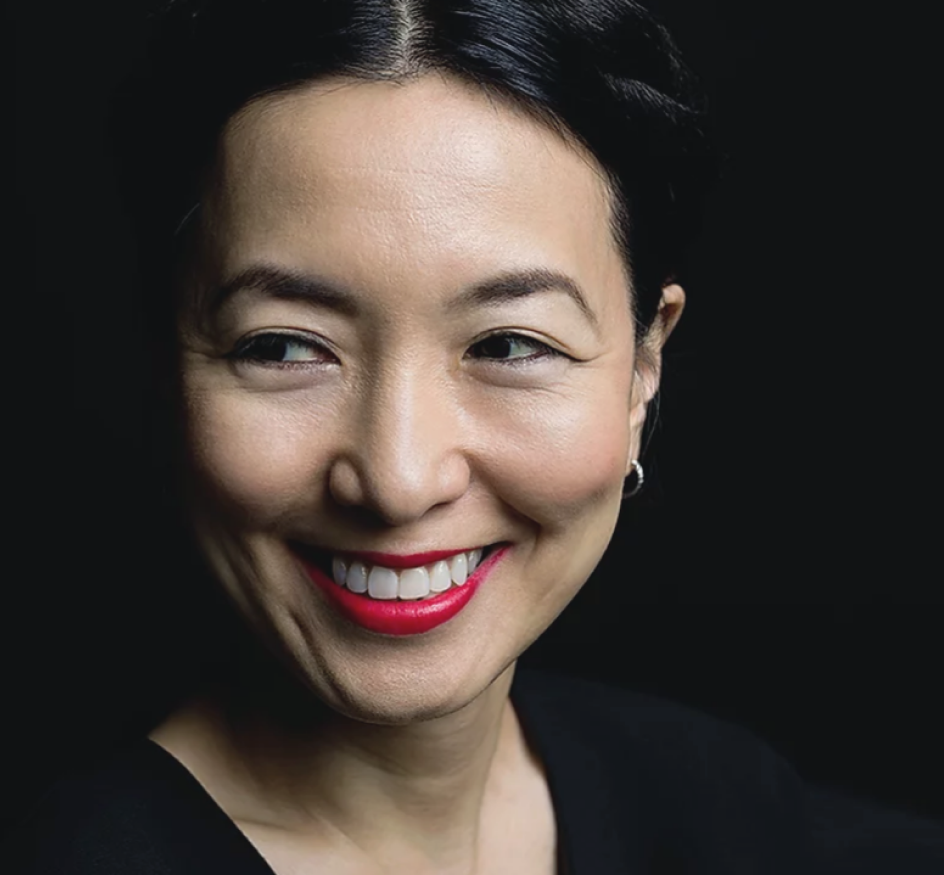
Tracy Saunders Knows the Job Market’s Unwritten Rules. Now She Teaches Women to Rewrite Them
After two decades recruiting leaders for Google, Amazon, Cisco, and fast-growing technology companies, Tracy Saunders changed sides of the hiring table. BossmakeHer is her answer to a quiet career problem: accomplished women making consequential moves without the inside information employers already possess.

Jennifer Bromley Made the Career Pivot Marketers Talk About - From Selling Services to Selling a Fairer Idea
After two decades building brands, Jennifer Bromley moved from the customer economy to the inclusion economy. Her playbook is refreshingly practical: listen early, make the mission legible, and treat advocacy as an operating discipline.

Tatiane Vita Learned Global Growth From the Shop Floor
She started behind a Chilli Beans counter while studying journalism. Two decades later, Tatiane Vita is applying a field-tested playbook for international growth to schools, founders and a public conversation about who gets chosen to lead.

Stephanie Bleau Took Retail Lessons Back to the Classroom
After three decades spent turning customer insight into retail decisions, the former Reitmans and Bentley executive is teaching a new generation how strategy survives contact with real life.

Lisa Cottrell Maps the Human Side of Enterprise Software
From a credit-union street party to the C-suite of a global geospatial software company, Lisa Cottrell has built a career around a practical idea: make complex work feel human, measurable and useful.

Holly Washington Built a Career by Treating the Map as Editable
The S&P Global Market Intelligence CMO has spent more than two decades translating complicated financial products into stories people can use. Her route from underwriting to the operating committee makes a case for careers built as portfolios, not ladders.

Jennifer Catto Is Teaching Travel Technology to Make a Clearer Promise
She once planned to work in public policy. Instead, Jennifer Catto found her lever for change inside companies in transition - and built a career turning complicated technology into promises customers can understand.
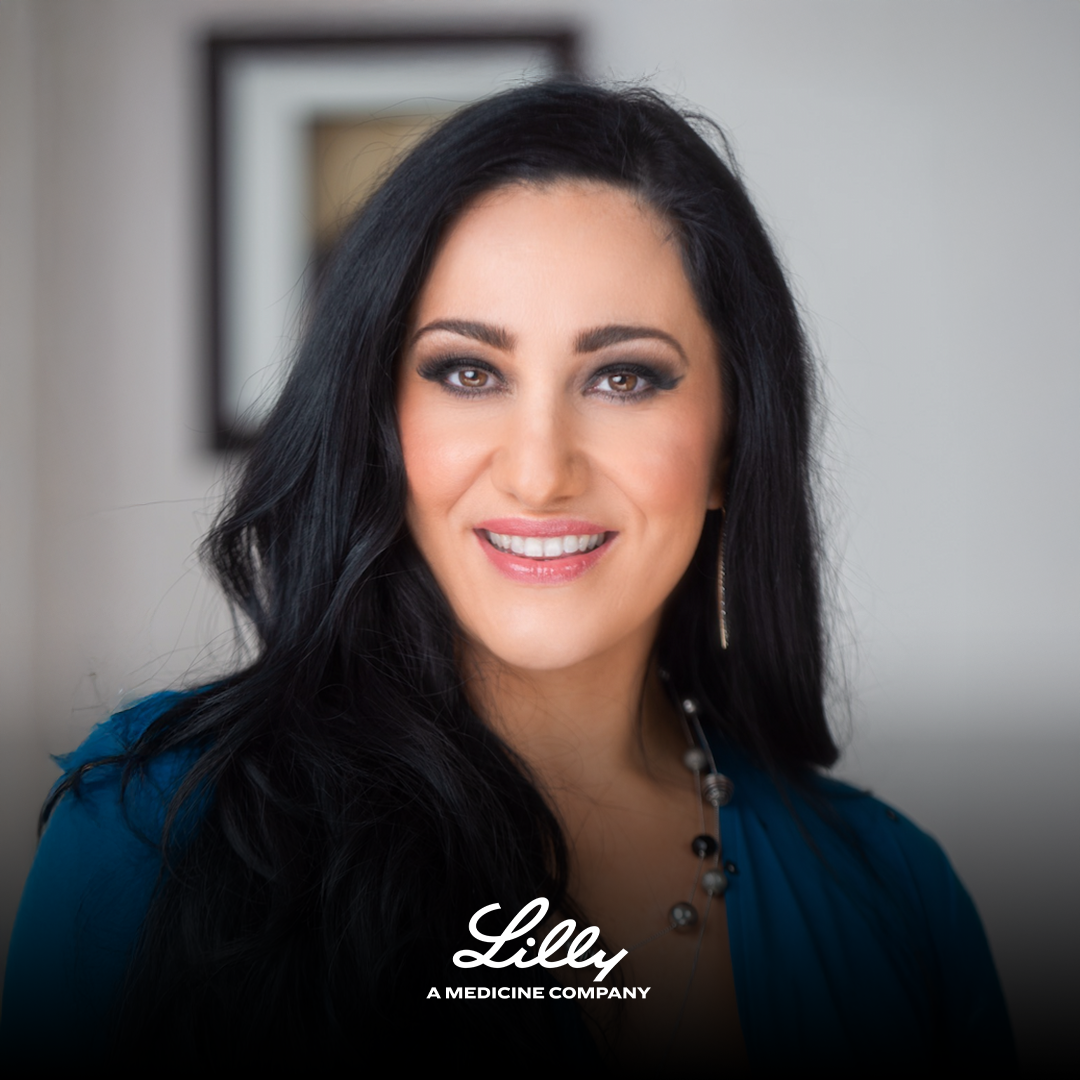
Lina Polimeni Wants Health to Have a Life Outside the Doctor’s Office
After 23 years at Eli Lilly, the Italian-born marketer is turning a pharmaceutical company into a participant in culture - and treating attention as a responsibility, not a trophy.
The Recruiter Who Went Rogue for Women in the C-Suite
Tracy Saunders spent two decades placing executives for Google, Amazon and Cisco. Then she flipped the model - and built a discreet network that gets senior women hired, paid and promoted without the noise.
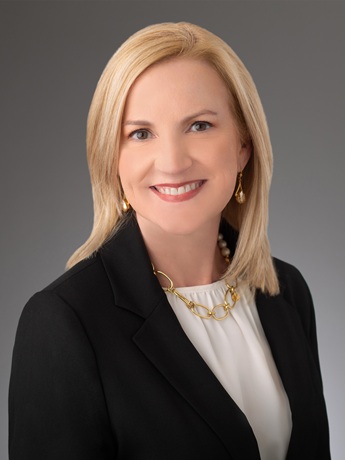
Shelley Washburn Is Turning the Dealership Into a Relationship
After three decades across the car business, Group 1 Automotive’s chief marketing officer is betting that local scale, useful technology and human attention can turn a transaction into a customer’s next decision.
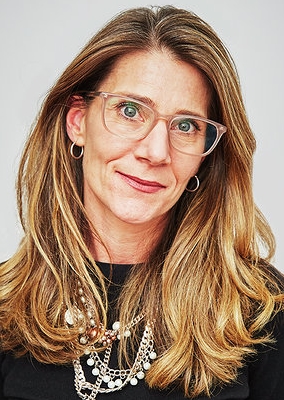
The Marketer Who Keeps Switching Industries On Purpose
She has sold copiers, retirement plans, viral video, stadium sponsorships and ad technology. The through-line is not the product. It is the argument for why the product matters.

Jennifer Luisa Built a 25-Year Career by Refusing to Stand Still
At The Hanover, Jennifer Luisa turned longevity into a form of motion - crossing functions, building connections and keeping a 174-year-old insurer legible to the people it serves.
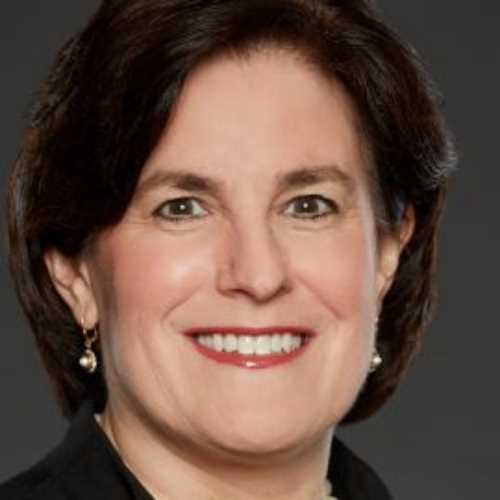
From the White House Podium to the Red Umbrella
She was Hillary Clinton's press secretary at 27, built a women's financial business inside Citigroup, and now runs marketing for one of America's largest insurers. The through-line is a stool with four legs and a plate of spaghetti.
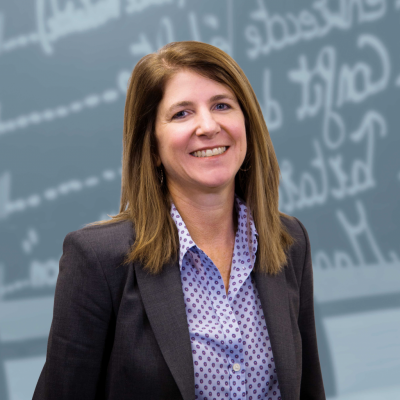
The Marketer Who Sells the Trucks, Not the Cereal Box
She markets a company with no cereal box on the shelf - just 30,000 people, a fleet of trucks, and a promise to show up. Here is how a music major became the voice of a $39 billion foodservice giant.