warehouse-management
(34)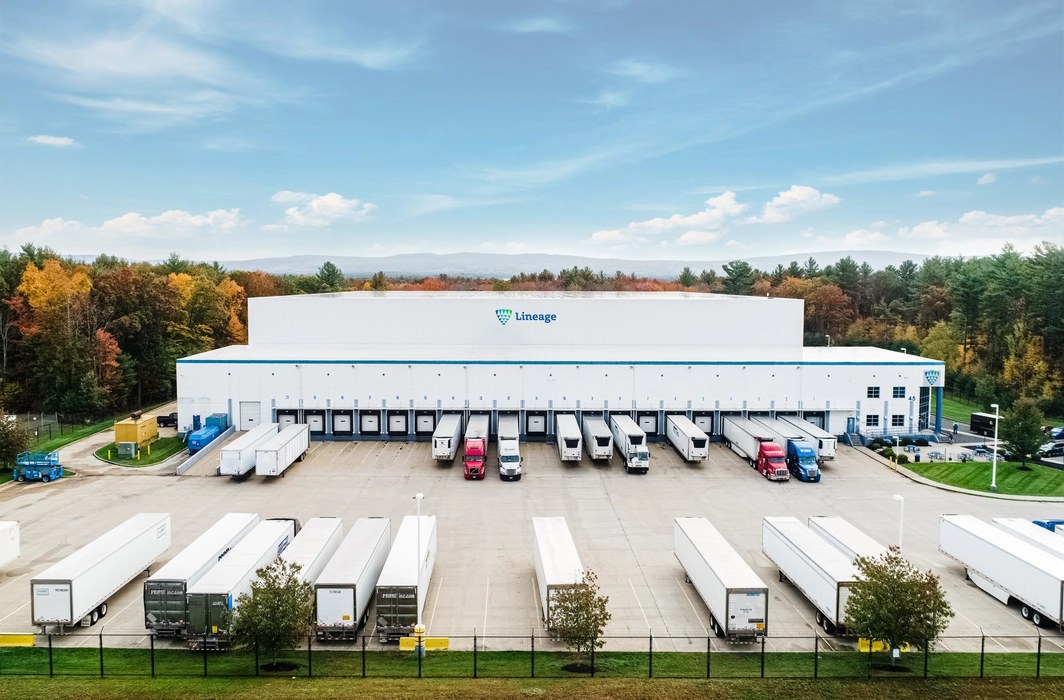
How Lineage Put 2 Million Logistics Workflows on Autopilot
Inside the cold-chain giant’s 49-day sprint from manual data entry to AI agents that read messy freight documents, build orders and make judgment calls at operator-level accuracy.
WareGo wants your warehouse to stop losing the plot
A missing stock update can become a missed sale. WareGo connects orders, inventory and fulfillment - with a particular eye on the warehouses doing the work for everyone else.

On Device Solutions takes SAP off the desk and onto the factory floor
More than 800 paper forms at one car manufacturer tell the story. On Device Solutions builds mobile software for the people doing the maintenance, counting the stock and keeping the machinery moving.
Tecman sells a better day in the warehouse
The Wolverhampton Microsoft partner turns stock, orders and factory data into one working system. Its most revealing offer puts a £45,000 price on a tightly defined slice of that ambition.

Kewill changed its name. The freight kept moving.
From parcel labels to a $115 million acquisition, Kewill built software for the awkward business of getting goods from here to there. Its journey through BluJay, e2open and WiseTech reveals what logistics companies were really buying: connections.

Howard Kirkland Has Spent a Career Making Technology Answer to the Warehouse Floor
From hospital offices to Caterpillar dealerships and modern warehouse systems, the Knoxville executive has kept one stubborn idea: technology earns its place only when it helps real work move.

Kim Emond Makes the Invisible Work of a Warehouse Count
At Royal 4 Systems, the veteran 3PL specialist works where warehouse detail meets commercial consequence - making sure receiving, repacking, storage and shipping become visible, measurable work.

Infios Is Betting Your Warehouse Is Only One-Third of the Problem
Infios is stitching order, warehouse and transportation software into one execution layer. For operators, the pitch is less dashboard, fewer handoffs - and no mandatory rip-and-replace.

Inside the 63-Person Company Rewiring Caterpillar’s Parts Pipeline
FDC Solutions picked a narrow, unglamorous problem - getting the right heavy-equipment part to the right place before downtime becomes expensive. Twenty-four years later, its software sits between dealer ERPs, warehouse workers, robots and customers across more than 80 Cat dealer organizations.
The Warehouse Software Company That Found Its Moat Between the Loading Dock and the Operating Room
Tecsys spent a decade selling someone else’s enterprise system. Then one customer exposed the missing piece - and a quiet Canadian software company built a durable business where inventory errors become operational emergencies.

Tychons Spent 28 Years Learning the Unsexy Plumbing Behind the Buy Button
The Atlanta-headquartered, Chennai-built services firm does not sell the glamorous part of ecommerce. It connects the storefront to the ERP, warehouse, payments and reporting systems that have to work after the campaign ends.

The 48-Year-Old ERP Company Teaching Warehouse Software to Answer Back
VAI grew up writing code for IBM machines and stayed close to the distributors that run on it. Now the Long Island family business is betting that industry detail - plus an AI assistant - can beat a shinier generic suite.

Magaya Put Freight Forwarders' Messy Back Offices in One Box - Then Learned the Hard Part Was Focus
A trio of Cuban founders wrote software for small freight forwarders from a family apartment. Twenty-five years, four acquisitions and 2,300-plus customers later, Magaya's useful lesson is not about adding features - it is about knowing which mess deserves one system.

Larry Ridwan Put Indonesia's Cold Chain on an Eight-Kilometer Grid
A banker-turned-telecom executive tried selling fish online, met the limits of motorcycle delivery, and drew a new map for Indonesia's cold chain - one hyperlocal fulfillment center at a time.

Erhan Musaoglu Bet on the Warehouse Before It Was Cool
He arrived in Chicago with a warehouse product, no outside investment and a $30-a-day household budget. The useful part of Erhan Musaoglu’s story is not the hardship. It is how often he let the market rewrite the plan.
Cart.com Wants To Be The Operating System Behind Everything You Buy Online
Founded in 2020, the Houston company stitched together software and a warehouse network to sell brands one thing they rarely get: their orders, inventory and shipping in a single place.

Priority Software Spent 40 Years Making ERP Boring - and Built an $800 Million Company
Founded in the mainframe era, the Israeli company sells one promise to roughly 75,000 businesses in 70 countries: enterprise software people can actually change themselves. In 2024, Blackstone paid about $800 million for the pitch.
The Software Behind the Factory Floor Is Learning the Factory
Aptean built a large enterprise-software business by going where generic suites get awkward: recipes, lots, shop floors, fleets and regulated workflows. Now it is connecting that collection with AI - without pretending every factory works the same way.
The Quiet Software Running the Warehouse Behind the Buy Button
EasyEcom wants to make the machinery after an online sale as legible as the storefront before it. Its pitch is a single operating layer for stock, orders, warehouses and the money marketplaces actually pay out.
The $61 Billion Warehouse Brain Hiding in Alpharetta
Deposco’s software handled 1.2 percent of U.S. ecommerce during the 2024 holidays. Its quieter trick is making the warehouse, the storefront and the forecast behave like one system.

The Company Behind the Cart: How Promologistics Runs Mexico's Invisible Commerce Layer
Promologistics does not simply move boxes. The Mexico City company coordinates the warehouses, software, freight partners and last-mile handoffs that turn an order into a delivery - and gives brands one accountable operator when the chain gets complicated.
The Quiet Machine Behind the Buy Button
A sale on TikTok can empty a shelf in Chichester and change an Amazon listing seconds later. Linnworks makes that chain of events look boring - which is precisely the point.

The Shipping Company That Doesn't Own the Trucks
eShipper built its business in the space between a merchant's checkout button and the customer's front door. Its wager is simple: small and midsize sellers can borrow the buying power, software and supply-chain discipline of a much larger company.

The 3PL That Pays When the Box Goes Wrong
Red Stag Fulfillment built a warehouse business around the boxes other operators would rather avoid. Its sharpest sales tool is not a robot or a routing map, but a set of guarantees that makes warehouse mistakes cost the warehouse.
The $8.5 Billion Brain Behind the Things on Your Shelf
Blue Yonder is trying to give the global supply chain one shared brain - from the forecast to the forklift to the final return. Its real advantage is less about flashy AI than joining thousands of ordinary decisions before they become expensive surprises.

Manhattan Associates
The software behind a delivery promise has to reconcile a shelf, a warehouse, a truck and a customer in seconds. Manhattan Associates has spent 35 years turning that hidden choreography into an enterprise platform - and now it is teaching AI agents to help run it.

ArchLynk
ArchLynk has built a global business around the unglamorous systems that decide whether a shipment moves, a warehouse flows and a product clears customs. Its bet is that deep SAP supply-chain specialization can beat the sprawling generalist integrator.

Haladir
Haladir is a San Francisco AI product lab (YC W26) building the decisional AI layer for logistics. It pairs formal optimization solvers with large language models so software can reason through hard constraints - routing, scheduling, labor and inventory allocation - and produce verifiable, optimal decisions instead of confident guesses. Its Nomos framework sits on top of existing WMS, TMS and OMS systems, unifies their data into one operational graph, and drives decisions through operator review, direct integration, or AI agents.

Craig Collins
Craig Collins is the CEO of GraniteWMS, a South African warehouse management software company that has grown from a Cape Town product into a system running in 240-plus warehouses across more than 40 industries and four continents. A University of Cape Town science graduate and one of the early figures in South African barcoding, Collins spent roughly three decades in warehouse operations before leading GraniteWMS's push into the United States, Europe, the Middle East and the Caribbean. He hosts the company's 'What The Warehouse' show and is known for a hands-on, floor-level style: he spends much of his time inside actual warehouses looking for practical ways to improve how goods move.

MasonHub
MasonHub is a Los Angeles-based third-party logistics (3PL) and order-fulfillment company built for fast-growing beauty, fashion, and wellness brands. Founded in 2018 by retail-operations veteran Donny Salazar, it pairs its own order-management and warehouse-management software with hands-on fulfillment services out of bicoastal distribution centers, aiming to give digital-first brands the shipping speed, accuracy, and real-time supply-chain visibility usually reserved for retail giants.