travel-technology
(51)
Open Destinations makes complicated holidays add up
Behind a tailor-made tour sits a thicket of rates, rooms, rail seats and revisions. Open Destinations sells the software - and the human help - that keeps them together.
Sastaticket Sold the Journey. Then It Had to Handle the Refund.
The Pakistani booking company grew by putting travel choices on a screen. Its harder education came when flights stopped, customers called, and selling a ticket was no longer enough.
tiket.com Wants to Book Your Trip. And Keep You After It.
The Indonesian travel company nearly ran out of reasons to stay open. Its next act connects flights, family weekends and everyday shopping - with a sharper promise when plans go wrong.
Serko’s big business is behind your business trip
The Auckland software company put its technology inside Booking.com for Business and bought a bigger seat in corporate travel. Now it must make growing booking volumes pay - while teaching AI to handle the itinerary.

Trip.com Group Wants the Whole Trip
Flights, beds, train tickets, even the itinerary: Trip.com Group wants a role in every part of your holiday. Its sprawling business reveals both the value of a travel middleman and the trouble that comes with having too much power.

SilverRail sells the machinery behind your train ticket
ScotRail’s £83.8 million retail systems award shows how much happens before a passenger boards. SilverRail has built a business making that complexity someone else’s problem.

Fornova knows what your hotel room is really selling for
A hotel can set its room rate and still lose control of the price guests see. Fornova follows that price across the web, then helps commercial teams decide what to fix first.
15below sells airlines a shorter silence
A cancelled flight is bad enough. The Brighton software company turns the scramble to contact passengers into an automated workflow - and is now bringing airports into the conversation.
Atcore: The Software Behind £20 Billion in Holiday Bookings
The travel software company helps turn flights, hotel rooms and a thicket of prices into holidays people can actually book. Its story runs from a £45 million buyout to the daily work of making complicated trips look simple.
The Airport Perk Hiding Inside 40 Million Wallets
Dragonpass turned the airport’s least lovable product - waiting - into infrastructure for bank loyalty. Its trick is not owning the lounge, but making thousands of scattered perks behave like one digital benefit.
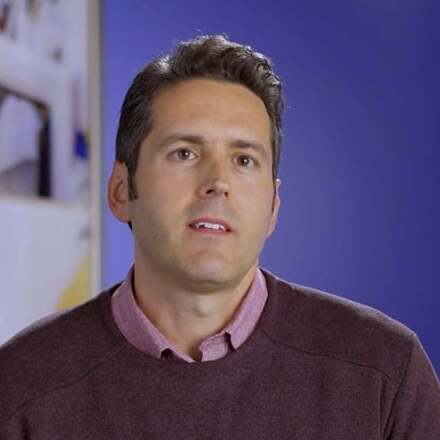
Jeff Zotara Built a Career Around One Useful Question: What Do People Actually Want?
Before travel loyalty, Jeff Zotara helped assemble green schools and marketed a GPS tracker for pets. The industries changed; his method did not: listen closely, build flexibly, and make technology answer to real life.

Diane Pierson Wants Innovation to Survive Contact With the Market
After decades turning market knowledge into products and more than $100 million in reported revenue, the author of How to Innovate on Purpose has brought her clear-eyed method to travel technology.

Erika White Has a Soft Spot for Messy Problems
The Navan CMO built a career by translating complicated products into human stories. Her favorite raw material is the sort of friction most people would rather hide - including a purse full of crumpled receipts.
The Travel Company You’ve Probably Used Without Knowing It
Arrivia hides behind some of the world’s best-known loyalty programs, turning points and member perks into bookable trips. Its edge is less glamorous than a beach ad - deep cruise supply, private pricing and the operational plumbing to make someone else’s brand look good.
PROS Spent 40 Years Teaching Airlines What Every Seat Is Worth - Then Split the Company in Two
The Houston software veteran began with an overbooking algorithm, grew into a $330 million pricing platform and survived both a cloud rebuild and aviation's worst shock. Its new owner has now made a stark bet: the airline brain is more valuable on its own.

Martin Retai Put the Tour Guide in Your Pocket - Then Told the Screen to Get Out of the Way
A gondolier’s stories in Venice gave a Hungarian engineer a product idea: let the phone know where you are, let a local voice explain why it matters, and leave your eyes free for the city.

Kishore Pallamreddy Spent 18 Years Making Travel Software Behave. Now He Wants AI to Earn Its Boarding Pass.
The Zapcom founder built his career inside the invisible machinery of travel. His next wager is that enterprise AI needs the same discipline: product judgment, durable architecture, and an unforgiving eye for the customer.

David Shull Missed a Ferry. Then He Found Travel’s Invisible Work.
A six-hour wait in a Greek parking lot sent an early Handshake employee looking for the software behind travel advice. He found a profession buried in tabs, copy-paste and admin - then started building its operating system.
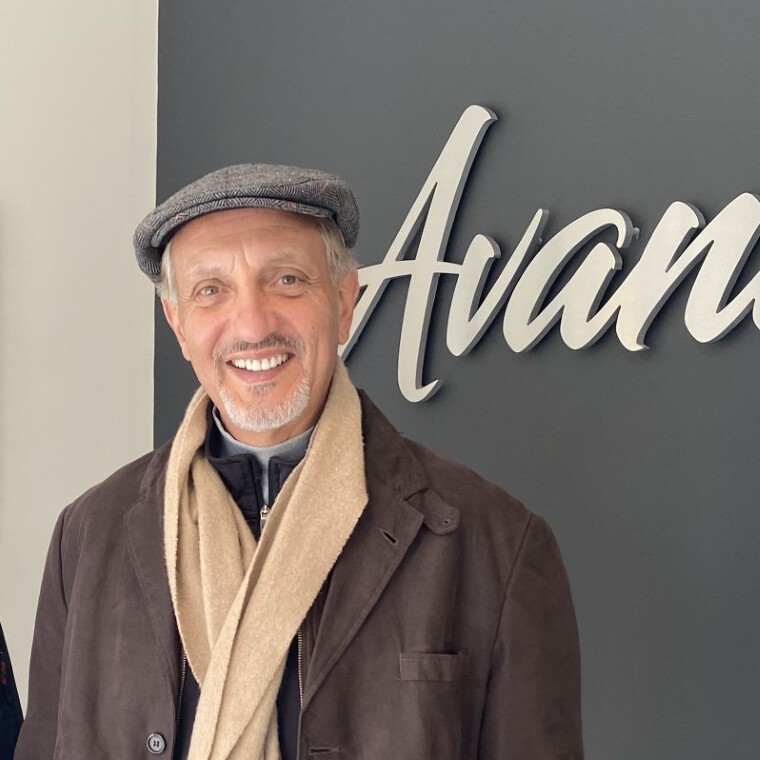
Joe Salemme Built a Travel Business Around the Miles Nobody Wanted
Before LUXY Ride, Joe Salemme learned to notice trucks returning empty. He turned that stubborn operating waste into a second career spanning chauffeur software, corporate travel, and Connecticut development.

Nick Poggi Built a Travel Company Around the People Who Make a Trip Worth Taking
The TrovaTrip co-founder turned a messy group vacation into a three-sided marketplace. His enduring bet is simple: useful travel technology should make human connection easier, not try to replace it.

Tim Choate Keeps Building the Rails Behind the Room
Before vacation rentals became a software arms race, Tim Choate saw the mess behind the booking button. His three-decade career is a study in making fragmented markets feel simple.

Paula Port Is Teaching the Internet to See Toronto at 100%
After more than two decades telling one city's story, Destination Toronto's chief marketing officer is preparing for a world in which travellers ask machines where to go - while insisting that curiosity, community and human judgment still lead the way.

The Black Car Startup Betting Its Best Inventory Is the Ride Nobody Wanted
LUXY Ride built a national chauffeur network around an unglamorous discovery: the expensive car returning empty may be the cheapest useful ride in town. Then COVID-19 arrived weeks after launch and forced the company to prove whether efficiency could survive without passengers.

Jennifer Catto Is Teaching Travel Technology to Make a Clearer Promise
She once planned to work in public policy. Instead, Jennifer Catto found her lever for change inside companies in transition - and built a career turning complicated technology into promises customers can understand.

Alvaro Silberstein Is Turning Accessibility Into Travel Infrastructure
A Patagonia expedition revealed a market hiding in plain sight. Alvaro Silberstein built Wheel the World to turn scattered accessibility details into reliable travel infrastructure.
Vernost Is Building the Plumbing Behind Your Points, Trips and Payments
Most loyalty points live in a cul-de-sac. Vernost wants to turn them into a network - connecting rewards, bookings and checkout for the enterprises that serve millions of customers.

Jochen Koedijk Is Teaching Travel Marketing to Speak Machine
The Expedia Group CMO started with web design and paid search. Now he is preparing brands for a world where travelers may ask an AI agent to choose for them.

The Quiet Algorithm Behind the Price of a Hotel Room
Before a guest sees a room rate, IDeaS has often weighed the demand, the timing and the cost of saying yes. The Minnesota software company turned an airline math problem into the operating logic of modern hospitality.
Sabre Wants to Turn Travel's Oldest Plumbing Into an AI Checkout
Born from a chance conversation between two airplane seatmates, Sabre made reservations instant. Six decades later, it is trying to make the travel industry's fragmented checkout work like one intelligent transaction.

Expedia Is Building the Travel Internet Behind the Travel Internet
The familiar booking brands are only the shop window. Expedia Group's more consequential bet is to become the shared infrastructure for travelers, suppliers, advertisers and thousands of businesses that want to sell a trip.