technology-leadership
(32)
Matt Barton Built the Machinery Behind the Mystery of the Mutt
A Cambridge-trained manufacturing engineer went into consulting, then joined a young dog-genetics company. His career explains what happens when code leaves the screen and starts answering the oldest question at the dog park: what, exactly, is this dog?
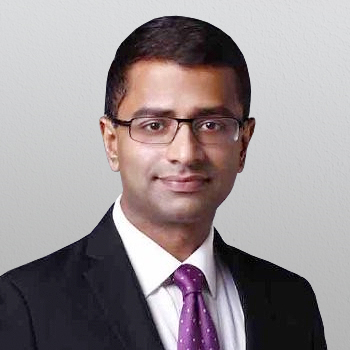
Venkat Rangapuram and the Art of Making AI Leave the Laboratory
He turned a corporate carve-out into Centific, raised $60 million to take its AI data foundry worldwide, then handed over the chief executive's chair. His enduring argument is refreshingly earthbound: intelligent systems become useful only when data, context, and human judgment survive contact with reality.

Akinobu Shimada and the Quiet Machinery of Trust
He spent more than three decades learning what happens beneath the software. Now Hitachi Vantara's CEO is betting that the most important promise in artificial intelligence is not magic, but machinery people can trust.
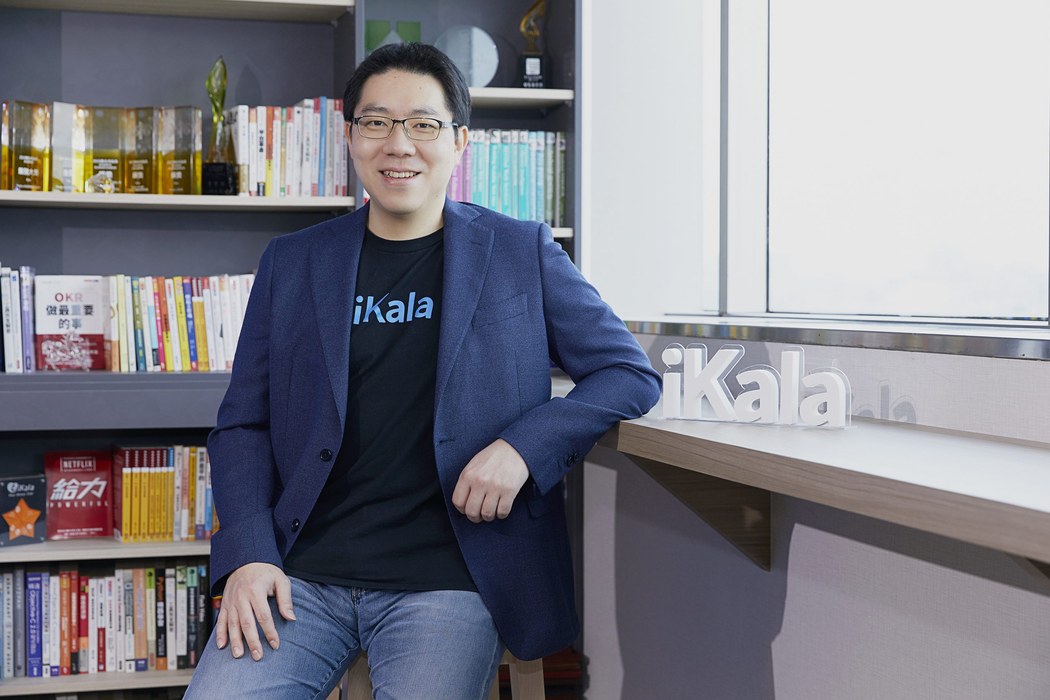
Sega Cheng Left Google to Build the Company That Could Survive Him
He traded a coveted engineering career for a karaoke startup, then rebuilt it around cloud, data and AI. The enduring project was never a single product. It was learning how to change without losing the plot.

Douglas Gourlay and the Seventy-Percent Decision
The former infantry officer and networking inventor now runs a data company by one compact rule: prepare hard, decide before certainty arrives, and own what happens next.

Kelly Householder Keeps One Eye on the Dashboard and One on the Horizon
The ClickBank CEO built his career making complicated systems behave. In Boise, his two worlds - digital commerce and general aviation - share the same discipline: trust the instruments, know the route, and keep adjusting.

John Schwarz Left the Tower for a Hot Townhouse
After 35 years inside enterprise software's established institutions, John Schwarz started again in a rented Vancouver townhouse. The wager was simple: business data should answer a question before the questioner loses patience.

Maria Lobato Turns Cybersecurity Into a Language People Can Act On
At Lumu, Maria Lobato has made a career of translating invisible threats into clear choices. Her route from corporate communications to the C-suite explains why her favorite cybersecurity tool may be a well-chosen word.

Trisha Paine Learned the Law, Then Built a Career Explaining Cyber Risk
The Check Point marketing leader pairs a lawyer's appetite for precision with an operator's willingness to experiment - and treats mentorship as a two-way exchange.

Joyce Kim Learned the Code. Then She Learned to Tell Its Story.
Proofpoint's chief marketing officer began with COBOL, C++ and a useful irritation: marketers did not always understand the products they sold. Three decades later, translating hard technology into human stakes remains her job.

Marianna Kantor Is Making the Case That Every Business Problem Has a Geography
The Esri CMO has spent a career translating technical systems into business language. Her current argument is disarmingly simple: AI can know what, but decisions still happen somewhere.

Naveen Joshi Markets the Future Before It Becomes Familiar
At Taazaa, the Noida-based CMO turns dense technology into decisions people can understand - and argues that useful innovation begins with trust, clarity and a real problem worth solving.

Jen Snell Learned to Market AI Before AI Learned to Talk Back
Before chatbots became a category, Jen Snell was teaching companies how to give machines a useful voice. Two decades later, the Babel Street CMO is still translating between technical possibility and human judgment.

Susanna Song Still Works on Deadline - Now the Story Is 115 Million Connected Devices
The former CBS reporter moved from live television into cybersecurity and IoT without surrendering her newsroom reflex: know the audience, find the stakes, and make the complicated matter before the clock runs out.

Mark Platosh Built a Career Around the Questions Nobody Knows to Ask
A three-month software review taught Mark Platosh that the costliest business problem is often a missing conversation. He has spent the years since turning that lesson into Maven Research.

Jean-Michel Fournier Keeps Betting on the Signal Inside the Noise
From a teenage electrician in southern France to the CEO of Muse, Fournier has built a career by translating emerging technology into experiences ordinary people can use.

Kishore Pallamreddy Spent 18 Years Making Travel Software Behave. Now He Wants AI to Earn Its Boarding Pass.
The Zapcom founder built his career inside the invisible machinery of travel. His next wager is that enterprise AI needs the same discipline: product judgment, durable architecture, and an unforgiving eye for the customer.

Rajiv Jain Built a Career Asking One Uncomfortable Question: What Could Break?
From object-oriented graphics patents to AI-era quality engineering, the ThinkSys founder has spent three decades turning software's awkward edge cases into an operating philosophy.
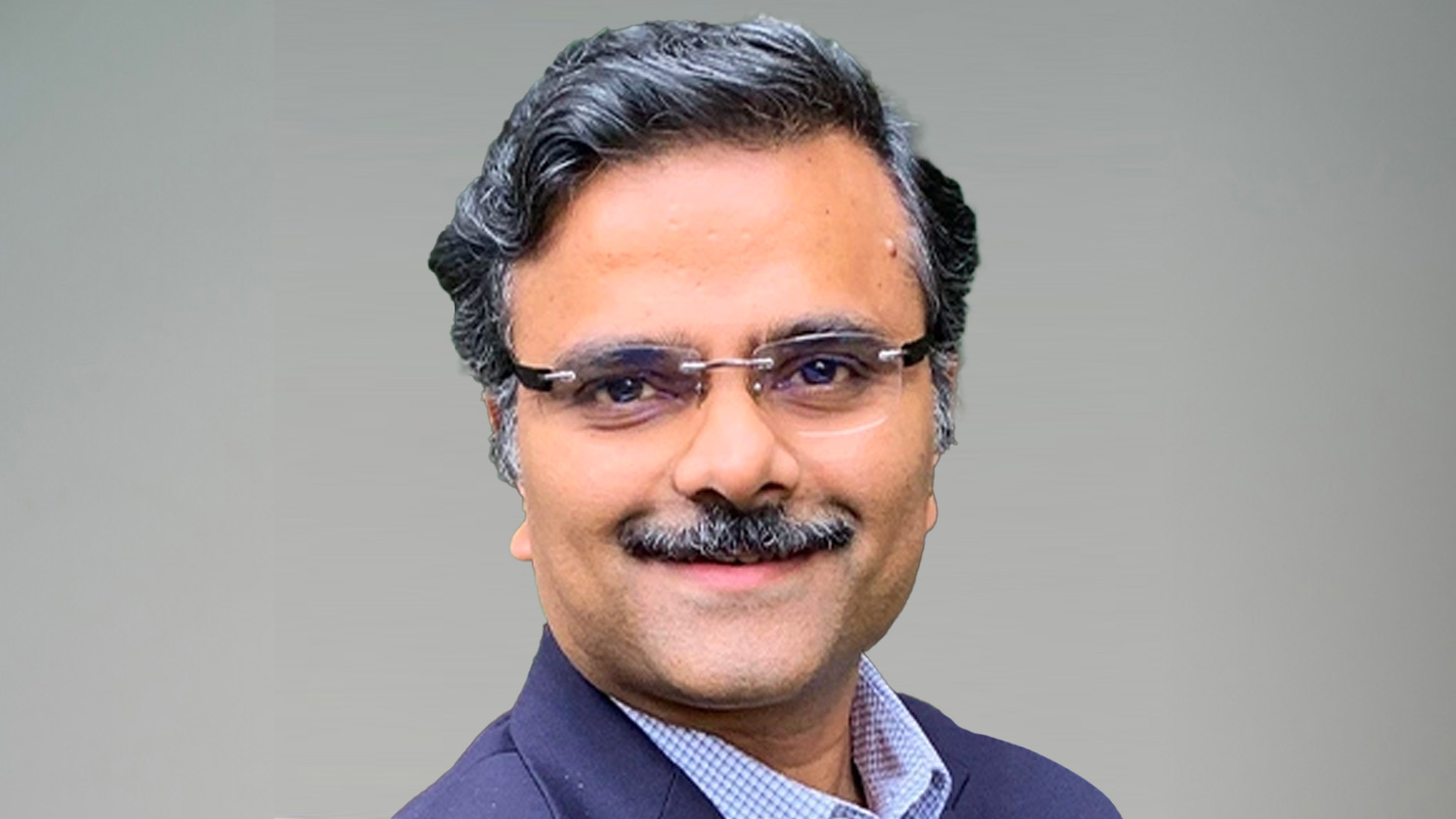
Anubhav Saxena Is Teaching AI to Look Up From the Chatbox
After two decades spent automating work, the Chooch CEO is betting that AI's next useful trick is not better conversation. It is sight - deployed where shelves empty, machines fail and cameras never blink.
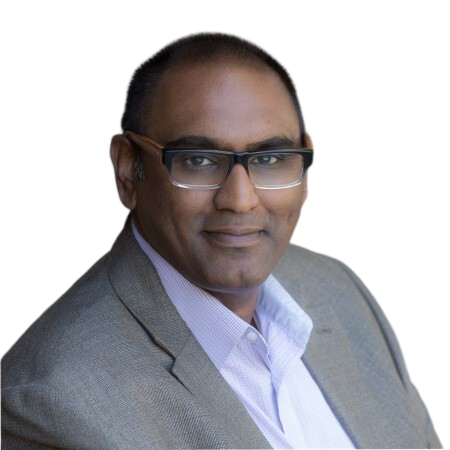
Mayan Mathen Wants IT to Stop Filing Tickets and Start Finishing the Job
After 25 years inside enterprise technology, the XOPS co-founder is betting that the future of IT belongs to systems that complete the work - while people supervise the outcome.
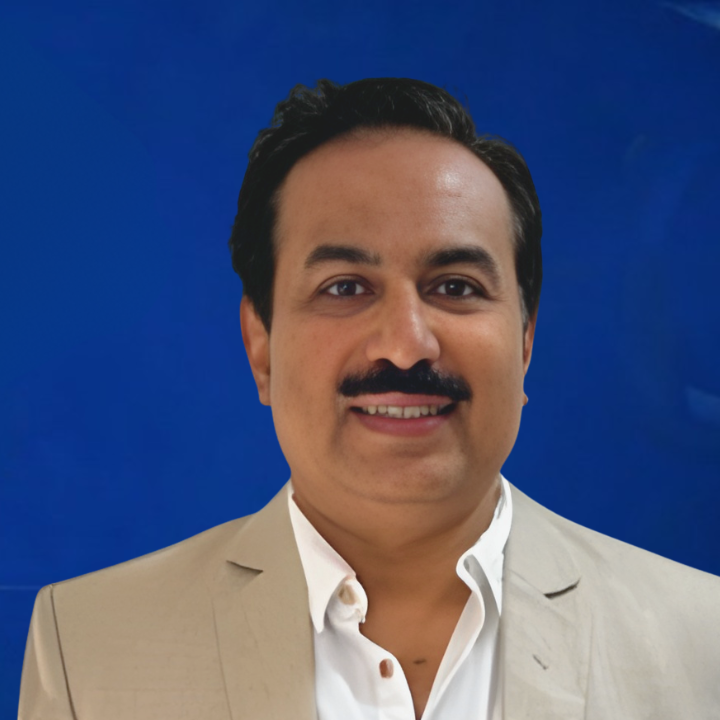
Prakash Kolhe Is Teaching Enterprise AI to Earn Its Keep
After decades inside banking and enterprise software, the Cymetrix founder has a plain test for AI: connect the data, govern it carefully, and make a better decision.

Paul Lewis Has a Rule for Enterprise AI: Make It Useful, Then Make It Replaceable
After three decades across banking, industrial technology, cloud and data, Pythian CTO Paul Lewis has arrived at a blunt test for AI: does it change the work, and can the architecture survive what comes next?

Brooks Borcherding Keeps Betting on the Next Technology Shift
After three company sales and decades spent near technology's turning points, the Pythian CEO is applying an old operator's discipline to enterprise AI: prepare the data, bring people along, and move while the opening is real.
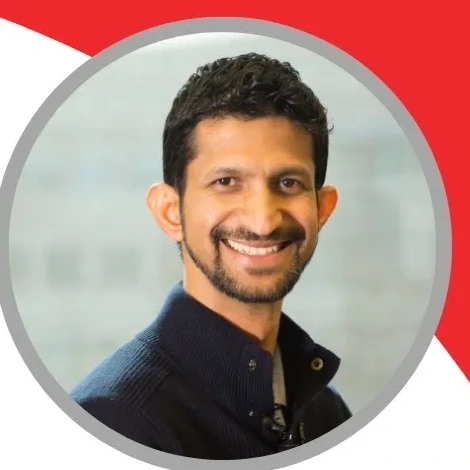
Prashanth Shenoy Is Selling the Cloud Back to the Data Center
After 22 years at Cisco, an engineer-turned-marketer walked into VMware just before its ownership changed. Now Prashanth Shenoy has the delicate job of making private cloud feel like the practical future, not a retreat to the past.

Eva Hedfors and the art of making invisible networks feel human
After two decades inside Ericsson, three countries and a string of assignments that once felt almost too hard, Eva Hedfors has learned to translate telecom's hidden machinery into moments people can see, feel and use.

Maria Winans Built a New Brand From 90,000 Old Habits
After 29 years at IBM, Maria Bartolome Winans became employee No. 2 at its infrastructure-services spinoff. Her assignment was bigger than a name and a logo: give tens of thousands of people a reason to feel like founders.

Tony Sumpster
Tony Sumpster is the CEO of Provar, the Salesforce-focused test automation company, a role he took on in December 2024. A veteran enterprise-software leader with roughly 25 years across corporate, private equity, and venture-backed companies, he previously ran Worksoft and Data Intensity as CEO and led Hewlett Packard Enterprise's largest software business unit as SVP and GM. He is known for turning around and scaling technology organizations and for building teams around diversity, passion, ability, and belief.

Anuj Jalan
Anuj Jalan is the Vice President of Sales Marketing at Microsoft, based in Chandigarh, India. He has built his career across major technology and services firms, moving from process development at Genpact and customer support at Dell to senior sales and marketing leadership at one of the world's largest technology companies. With an MBA from Symbiosis Institute of Management Studies and a background spanning recruitment, operations, and client engagement, Jalan represents the archetype of a career professional who climbed the ranks through diverse industry exposure in India's booming tech sector.
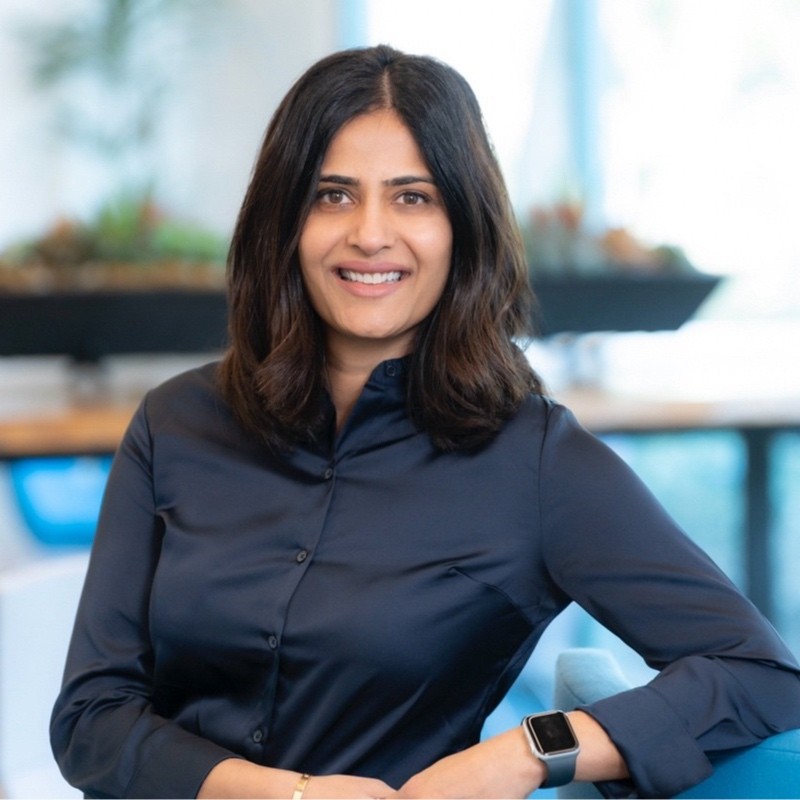
Ashraf Karim
Ashraf Karim is Senior Vice President of Connected Customer Experiences & Technology at ServiceNow, where he leads the charge on transforming how enterprises engage customers through AI-powered digital workflows. With over two decades spanning engineering, product management, and executive leadership at Google, PayPal, Affirm, and Cisco, Karim bridges the gap between deep technical fluency and strategic business thinking. He is known for championing simplicity-first design, advocating that reducing cognitive load at every customer touchpoint is the defining discipline of great product leadership.

Robert Potter
Robert Potter is the CEO of Oomnitza, a San Francisco-based enterprise technology management (ETM) platform that gives IT teams a single pane of glass across their entire asset portfolio. Appointed in September 2024, Potter brings over 25 years of executive leadership in technology and cybersecurity, including tenures at Mandiant, RSA/EMC, Symantec, Lancope/Cisco, and IBM. A venture partner at SYN Ventures and a Quinnipiac University board member, he is also the co-founder of the Robert & Kathryn Potter Charitable Foundation supporting mental health, cancer research, and military families. Under his leadership, Oomnitza was named one of The Information's 50 Most Promising Startups of 2024.