supply-chain-software
(41)
Ocado Put the Supermarket on a Grid. Now It Has to Prove the Grid Travels.
The British grocer became a robotics company by solving its own least glamorous problem: picking milk, melons and frozen peas without losing money. After a costly first act, Ocado is making the machine lighter, the software looser and the pitch more practical.

The 3 A.M. Retail Problems ZakApps Wants to Make Boring
From product keys locked in a digital vault to stock checks that spare retailers another spreadsheet, this Chennai-built company works in the unglamorous layer where commerce either moves - or jams.

Causeway Is Building the Operating System Construction Forgot to Ask For
Construction runs on specialist software, stubborn spreadsheets and handoffs where useful data goes to die. Causeway's bet is that the industry's next productivity gain will come from connecting what already works.

Howard Kirkland Has Spent a Career Making Technology Answer to the Warehouse Floor
From hospital offices to Caterpillar dealerships and modern warehouse systems, the Knoxville executive has kept one stubborn idea: technology earns its place only when it helps real work move.

Prashant Bhatia Has Spent a Career Closing the Gap Between the Plan and the Yard
From warehouse software to omnichannel retail and port operations, the Georgia Tech engineer has followed one stubborn question for three decades: can the system help someone act?

Kim Emond Makes the Invisible Work of a Warehouse Count
At Royal 4 Systems, the veteran 3PL specialist works where warehouse detail meets commercial consequence - making sure receiving, repacking, storage and shipping become visible, measurable work.

Before Miranda Harper Named a Software Future, She Learned to Fill an Opera House
A former professional opera singer moved from champagne, hotels and Audi into cybersecurity and supply-chain software. Her career makes a persuasive case that brand work begins with listening for the note everyone else has missed.

Lucas Systems Wants to Give Every Warehouse Worker a Smarter Route
The Pittsburgh-area software company spent 28 years teaching warehouses to talk. Now its bigger bet is that the best automation is the one that changes its mind while the shift is still running.

FreightWise Put a Price on Freight's Blind Spots - Then Bought a TMS Marked for Shutdown
The Tennessee logistics company sells software, freight expertise and an unusual promise: expose the cost hiding between a quote and the invoice. Its biggest bet was rescuing Kuebix and rebuilding it for the shippers enterprise software tends to overlook.

Infios Is Betting Your Warehouse Is Only One-Third of the Problem
Infios is stitching order, warehouse and transportation software into one execution layer. For operators, the pitch is less dashboard, fewer handoffs - and no mandatory rip-and-replace.

Inside the 63-Person Company Rewiring Caterpillar’s Parts Pipeline
FDC Solutions picked a narrow, unglamorous problem - getting the right heavy-equipment part to the right place before downtime becomes expensive. Twenty-four years later, its software sits between dealer ERPs, warehouse workers, robots and customers across more than 80 Cat dealer organizations.

Amanda Dyson Wants Marketing to Stop Counting Applause
After two decades inside supply-chain software, Amanda Dyson has a blunt test for marketing: did it move the business? Her new assignment at DemandTec is to make a 25-year-old company’s story catch up with what its software has become.

Sarah Moore Has Spent Three Decades Giving Software a Heartbeat
Before every company wanted a growth engine, Sarah Moore was building one in Austin. Her career is a study in making complicated software matter to actual people.

Shannon Karl Learned to Sell the Internet. Now She Markets the Invisible Machinery Behind Modern Commerce.
Before enterprise SaaS, Shannon Karl wrote books that taught people how to use the early web. Three decades later, the Tecsys CMO is still doing the same essential job: turning complicated systems into practical stories people can trust.
Royal 4 Built Warehouse Software for 42 Years. Now It Has to Outrun Its Own Legacy
The Long Beach software veteran survived four decades by fitting the warehouse instead of forcing the warehouse to fit. A 2026 investment gives it fresh fuel - and makes modernization the next test.

Kaleris Wants to Fix the Places Where Freight Forgets to Move
The freight industry has plenty of dashboards. Kaleris is betting that the bigger prize is software that decides what should move next - from a truck at the gate to a crane in a container yard.

SPS Commerce Fired 225 People, Bet on the Cloud, and Built Retail's $650 Billion Back Room
In 2001, a nearly insolvent software company chose a brutal third option: shrink to 75 people and build the cloud network nobody in retail wanted to maintain. Twenty-five years later, that network moves more than 750 million transactions a year - and its next test is whether all that memory can make AI useful.

The Warehouse Software Company That Found Its Moat Between the Loading Dock and the Operating Room
Tecsys spent a decade selling someone else’s enterprise system. Then one customer exposed the missing piece - and a quiet Canadian software company built a durable business where inventory errors become operational emergencies.

Outrider Put the Self-Driving Bet Where It Can Actually Work: The Yard
The highway stole the self-driving headlines. Outrider went behind the warehouse, taught an 80,000-pound robot to hitch trailers, dodge traffic and mind the brake lines - then built the safety and support machinery enterprises demand.
Paperless Parts Is Turning the Quote Desk Into Manufacturing's Control Room
A machine shop can make a perfect part and still lose money because the quote was wrong. Paperless Parts is building the software layer that catches the expensive details before metal meets machine.

Tychons Spent 28 Years Learning the Unsexy Plumbing Behind the Buy Button
The Atlanta-headquartered, Chennai-built services firm does not sell the glamorous part of ecommerce. It connects the storefront to the ERP, warehouse, payments and reporting systems that have to work after the campaign ends.

Ed Rusch Has Spent 20 Years Making B2B Software Sound Like People
The Magaya CMO built a career in unglamorous corners of enterprise software by asking a disarmingly human question: are you speaking in your customer's language?

Kevin Young Has Spent 30 Years Making Complicated Software Sound Human
From consumer psychology to global supply chains, Kevin Young built a career around one unfashionable marketing skill: understanding the customer before reaching for the megaphone.

Gaurav Saran Built a Business Around the Awkward Journey Back
Most commerce stories end at delivery. The ReverseLogix founder has spent a decade mapping what happens next - and turning retail’s least glamorous handoff into useful infrastructure.

Gaston Zelerteins and the Art of Making Auto Parts Speak Internet
He found a continental software problem hiding inside spreadsheets, PDFs and millions of nearly identical parts. His answer was to make the automotive aftermarket legible - one catalog, reseller and country at a time.

Jithendra Palasagaram Turned a Spreadsheet Problem Into an Exit
After 13 years inside engineering and sourcing, he knew exactly where electronics procurement broke. Part Analytics turned that operator's frustration into a design-to-procure platform - and, in January 2025, an Altium acquisition.
Keychain Put 50,000 Factories in a Search Box - Now It Wants to Run Them
The New York startup made contract manufacturing searchable, raised at least $78 million in publicly announced funding, and turned buyer demand into a software wedge. The useful lesson is less about AI than about starting with the ugliest spreadsheet in a valuable industry.

Logiwa Bet the Warehouse on Software That Gets Paid When the Boxes Move
The Chicago software company wants 3PLs and high-volume brands to stop treating warehouse complexity as a consulting annuity. Its pitch: faster launches, smarter pick paths, open integrations, and a bill tied to throughput instead of headcount.
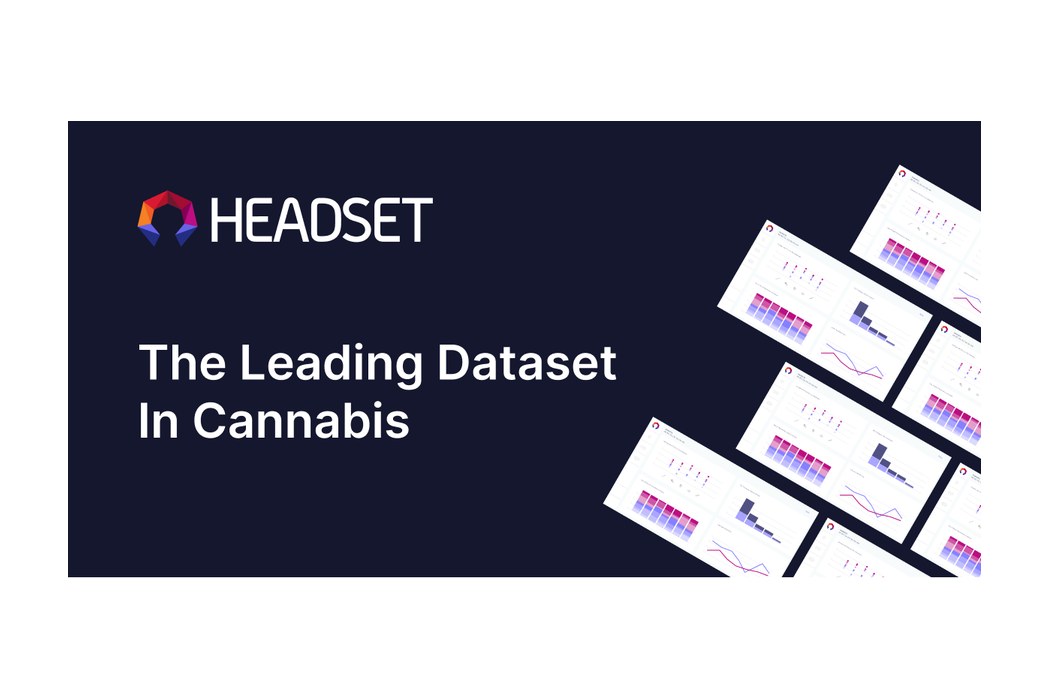
Headset Turned Cannabis Receipts Into a Map - Now the Map Can Place the Order
Cannabis has thousands of products, fragmented rules and no universal product code. Headset built the translation layer - then moved from describing the shelf to helping operators decide what belongs on it.

Bowie Cheung Is Teaching the Back Room to Think
After helping turn Uber Eats from an experiment into an everyday habit, Bowie Cheung went upstream. At Pepper, he is building software for the independent distributors who keep restaurants supplied - one voicemail, catalog and paper check at a time.