subscription-billing
(24)
BlueSnap: Your checkout has a geography problem
A payment can travel farther than the product it buys. BlueSnap makes the route matter - connecting local acquiring, billing and embedded payments in one platform, now backed by Payroc.
2Checkout and the Strange Business of Making Buying Boring
A software seller can reach the world with a download. Getting the world to pay, renew and satisfy the tax authorities is where 2Checkout earns its keep.

Maxio and the Invoice That Changed Everything
Before Maxio became a platform for SaaS and AI finance, one of its predecessors learned a useful lesson: people admire a quarterly dashboard, but they pay to fix a daily headache.
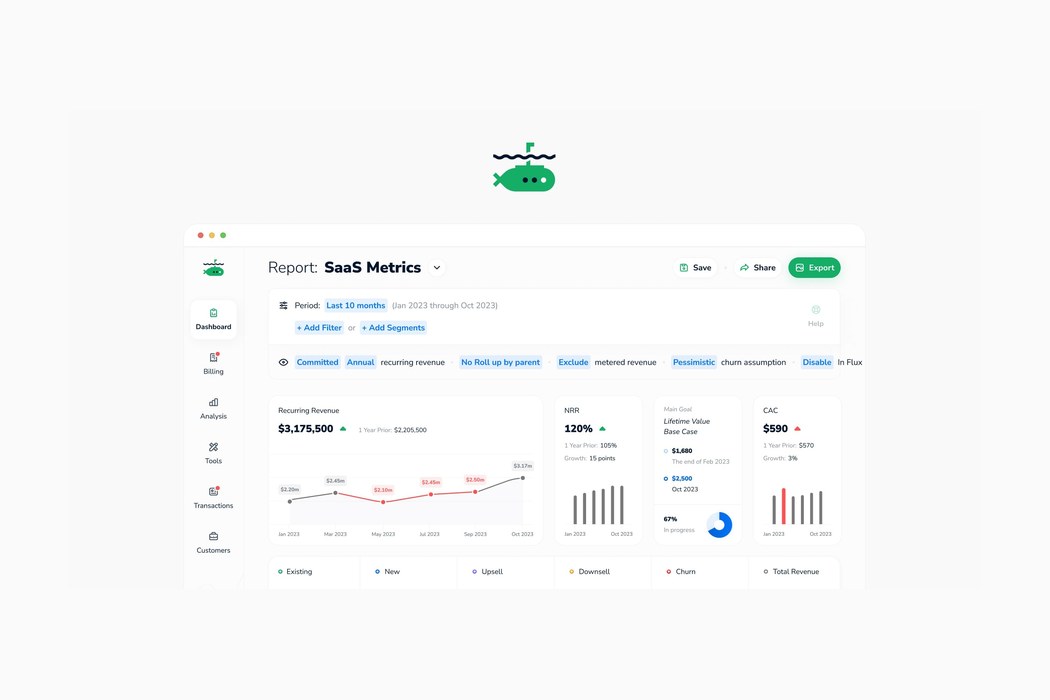
The Invoice Was the Clue: How Subscript Followed SaaS Money Back to the Contract
Subscript began by untangling subscription metrics. Then it followed the mess upstream - into bespoke contracts, hybrid billing, revenue schedules, and the awkward question of who still owes you money.
The Phone Plan Hiding in Your Banking App
Gigs sells the machinery that lets a bank, airline or device maker become a mobile provider. The curious part is where the idea began: with eSIM codes in a spreadsheet.

Paddle puts a price on the paperwork: 5% + 50¢
Selling software worldwide is easy until the money arrives. Paddle takes a cut to handle the checkout, subscriptions and sales-tax obligations - a bargain whose value depends on what you would otherwise have to build.
Pax8 Put the Cloud on One Invoice. Now 47,000 IT Firms Have to Decide How Much Control That Convenience Is Worth.
Pax8 turned cloud distribution from a spreadsheet sport into a software product. The payoff is scale for small IT providers; the price is trusting one more company with every license, renewal and invoice.
Stax Bet Merchants Would Pay a Subscription to Stop Paying Markups. Then It Rebuilt the Payment Stack.
A processor laughed off Suneera Madhani's flat-fee idea. She and her brother built it anyway, reached a $1 billion valuation, and then discovered the bigger business was not one clever price - it was owning more of the machinery behind every swipe.

Zuora Sold the Subscription Economy. Now It Has to Bill the AI Economy.
The company that turned recurring billing into a management philosophy is private again - and betting that AI will make the meter, invoice and ledger more complicated than ever.
Chargebee Wants to Turn Billing From Back-Office Chore Into a Pricing Lab
The Chennai-born software company spent years making recurring invoices less painful. Now it is betting that the hardest part of the AI economy will not be building products - it will be deciding how, when and what to charge.
BillingPlatform Bet That Every Pricing Experiment Becomes Finance's Problem - Now It Wants AI to Untangle the Bill
The Colorado software company built a business around an awkward truth: flexible pricing creates rigid accounting headaches. Its answer is one configurable system from usage event to journal entry - useful when the mess is genuinely enterprise-sized.

DealHub Bet $184.5 Million That Your Revenue Stack Has Too Many Tabs Open
The Austin-based software company is turning the least glamorous part of enterprise sales - the machinery between a promising deal and recognized revenue - into one governed workflow. A $100 million growth round says the timing is no accident.
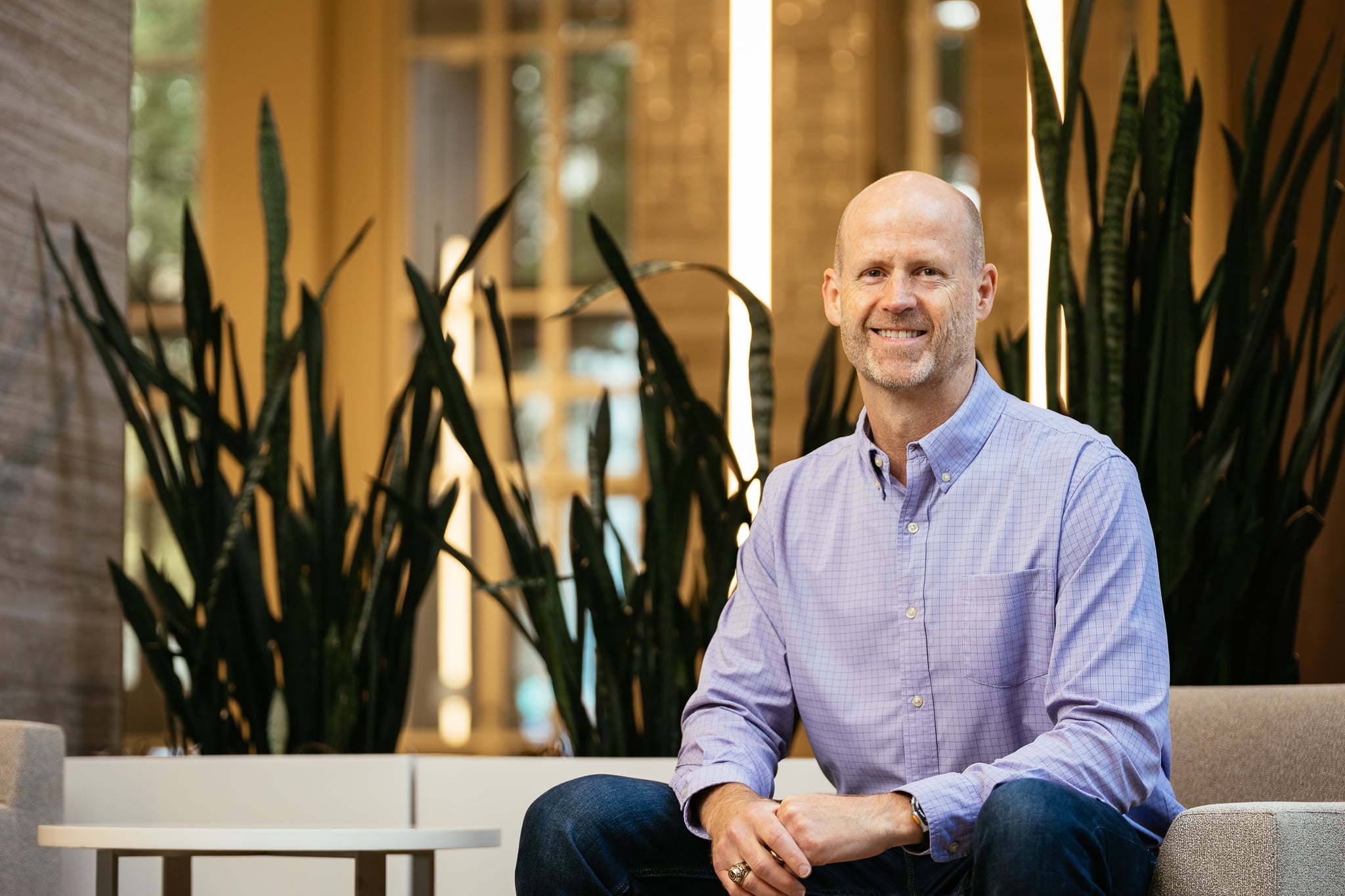
Frank Greer Kept Rewiring Zipit Until the Market Caught Up
A pocket messenger became an IoT platform, then a strategic acquisition. Frank Greer's useful habit was not predicting the future perfectly - it was changing the company before the old answer became a trap.

The Billing Engine Behind Your Netflix Habit Just Taught Itself to Think
For 24 years Aria Systems has quietly answered one boring, load-bearing question for the world's biggest companies: how do you charge millions of customers correctly, every month, without the whole thing falling over?
The Tiny Wireless Company That Turned Trail Cameras Into Subscriptions
Zipit began with a pocket messenger for teenagers. Two decades later, it runs the unglamorous machinery that lets manufacturers connect devices, collect payments, and build recurring revenue around hardware.
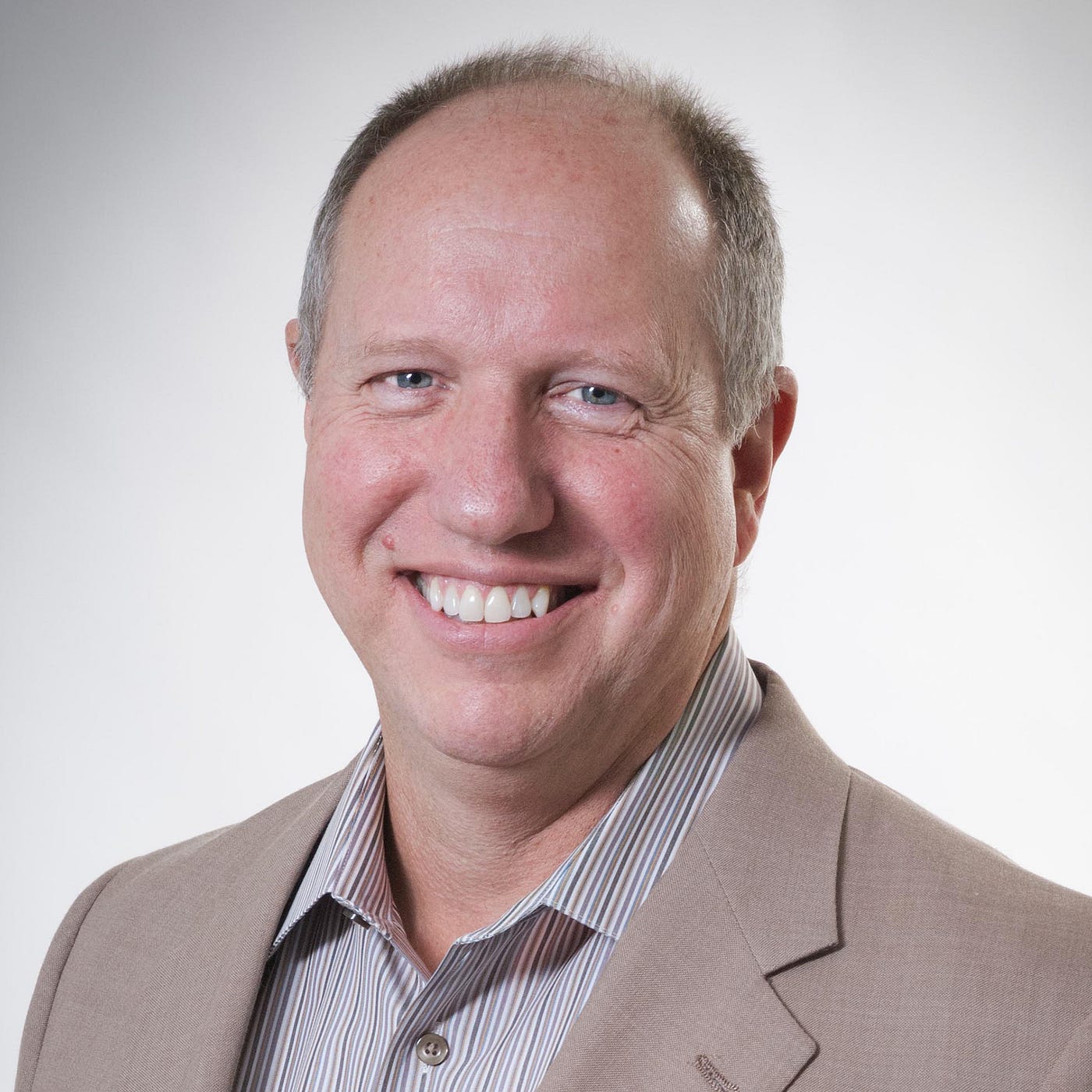
Craig Gass Built a Payments Company Around One Quiet Question: Where Is My Money?
A lawyer turned payments operator, Gass has spent more than three decades following the trail from a customer’s click to a merchant’s cash - and learning what leadership costs when the system fails.
FastSpring Sells the Software So Its Makers Don’t Have To
A checkout is the visible inch of a global sale. FastSpring takes responsibility for the tax filings, payment routes, subscription logic and buyer support underneath it - becoming the seller on paper so digital companies can keep building.
Infovity
Infovity is a San Mateo, California consulting firm that is 100% focused on Oracle Cloud applications. Founded in 2008 by former Oracle product leaders, the firm designs, implements, integrates, and manages Oracle ERP, HCM, SCM, EPM, and CX cloud systems for companies in high tech, life sciences, energy, banking, and manufacturing. It has completed 500+ implementations and reports that roughly 90% of its business comes from referrals and repeat clients.

Gravy
Gravy is an Atlanta-area fintech that recovers failed subscription payments for recurring-revenue businesses. Instead of leaning only on automated dunning software, Gravy pairs workflow automation with U.S.-based retention specialists who personally reach out to customers whose cards declined - by email, text and sometimes a live agent. Founded in 2017 by Casey Graham and Renee Weber, the company says it has returned more than $500 million to hundreds of clients and lifts recovery rates from the industry-typical ~15% toward 80%.
Pierce Washington
Pierce Washington is an enterprise consulting firm that untangles the messiest part of B2B selling - the journey from quote to cash. Since 2005 it has implemented CPQ, eCommerce, and subscription billing on Salesforce and Oracle platforms, then wired those systems into the ERP backbone so deals price correctly, ship cleanly, and bill accurately. With 100-plus complex CPQ projects behind it and a 'Total Commerce' maturity model guiding clients, the firm helps manufacturers, hi-tech, and life-sciences companies turn slow, error-prone sales processes into self-service revenue engines.

Sticky.io
Sticky.io is a San Francisco-based revenue optimization platform for high-volume subscription and ecommerce brands. Built on an intelligent payments engine, it pairs a headless CRM, a conversion-focused checkout and funnel builder, AI-driven payment recovery, and orchestration across 160+ gateways. The platform supports roughly 72 million subscriptions and processes more than $12 billion in transactions annually, helping merchants reduce silent churn and recoup failed payments.
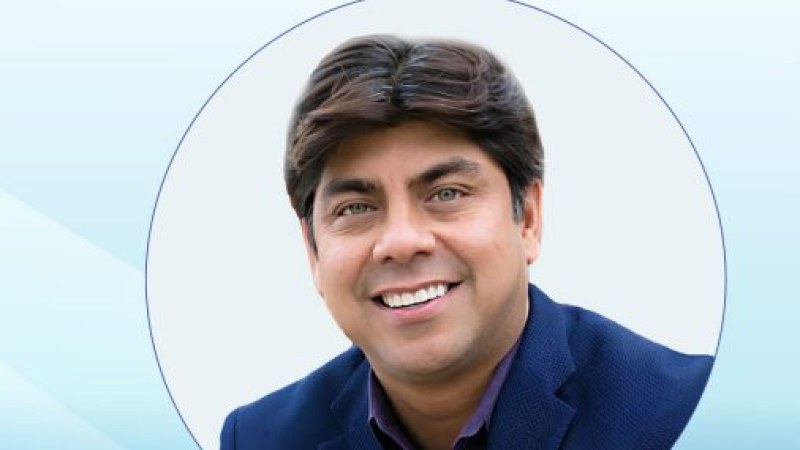
Nishant Nair
Nishant Nair is the Founder and CEO of RecVue, a Palo Alto-based enterprise revenue operating system that manages over $100 billion in revenue for global enterprises. With 20+ years navigating quote-to-cash complexity, he built RecVue to unify billing, revenue recognition (ASC 606/IFRS 15), and partner compensation on a single AI-powered platform—bridging the stubborn gap between CRM and ERP that legacy systems have never solved. Backed by $20.19M in funding including a $13.19M Series A led by Cota Capital, RecVue processes over 100 million transactions monthly for customers like Hertz, World Wide Technology, and Crown Castle.
RecVue
RecVue is a Palo Alto-based enterprise software company building an AI-powered Revenue Operating System (RevOS) that sits between CRM and ERP to automate billing, revenue recognition, and partner settlements for complex subscription and usage-based businesses. Founded in 2015 by Nishant Nair, RecVue today manages over $100 billion in annual revenue for customers including Hertz, ACI Worldwide, Textainer, and General Assembly.

Sharath Dorbala
Sharath Dorbala is the CEO of Vendavo, the Denver-based B2B pricing and commercial-excellence software company. A two-decade veteran of enterprise SaaS, CPQ, and subscription billing - with stops at Oracle, Amdocs, Conga, and the corner office at Vindicia - he now runs the company that helps the world's manufacturers and distributors squeeze margin out of every quote.