smart-glasses
(18)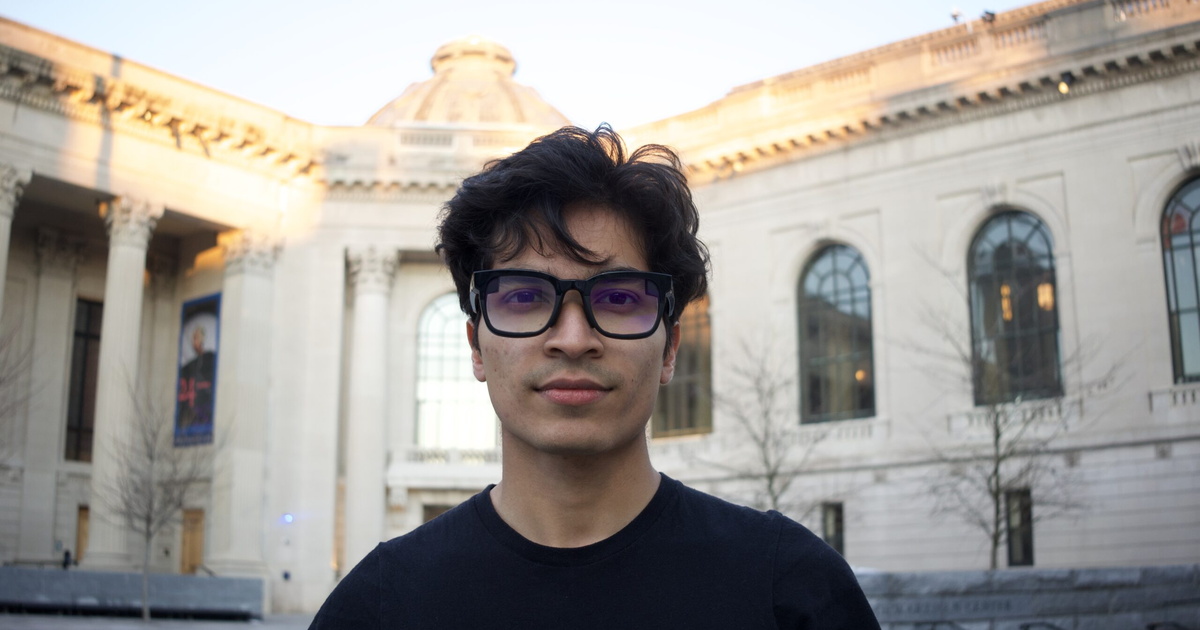
Madhav Lavakare Spent Eight Years Putting Conversation Back in View
A school friend’s unanswered problem sent a 16-year-old to the family projector with a screwdriver. Eight years, two gap years and a patient procession of prototypes later, AirCaps finally shipped.
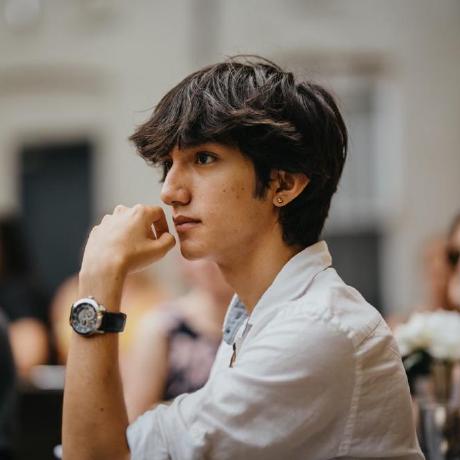
Maceo Kwik Walked Away From $400K ARR to Build the Computer He Actually Wanted
Datost found revenue fast. Its founder found something harder: a reason to stop. Now the engineer who once squeezed a startup into the hours after work is betting on camera-free AI glasses, factory emails at night and a quieter kind of computer.
The $43 Million Shortcut: How KITS Turned Contact Lenses Into a Million-Customer Eyewear Machine
KITS bought a working contact-lens engine, gave away the first pair of glasses, and spent years teaching a low-margin retailer to manufacture loyalty. The useful lesson is not the discount - it is the machinery behind it.

Brilliant Labs Keeps Rebuilding the Same $349 Bet: AI Glasses You Can Rewrite
The Singapore startup learned that putting AI in your sightline is easy to demo and hard to live with. Halo is its third attempt - thinner, longer-lasting, more private, and open enough for developers to make the glasses useful in ways the company has not imagined.
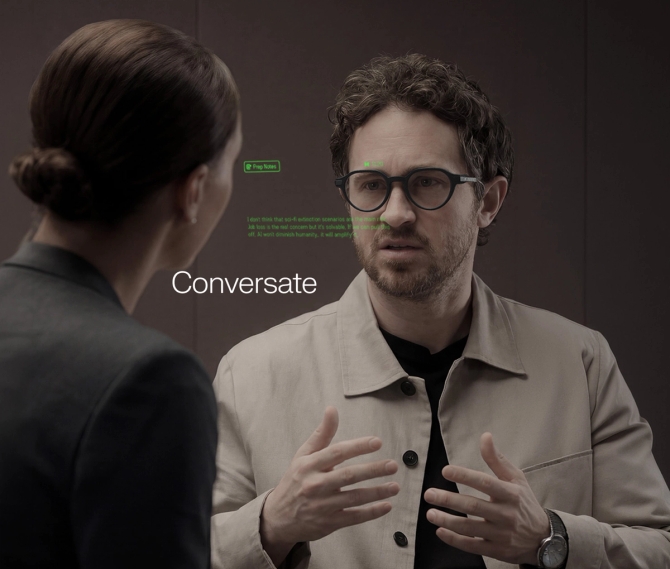
The Smart Glasses That Refuse to Film You
No camera. No speaker. Just a green line of text floating where you need it. Even Realities built the anti-spectacle smart glasses - and turned itself into a billion-dollar company doing it.
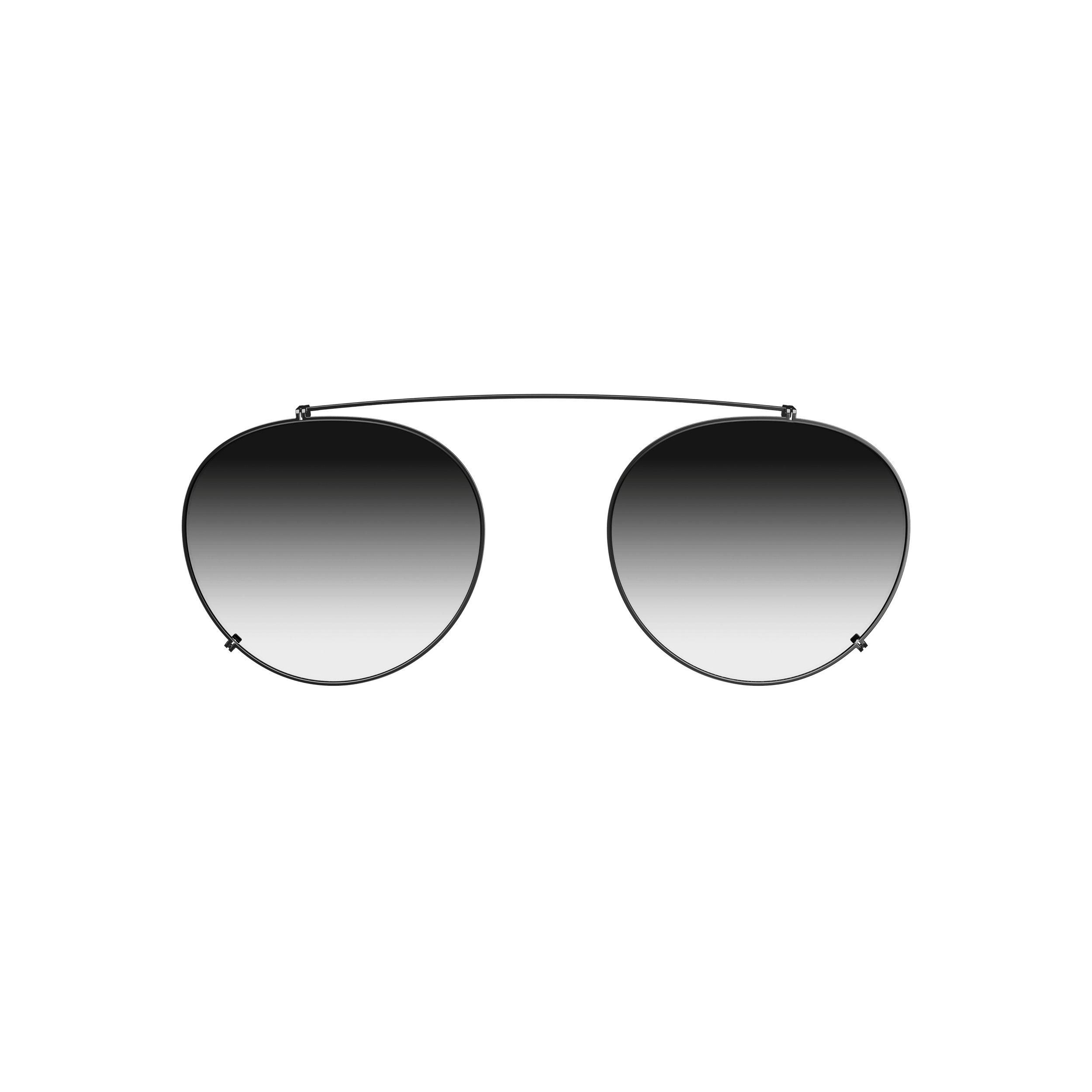
The Even G1 Sun Clip Fixes Bright Days for $99. The Tiny Pouch Explains the Whole Smart-Glasses Bet.
For prescription G1 wearers, this slim shade is the difference between leaving the smart glasses at home and wearing them through lunch. It is useful, handsome, easy to misplace, and priced like a lesson in hardware ecosystems.
The $99 Smart Glasses Taking On Ray-Ban Meta - Without the Camera
A 13-person Miami outfit is selling AI-powered smart glasses for a fraction of Ray-Ban Meta's price - by leaving out the one feature everyone else brags about.
Be My Eyes
A free app built around a tiny human favor has become a global accessibility network - and a practical blueprint for building AI with the people it is meant to serve.
AirCaps
AirCaps builds lightweight AR smart glasses that display real-time captions, translate 60+ languages, and take AI meeting notes directly in your field of view. Founded by Yale and Cornell computer scientists who have been building on smart glasses since age 13, the company started with the Deaf and Hard of Hearing community and expanded to travelers, language learners, and professionals. The 49-gram glasses run a 4-microphone beamforming array, claim 97% caption accuracy at roughly 300ms latency, and sell for $599 with a free-forever tier.

Tesseract
Tesseract (Jio Tesseract) is an MIT Media Lab spin-off and Jio Platforms/Reliance Industries subsidiary building India's mixed reality stack: consumer devices like the JioDive VR headset (Rs 1,299), JioGlass smart glasses, and JioFrames AI glasses, plus enterprise XR platforms for training and remote assistance. Founded in 2015 by Kshitij Marwah, acquired 92.7% by Reliance in May 2019, it calls itself India's biggest XR and AI company, reaching 50+ million consumers and 50+ enterprise clients.
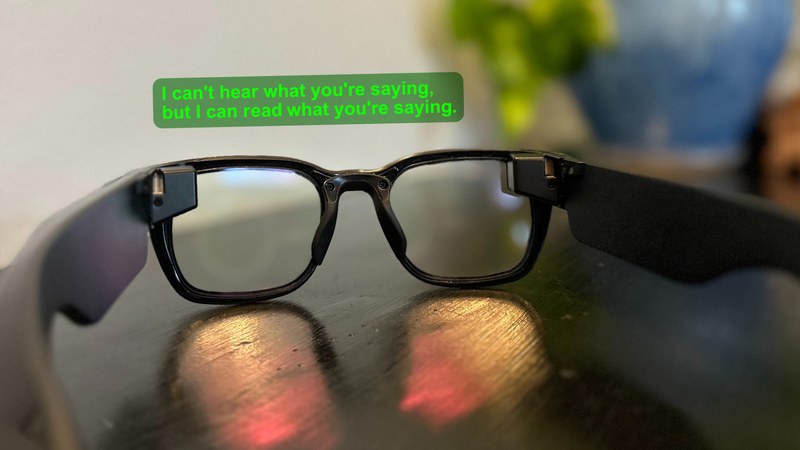
Xander
Xander builds XanderGlasses, standalone augmented-reality smart glasses that turn spoken conversation into real-time captions displayed in the wearer's field of view. Aimed at people with hearing loss who don't sign, the device runs speech-to-text offline - no phone, Wi-Fi, or cloud required - so private conversations stay private. An MIT Media Lab spinout founded by Alex and Marilyn Morgan Westner, Xander has been adopted by the U.S. Department of Veterans Affairs and is built on customized Vuzix Shield hardware.
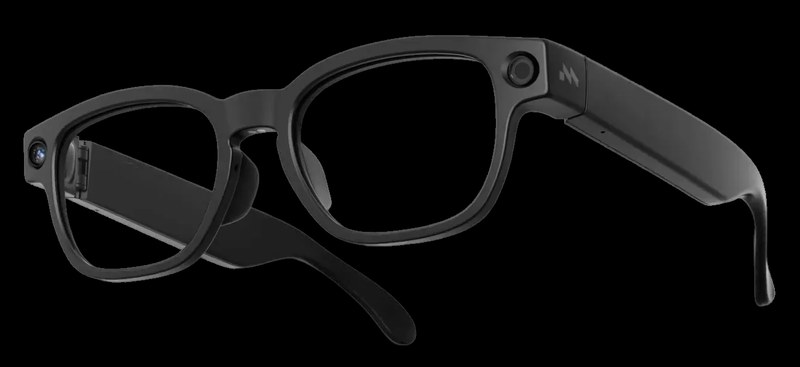
Mentra
Mentra is a San Francisco startup building MentraOS, an open-source operating system and app store for smart glasses, alongside Mentra Live, a 43-gram AI camera-glasses device. Founded in 2024 by MIT-dropout Cayden Pierce and Alex Israelov after they collaborated on the OpenSourceSmartGlasses project, Mentra wants to be the Android of smart glasses - a neutral software layer that lets developers ship apps and lets people actually use the hardware in the real world.

VITURE
VITURE builds XR glasses that look like sunglasses and act like a giant private screen. Plug them into a phone, console, Steam Deck, or laptop and a 150-plus-inch virtual display floats in front of you, with electrochromic tint, sharp micro-OLED panels, HARMAN audio, and AI-powered 2D-to-3D conversion. Founded in 2021 by ex-Google Glass engineer David Jiang, the company has become the leading name in the U.S. display-glasses market and has raised over $120M to expand from gamers into enterprise and productivity.
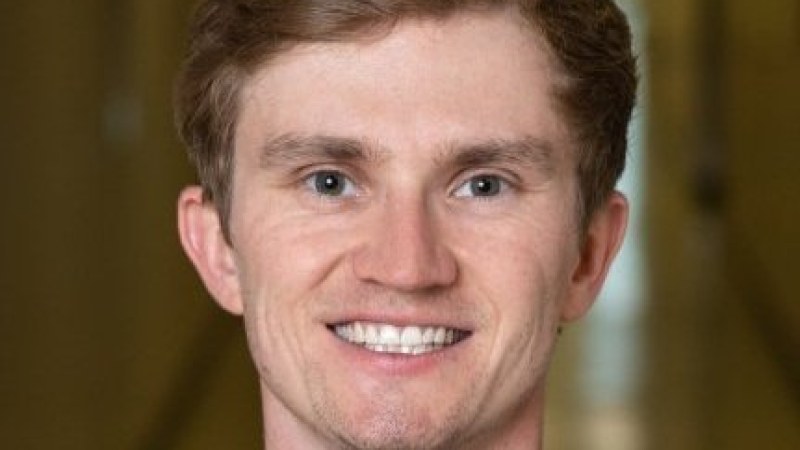
Tyler Hernandez
Tyler Hernandez is the CEO and co-founder of Tynt Technologies, a Boulder, Colorado deep-tech company commercializing Reversible Metal Electrodeposition (RME) - a patented platform that lets glass and plastic surfaces tint from crystal clear to full blackout in seconds, without continuous power. A co-inventor of the technology, he earned a chemistry PhD at Stanford under Professor Mike McGehee and was named to Forbes' 30 Under 30 in 2023. Tynt began chasing energy-saving smart windows, then pivoted in 2024 to lenses for AI-powered eyewear, drawing interest from Google, Meta, Apple and Samsung. Hernandez took the CEO seat in 2026 and is raising to deliver an AI-eyewear-ready lens.
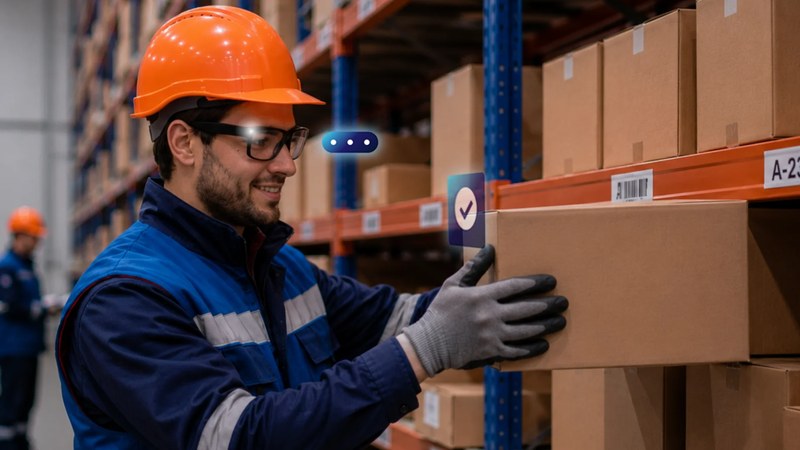
STRIVR
STRIVR is a Santa Clara workforce-performance company that began by putting Stanford quarterbacks in virtual reality and now puts AI on the factory floor. After pioneering enterprise VR training for Fortune 1000 giants like Walmart, Verizon and Bank of America, STRIVR has shifted from preparing people for work to guiding them inside the flow of work - building hands-free, smart-glasses AI that detects and corrects operational mistakes in real time and turns expert know-how into instant visual instructions.
Meta
Meta Platforms is the company behind Facebook, Instagram, WhatsApp, Messenger, and Threads - a Family of Apps used by more than 3 billion people daily. Founded as Facebook in 2004 and renamed Meta in 2021, it runs one of the world's largest digital advertising businesses while pouring tens of billions into artificial intelligence (the open-weight Llama models and Meta AI assistant) and wearable computing (Quest headsets and Ray-Ban Meta smart glasses). In 2025 it reported roughly $201 billion in revenue.
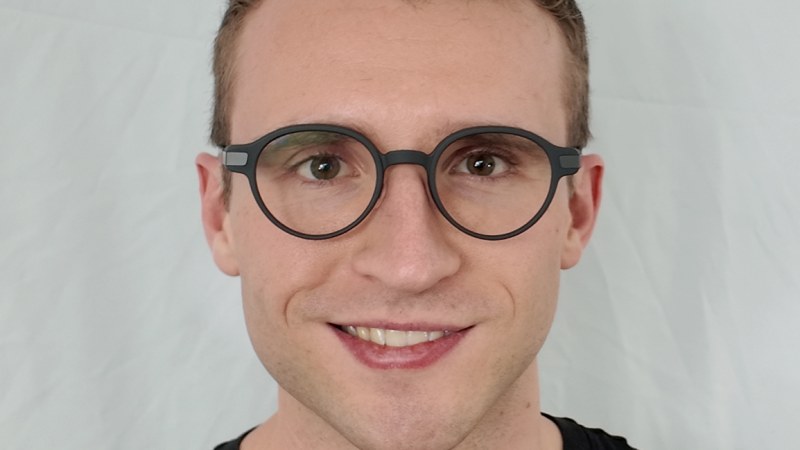
Cayden Pierce
Cayden Pierce is the CEO and co-founder of Mentra, a San Francisco startup building MentraOS - the open-source operating system for AI smart glasses. Described as 'the Android for smart glasses,' MentraOS lets developers write one app and deploy it across any pair of smart glasses. A self-described transhumanist hacker, Pierce built his first DIY smart glasses prototype in his dorm room, worked with smart glasses inventor Steve Mann at the University of Toronto, researched proactive AI wearable agents at MIT Media Lab under Pattie Maes, converted a 40-year-old RV into a mobile hacker lab, and dropped out of MIT in 2024 to launch Mentra. The company raised an $8 million seed round backed by the co-founders of Android, YouTube, and Pebble, plus Y Combinator, Amazon, and Toyota Ventures.
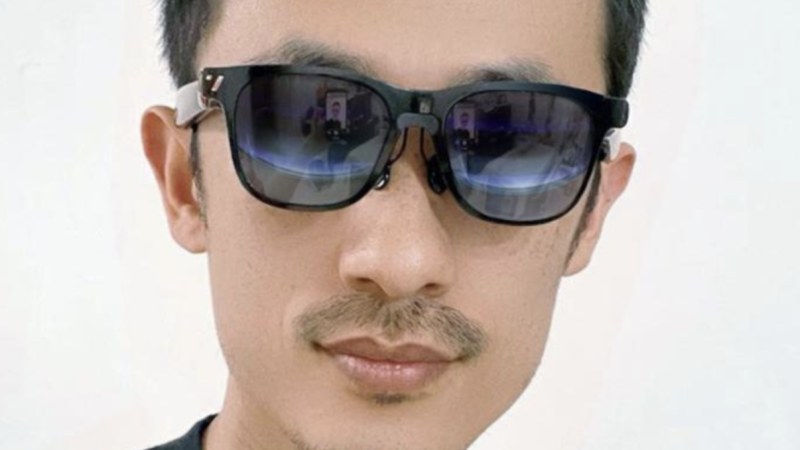
David Jiang
David Jiang (Gonglue Jiang) is the co-founder and CEO of VITURE, the XR glasses company that captured 52% of the U.S. smart glasses market in Q4 2024 and raised $100M in Series B funding in 2025. A Harvard-trained human-computer interaction designer who worked on Google Glass and led AR at Rokid, he founded VITURE in 2021 with a single conviction: that wearable screens would replace the smartphone as the primary entertainment and productivity interface. VITURE One raised $3.1M on Kickstarter in one month, surpassing Oculus's prior record, and VITURE Pro later outranked Meta Ray-Ban on Amazon.