small-business-lending
(19)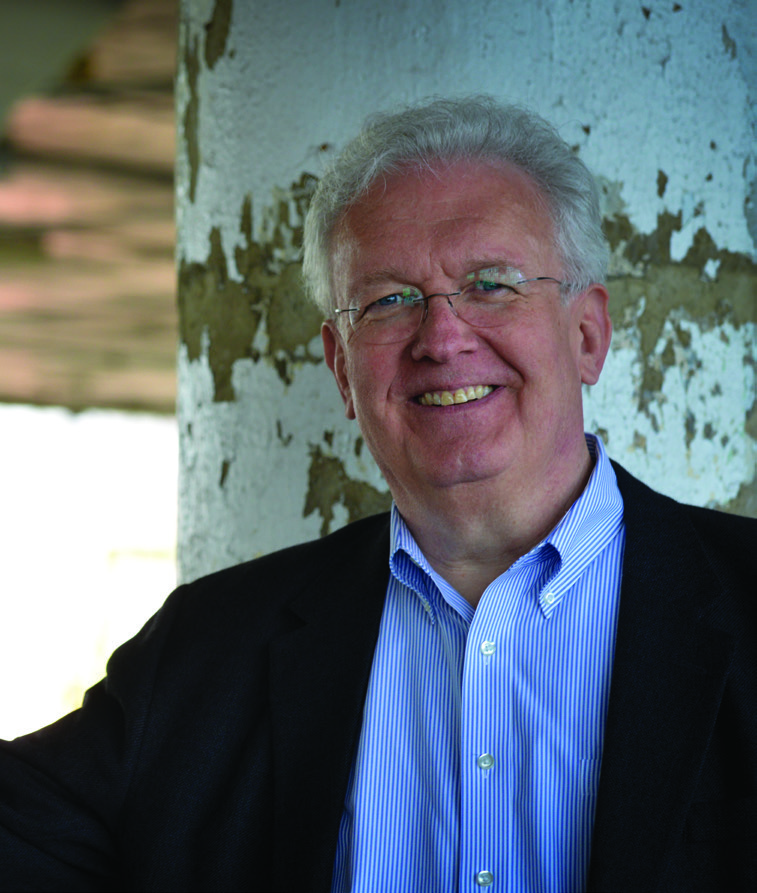
Mark Peterson and the money that stayed in the neighborhood
In 1990, Mark Peterson founded the community loan fund that became Bridgeway Capital. Over 29 years, his work carried him from financing neighborhood businesses to reopening a Homewood factory - and eventually to helping other leaders take their turn.

Lama AI wants your banker to stop chasing paperwork
Colony Bank cut 95 manual tasks to 32 with Lama AI. The larger wager: make small business loans worth the work, while leaving credit judgment with the people who know the borrower.
Amount sells banks a faster way to say yes
Born inside a consumer lender, Amount turned the machinery of borrowing into software for banks. Now part of FIS, its wager is that better banking begins before the account is even open.

The franchise loan that learned to travel
ApplePie Capital began by matching franchise loans with investors. Its more useful trick now is helping operators choose the kind of debt that lets the next store open without starving the last one.
Biz2X Turned a Lending Scar Into Software Banks Can Actually Use
Banks know small businesses want fast answers. Biz2X sells the less glamorous thing that makes those answers possible - a configurable lending stack built from years of watching loans move, stall and sometimes go bad.
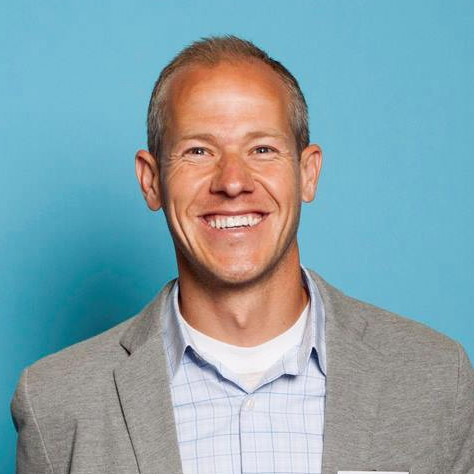
Brock Blake Bet the Company on the 98%
He took a $10 million business to zero on purpose, rebuilt it for Main Street, and learned that the smartest founder in the room is often the one willing to abandon the wrong answer.
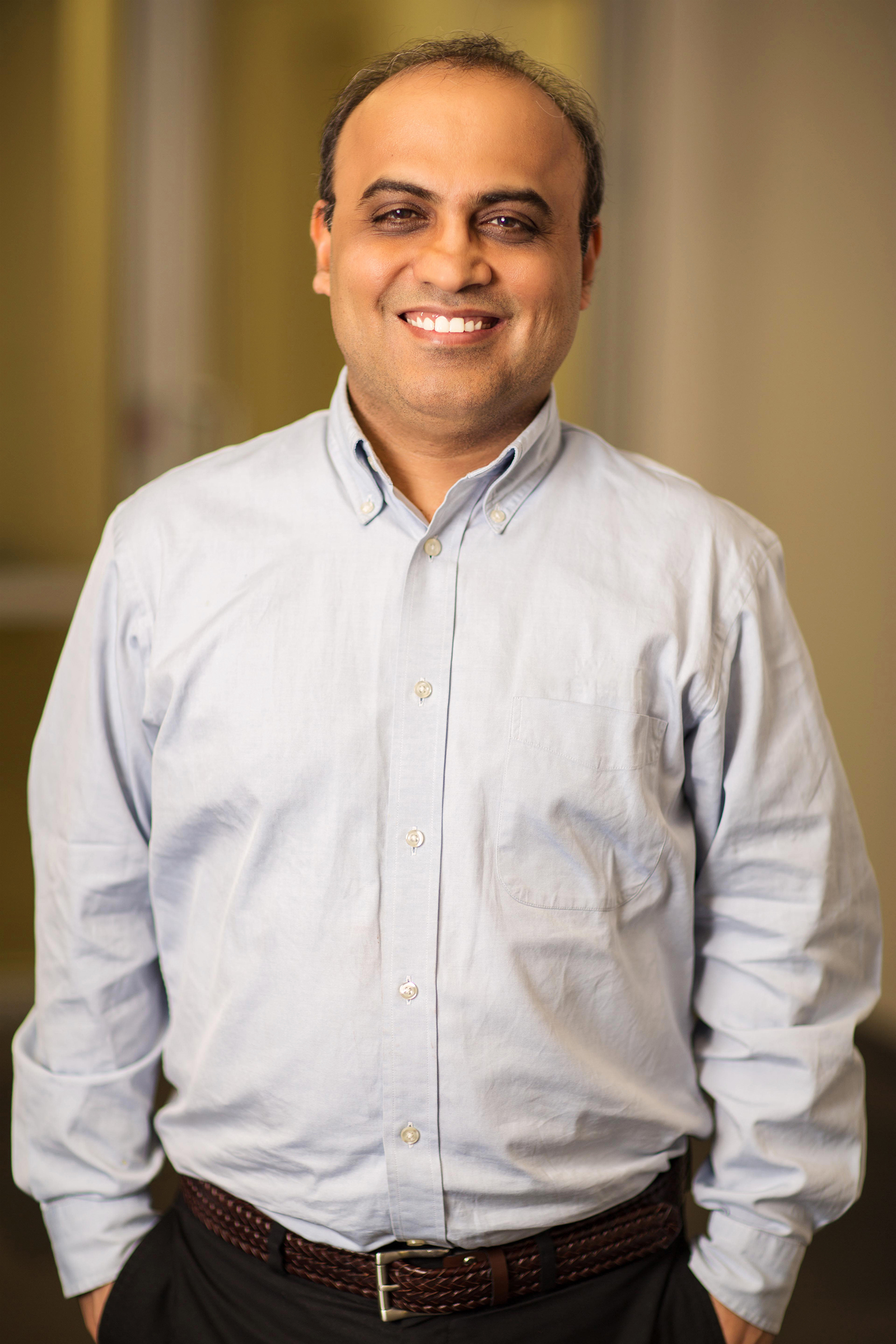
Rohit Arora Built a Lender for the Hours Banks Ignore
Nearly half of Biz2Credit's applicants arrive after business hours or on weekends. Rohit Arora built his career around that inconvenient fact - and the larger idea that a business deserves to be read in real time.

Justin Leto Left the Courtroom to Finance the Awkward Tuesday
A trial lawyer noticed that good businesses can still run short of time. From a borrowed conference room in Miami, he built a lender around the gap between an opportunity and the cash required to seize it.

Lukas Haffer Wants a Three-Day Business Loan. He Started With a Mini Cooper.
A risk-averse German banker, a competitive gamer and a freshly minted Stanford MBA drove straight from graduation to Y Combinator. Three years later, Lukas Haffer is trying to make a 90-day loan feel almost ordinary in three.

Purpose Unlimited Built a $30 Billion Finance Machine by Fixing the Awkward Parts
Som Seif's Toronto firm turned unglamorous financial friction into ETFs, advisor software, business loans and retirement income - then crossed $30 billion in platform assets. The interesting product is the method behind the products.

Biz2Credit Put the Bank in a Browser. Then Speed Became Its Most Expensive Promise.
The Arora brothers turned a small-business credit gap into a two-sided fintech: funding for owners, lending software for banks, and a data loop connecting both. The useful lesson is not simply to move faster - it is to make sure operations can cash every promise marketing writes.

The $1 Billion Credit Line Built for the Messy Middle of Business
Idea Financial found a large business hiding between a paid invoice and the next payroll. Its answer is revolving credit, quick underwriting and enough human judgment to make software feel less like a verdict.
Atlantic Union Bank
Atlantic Union Bank grew from a $2,500 rural institution into a $38.1 billion Mid-Atlantic franchise. Its wager is that scale and local judgment can still share the same balance sheet.

Kelly Jordan
A finance-trained operator moved closer to the customer - and built a marketing career around the discipline of listening, measuring and adapting.

Enova International
Enova built a multibillion-dollar lending business by treating credit decisions as a software problem. Now the Chicago fintech is preparing to add something decidedly old-school to the machine: a bank charter.
Pideaky
Pideaky is a Monterrey-based fintech that helps offline Latin American small businesses - mostly Mexico's corner shops (tienditas) and their suppliers - manage and accelerate cash flow. It uses AI and computer vision to turn photos and videos of a shop's inventory into a credit score, then extends inventory-based financing alongside automated collection, payment and reconciliation tools. The company was part of Y Combinator's Summer 2021 batch.

Exponent
Exponent is a New York-based fintech building a financial operating system for America's franchise operators. It combines expansion and acquisition lending, a franchise-focused corporate charge card, and an AI-powered accounting suite so multi-unit operators - the people running dozens of Burger Kings, Dunkins, or Wendy's - can get capital faster and see real-time financials without waiting for month-end reports. Founded in 2023 and led by former Visa and Stripe executive Sohel Roopani, Exponent serves 100+ operators representing over 10,000 locations and raised $40M in equity and credit in 2026.

Jacqueline Reses
Jacqueline 'Jackie' Reses is the Chair and CEO of Lead Bank, a Kansas City-based chartered bank she acquired in 2022 and transformed into a banking-as-a-service powerhouse serving fintech builders. Previously, she built Square Capital from zero into a multi-billion dollar lending business at Square (now Block), served as a board member at Alibaba through its historic 2014 IPO, led 41 transactions as Yahoo's Chief Development Officer, and spent seven years at Goldman Sachs in M&A. A Wharton-trained economist from Atlantic City, she co-authored 'Self-Made Boss' and holds patents in payments, credit, and cryptocurrency. Lead Bank closed a $70M Series B in September 2025 at a $1.47B valuation backed by a16z, Ribbit Capital, Coatue, and Khosla Ventures.
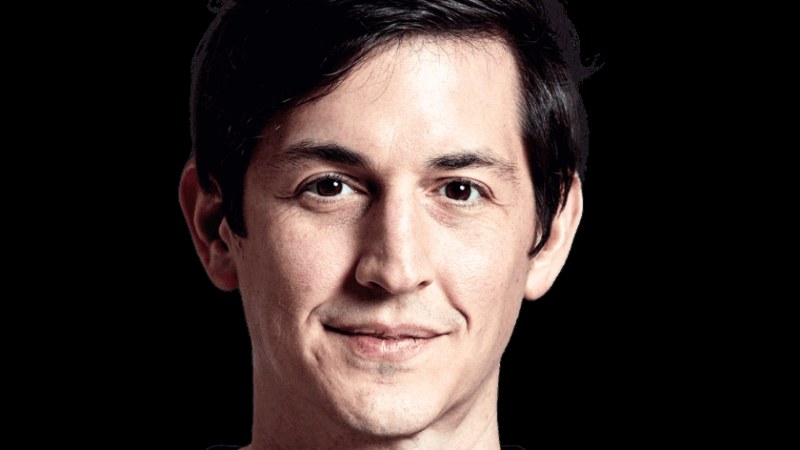
David Haber
David Haber is a General Partner at Andreessen Horowitz (a16z), based in New York City - the firm's first full-time GP in Manhattan. A Harvard-trained biochemist turned fintech operator-investor, Haber founded Bond Street (acquired by Goldman Sachs in 2017), seeded Plaid at Spark Capital, and now co-leads a16z's AI Apps fund with a focus on vertical AI, enterprise software, and financial services. Known as the 'super-connector' who bridges Wall Street and Silicon Valley, he sits on the boards of Camber, Crux, Eve, Moment, Rutter, Setpoint, and Tennr.