salt-lake-city
(30)
Jeff Berkson and the bank between paydays
After nearly a decade leading risk at WebBank, Jeff Berkson joined Flex to help organize a bank around the awkward gap between payday and rent day. His proposed next job puts a career in analytics, technology and oversight in charge of a very ordinary monthly problem.

Dave Smith and the Art of Reading a Room
He joined Penna Powers as an intern in 1993. Three decades later, its partner and CEO is still working out how to reach an audience - in an agency, at a public meeting and on a basketball court.

David Parkinson and the advantage of having been the client
Before he co-founded Method Communications, David Parkinson knew what it felt like to hire an agency and be disappointed. His answer began in Salt Lake City and grew through writing, relationships, and partnerships across borders.

Dallen Allred Bet the Future of Therapy on Removing the Friction
Two startups taught Dallen Allred the same lesson: access is rarely one big locked door. It is a corridor of small inconveniences - and his career has been spent trying to remove them.
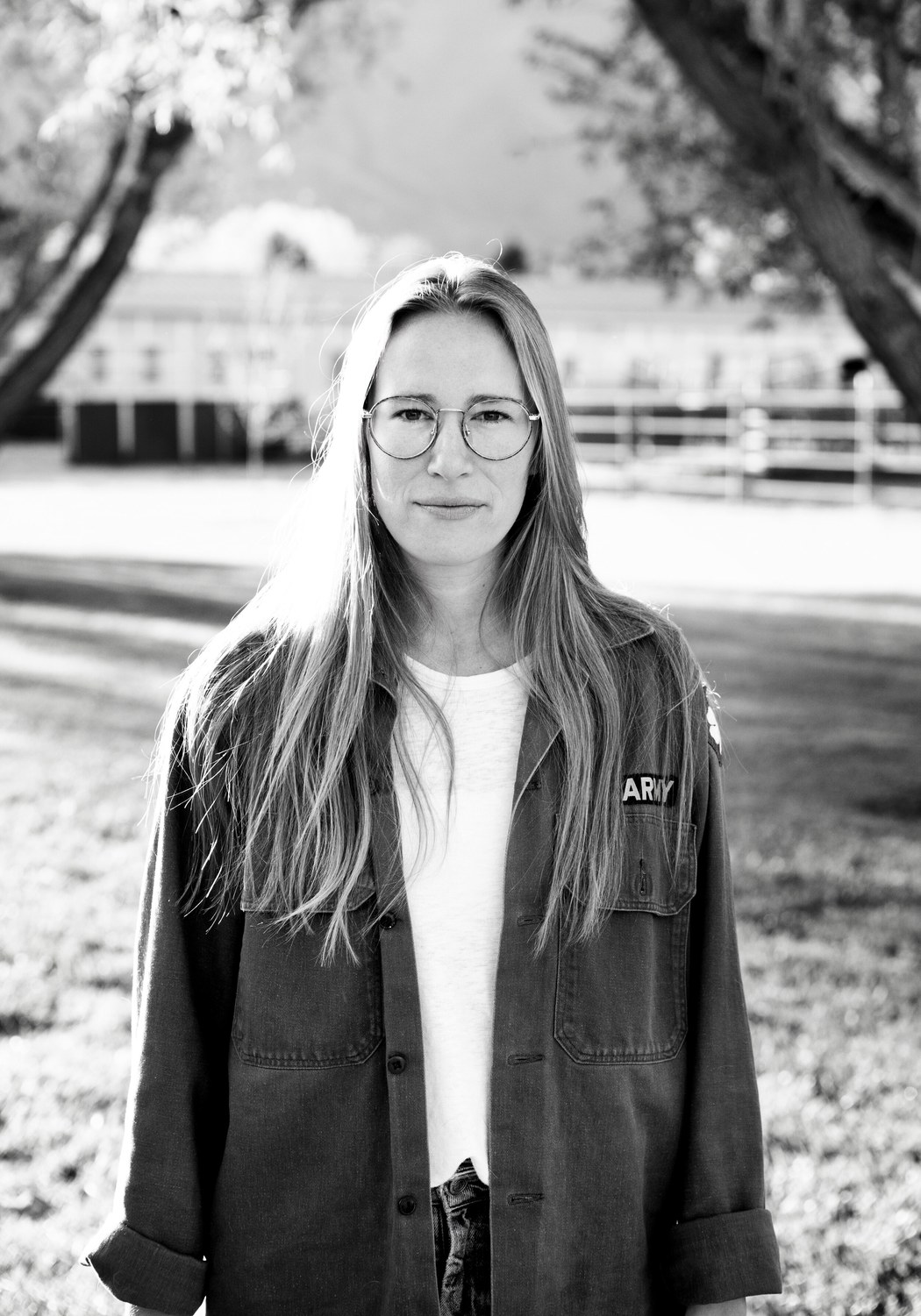
Anne Armistead and the Quiet Art of Doing the Small Things
At Workstream, Anne Armistead works in the measured language of account development. Away from the sales floor, a guitar, a Utah ranch and a preference for overlooked work reveal the more interesting rhythm underneath.
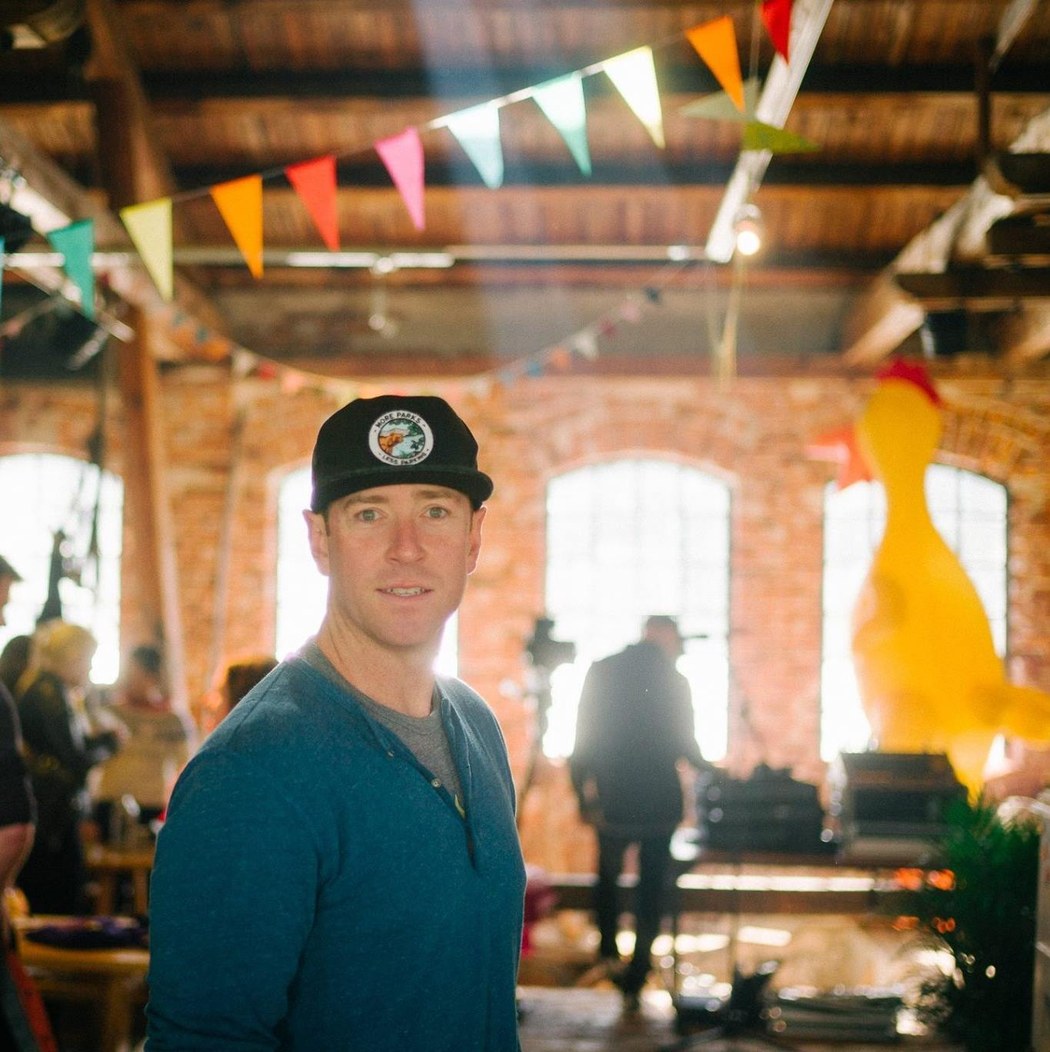
Brandon Brock Has Been Recruiting People Into Rooms His Whole Career
Before he recruited teams for healthcare AI, Brandon Brock built apps, backed restaurants, produced a sailing film and opened a wine bar. The through-line is not an industry. It is his instinct for getting interesting people into the same room.

Menley Stewart and the Art of Listening for What Others Miss
Before software, Stewart helped measure launch noise, jet crackle and small explosions. Her route from acoustics labs to regulated enterprise systems is a study in finding signal inside difficult noise.

Jon Auxier and the Second Charter
He helped turn SoFi into a bank. Now Jon Auxier is doing the quieter, harder sequel at Mercury: translating software ambition into an institution regulators will allow to open its doors.

Ethan Noonan Learned to Hold the Blue Line. Now He Is Selling Speed.
Before he joined Corgi's founding go-to-market team, Ethan Noonan spent years reading pressure from the blue line. His route from youth hockey to startup insurance is a study in repetition, reinvention, and knowing when to make the pass.

Jason Lyman Wants Martech to Earn Your Attention
The Customer.io CMO built his career on measurement, trade-offs, and customer evidence. Then he set out to make marketing software feel worth noticing again.

Rick Galán Built a Career Measuring What Matters. Now He Gets to Choose What Matters Next.
From search dashboards to fintech scale, Galán has spent two decades turning noisy systems into useful decisions. After six years across Divvy and BILL, his newest project is an unusually honest one: deciding what deserves his attention next.

Four IPOs, One Rhino, and a Better Case for an Accessible Web
After two decades measuring clicks, building products, and scaling digital businesses, Chad Sollis is applying an operator's eye to a stubborn problem: the web still turns away too many of the people it was built to serve.

John Vecchi Has Been Selling the Next Security Problem for 25 Years
From McAfee and Check Point to cloud, IoT and AI-era defense, the Salt Lake City executive has made a career of translating each new attack surface before the market learns its vocabulary.

Mindi Cox Built a Career by Looking Up From the Job
For nearly three decades at O.C. Tanner, she has treated culture less like a slogan and more like a daily operating system - built from open doors, specific gratitude, and the courage to let people do more than their job descriptions.

Parker Ence Wants AI to Take the Notes - So Advisors Can Stay in the Room
A guitar teacher turned four-time tech CEO found his next company hiding in the least glamorous hour of a financial advisor's day: the paperwork after a good conversation.

Leon Chaddock Kept Following the Customer Message
Before every brand wanted an AI assistant, Leon Chaddock was trying to make a tweet behave like a support ticket. His career is a lesson in staying with one stubborn problem while the channels, labels and technology around it keep changing.

Daryl Hancock Spent 25 Years Making Invisible Risks Visible
Before RMEC joined a global compliance group, it began with four partners, a handful of clients and one founder working full-time. Daryl Hancock turned that unglamorous beginning into a 25-year study in making risk legible.
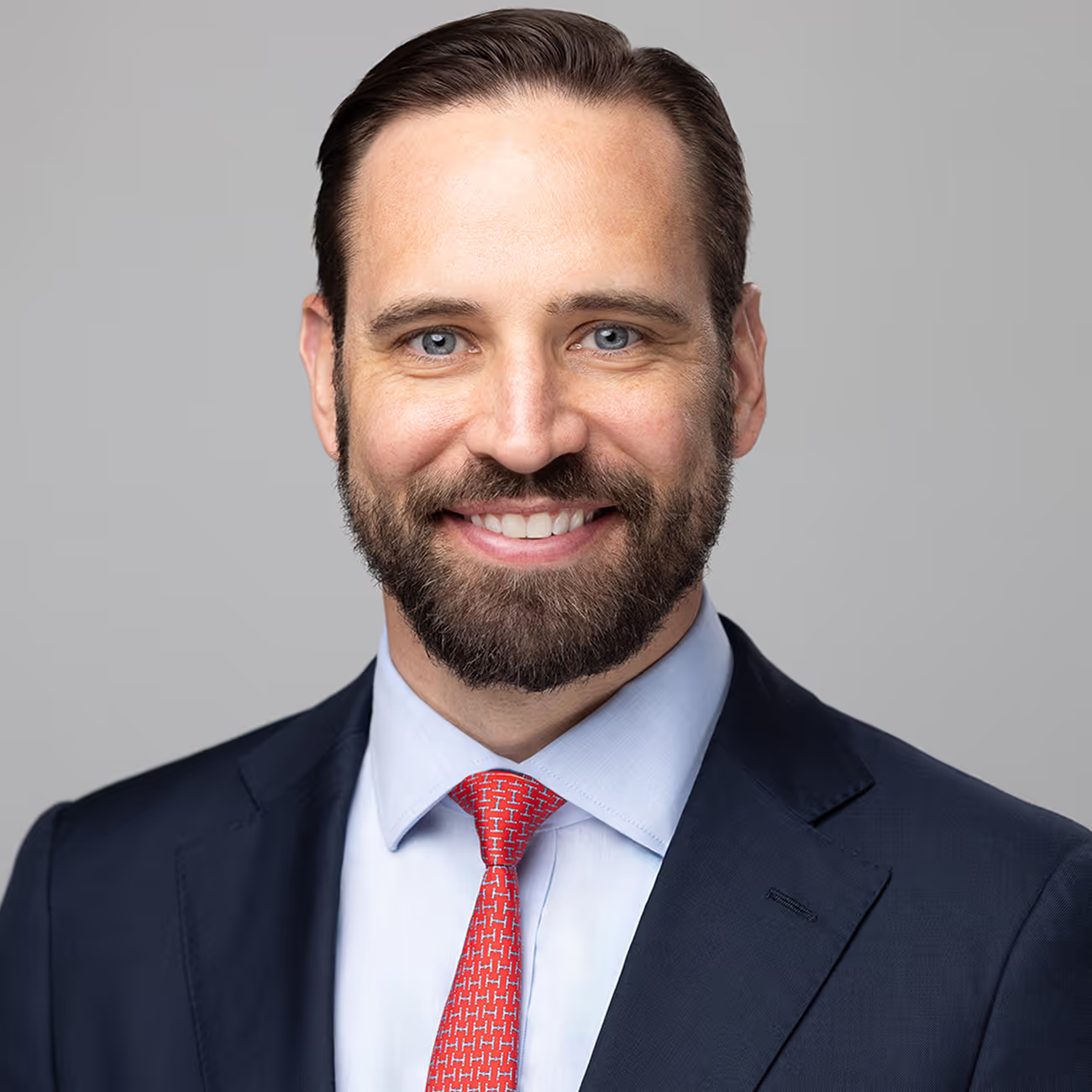
Andy Yakulis Left an Army Pension to Put Yesterday’s Weapons on Notice
After 18 years in uniform, the special operations veteran chose a startup over a near-certain military retirement. At Vector, he is betting that drones, doctrine and training must learn on the same clock.

Rajeshkumar Ganesan Spent 25 Years Learning the Work - Then Built Software to Do It
After a career that ran from code to telecom architecture to RPA program management, the Automatiga founder packaged the entire automation lifecycle into one product. Its 2026 acquisition by qBotica turned a patient operator's accumulated lessons into the next chapter of an agent-first platform.

Morgan Davis Put the Store Floor on Trial
The former consultant and venture investor built MarketDial to give brick-and-mortar retailers a cheaper question: what if we tested the idea before betting every store on it?

Tom Boyden Is Building a Cybersecurity Company Around the People Behind the Screens
A former intelligence officer turned founder, Boyden has spent his career learning that security depends less on collecting more tools than on giving capable people the context to act.
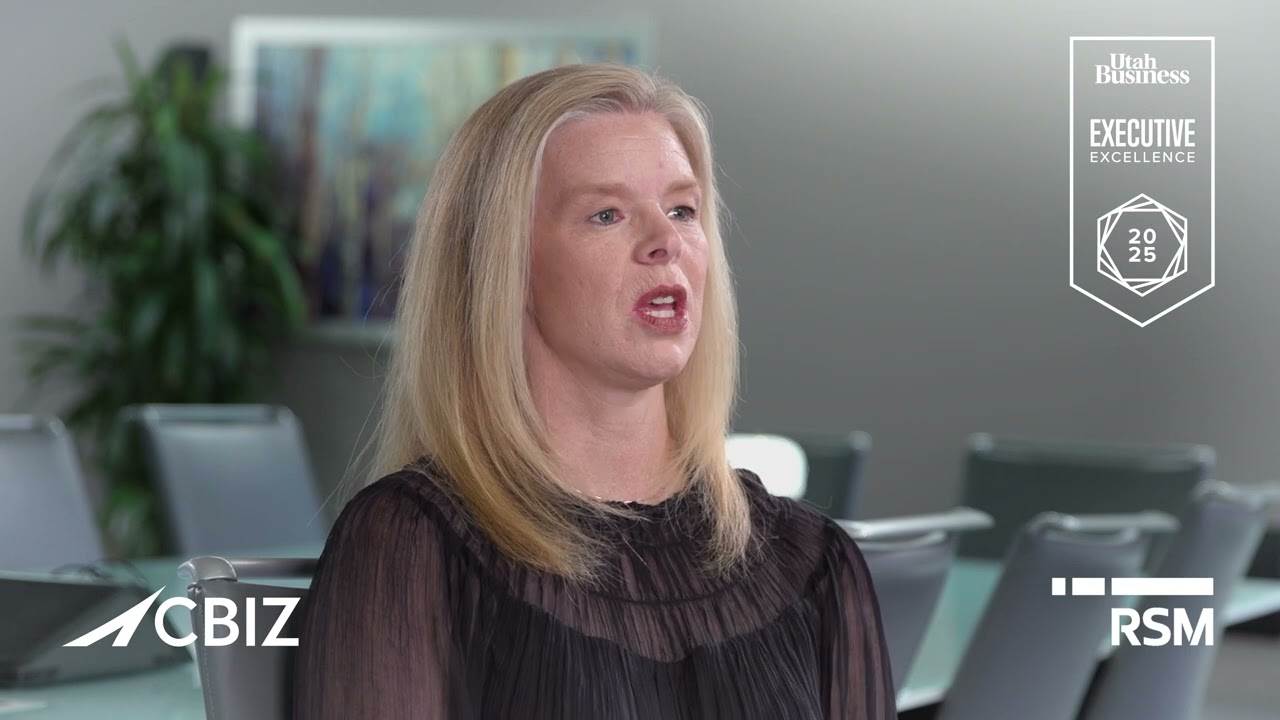
Dayna Hathaway
She started at Extra Space Storage buying Yellow Pages ads. Twenty-six years later she runs marketing for the biggest self-storage company in the country.
Knut Eliassen
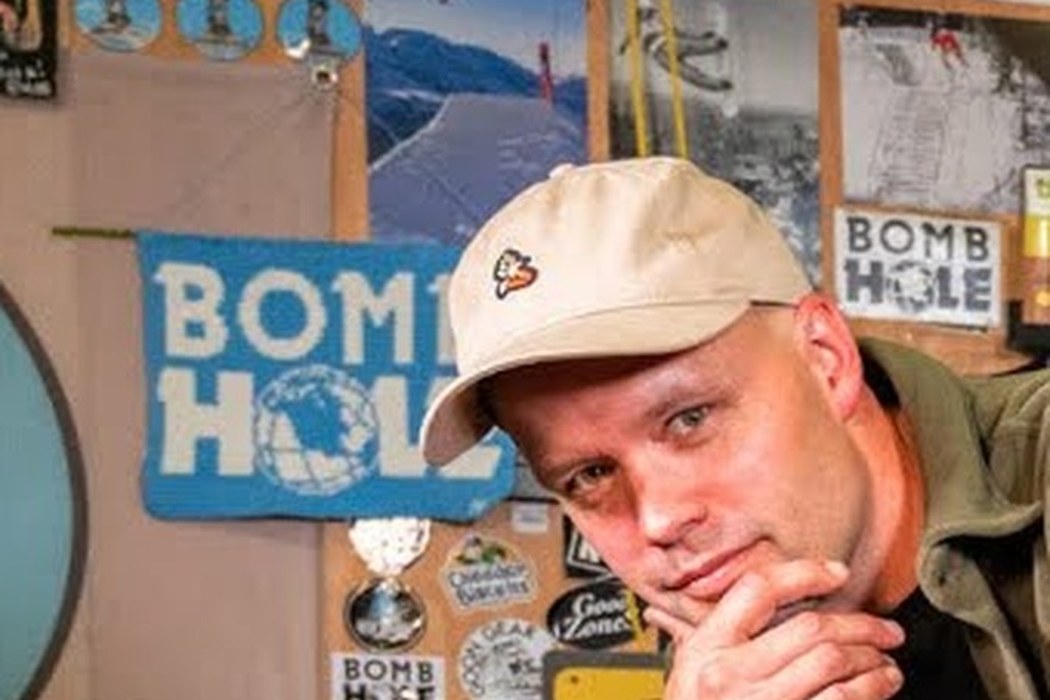
Knut Eliassen is a Norwegian-American snowboarder turned marketing executive who serves as Chief Marketing Officer at Nitro Snowboards. Born in Minneapolis to a Norwegian father and a Minnesotan mother, he won a USASA national boardercross title at 15, moved to Norway at 16, and rode professionally for Nitro while completing a business degree at Handelshoyskolen BI. He joined Nitro in 2005 as a rider and rep, became the brand's global team manager, and worked his way up through sports marketing, marketing director, and VP of global marketing roles before being named CMO in 2025. Based in Salt Lake City, he oversees brand, media, social, video, and team departments for Nitro and L1 Outerwear, has produced and appeared in snowboard films including Hyped!, Boom, The Bad Seeds, and the documentary 28 Winters, and hosts Nitro's ten-part Learn To Snowboard tutorial series. His stated goal is simple: get more people onto snowboards.

Jennie Moser
Jennie Moser is the founder and CEO of Stagetime, a networking and portfolio platform built for performing arts professionals. A coloratura soprano trained at Northwestern and Indiana University's Jacobs School of Music, she spent years running Jennie Moser Design, building hundreds of websites for artists before turning that insight into a venture-backed company. Stagetime lets singers, instrumentalists, agents and composers build multimedia profiles, showcase performance video and audio, and connect with opportunities without maintaining separate websites. Moser has raised roughly $1.5 million in seed funding from investors including Hyde Park Angels, M25, Elevate Ventures and the IU Angel Network, reframing the messy gig economy of the arts in terms venture capitalists could understand.

Josh Whisenant
Josh Whisenant is the co-founder and CEO of Roger (tryroger.com), a Salt Lake City construction-tech startup building an AI workspace that helps project managers catch scope gaps in drawings, generate scopes, find subcontractors, and stay coordinated. A Stanford engineer turned construction operator turned founder, he raised a $3.2M seed in 2022 led by Resolute Ventures and has spent the years since publicly wrestling with how hard - and how necessary - it is to drag construction operations into the AI era.
Preston Hopkin
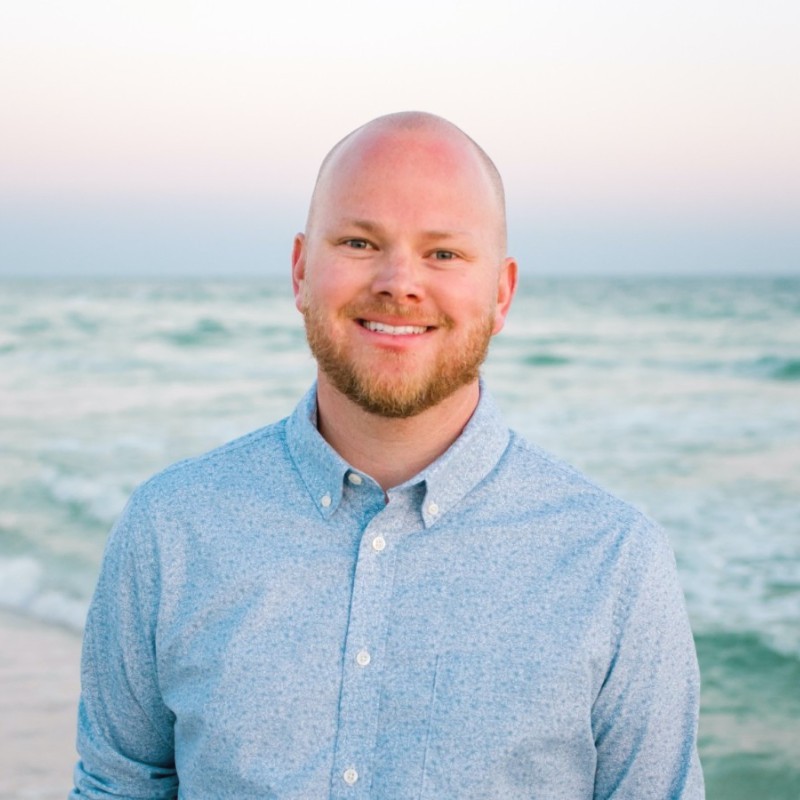
Preston Hopkin is an enterprise sales leader at Adobe, currently serving as AVP of Enterprise Sales for Adobe's Content Supply Chain practice. Based in Salt Lake City, Utah, he has built his career bridging financial services and enterprise software — progressing from business banking at Wells Fargo to leading global sales teams across Latin America and Asia-Pacific at Workfront before its acquisition by Adobe. Today he drives client growth for Adobe's AI-powered content operations platform, helping large organizations orchestrate the end-to-end lifecycle of marketing content at scale.

Carl Hoiland
Carl Hoiland is the co-founder and CEO of Zanskar, the Salt Lake City company using AI foundation models to find hidden geothermal reservoirs across the American West. A Stanford-trained exploration geologist whose grandfather prospected for uranium and gold, Hoiland built Zanskar on a contrarian bet: that the United States has overlooked geothermal potential by an order of magnitude, possibly a full terawatt of clean baseload power waiting underground with no hot springs or geysers to mark it. In 2025 his team confirmed 'Big Blind,' the first commercially viable blind geothermal system discovered by industry in over 30 years, and in January 2026 Zanskar raised a $115 million Series C to start building power plants.
Joshua Christensen
Joshua Christensen is the AVP of Customer Growth at Adobe, based in Salt Lake City, Utah. With a career spanning nearly two decades in enterprise software sales and business development, he has grown from frontline sales roles at companies like Workfront to senior leadership at one of the world's largest digital media and marketing technology companies. He holds an MBA from Westminster College and a BASc from the University of Utah, combining formal business education with deep SaaS industry expertise. Colleagues describe him as a results-driven leader who genuinely invests in developing the people around him.
Alex Mauricio
Alex Mauricio is the President and CEO of Bristol Hospice, one of the largest and fastest-growing hospice organizations in the United States, spanning approximately 80 locations across 25 states. With 20+ years in healthcare and 13+ years in hospice, Mauricio rose through the ranks from home care roots to leading a $214M-funded organization of ~2,500 employees. He became CEO in February 2023, succeeding founder Hyrum Kirton, and has since driven aggressive acquisition-led expansion while championing specialty programs including pediatric hospice, COPD-focused care, and palliative services.
Brent Dover
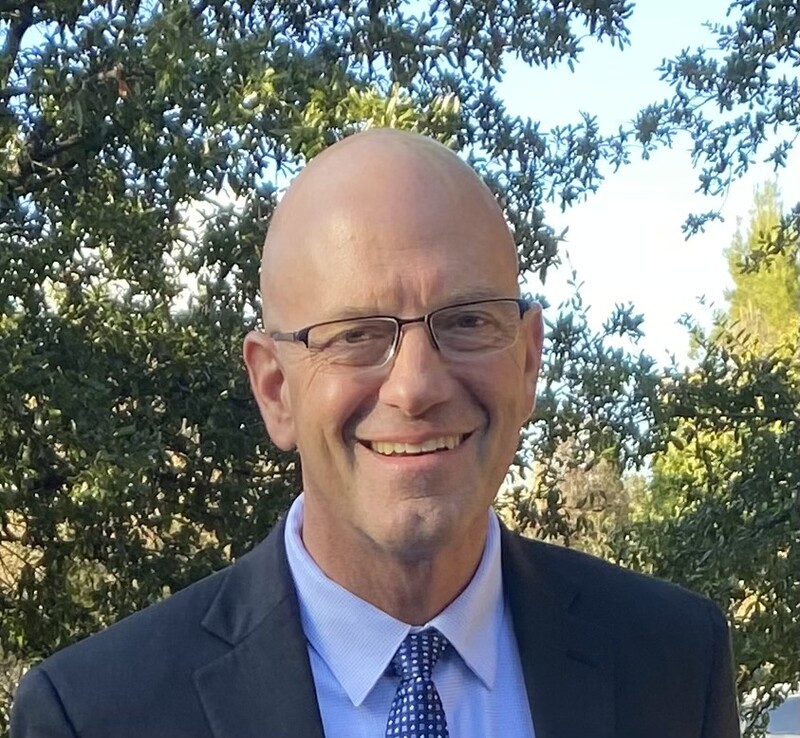
Brent Dover is the CEO of Carta Healthcare, an AI-powered clinical data management platform that serves hospitals and health systems nationwide using a 'Hybrid Intelligence' model combining AI with human expert abstractors. With over 20 years of healthcare technology leadership, Dover has presided over company-defining exits and growth events - including leading Medicity to a $500M acquisition by Aetna generating 16x investor returns, scaling Health Catalyst toward a NASDAQ IPO, and growing Commure to a $3.5B valuation. He joined Carta Healthcare in December 2023 and has since driven 2x revenue growth, 100% customer retention, and a $18.25M Series B1 round led by UPMC Enterprises.