saas-founder
(253)
When the Room Went Dark, Eran Ben-Shushan Rebuilt the Stage
The Bizzabo co-founder spent a decade teaching software to understand a crowded room. Then every room emptied, and his company had two weeks to learn an entirely new language.
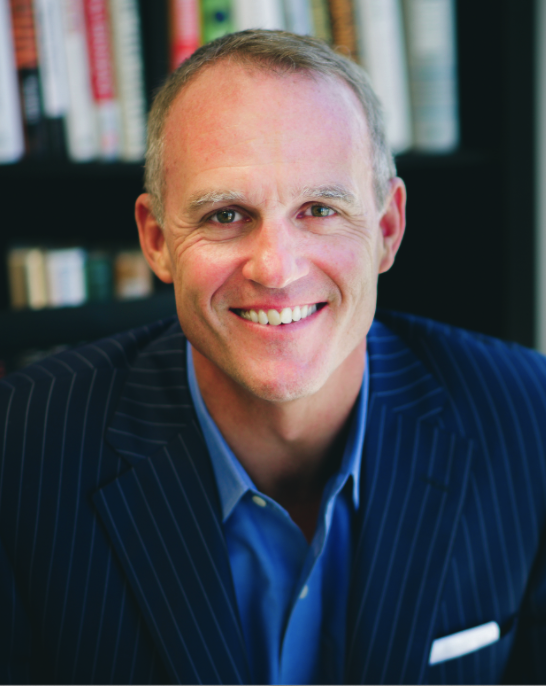
Mark Abbott and the Long Education of a Company Builder
He spent decades studying why companies lose their way, then built software to keep them aligned. The harder lesson came when his own fast-growing company tested every framework he believed in.

Prasanna Sankar Keeps Choosing the Hard Problem
The coder behind a campus sensation and a $16.8 billion software company has returned to the keyboard. His career is a study in speed, collapse, recovery and the stubborn appeal of starting over.

Avi Goren and the Restaurant That Begins Before the Door
He learned restaurant discovery from a neon sign, garlic knots and the Yellow Pages. Now the Marqii co-founder is trying to make thousands of restaurants legible to search engines, review sites and AI without misplacing the human welcome.

Oleg Shardin Put a Whiteboard on the Internet. Then He Went Looking for a Story.
Before remote work made the digital canvas feel inevitable, Shardin helped build one from a practical annoyance in Perm. His second act trades sticky notes for screenplays, while keeping the same fascination with how people understand one another.

Andrey Khusid Put the Whiteboard in a Browser. Then the World Caught Up.
A boy who rehearsed newspaper pitches at a tram stop built an infinite canvas for more than 100 million people. Fifteen years later, his neatest diagram has become his hardest decision.

Gregory Galant Was Early to Everything - Then Learned to Wait
Before podcasts had an app and tweets had awards, Gregory Galant was already building around them. His most revealing achievement, though, took 13 years of profitable patience.

Jonathan Ronzio Has Never Seen a Lane He Couldn't Turn Into a Life
The Trainual co-founder has built his career by refusing the tidy choice between operator and artist, mountain and meeting, systems and surprise. His secret is not balance. It is combination.

When the Calendar Went Blank, Alon Alroy Rebuilt the Room
A thousand cancellations landed in two weeks. The company had no virtual-events product. Alon Alroy's response was to stage a gathering anyway - and turn Bizzabo's worst month into its defining lesson.

Grace Wang Is Building the Editing Room That Never Sleeps
A finance graduate and former ByteDance growth operator saw creators drowning in post-production. At OpusClip, Grace Wang turned that bottleneck into a distribution engine used by millions.

Pouyan Salehi Learned Startups Behind a Pizza Counter. Now He Is Teaching Sales Software to Remember.
Before the MBA, Apple and four startups, there was a struggling Domino’s franchise in Minnesota. The lessons from that counter still shape Salehi’s campaign against busywork - and his new bet on giving AI the context it lacks.

Franco Giaquinto Bet on Construction's Most Boring Problem - and Kept Building
He began with a failed reputation app, learned construction from the jobsite up, and survived a pandemic pivot across continents. Now Franco Giaquinto is betting that the future of building belongs to software ordinary crews can actually use.

Navneet Loiwal Keeps Betting on the Software Everyone Already Has Open
From an international physics medal to Google Finance, a shopping-app exit and now Coefficient, Navneet Loiwal has built a career around a quiet idea: the best interface is often the one people already know.
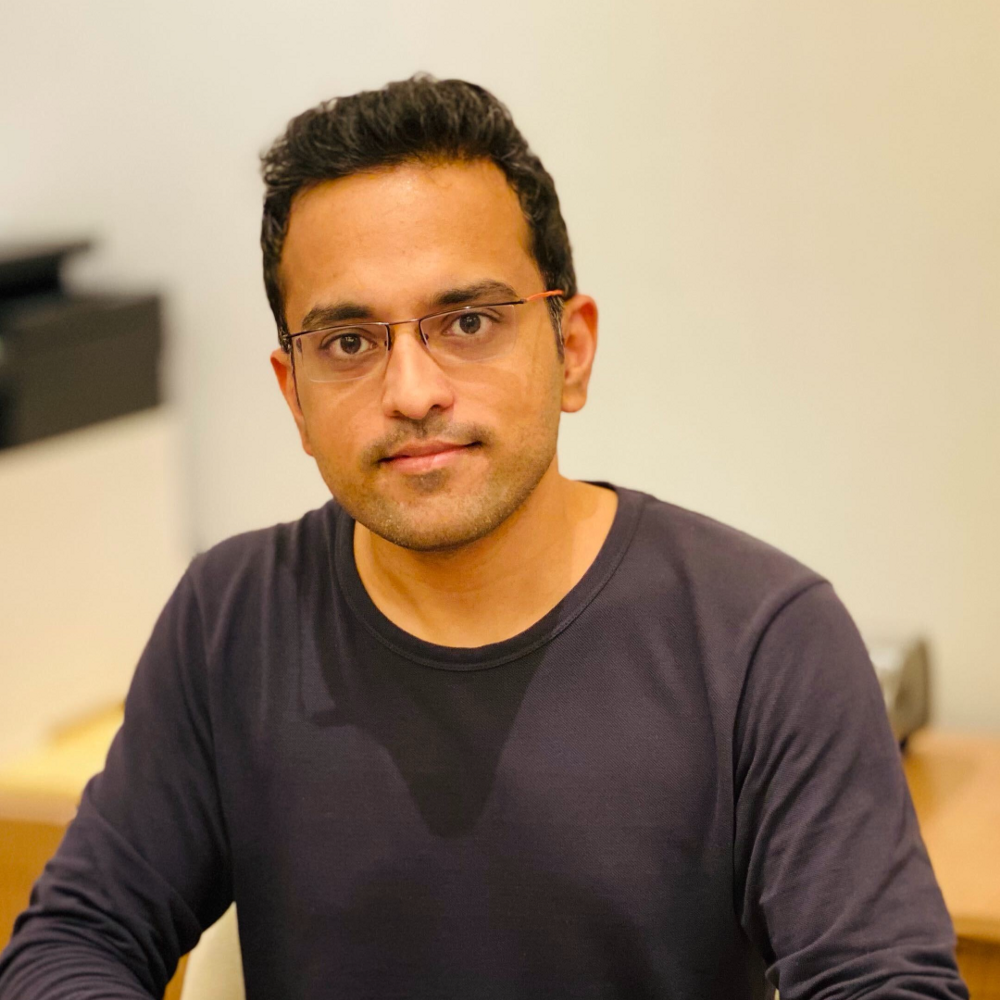
Gaurav Singh Spent a Decade Teaching Machines to Answer the Phone
A government-school programmer from Rewa built a chatbot company before chatbots were fashionable, survived three technology waves, and found his next act inside Nurix AI.

Jennifer Kyle Put the Clinical Trial Spreadsheet on Notice
She planned on the CFO corner office. Then a stubborn workbook kept following her from biotech to biotech - and became the blueprint for Condor.

Lalit Mangal Is Building the Room After the Room Disappeared
Before virtual events became compulsory, Lalit Mangal was already bothered by who could not enter the room. Airmeet is his second attempt to turn an everyday exclusion into software - and his clearest argument that proximity is a design problem.

Drew Sechrist Bet His Career on One Cold Email - Then Built a Company to Make Sales Warmer
A cold email put him inside Salesforce before it had paying customers. Twenty-seven years later, Drew Sechrist is still proving that the shortest route through business is usually a trusted human being.

Ken Yeung Bet the Company on a Simpler Conversation
A former trading-platform engineer learned that sophisticated technology can still be the wrong answer. Wati grew when Ken Yeung and Bianca Ho traded long bank sales cycles for a tool small businesses could understand, buy and use.

Enoch Ko Learned to Speak in Code. Now He Is Teaching Tax Season to Do Its Own Chores.
A childhood spent changing countries taught Enoch Ko to adapt. A TI-84 taught him to build. Then one startling tax bill led him into the least glamorous corner of accounting - and a company designed to make it run quietly.

Kris Rudeegraap Put a Dog Toy Where Another Sales Email Would Have Been
A bark on a sales call became a dog toy, then a product, then a company. Sendoso's co-founder has spent a decade turning small observations into a system for earning attention.

Mike Yan Put a Tiny Telegram Bot in the Path of a Very Big Habit
The Manychat co-founder began with psychology, card tricks and a bare-bones Telegram script. A decade later, he is betting that the next interface for business will feel less like software and more like a useful conversation.
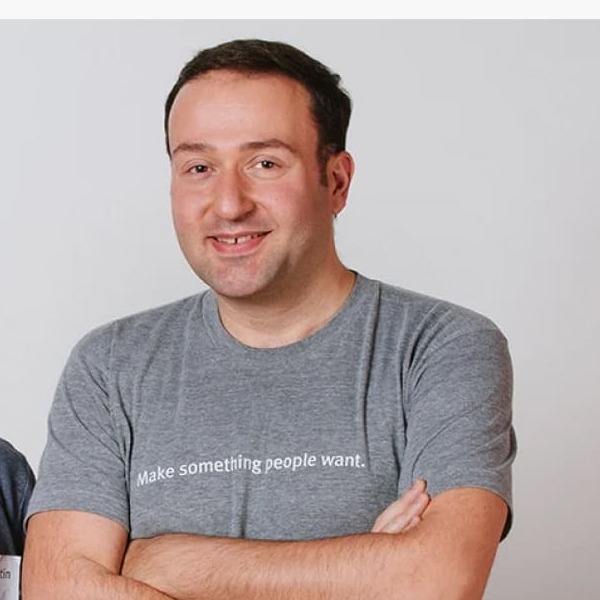
Levon Brutyan Is Teaching the Medical Bill to Behave
A lawyer, operator and would-be rock singer walked into the least glamorous corner of American finance. A decade later, his company is trying to replace billing friction with clarity, timing and a little software empathy.

Henson Tsai Bet Everything on the Wrong App - Then Learned to Listen
A failed food app emptied his savings. A hotel pitch went nowhere. Henson Tsai kept the two engineers, changed the customer in a day, and built SleekFlow by treating rejection as data.
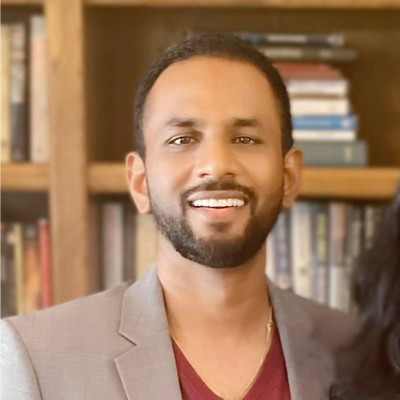
Krishna Dunthoori Built a Career Around the Last Mile of Software
He cleaned snow from German train platforms before dawn, learned enterprise software from the inside, and turned one stubborn question into two companies: why do expensive tools so often fail the people using them?
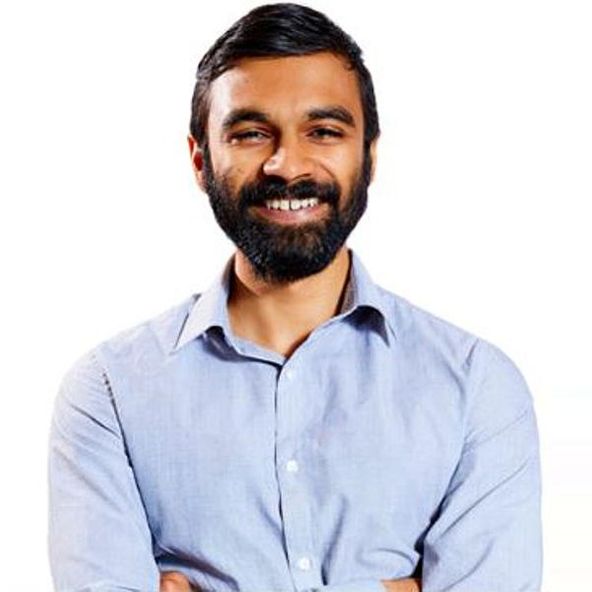
Jay Madheswaran Put AI on the Plaintiff's Side of the Table
He learned speed at Facebook, company-building at Rubrik and pattern recognition at Lightspeed. At Eve, Jay Madheswaran is betting those lessons can give plaintiff lawyers more time for judgment - and less paperwork to drag behind them.

Nitesh Goel Built a Wall. Teachers Turned It Into a World.
A student project, a surprise bandwidth bill and one stubbornly simple idea became Padlet - the visual canvas now used by 40 million people around the world.

Max Rudman Keeps Fixing the Software Behind the Sale
He built SteelBrick into Salesforce CPQ, then returned to the deployment problem hiding underneath it. The useful lesson is not the exit - it is Rudman's habit of narrowing the problem until an engineer can actually ship the answer.
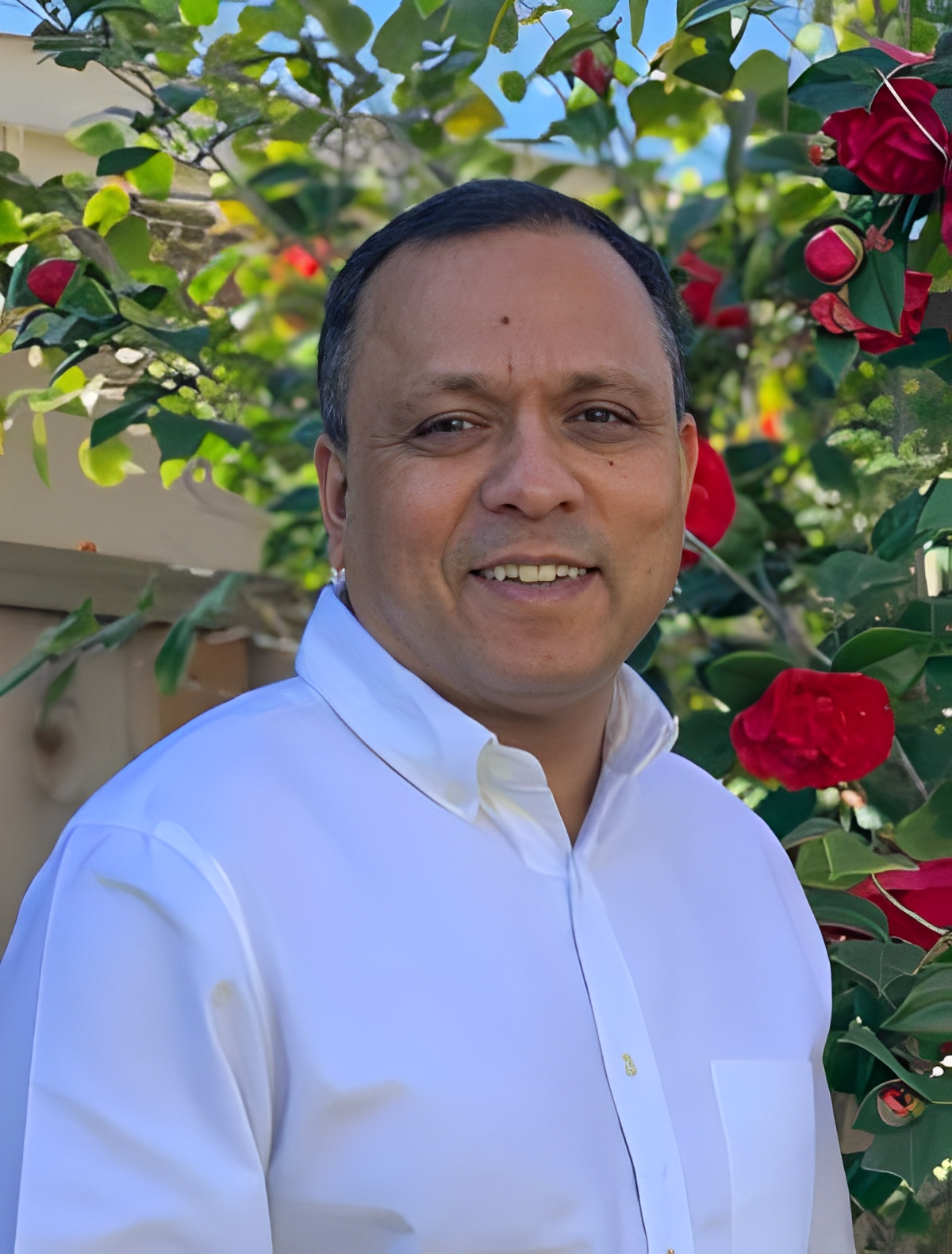
Lakshman Rathnam Turned One Silent Conference Into a Billion-Minute Translation Business
At a conference in Japan, a veteran hardware engineer discovered what exclusion sounds like. His answer was Wordly - software designed to let every listener choose the language of the room.
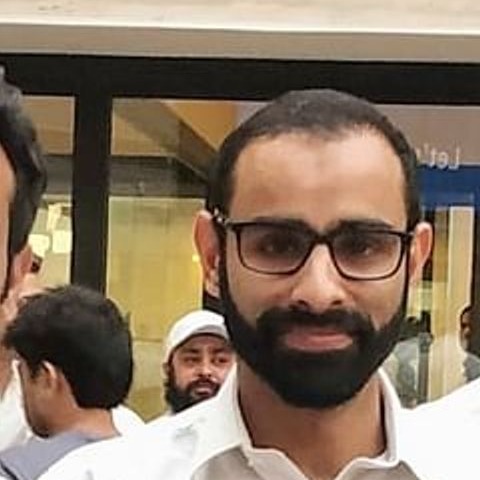
Adit Chhabra Wants the Camera You Already Own to Start Taking Notes
The Wobot AI co-founder spent years studying how work gets measured. His answer is disarmingly practical: keep the cameras, teach the software what matters, and turn hours of ignored footage into a useful prompt.
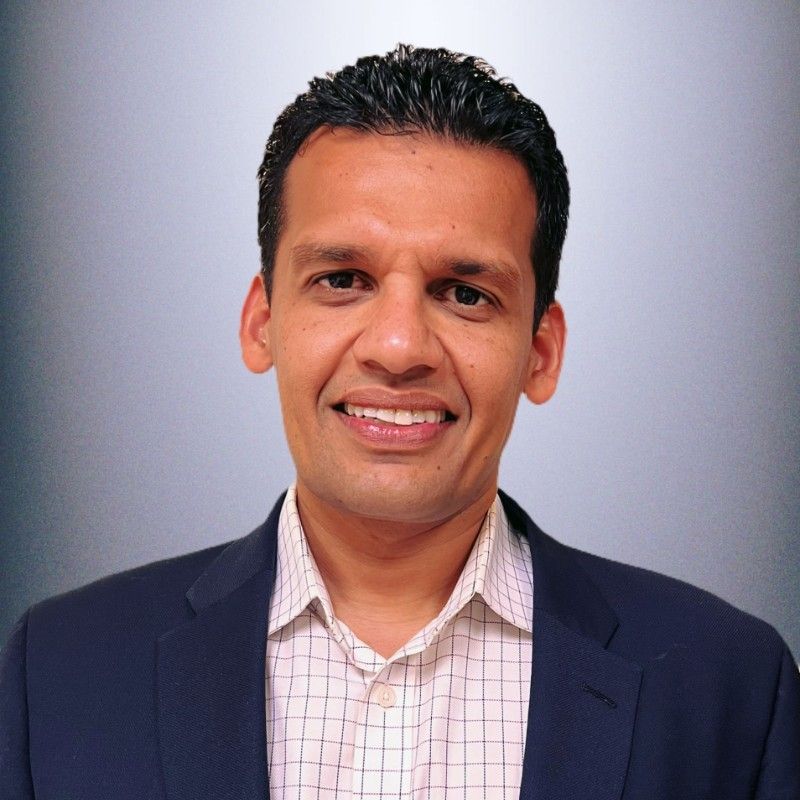
Aashish Singhvi Is Teaching Networks to Fix Trouble Before the Phone Rings
The DvSum founder has spent a career chasing the expensive gap between a signal and a decision. His latest bet is that telecom networks should learn to diagnose, act, and improve before a subscriber ever reaches for the phone.