retail-technology
(46)
Jerry Inman Has Spent a Career Marketing What Comes Next
Before streaming had a supply-chain problem, Jerry Inman was studying how fashion, software and restless consumers turn signals into decisions. That unusual apprenticeship now shapes his work at Whip Media.

Matt Collins Learned Retail at Shelf Level - Now He Markets the Software Watching It
Before he sold the idea of computer vision in the aisle, Matt Collins spent years worrying about what was actually happening there. His route from grocery merchandising to FORM’s C-suite makes him a translator between the shelf and the software.

Jennifer Schiffman Turned an Art-History Eye Into a SaaS Growth Engine
She planned to curate museums. Instead, Jennifer Schiffman learned to curate markets - building software brands through acquisitions, exits and reinventions, while keeping one microphone open for the comic dramas of Pittsburgh suburbia.

Mario Paganini Wants Marketing to Earn the Pause
After helping technical companies explain themselves through an exit, two unicorn journeys, and a string of rebrands, Mashgin’s CMO has reduced his craft to a demanding idea: attention must be earned.

Noreen Allen Makes Complicated Companies Legible
Across telecom, cloud software and retail technology, Noreen Allen has kept returning to the same hard assignment: find the story inside a complicated business, make it credible, and give people a reason to act on it.

Jeremy Wallace Has Spent Three Decades Turning Friction Into Action
Before retail teams were his audience, the wind was his feedback loop. Jeremy Wallace's route from sailing coach to SaaS founder to Zipline marketing chief is a study in making the next move clear.

Amanda Dyson Wants Marketing to Stop Counting Applause
After two decades inside supply-chain software, Amanda Dyson has a blunt test for marketing: did it move the business? Her new assignment at DemandTec is to make a 25-year-old company’s story catch up with what its software has become.

Rahul Chabukswar Left Microsoft to Fix the Grocery Aisle’s Messiest Problem
He began with a warehouse, learned why supermarket data lies, and built Homesome around a stubborn idea: the neighborhood grocer should own the digital relationship too.

James Moorhead Has Spent a Career Making Boring Things Impossible to Ignore
First he helped turn body wash into internet theatre. Now the former Old Spice marketer runs a network of 8,000-plus key-copying kiosks - a career built on finding drama in the everyday and removing friction where people feel it most.
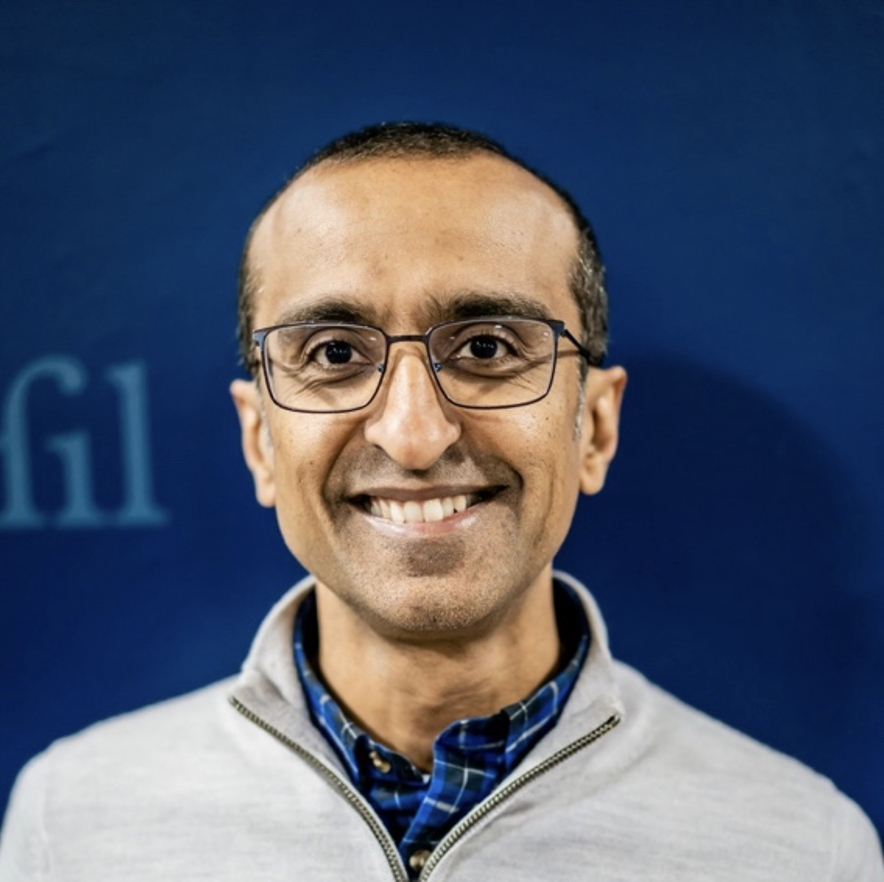
Mir Aamir Has Spent 30 Years Teaching Grocery Stores to Think
From Safeway loyalty cards to ShopBots behind Whole Foods, Mir Aamir has followed one stubborn question across three decades: can convenience work for the shopper without breaking the grocer's economics?
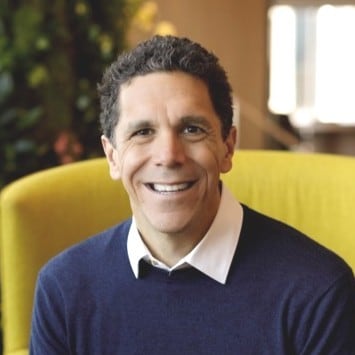
Mike Micucci Has Spent 25 Years Rebuilding the Machinery Behind the Buy Button
Before AI agents could shop, somebody had to make the catalog, inventory and order systems agree. From GroupSwim to Salesforce Commerce Cloud to fabric, Mike Micucci has made a career of turning that backstage argument into working software.

Corey Moran Is Bringing the Spreadsheet to the Runway
After years translating luxury for Google, Corey Moran has returned to the brand side with a precise brief: make Michael Kors storytelling, customer experience and data behave like one idea.

Adit Chhabra Wants the Camera You Already Own to Start Taking Notes
The Wobot AI co-founder spent years studying how work gets measured. His answer is disarmingly practical: keep the cameras, teach the software what matters, and turn hours of ignored footage into a useful prompt.
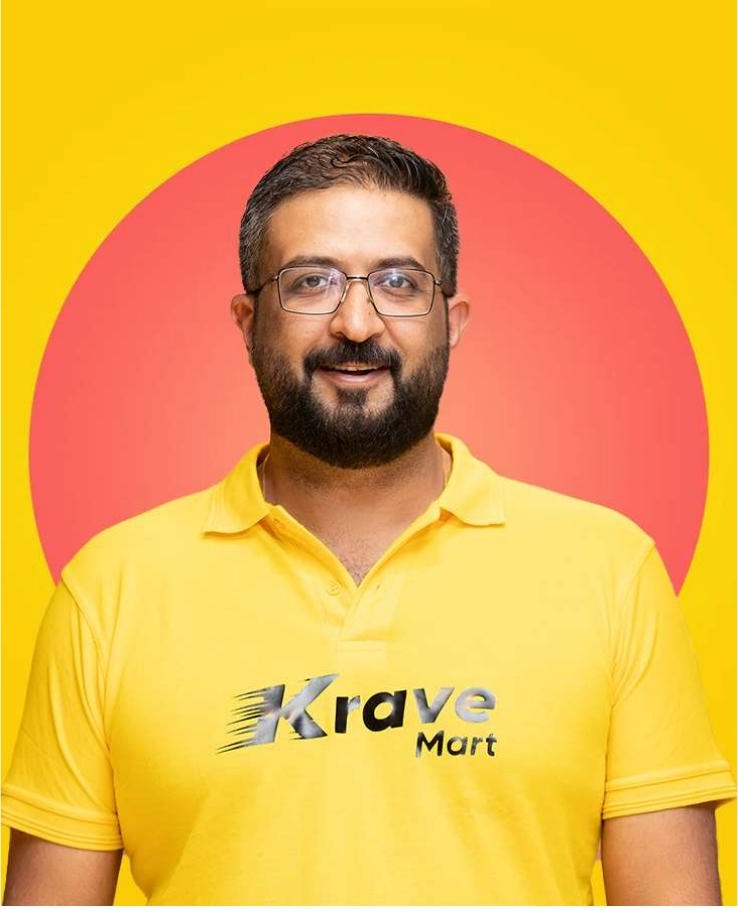
Kassim Shroff Chose the 30-Minute Promise
He learned e-commerce from the warehouse outward, traded quick commerce's flashiest promise for a workable one, and carried Krave Mart from Karachi dark stores to an inDrive acquisition.
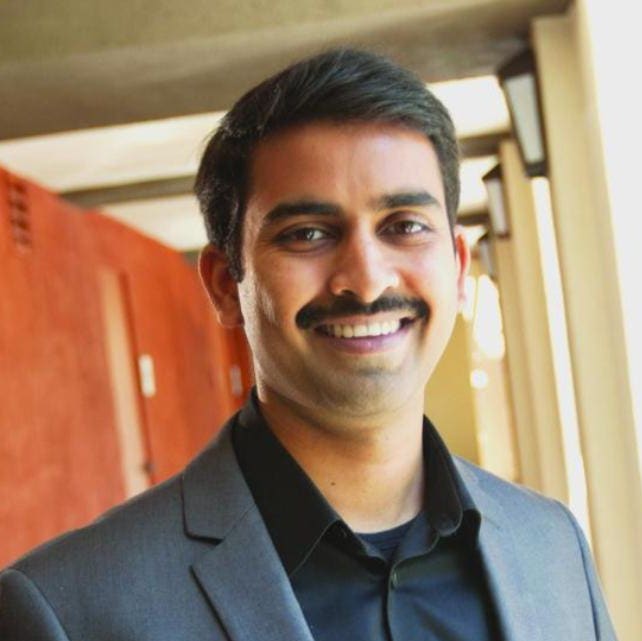
Sriram Subramanian Spent Four Years Finding the Business Hidden Between the Apps
The LinkToAny founder left a comfortable PayPal career, followed a stubborn problem through four years of experiments, and built a company around the expensive gaps between business software.

Bruce Bennett Has Spent Nearly Four Decades Making the Cash Register Disappear
Long before “mobile commerce” became a category, Bruce Bennett was building the plumbing behind it. His career is a study in patient reinvention - from digital services and fishing e-commerce to software that slips modern payments into stubborn old systems.

Andrew Watson Wants to Get a Million Dollars Off the Shelf
The Happy Cabbage founder left billion-dollar spreadsheets for dispensary back rooms. His current obsession is simple to state and difficult to solve: turn dusty inventory into cash without leaving customers empty-handed.
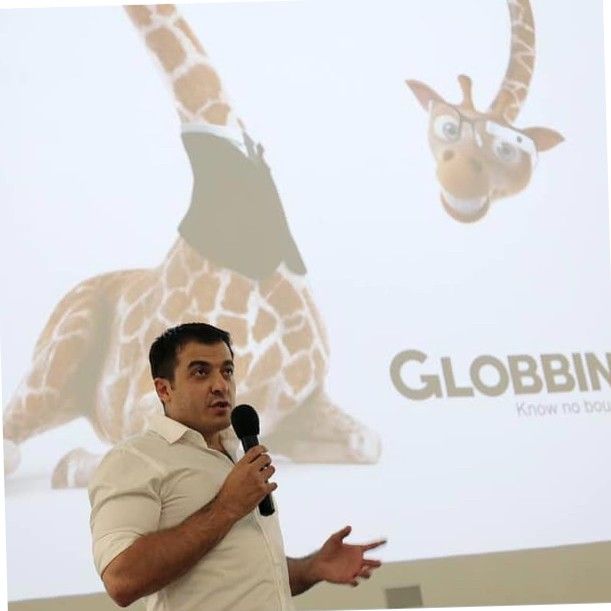
David Harutyunyan Built Globbing for the Checkout's Most Expensive Word: Unavailable
He started with a stubborn e-commerce gap: shoppers wanted the product, but the parcel had no route home. A decade later, his company is turning foreign addresses, warehouses and lockers into regional infrastructure.

Wes Schroll Turned a Grocery-Store Chore Into a Loyalty Machine
A college student disliked loyalty programs, wrote a business plan, and won enough pitch competitions to build the first version. The useful lesson in Fetch is not the receipt scanner - it is Schroll's habit of turning irritation into a game, then playing it fast.

Morgan Davis Put the Store Floor on Trial
The former consultant and venture investor built MarketDial to give brick-and-mortar retailers a cheaper question: what if we tested the idea before betting every store on it?

Lundyn Carter Is Making the Wedding Dress a Service, Not a Souvenir
A $5,000 alterations bill exposed a strange truth about bridal retail. Carter built Laine London around the part brides actually keep: the fit, the feeling and the memory.

Rob Chumley
At Murphy USA, the former 7-Eleven innovation chief is turning millions of hurried fuel stops into a practical laboratory for loyalty, payments and customer experience.

Ruti Zisser
Ruti Zisser is the Israeli-American founder and CEO of RUTI, a slow-fashion label she started in her Palo Alto garage in 2009 after a career in tech. Built on three rules - cool, flattering, practical - the brand grew from imported Israeli labels and living-room trunk shows into a chain of boutiques, a $6M Series A for an opt-in facial-recognition personalization platform, and a viral hit with its 'On the Loose' barrel-leg pants that helped push revenue past the $40M mark and open a Madison Avenue flagship.

Tim Regnier
Tim Regnier is the CEO and co-founder of Smart Access, a frontline performance management software company he started in Edmonton, Alberta in 2015 and now runs from San Francisco. After nearly a decade running retail-tech ventures, Regnier built Smart Access to solve the visibility gap for managers on warehouse, manufacturing, and store floors, turning static SOPs into living documents and pairing them with AI-driven observations, coaching, and analytics. His guiding belief that 'all truth is found on the floor' has shaped a platform used by top retail and logistics enterprises, and the company raised a $12M Series A in 2026.

Brian Tervo
Brian Tervo is the Boston-based Chief Executive Officer of ThirdChannel, a retail execution and merchandising technology company that pairs on-the-ground field teams with real-time software so brands can see and improve how their products show up in physical stores. A longtime operator in the B2B software and retail space, he spent roughly 14 years at supply-chain integration firm TIE Kinetix in senior North American and global roles before leading ThirdChannel. He writes regularly about closing the gap between retail strategy and what actually happens on the store floor.

Fabrice Haiat
Fabrice Haiat is the co-founder and CEO of YOOBIC, a frontline employee experience platform used by more than 200 global brands including Boots, Lancome, Lacoste, Peloton, Puma and Sanofi. A Ecole Centrale Paris engineer and former McKinsey consultant, he built and sold energy-monitoring company Vizelia to Schneider Electric before launching YOOBIC in 2014 with his two brothers, Avi and Gilles. He argues that store and warehouse staff are assets rather than resources, and has raised roughly $80 million to digitize communication, training and task management for the world's deskless workers.

Jared Yaman
Jared Yaman is the CEO and a co-founder of Spresso, a New York-based AI company that builds pricing intelligence and price-optimization software for retail, CPG, and ecommerce businesses. A three-time founder with a University of Michigan law and economics background, he previously co-founded and served as COO of Boxed, the online wholesale retailer that competed with Walmart, Costco, and Amazon, weathered the pandemic, and went public before winding down. At Spresso he is turning the pricing engine built inside Boxed into a standalone product, arguing that AI should supplement rather than replace human judgment.

Michael DeSimone
Michael DeSimone is the Chief Executive Officer of NewStore, the Boston-based unified commerce platform for global retail brands. He took the role in April 2024 after a career leading commerce-technology companies through IPOs, acquisitions, and scale-ups, including Borderfree (IPO on NASDAQ, sold to Pitney Bowes), ShopKeep (acquired by Lightspeed for a reported $750 million), and SmartRecruiters, where he was CEO.
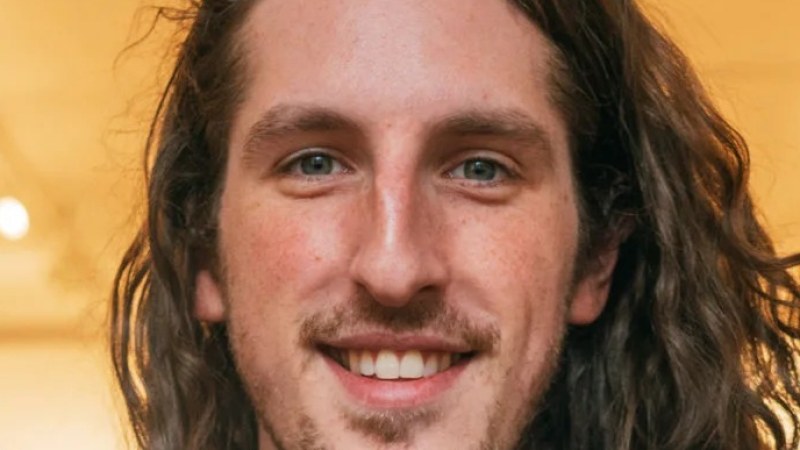
Spencer Hewett
Spencer Hewett is the founder and CEO of RADAR, a New York retail-technology company that wires store ceilings with RFID and computer-vision sensors to locate inventory in real time. He dropped out of Washington University in St. Louis to take the Thiel Fellowship in 2012, spent years building and rebuilding the idea, and has since taken RADAR through Old Navy and American Eagle rollouts to a $1 billion valuation on a $170 million Series B closed in May 2026.

Thomas Zanetich
Thomas Zanetich is the CEO of INTURN, the New York enterprise software company that helps large consumer brands manage and sell off slow-moving and excess inventory. He spent close to a decade inside INTURN, most visibly running client success for accounts like Nike, Levi's and KIND, before acquiring the business and taking it back to independent ownership after its stint inside AI firm Mad Street Den. His pitch is unglamorous but real: the surplus goods piling up in warehouses are one of retail's most expensive problems, and there is money hidden in getting rid of them well.