project-finance
(18)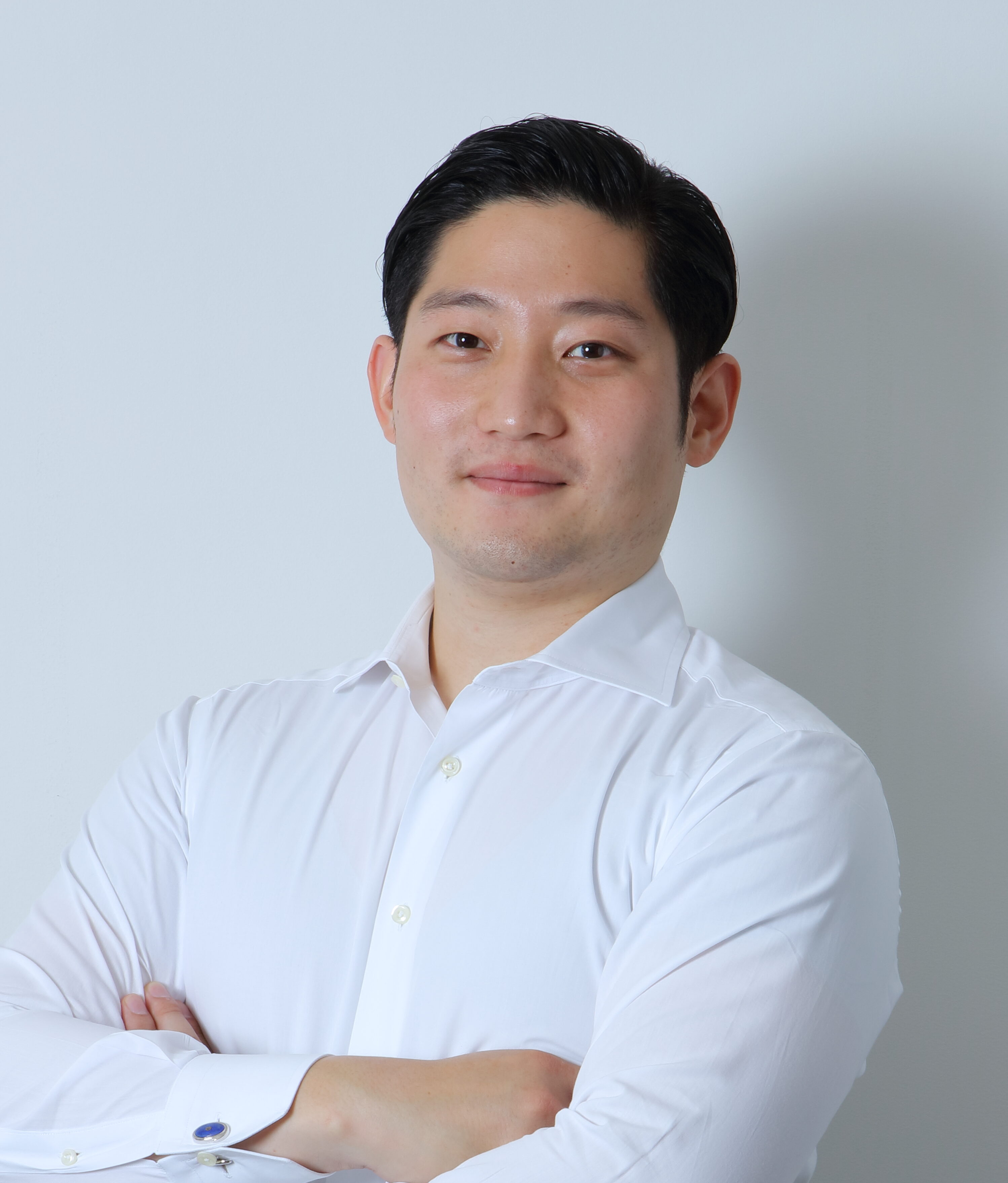
Kota Nozaki Is Building the Market That Science Forgot
He studied biomedical science, learned how finance makes markets, then returned to a problem he first noticed after midnight in a university lab: brilliant researchers had too few ways to put their expertise to work.
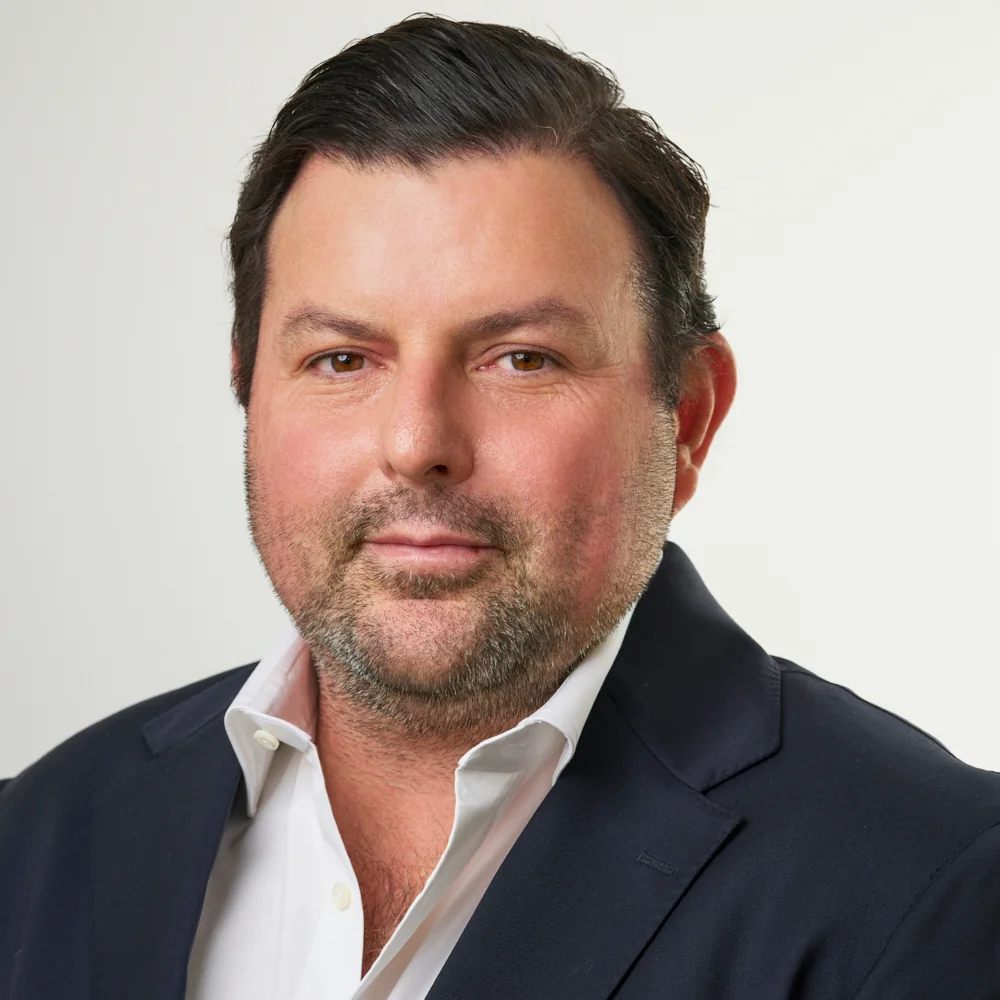
Gregory Green Is Financing the Grid’s Waiting Game
The Australian dealmaker survived a bank collapse, helped build and sell a renewable-gas platform, and now wants batteries to become ordinary infrastructure in Austria. His bet is less about chemistry than patience, permits and bankable cash flows.
John McKinney Spent Decades Learning How to Make Waste Pay
Before renewable natural gas became an institutional asset class, John McKinney was learning its least glamorous lessons: permits, feedstock, financing and patience. Sevana Bioenergy is the result - a company built to make difficult infrastructure work.

Paul Gaynor Built a Renewable-Energy Career for the Years After the Ribbon Cutting
The Longroad Energy co-founder has spent four decades learning that a power project is not a product launch. It is a promise measured in permits, financing, megawatts and years.

Janice Tran Found a Power Plant Hiding in Plain Sight
The machinery was already proven. The heat was already there. Janice Tran’s wager was that the real invention industrial decarbonization needed was a better deal.
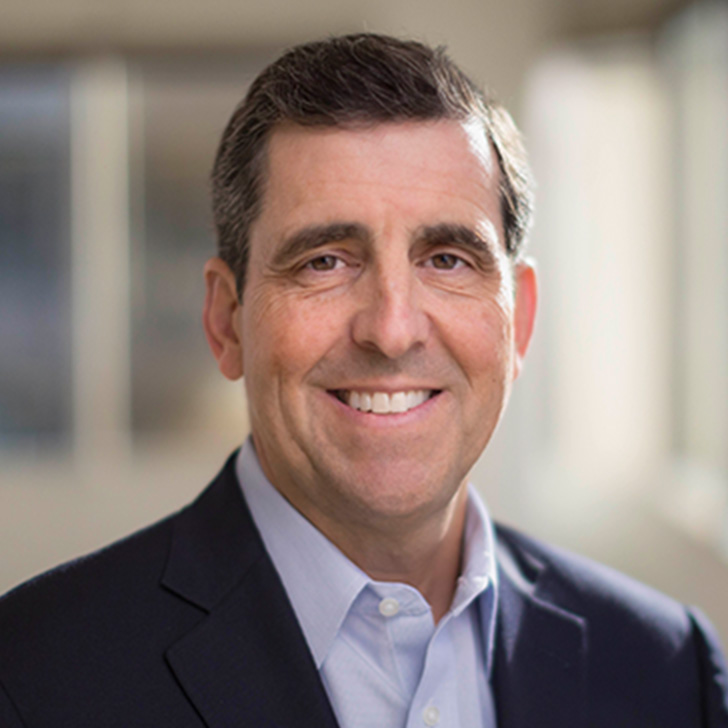
Jim Murphy Built for the Grid's Long Game
After 25 years beside founder Michael Polsky, Invenergy's finance-minded co-founder has taken the CEO seat. His operating idea is simple: relationships compound, execution matters, and the power grid cannot run on slogans.
StormFisher Bought a $1.5 Billion Clean-Fuel Headache for $17.5 Million - Now It Has to Make the Math Work
A Canadian project developer picked up a stranded Quebec fuel complex at a steep discount, scrapped its original process and bet on e-methanol. The clever part is reuse; the hard part is turning cheap infrastructure into bankable fuel.
Invenergy’s 38-Gigawatt Trick: Build the Power Plant, the Contract, and the Patience
The Chicago power builder became North America’s largest privately held independent producer by treating energy as a full-stack business. Its advantage is execution across decades - and its latest pivots show exactly where that model bends.
Longroad Energy Stopped Flipping Solar Farms - and Bet Billions on the Boring Part
The Boston renewable-energy builder discovered that the valuable part was not merely finishing projects. It was owning the machines, contracts and operational headaches for decades.
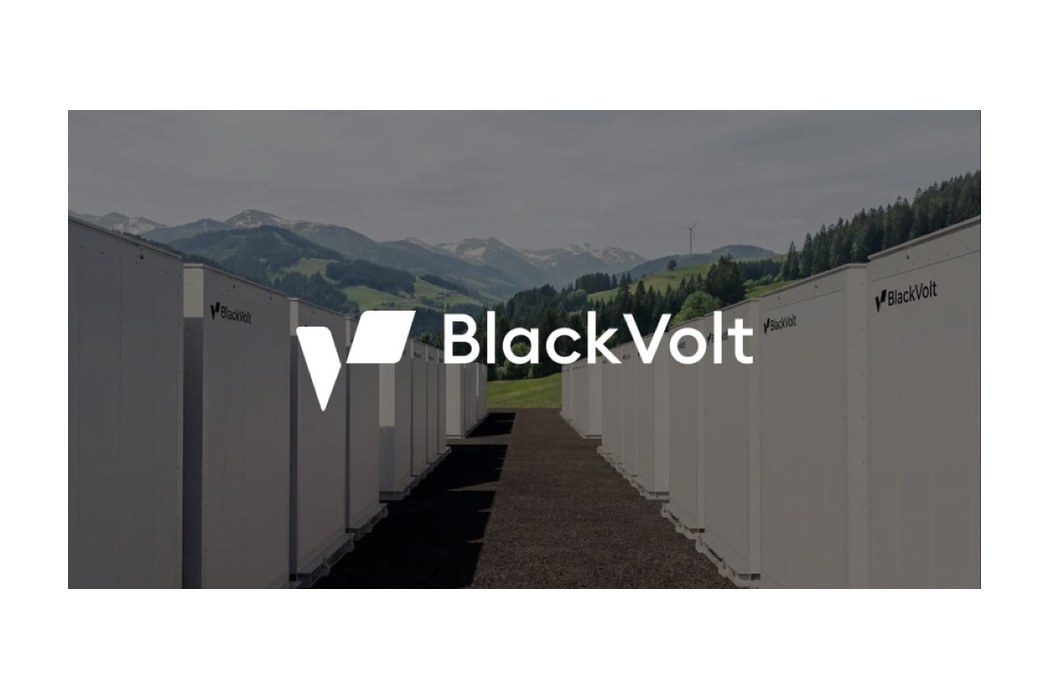
Blackvolt's Bet: Turn Austria's Messy Power Hours Into a Battery Business
Austria makes plenty of renewable electricity at the wrong moments. A capital-heavy infrastructure opportunity begins with one young company, two construction sites and a plan to get paid for moving electrons through time.
The Startup That Turns Factory Exhaust Into a Power Plant - and Bills Nobody For It
Up to 58% of the energy fed into heavy industry escapes as waste heat. Kanin Energy built a business model that catches it, converts it to power, and hands the factory a check instead of an invoice.
The Solar Investor Turning Small Power Plants Into Big Infrastructure
True Green Capital built its business in the awkward middle of renewable energy: projects too small for utility-scale giants, yet too capital-intensive for many developers. Its answer is to assemble, operate and eventually sell them at institutional scale.

BuildQ
BuildQ is an AI-native software and services company for capital-intensive infrastructure - energy, data centers and real estate. Founded in 2024 by attorney and former renewable-energy operator Maryssa Barron, the platform centralizes a project's documents, financials and contracts, then uses AI to run due diligence, surface risks and obligations, and produce investor-ready memos and data rooms. The pitch, in Barron's words, is 'TurboTax for project finance': turn the slow, six-figure, thousand-page grind of financing a clean-energy project into something faster and cheaper. Less than a year after launch, BuildQ reported 300+ projects, 10+ gigawatts of capacity and $150M+ in deal flow on the platform.
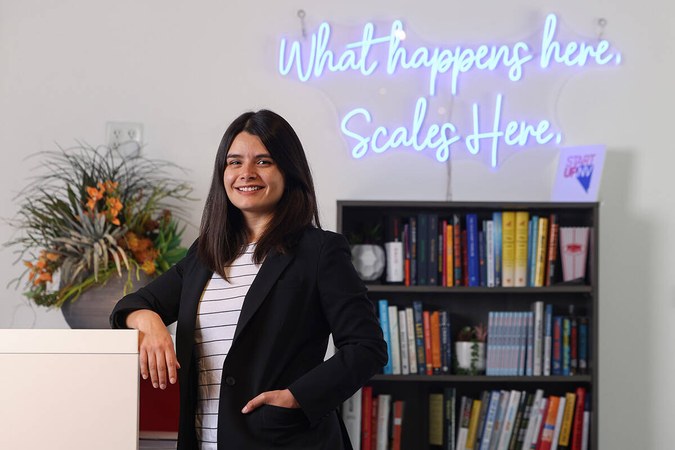
Maryssa Barron
Maryssa Barron is the founder and CEO of BuildQ, an AI-powered project intelligence platform for the energy sector that structures project data, automates due diligence, and accelerates clean energy financing and M&A. A Harvard graduate, Stanford-trained lawyer, and licensed D.C. attorney, she spent nearly a decade in renewable energy - pioneering early power purchase agreements and rising to COO at a global independent power producer - before building the tool she wished had existed. She founded BuildQ in 2024 while studying for the bar exam, won the 2025 AngelNV competition and over $1 million in funding, and within a year had grown the platform to 300+ projects, 10+ gigawatts of clean energy capacity, and over $150 million in deal flow.
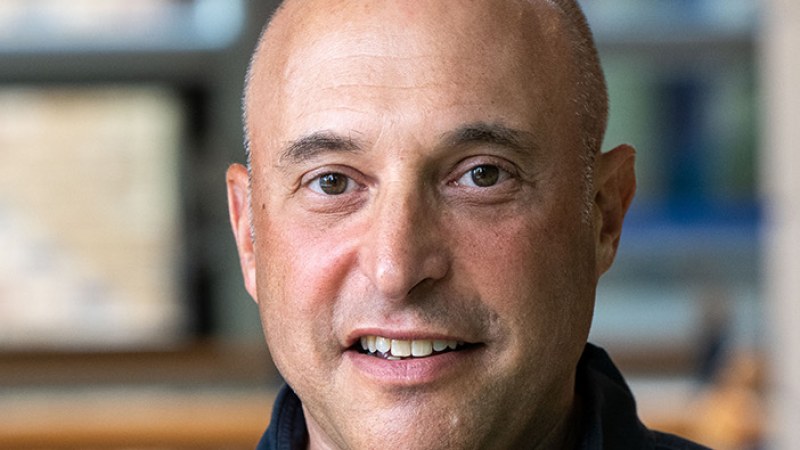
Simon Glass
Simon Glass is the founder and CEO of Qodeo, a UK and US based platform that uses proprietary algorithms to match entrepreneurs with venture capital and private equity firms - with a deliberate focus on diverse, regional and female founders who sit outside the traditional venture network. A Cambridge BA, MA and MBA who trained in corporate finance at London Business School, Glass spent years in venture capital (including Amadeus Capital Partners, the first backer of ARM), banking, academia and media before building Qodeo to end what he calls the needle-in-a-haystack approach to finding investment. The platform now tracks tens of thousands of organizations and connects 20,000+ entrepreneurs with 7,400+ investors across multiple markets.
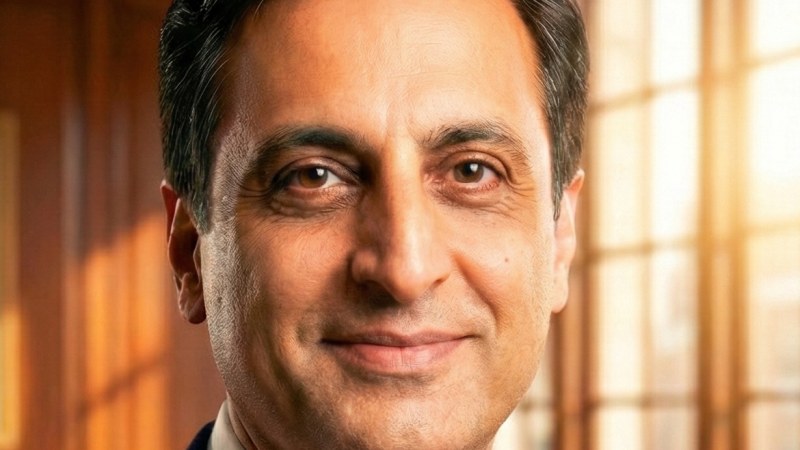
Ateeq ur Rahman
Ateeq ur Rahman is a London-based founding partner of Sovereign Stone Capital Partners, a private investment firm backing mid-market businesses across the UK and Southern Europe. After nearly 30 years in international banking, including a stint as Country Head and Managing Director for Abu Dhabi Commercial Bank in Qatar where he led the merger with Union National Bank, he turned operator and investor, building ventures spanning Portuguese real estate, venture capital, and specialty coffee. He commits personal capital to deals and prefers hands-on partnership to passive checks.
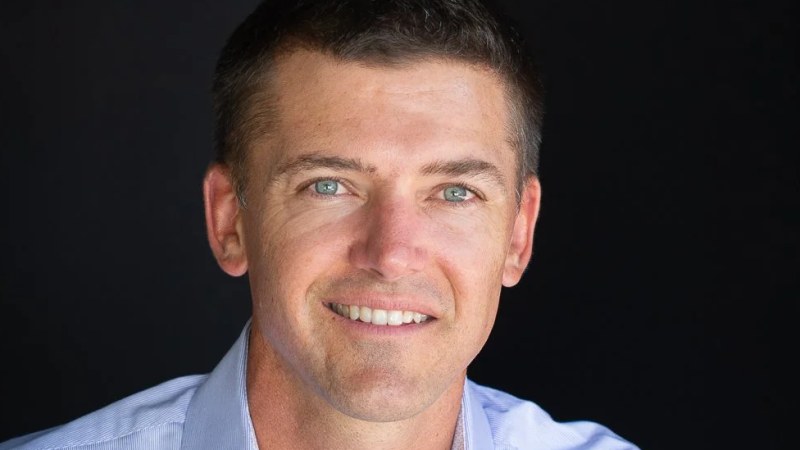
Ted Kniesche
Ted Kniesche is the founder and CEO of Zero Industrial, a Charleston-based startup decarbonizing industrial heat by deploying commercially available thermal energy storage systems and selling clean heat and steam under long-term Heat-as-a-Service contracts. After two decades in clean energy development - including 13 years co-founding and building business development at Fulcrum BioEnergy - he launched Zero Industrial in 2024 with Jim McDermott and closed a $10 million Series A in April 2025 led by Evok Innovations.
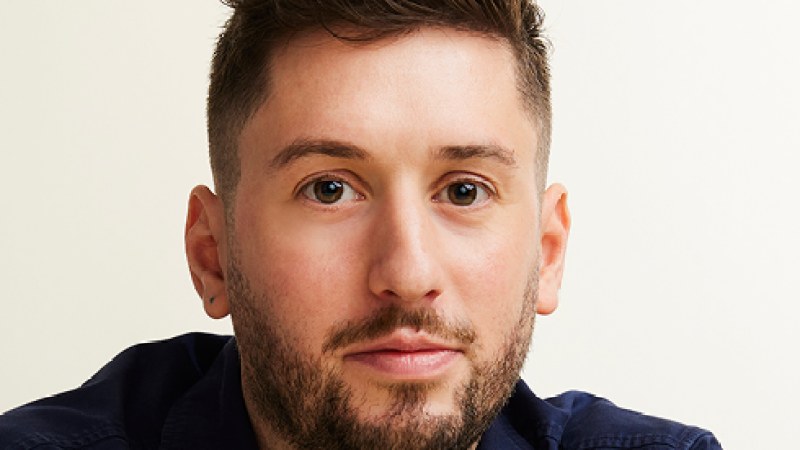
Jacob Sandry
Jacob Sandry is the co-founder and CEO of Euclid Power, a New York renewable energy operating system that turns scattered solar and storage project documents into decision-ready intelligence. After helping build Goldman Sachs' renewables fund from zero to $3 billion deployed, he left to fix the unglamorous paperwork that quietly stalls clean energy. Euclid now supports more than 21 GW across 1,100+ projects, raised a $20M Series A led by Venrock, and bets that AI plus accountable human experts beats AI alone in an industry where 99% accurate is functionally wrong.