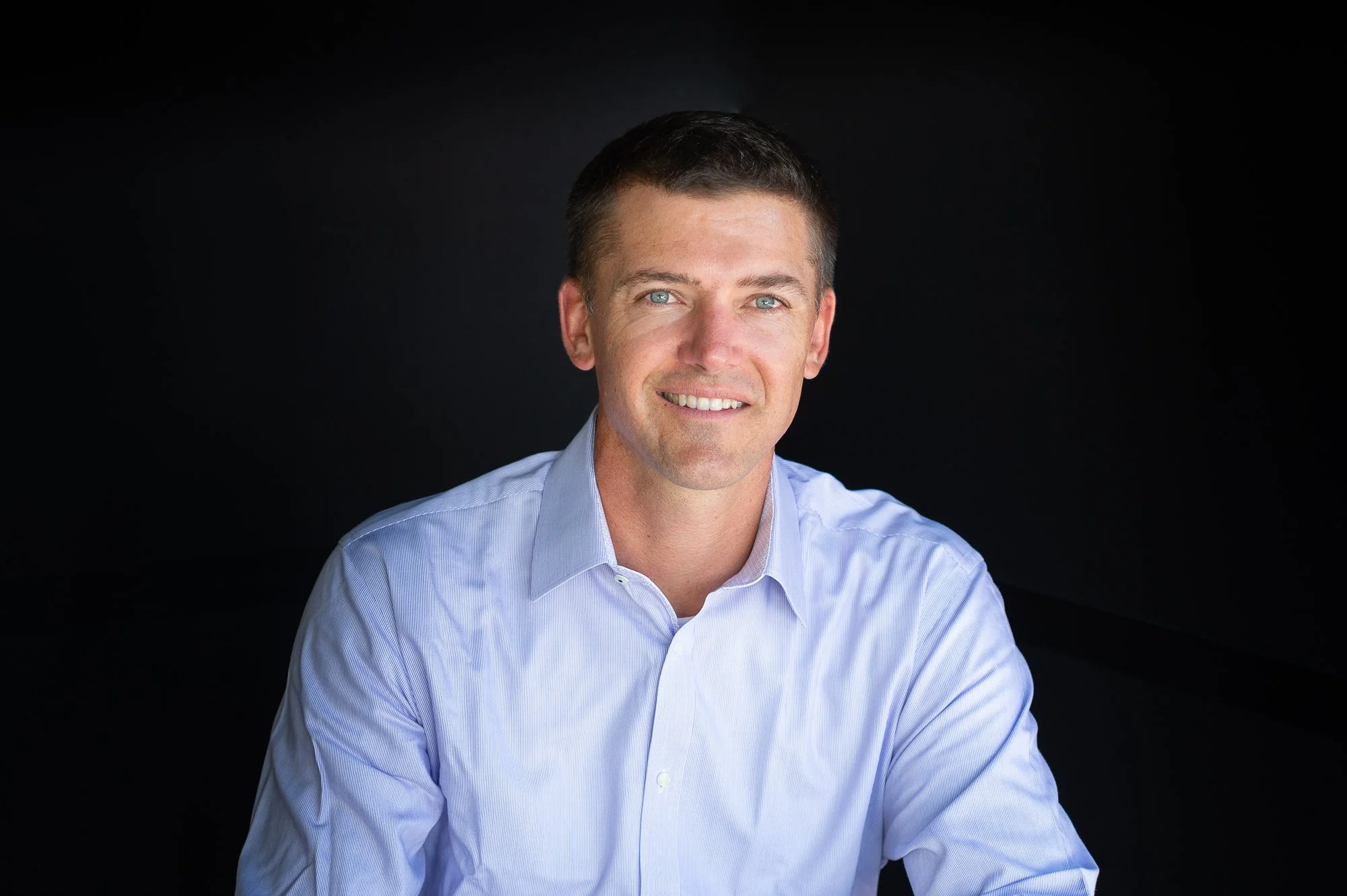
A steel mill needs heat. A food plant needs steam. A chemical line needs a furnace held at a precise temperature for years on end. For more than a century the answer was the same: light a flame, burn a fossil fuel, repeat. Ted Kniesche is in the business of breaking that habit without asking anyone to gamble on a science project. His company, Zero Industrial, installs commercially available thermal energy storage - sometimes called heat batteries - that soak up cheap off-peak electricity, hold it as high-temperature heat, and release it on demand as clean steam or hot air. The factory keeps running exactly as before. The flame just goes out. Here is the part that makes operators lean in: Zero Industrial pays for the equipment. Customers sign a long-term Heat-as-a-Service contract and buy the heat by the unit, no upfront capital required. It is the solar-power-purchase-agreement playbook pointed at the hardest corner of the energy transition - the roughly half of industrial energy use that shows up not as electricity but as raw heat. Kniesche founded the company in 2024 with investor Jim McDermott, closed a $10 million Series A in April 2025, and spent the following year quietly turning a thesis into a pipeline of real projects across the United States and Canada.
Sell the heat, not the hardware
The pitch to a plant manager is almost suspiciously simple. Most decarbonization conversations start with a capital ask and a leap of faith - buy this novel kit, hope it performs, write the check. Kniesche flips the order. Zero Industrial selects the technology, designs and engineers the system, finances it end to end, and then sells the resulting clean heat or steam under a contract that can run for decades. The customer's bill looks like an energy bill, not a construction loan.
It is a finance product wearing a hard hat. That framing is no accident. Kniesche's career has been spent in the seams of clean energy where the engineering is real but the money is the bottleneck - and where a project lives or dies on whether someone can structure a deal the counterparty will actually sign.
By March 2026 the company described itself as moving "from platform-building to project execution," widening its toolkit beyond storage to include heat pumps and electrode boilers, all under the same energy-as-a-service umbrella.
The unfair advantage
Heat is around half of all industrial energy demand and one of the hardest things to electrify. Most rivals sell equipment. Zero Industrial removes the two things that stall a factory's green project at the same time: the upfront cost and the performance risk.
We are excited to partner with Evok and Rusheen to help us accelerate the deployment of thermal energy storage projects in North America.
Two decades in the unglamorous middle
Kniesche is not a lab founder chasing a breakthrough molecule. His specialty is the part of clean energy that rarely makes headlines: development, project finance, and government affairs - the connective tissue that decides whether a good idea ever gets built.
He cut his teeth at Fulcrum BioEnergy, which he co-founded in 2007. For roughly thirteen years he ran business development there, steering the company's entire development program through the financing of its first commercial-scale facility - the milestone where most clean energy ventures either prove themselves or quietly fold. Turning waste into fuel taught him a durable lesson: the technology is only half the deal; the other half is convincing capital and customers to commit.
From there he moved to Aiga Capital Partners as a Principal, writing about the new niches emerging in bioeconomy finance and how fresh firms were filling the gaps left by traditional lenders. It was a finance-side vantage point - watching which deals got funded and which stalled - that set up his next move perfectly.
In 2024 he teamed up with Jim McDermott, a serial entrepreneur whose orbit has touched 35-plus companies including Stamps.com, Fulcrum BioEnergy, and the carbon-capture pioneer Carbon Engineering. Together they pointed McDermott's capital and Kniesche's development scars at industrial heat.
Why heat is the stubborn problem
Industrial energy, roughly split
The two things that stall a project
A Californian gone coastal
A native Californian, he traded the usual climate-tech zip codes for Charleston, South Carolina, where he lives with his wife and four children. The company runs far from San Francisco and Boston - a quiet flex in an industry obsessed with proximity.
A finance brain in a hard hat
Ask him what Zero Industrial sells and the honest answer is structure. The heat battery is real, but the product is a contract a CFO will sign - the discipline he carried out of Fulcrum and Aiga.
The McDermott connection
Co-founder Jim McDermott has been near 35-plus companies, from Stamps.com to Carbon Engineering. The two had crossed paths in clean energy long before betting on industrial heat together.
These appointments reflect where we are as a company - moving from platform-building to project execution.
Five things that make the bet interesting
- Zero Industrial doesn't sell its customers a machine. It sells the heat and finances the whole project itself - solar's power-purchase-agreement, applied to steam.
- The technology runs on "heat batteries" that store cheap off-peak electricity as high-temperature heat, then dispatch it whenever the plant calls for it.
- Kniesche has spent his entire career in clean energy's least glamorous corner - development, finance, government affairs - not the lab.
- The whole operation is headquartered in Charleston, deliberately far from the coastal climate-tech crowd.
- His Series A backers, Evok Innovations and Rusheen Capital, sit squarely in the energy-transition investor world - patient money for long-dated heat contracts.
The ambition, plainly
Make decarbonizing industrial heat as routine and bankable as any other infrastructure deal. Scale a portfolio of thermal storage projects across North America - and eventually beyond - by selling clean heat under long contracts, so a factory never has to choose between cutting emissions and protecting its balance sheet. The flame goes out. The plant never notices. The math just works.