charleston
(17)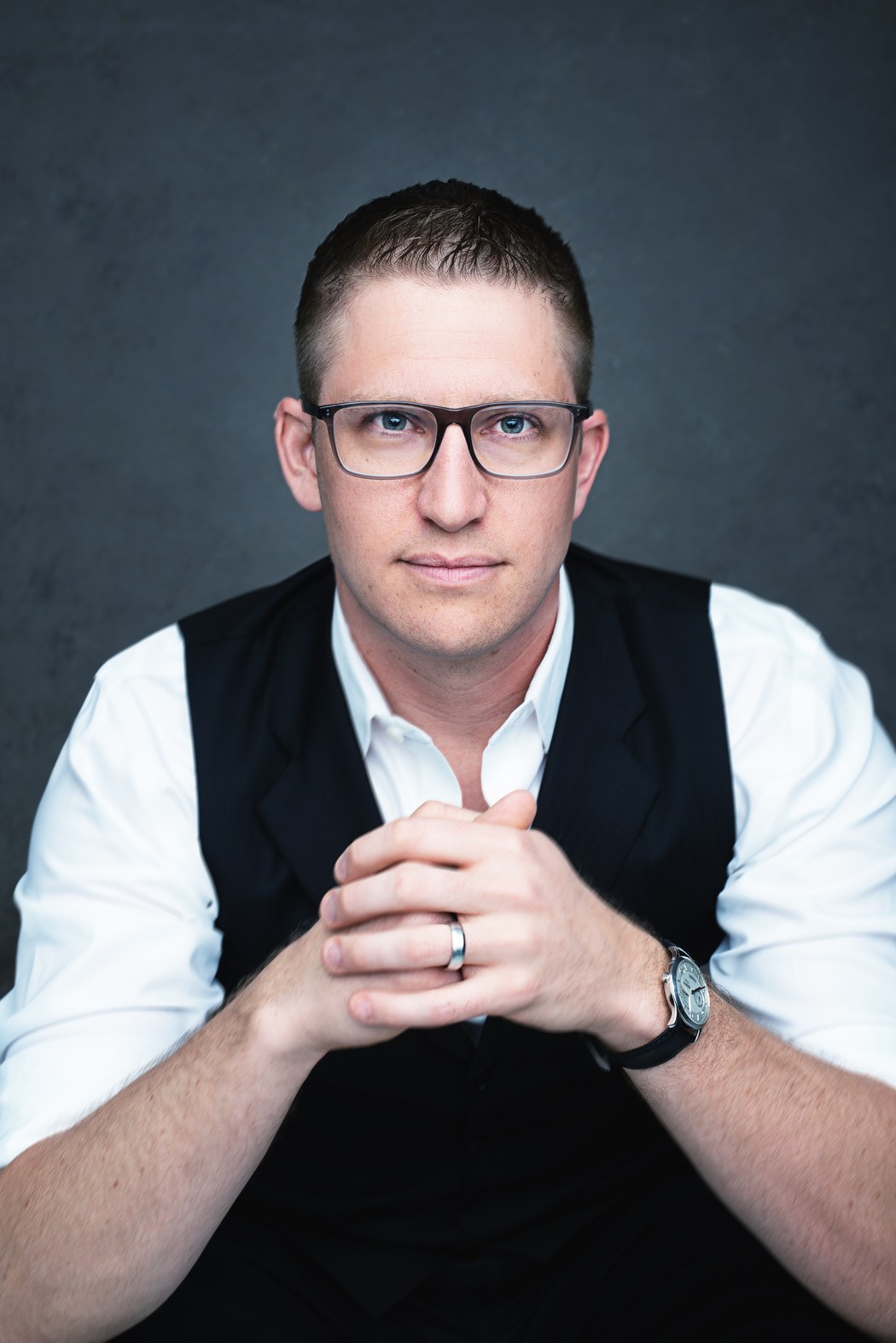
Thomas Donohoe and the trouble with a good idea
His first offer won meetings, but no customers. The founder of Level Agency spent the next eleven years learning what people would pay for - and when to let other people lead.
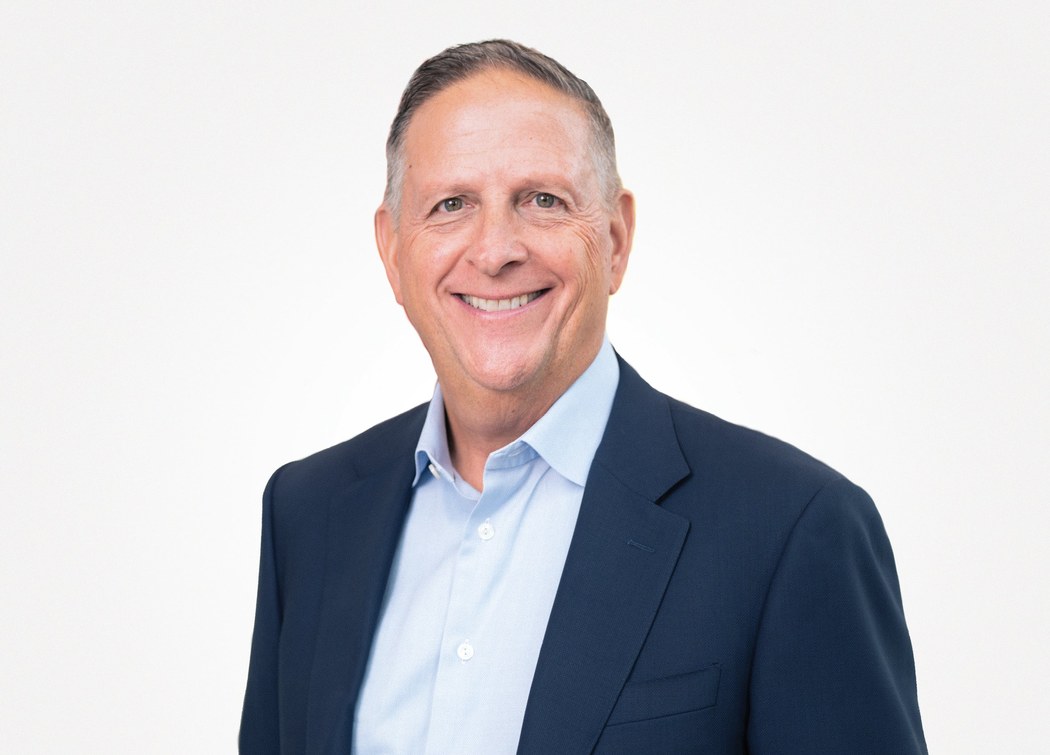
Mike Gianoni and the machinery of generosity
From Connecticut engineering classrooms to the leadership of Blackbaud, Mike Gianoni has spent his career making complex systems work. His next challenge is helping more people take part in giving.

Rachel Mays Ayotte and the Value of Being Nearby
She co-founded bread & Butter from a living room, then helped spread its teams across the country. Rachel Mays Ayotte’s career asks a practical question: how close do you need to be to understand what people want?

Heather Hoopes-Matthews Knows What Silence Sounds Like
She spent years asking the uncomfortable questions. After co-founding NP Strategy, Heather Hoopes-Matthews built a career helping people answer them - and learned to keep an eye on her own eyebrows.
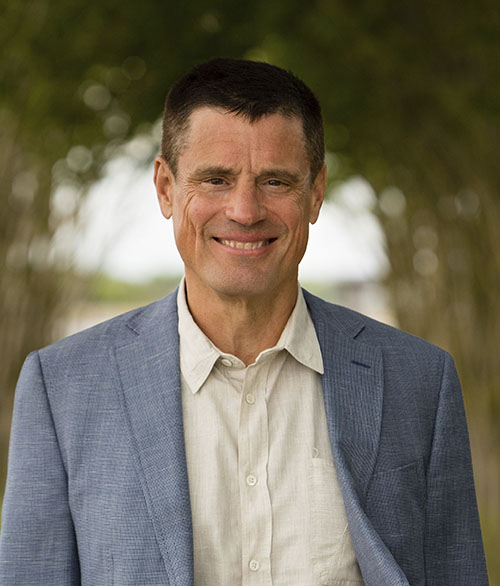
Ben Navarro and the art of showing up
He made his fortune in consumer finance. Now Ben Navarro is putting money, time and a rather unusual college syllabus into the places where people meet.
Jeremy Anspach and the value hiding in plain sight
A Detroit car enthusiast built PureCars by making vehicle details useful to buyers and dealers. A $125 million sale, a book about wasted advertising, and a remark that stayed with a future CEO show where that habit took him.
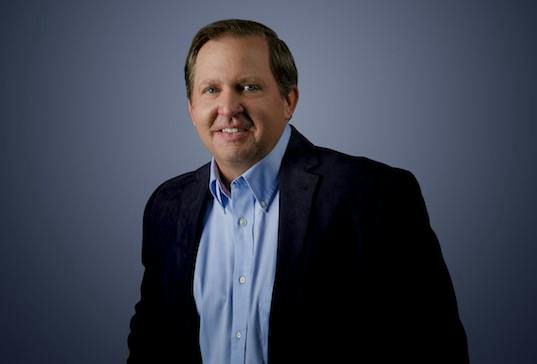
Ted O’Neill and the Question Inside Every Online Community
He helped websites become places where people could talk. From UBB to Crowdstack and the rise and closure of Narrative, Ted O’Neill has kept returning to who gets to run the room.
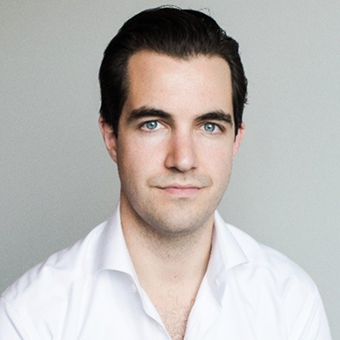
Sam Mylrea and the Value of an Empty Shift
He learned to grow companies in finance and automotive software. At Gigpro, and now Qwick, Sam Mylrea is working on a more immediate calculation: getting the right person through the door before service starts.
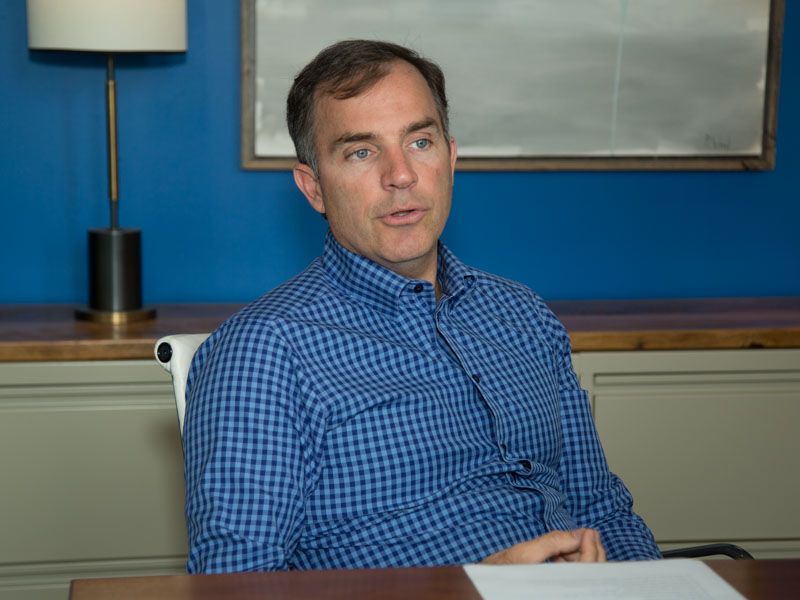
David Wise’s next connection is a general store
He founded AVOXI to help businesses answer calls across borders. With shiftNOW and a revived Lowcountry general store, David Wise is working on the connections closer to home.
Social Strata (Crowdstack)
For more than two decades, a husband-and-wife team in Charleston has quietly powered online communities for brands that outgrew Facebook Groups - and never took a dime of venture money.
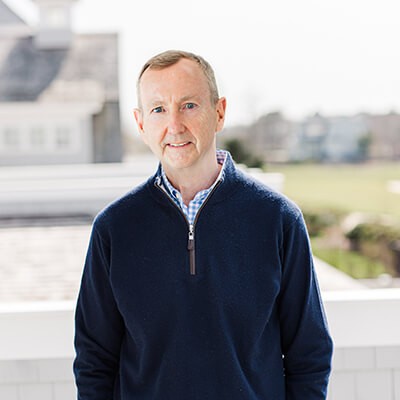
Rowland Bates and the work before the view
From the difficult ground beneath Liberty National to the next homes at Pinewild, Rowland Bates has spent four decades working through the decisions behind resort communities. The finished view comes later.

The postcard that refused to stay small
Brandon began with a camera on the Carolina coast. Sixty-seven years later, the same family business sells an unusually broad promise: strategy, creative and performance that share one scoreboard.

Delphine knew the invitation was part of the party
A lime-green booth, a paper trail to American Greetings, and a designer who treated stationery as something worth keeping. Inside Delphine’s small, carefully composed world.
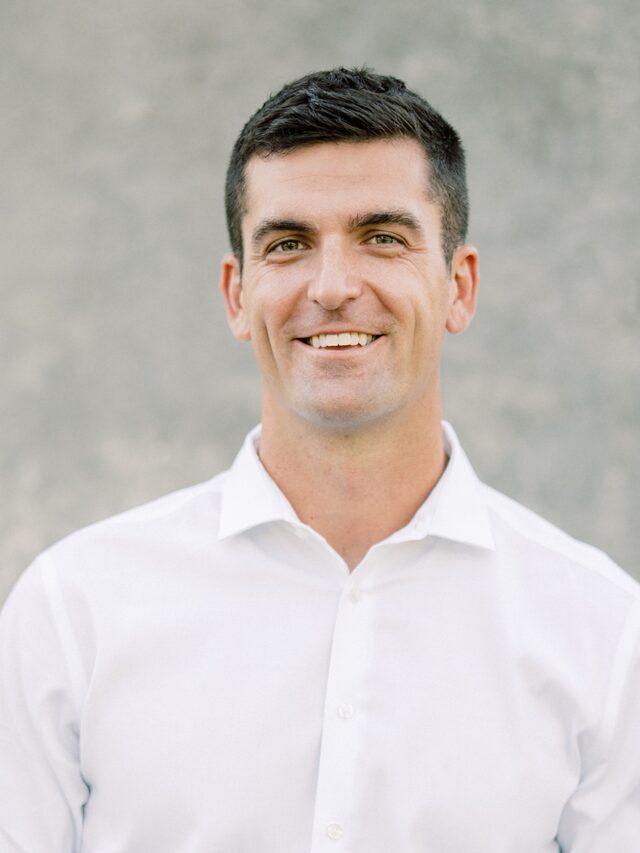
Sean McGinty Is Building the Machine Behind TaxSlayer’s Marketing
He started in paid search, learned to steer a $300 million portfolio through a sudden shock, and arrived at TaxSlayer obsessed with the plumbing beneath good marketing. Now Sean McGinty is pairing measurement with a talking calculator named Calvin.
The Billionaire Quietly Rebuilding Charleston, One Hotel and Tennis Court at a Time
Ben Navarro made his fortune lending to Americans the banks turned away. Now his family office is spending it on hotels, tennis stadiums and schools in one Southern city - and treating Charleston itself as the portfolio.

Zero Industrial Inc.
Zero Industrial is a Charleston, South Carolina developer that decarbonizes industrial heat using thermal energy storage (TES). Instead of burning gas, oil or coal to make heat and steam, its systems charge on cheap off-peak or curtailed clean electricity and discharge it as high-temperature heat. The company finances, builds and operates each project itself, then sells clean heat or steam to factories under long-term Heat-as-a-Service contracts with no upfront capital required from the customer.
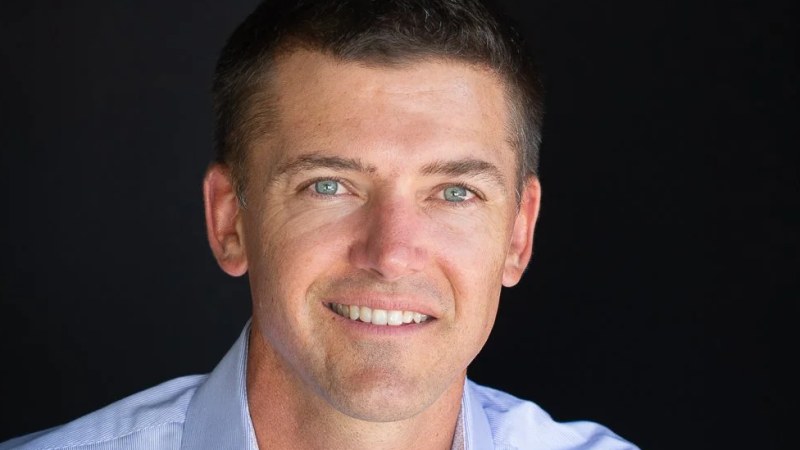
Ted Kniesche
Ted Kniesche is the founder and CEO of Zero Industrial, a Charleston-based startup decarbonizing industrial heat by deploying commercially available thermal energy storage systems and selling clean heat and steam under long-term Heat-as-a-Service contracts. After two decades in clean energy development - including 13 years co-founding and building business development at Fulcrum BioEnergy - he launched Zero Industrial in 2024 with Jim McDermott and closed a $10 million Series A in April 2025 led by Evok Innovations.