plant-based
(36)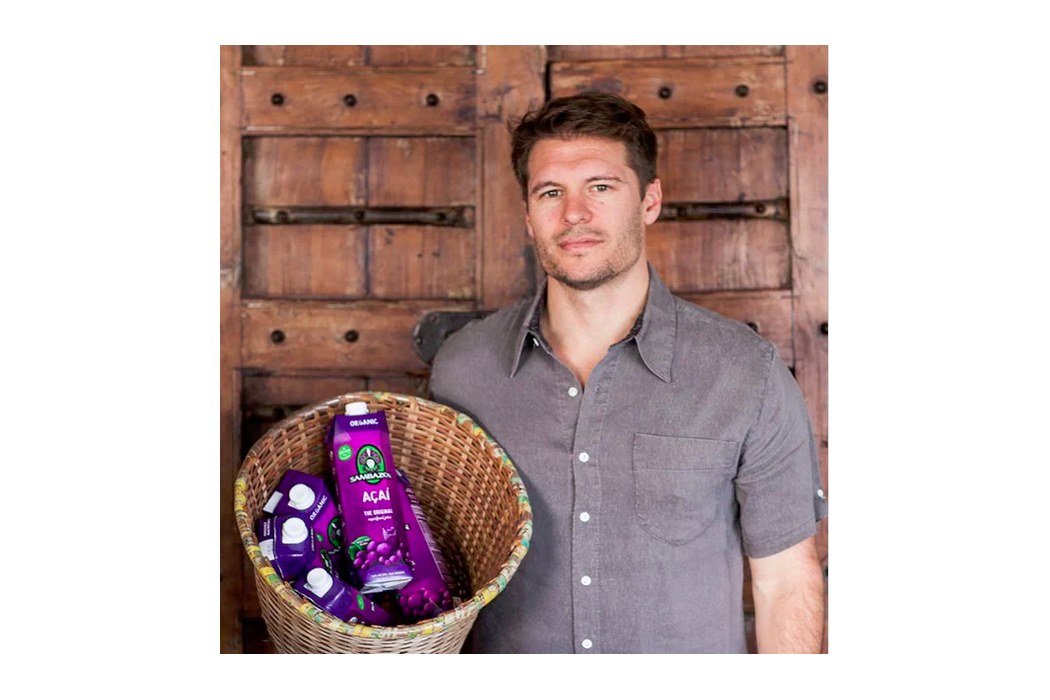
SAMBAZON Bet $50,000 on a Berry America Couldn't Pronounce - Then Built the Category Around It
The frozen pulp was perishable, the name was unfamiliar, and the first bottled drinks stumbled. SAMBAZON survived by making açaí useful before trying to make it famous - and by turning supply-chain control into the brand.
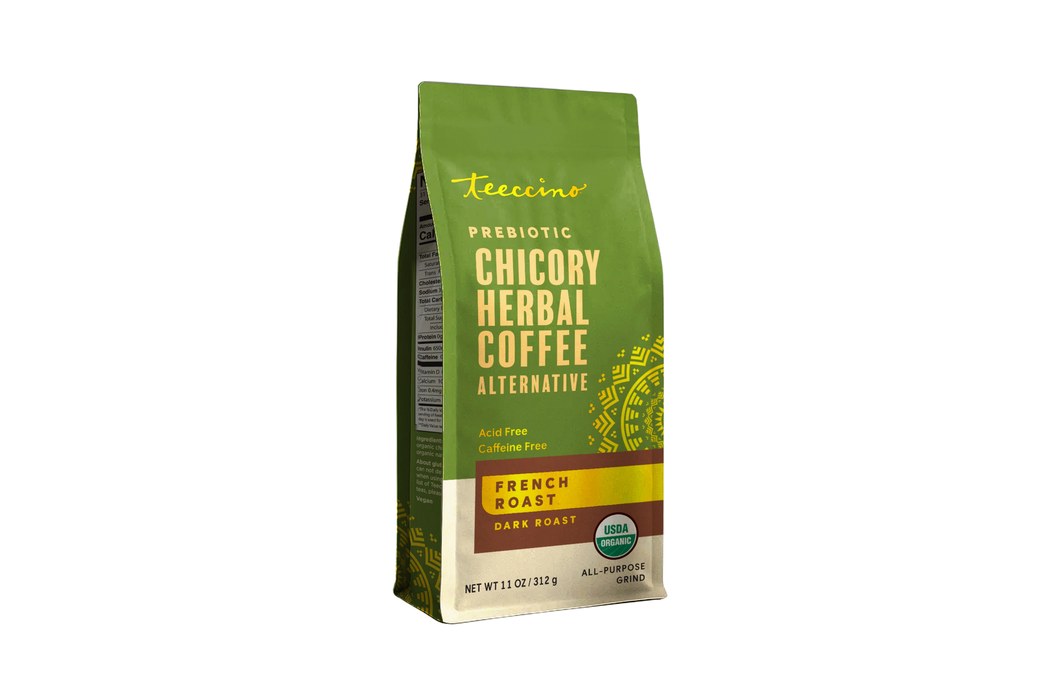
The Woman Who Sold America a Coffee With No Coffee In It
Caroline MacDougall couldn't drink coffee but loved the taste. So she roasted chicory, carob and figs into a caffeine-free brew - and built the best-selling coffee alternative in America.
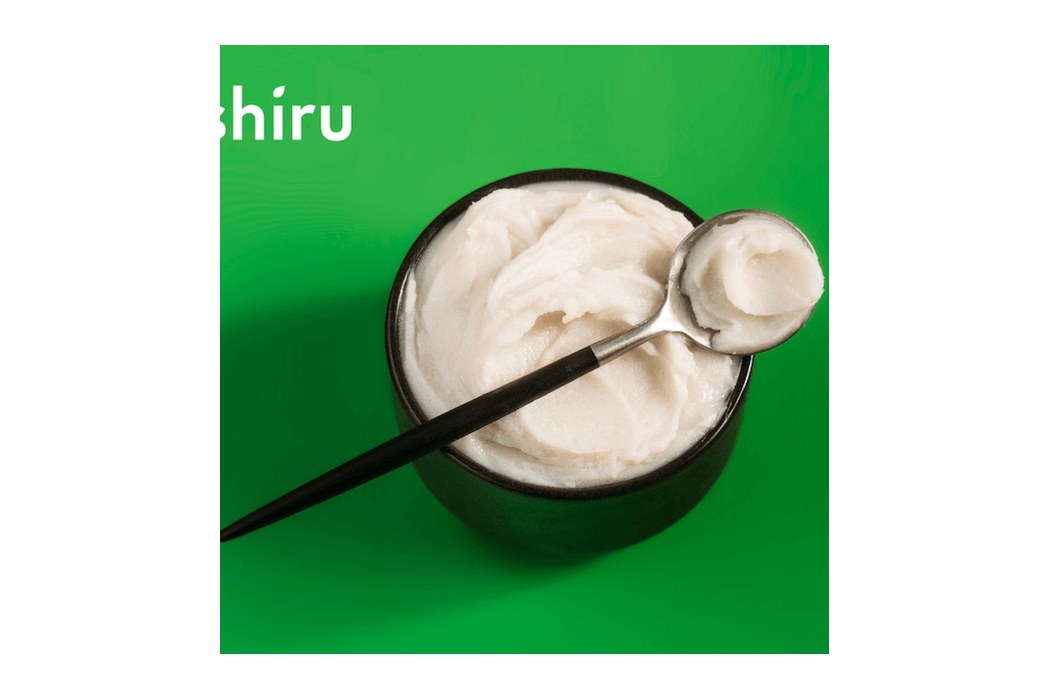
Shiru Built an "Amazon for Proteins" - and It Wants to Kill Palm Oil
A protein biochemist got tired of ingredient hunts that take 15 years. So she built a search engine for nature's proteins - and its first product is a fat that behaves like butter without the palm oil.
The Yellowstone Microbe That Wants Your Breakfast Table
A geomicrobiologist scooped a strange fungus out of a Yellowstone hot spring. A decade and half a billion dollars later, it is being sold as cream cheese, yogurt and breakfast patties.
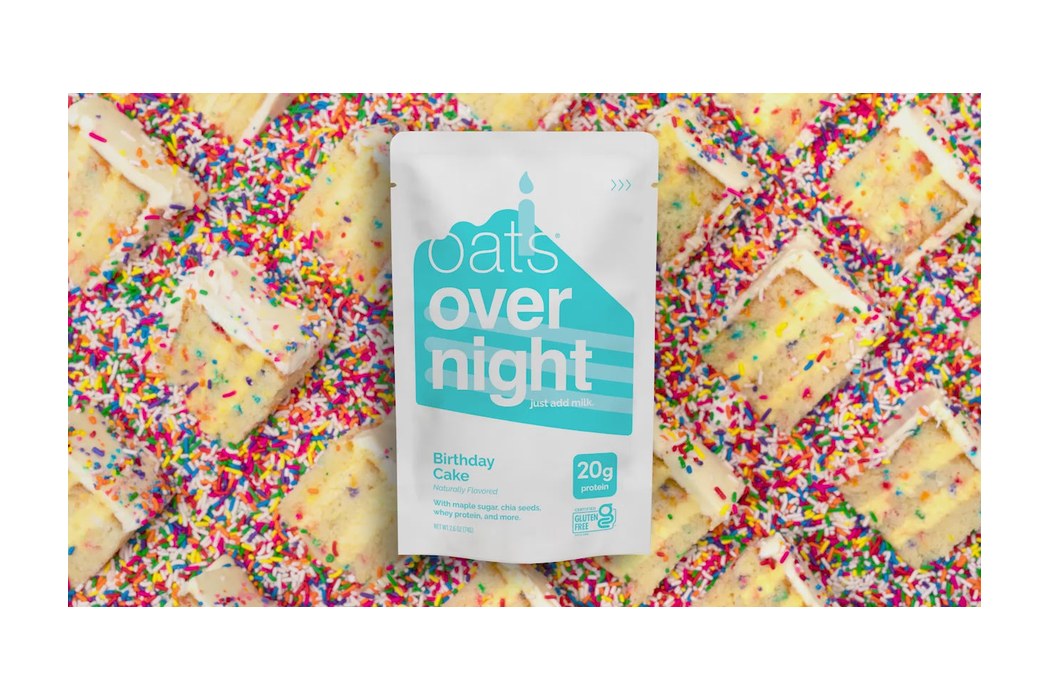
The Card Shark Who Bet It All on Breakfast
Brian Tate spent twelve years grinding high-stakes poker tables. Then he took his winnings, a shaker bottle, and a stubborn idea - that oatmeal could be worth waking up for - and built a business doing more than $200 million a year.

The Fund That Runs the Warehouse Before It Writes the Check
Most food VCs write a check and wait. Siddhi Capital shows up with a supply-chain team - and a thesis that the next decade of consumer eating gets rewritten by weight-loss drugs.
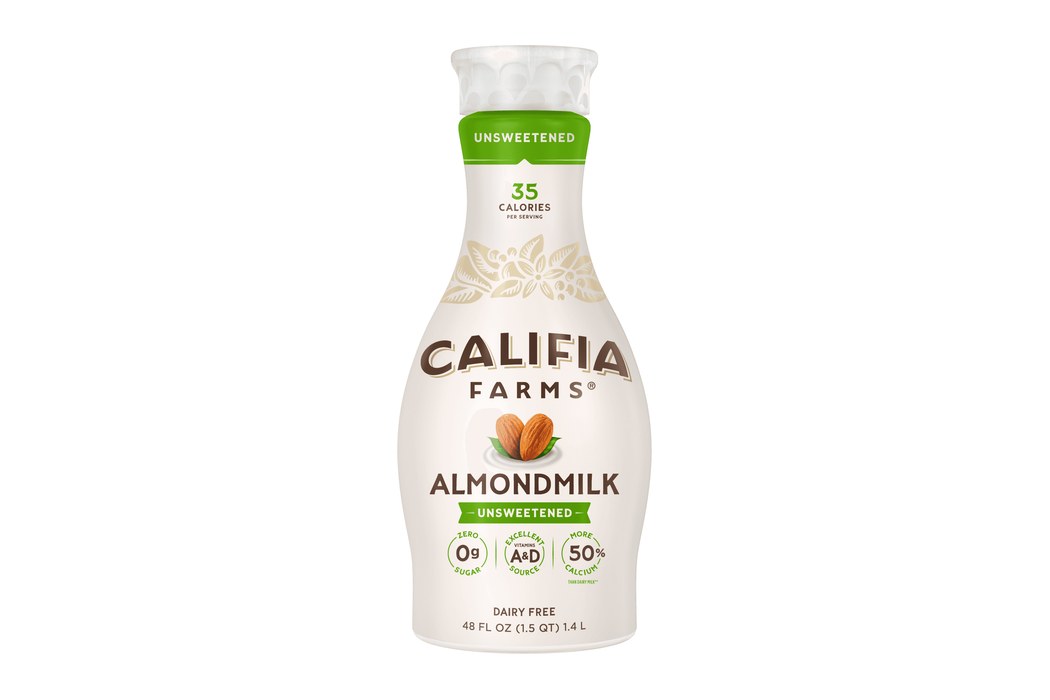
The Curvy Bottle That Convinced America to Pour Almonds in Its Coffee
Founded by the man who once sold Odwalla to Coca-Cola, Califia Farms turned a citrus packinghouse and a strangely shaped bottle into a plant-milk empire pouring in about 30 countries.
The Grocery Chain That Bet Small Stores Could Win the Health Aisle
Founded by a fruit-stand family, Sprouts skips the premium-organic playbook - smaller stores, produce up front, and shelves sorted by diet instead of brand.
The Pineapple That Ate Florida
A married couple built a single South Beach cafe into a 45-store wellness chain on one stubborn idea: food you would actually feed your own kids, served all day. Then a $13 billion private-equity firm bought in.
Vita Coco
How two guys and a bar-room question about homesickness became a public company that pours roughly half of America's coconut water - and files its social mission in the same drawer as its earnings.
Nature's Path Foods
Forty years ago a berry-farmer's son turned his father's one-line advice into a cereal company. Nature's Path is still family-run, still refuses to sell, and still puts organic breakfast on tables in more than 40 countries.
Bel Group
How a Jura cheesemaker became a 120-country snacking machine - and why a 160-year-old family business is now spending it on regenerative farms and lab-made dairy.
Glife Technologies Pte Ltd
Glife Technologies is a Singapore-based B2B food and agri-tech company that digitizes the food supply chain across Southeast Asia. It connects farmers and suppliers directly with restaurants, hotels, caterers and retailers through an app-based sourcing marketplace, its own cold-chain distribution network, and an in-house ERP platform called GlifeWare. By cutting out layers of middlemen and aggregating demand, Glife aims to lower costs for buyers, give farmers reliable access to end-buyers, and improve food safety and food security in the region.
Growthwell Foods
Growthwell Foods is a Singapore-based plant-based protein company building meat and seafood alternatives tailored for Asian palates. Re-founded in 2019 by brothers Justin and Colin Chou on top of their father's 1989 vegetarian food business, it manufactures brands like HAPPIEE! and owns a majority stake in Israeli ingredient maker ChickP, which produces a chickpea protein isolate above 90% purity. Backed by a $22M Series A led by Creadev with Temasek and GGV Capital, the company operates a fully automated R&D and production facility at Senoko and aims to feed a growing region hungry for sustainable, culturally familiar protein.
NotCo
NotCo is a Chilean food-tech company that uses a proprietary artificial intelligence platform called Giuseppe to reverse-engineer animal-based foods and recreate them from plants. Founded in 2015 in Santiago, it makes consumer brands such as NotMilk, NotBurger, NotMayo and NotIceCream, sold across the Americas, and licenses its AI to other food companies. NotCo became Chile's first unicorn in 2021 and runs a plant-based joint venture with Kraft Heinz in North America.
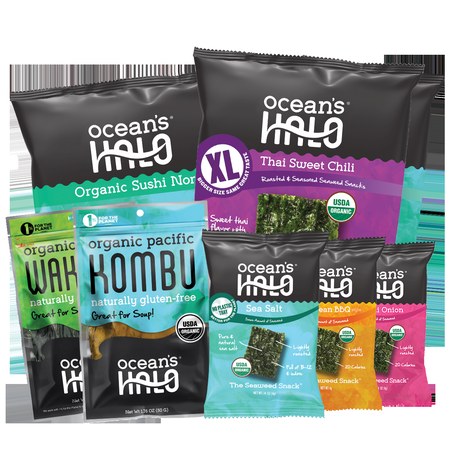
Ocean's Halo
Ocean's Halo is a California-based natural foods company that grows, harvests and packages organic, ocean-to-table Asian-inspired products - from its signature trayless seaweed snacks to frozen kimbap, broths, noodle bowls and sauces. Founded in 2011 as New Frontier Foods by a group of former finance and tech executives, the brand farms its own organic seaweed in a protected bay off South Korea and sells through roughly 10,000 retail doors including Costco, Whole Foods, Walmart and Target, pairing plant-based nutrition with plastic-free, trayless packaging and a 1% for the Planet conservation pledge.
Public Goods
Public Goods is a New York-based, membership-driven direct-to-consumer brand that sells its own line of healthy, sustainable everyday essentials - personal care, household, cleaning, grocery, and supplements - at near-wholesale prices. Pitched by co-founder Morgan Hirsh as 'Amazon with a soul,' the company launched on Kickstarter in 2017, built a single house brand with minimalist design and clean ingredients, and ties purchases to reforestation and food-bank donations.
Renewal Mill
Renewal Mill is an Oakland-based next-generation ingredients company that upcycles the fiber- and protein-rich byproducts of food manufacturing - like okara (soymilk pulp), oat milk pulp, corn fines and off-spec green bananas - into premium gluten-free flours and baking mixes. Founded in 2016 by Claire Schlemme and Caroline Cotto, the women-owned benefit corporation sells both direct-to-consumer and as a B2B ingredient supplier, aiming to keep 100% of what we grow feeding people.
Taika
Taika is a San Francisco-based functional beverage company making ready-to-drink canned coffees and matcha lattes infused with adaptogens and functional mushrooms - ingredients like L-theanine, ashwagandha, and lion's mane - meant to deliver focused energy without the jitters or crash. Founded in 2019 by former Facebook engineer Michael Sharon and world-class barista Kalle Freese, the brand is plant-based and sweetened with monk fruit for zero added sugar. Its tagline, 'Feel Inspired, Not Wired,' captures the pitch: caffeine with calm, sold direct-to-consumer online and through retail.
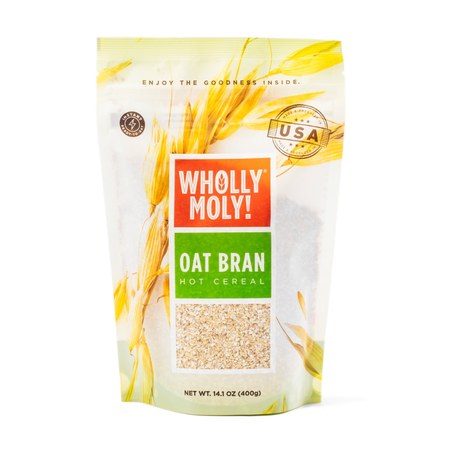
Wholly Moly!
Wholly Moly! (好哩) is a health-food brand built on a simple, slightly stubborn premise: that oat bran - the fibrous outer casing of the oat that most milling throws away - deserves to be the center of a meal rather than a byproduct. Founded by Claire Cao Fang and operating between Silicon Valley and Shanghai, the company turns North American oats into instant porridge, hot cereal, and lightweight-packaged oat drinks aimed at younger Chinese consumers looking to swap refined white rice for whole grains. It raised roughly US$10 million in a Series A round led by Adrian Cheng's C Ventures in 2020.

Bloomi
Bloomi is a sexologist-led, direct-to-consumer intimate wellness brand offering clean, plant-based products - lubricants, arousal oils, intimate washes, moisturizers, and body-safe vibrators - designed for sensitive skin and free of common vulvar allergens. Founded by sexologist Rebecca Alvarez Story, the company pairs a proprietary 'Clean Standard' for ingredient transparency with shame-free sexual health education, and became the first Latina-founded brand to launch in the sexual wellness aisle nationwide at Target.
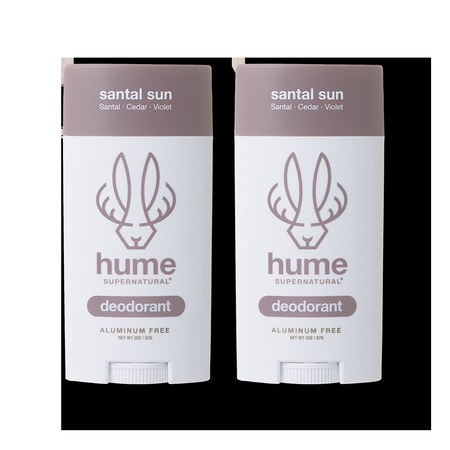
Hume Supernatural
Hume Supernatural is a San Diego-based clean personal care company making plant-, mineral-, and probiotic-based products - led by an aluminum-free deodorant - that support the skin microbiome while controlling odor. Founded in 2020 by an attorney, a Sun Bum veteran, and a cosmetic chemist, the brand rejects the trade-off between 'natural' and 'effective,' formulating from scratch with proprietary biotech ingredients. It sells direct-to-consumer, on Amazon, and through retailers including Whole Foods, Sprouts, and CVS, and has grown into one of the fastest-growing natural deodorants in the U.S. natural retail channel.
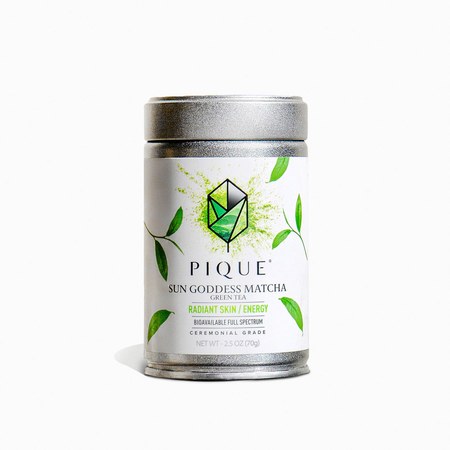
Pique
Pique (piquelife.com) is a Los Angeles-based direct-to-consumer wellness brand best known for pioneering crystallized whole-leaf tea. Founded by Simon Cheng, the company turns organic teas and plant compounds into single-serve crystals that dissolve in cold or hot water, and it has expanded into skin, gut, hydration and energy supplements built around its Cold Extraction Technology and Triple Toxin Screening standards.
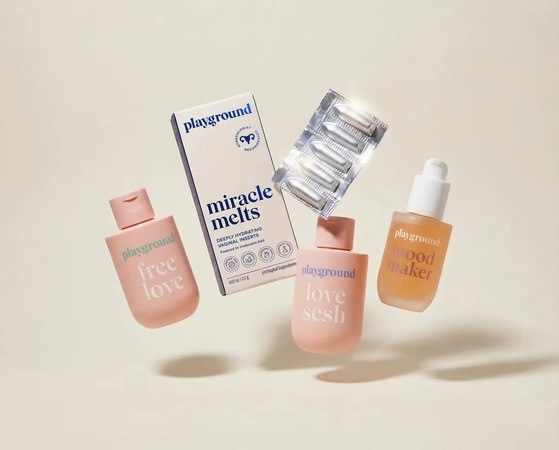
Playground
Playground is a female-founded sexual wellness brand making clean, vegan, water-based personal lubricants and intimacy products intentionally formulated for women. Its FDA-cleared, clinically tested formulas blend adaptogens like ashwagandha with skincare-grade ingredients such as hyaluronic acid, vitamin E and bamboo extract to support vaginal health while boosting libido. Co-founded with pop icon Christina Aguilera as Chief Brand Advisor, Playground raised $2M in seed funding and sells direct-to-consumer plus retail partners including Target.

Quantum Energy Square
Quantum Energy Square is a Venice, California-born food brand that makes plant-based energy bars engineered to replace the energy drink. Each square pairs 100mg of caffeine from organic green coffee with 10g of plant protein and balanced macronutrients from fruits, nuts and seeds, so the caffeine releases slowly for steady, no-crash energy. Founded by Daniel Medvene and Leah Marquez after 200-plus recipe iterations, the company sells direct-to-consumer and through Whole Foods, Sprouts, REI and Thrive Market, and is the official energy bar of IRONMAN and Rock 'n' Roll Marathon events.
Tezza Foods
Tezza Foods makes the first dairy-free yogurt that goes spoon-for-spoon with Greek yogurt. By culturing and straining organic American-grown soymilk, the Oakland-based company turns whole soybeans into a thick, high-protein yogurt with the protein and probiotics of dairy Greek yogurt - plus fiber and omega-3s - using about 90% less land, water and emissions than dairy. Founded in 2019 by MIT-trained microbiome scientist Nathaniel Chu and Josh Moser, Tezza is a public benefit corporation built on the idea that the world's most nutritious and sustainable protein should be the one we all eat.

Homecourt
Homecourt is a luxury home and personal care brand founded in 2022 by actress Courteney Cox and beauty-industry veteran Sarah Jahnke. It applies beauty-grade standards to everyday household products, selling non-toxic, plant-based, fine-fragrance cleaning sprays, candles, body care and laundry products through its own site and retailers including Nordstrom, Bluemercury, Revolve and Amazon. The company raised an $8 million Series A in October 2025 led by CULT Capital after doubling revenue every year with a famously tiny team.
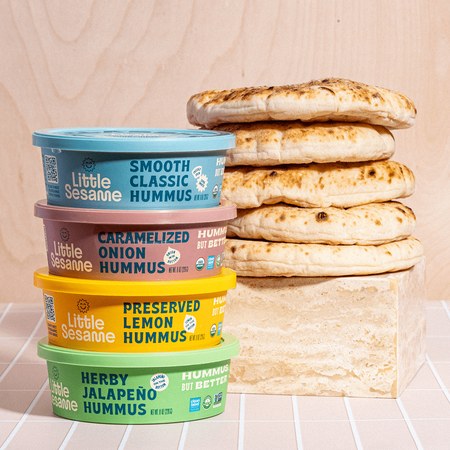
Little Sesame
Little Sesame is a Washington, D.C.-born food company that makes freshly spun, organic hummus from regeneratively farmed American chickpeas. What began in a 500-square-foot basement beneath a deli has grown into a two-part business: a fast-casual hummus restaurant and a national consumer-packaged-goods brand sold in more than 1,000 retail doors, including Whole Foods, Sprouts and Wegmans. The company pairs chef-driven flavor with a direct, traceable supply chain that supports regenerative organic farmers and treats good agriculture as a climate tool.

NuCicer
NuCicer is a Davis, California agtech and food-tech company breeding a new generation of high-protein chickpeas. Spun out of UC Davis and built on the largest pool of chickpea genetic diversity on earth, the company uses predictive (precision) breeding and genomics to develop chickpea varieties with up to 75% more protein than conventional beans - alongside better flavor, lower fat, and higher fiber. NuCicer sells whole beans, functional flours, protein powders, and bespoke trait packages to food brands seeking minimally processed, sustainable plant-protein ingredients that out-compete soy and pea isolates on taste and texture.
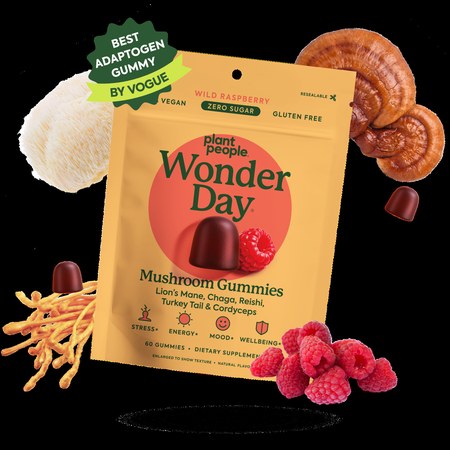
Plant People
Plant People is a plant-based functional wellness brand making science-backed, zero-sugar supplements built around functional mushrooms, adaptogens, and vitamins. Founded by Hudson Gaines-Ross and chef Gabe Kennedy, the company sells a line of 'Wonder' gummies and chews - WonderDay, WonderSleep, WonderFocus, WonderCalm and more - direct-to-consumer and through major retailers including Whole Foods, Sprouts, Target, REI and Amazon. A Certified B Corporation, Plant People grew profitably for roughly seven years before raising a Series A led by Manna Tree Partners in November 2025.