nonprofit-fundraising
(19)
Yoonhyung Lee and the art of asking people to care
Before she became CEO of M+R, Yoonhyung Lee helped invite the public into the Smithsonian’s work. Her career follows a deceptively difficult question: how do you turn someone’s interest into a reason to take part?
Relationship Science knows who can open the door
A promising name is easy to find. The person who can introduce you is harder. RelSci built a business around that second search.
FreeWill made the will free. Charities pick up the bill.
FreeWill turns an avoided chore into a doorway to charitable giving. The people making wills pay nothing; the organizations hoping to inherit pay for the tools.
OneCause turned the charity auction into a year-round business
A bidding tool became a fundraising platform by paying attention to the least glamorous moments of generosity. Now part of Bonterra, OneCause wants the relationship to last longer than the gala.

The Charity Button That Asked Donors to Pay the Bill
GoFundMe Charity offered nonprofits a full fundraising desk with no subscription and a tip jar at checkout. Twenty-three months after launch, the desk was folded away - and the recurring donations went with it.
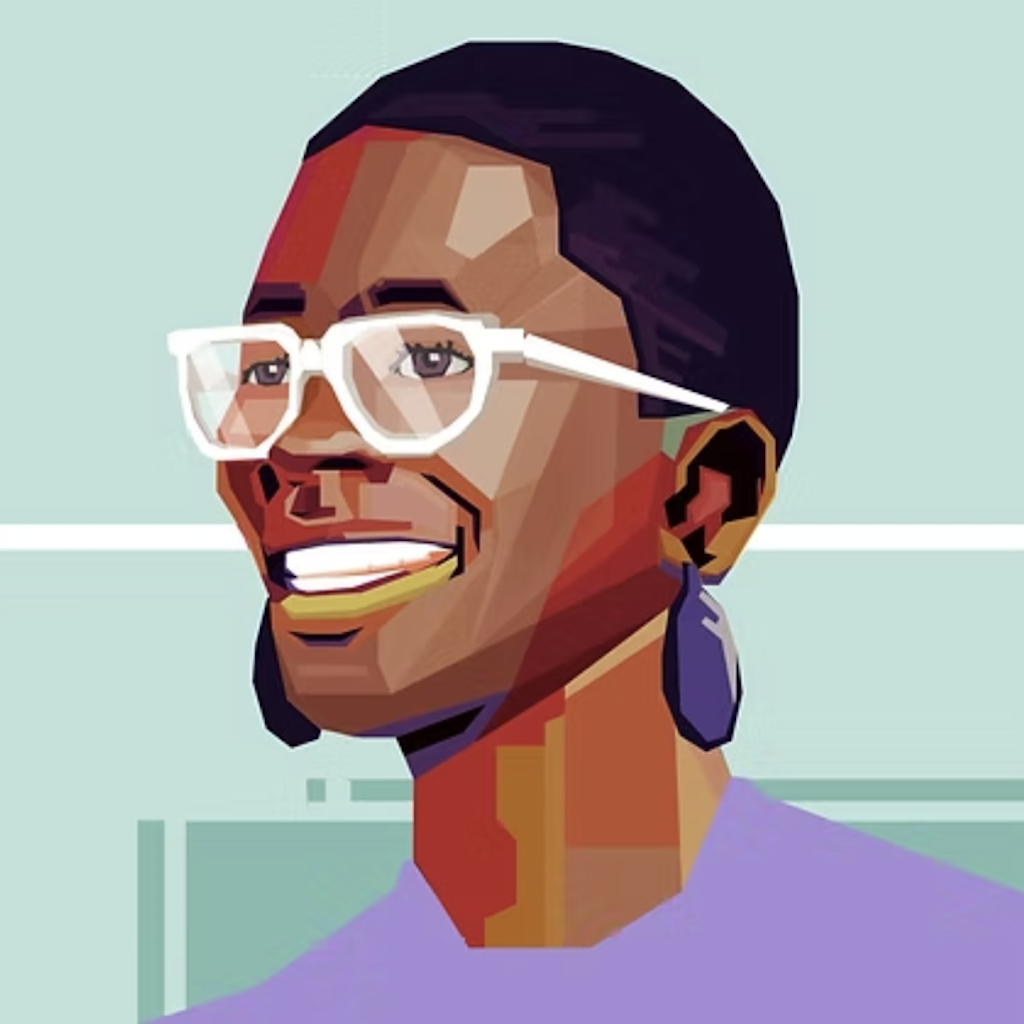
The Editor Who Learned to Read the Room
Before she helped nonprofits win support, Ewurama Ewusi-Mensah learned how to make difficult ideas readable. Now the editor-turned-fundraising strategist is building the quiet systems that let missions speak clearly - and endure.
The Little Agency That Learned to Speak Government
MARQUEE began with one journalist writing in a basement. Twenty years later, the Youngstown firm has discovered that the road from local storytelling to a National Park Service contract runs through patience, paperwork and knowing exactly whom you want to serve.
The Gift Shop That Funds a Mountain
For nearly a century, a small South Dakota nonprofit has turned souvenirs, memberships and private gifts into the invisible infrastructure of Mount Rushmore - from ranger talks to a $17 million parking garage.
The Fundraiser Who Asks Before It Tells
For nearly four decades, O'Brien Garrett has made a business of listening to donors before asking them for money. The method is old-fashioned, measurable, and unusually suited to moments when the public mood moves faster than a campaign calendar.
The Agency That Made Staying Close a Business Model
For nearly three decades, Carol and Lonnie Chenkin have sold clients something larger agencies struggle to package: memory, proximity, and the promise that the people pitching the work will stay close enough to finish it.
A&CO Sells the One Thing Marketing Budgets Cannot Buy: The Right Introduction
The Los Angeles agency works in the narrow corridor where culture, commerce, and causes meet - building partnerships that carry money, meaning, and the risk of getting either one wrong.
CoMission Turned a Small Town’s Rolodex Into Civic Infrastructure
The Sebastopol consultancy sells something most cities cannot download: trusted introductions, patient listening, and enough structure to turn a roomful of good intentions into work.

Trinet Internet Solutions and the business of the next click
A prayer request, a donation, a sermon search: Trinet builds the small digital steps that bring people closer to an organization. Its work across ministries and businesses reveals why the useful website often beats the merely handsome one.
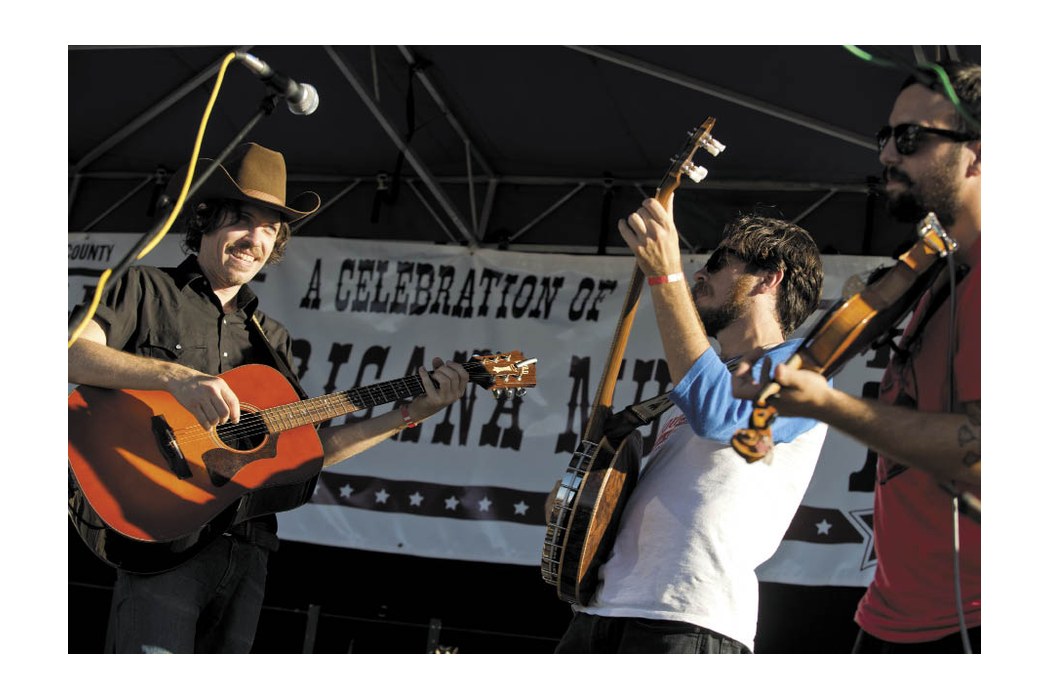
The benefit concert begins with a low-backed chair
Event Planning & Marketing Communications built its public identity around EarleFest, an Americana fundraiser. The interesting work happened where the music, the message and the folding chairs met.
Givzey Found a $600 Million Business Hiding Between a Donor’s ‘Yes’ and the Check
The Boston startup began by borrowing buy-now-pay-later logic for philanthropy. Then it found the larger prize: the messy, expensive gap between a promised gift and money an organization can actually plan around.
When Events Vanished, Princess Margaret's $180.8 Million Fundraising Machine Kept Moving
The Toronto foundation learned the hard way that a beloved event can disappear overnight. Its answer was a portfolio of rides, lotteries, major gifts and donor tools that produced CA$180.8 million net in fiscal 2026 - a practical blueprint for charities that need both emotion and financial durability.
Gravyty
The Boston company teaching universities and nonprofits how to raise more money with less busywork - by handing fundraisers an AI that writes the first draft.
Vance Roush
Vance Roush is the founder and CEO of Overflow, a fintech platform that makes it simple for churches, nonprofits, and schools to accept stock, crypto, and cash donations online. A first-generation Asian American raised in Kent, Washington, he studied at the University of Washington's Foster School of Business, spent time at Google and ADARA, and co-founded VIVE Church in the Bay Area. His work as the church's finance lead exposed how clunky it was to donate appreciated assets, which led him to launch Overflow in 2020. The company has raised roughly $30M, including a $20M Series B in 2024, and Roush frames his mission around Proverbs 11:24 and building an 'Amazon for giving.'
應援科技 OenTech
應援科技 OenTech is a Taipei-based fintech that runs a one-stop integrated payment cloud platform combining third-party payment processing with a CRM-style supporter management system. Tailored for nonprofits, creators, political campaigns, temples and merchants, it lets organizations accept donations, sell tickets and merchandise, manage memberships and issue receipts on a single, security-certified stack. Certified to PCI-DSS Level 1, ISO 27001 and ISO 27701, Oen positions itself as one of Taiwan's most secure payment platforms and now serves more than 1,000 organizations.