The oddest thing about FreeWill is the invoice. A person arrives to decide who should inherit the house, who should look after the children, perhaps who will take the dog. The software helps turn those decisions into an estate document. The bill is zero. Somewhere else, a nonprofit pays for a subscription. The connection between those two transactions is the company’s entire proposition.
- For individuals: free estate documents, with charitable giving optional.
- For nonprofits: paid tools to find, record and nurture future gifts.
- The important distinction: a bequest commitment is future potential, not cash in the bank.
01 The gift hiding inside the chore
In a 2019 interview, co-founder Patrick Schmitt described the gap he and Jenny Xia Spradling had studied at Stanford. People struggled to get their estate planning done. When they eventually did, charitable giving often never entered the conversation. A charity could send a lovely letter about legacy and still leave its supporter with the unpleasant business of finding a lawyer and arranging an appointment.
FreeWill put the invitation and the means of acting on it together. Its online questionnaire guides people through making a will, including an opportunity to leave something to a cause. The psychological logic is modest and persuasive: someone already considering what matters after their death is in a reasonable position to consider an organization that matters during their life.
Committed to nonprofits. Future gifts are counted here; this is not a tally of cash already received.
That qualification earns its place beside the number. A will can change. A person’s assets can change. A gift may arrive many years later. The company’s current consumer site also reports more than 1.5 million wills created. Together, the figures describe substantial activity; they do not establish how much money charities have collected.
02 The person clicking is not the person paying
FreeWill is a for-profit public benefit corporation. Nonprofits subscribe to tools and services that help turn supporters into legacy donors. The Planned Giving Suite combines estate-giving workflows with reporting and strategic support. Branded microsites explain giving options. Featureships put participating charities in front of people using the public will-maker. A useful household service becomes an opening for a fundraising relationship.
There is no single public sticker price for every nonprofit package; organizations are directed to sales. For the individual, the core estate tools cost nothing. Financing is a separate matter: FreeWill announced a $30 million Series B led by Bain Capital Double Impact in March 2022 to develop products and expand its nonprofit support.
The arrangement has competition. Giving Docs also offers nonprofit-sponsored estate-planning tools. Trust & Will competes for people seeking online estate documents; an estate attorney offers a different level of personal advice. FreeWill’s position is the combination of consumer convenience, nonprofit distribution and ongoing fundraising work. A price of zero is a fine introduction. The relationship afterward is what the charity buys.
03 A printer still has a vote
A will-maker can record intended beneficiaries, nominate an executor and address guardianship wishes. Other FreeWill tools cover healthcare directives, financial powers of attorney and revocable living trusts. These tackle different questions: inheritance, medical choices and who may handle finances. Putting them online makes beginning easier. It also makes a familiar distinction easy to miss: drafting a document and completing it are separate jobs.
FreeWill supplies instructions for signatures, witnesses and any required notarization. Its trust workflow also calls for transferring assets into the trust. A downloaded file cannot perform those steps. The company says it is not a law firm, and its own educational guidance points people with complicated families, businesses or property across states toward an attorney. Convenience has a jurisdiction.
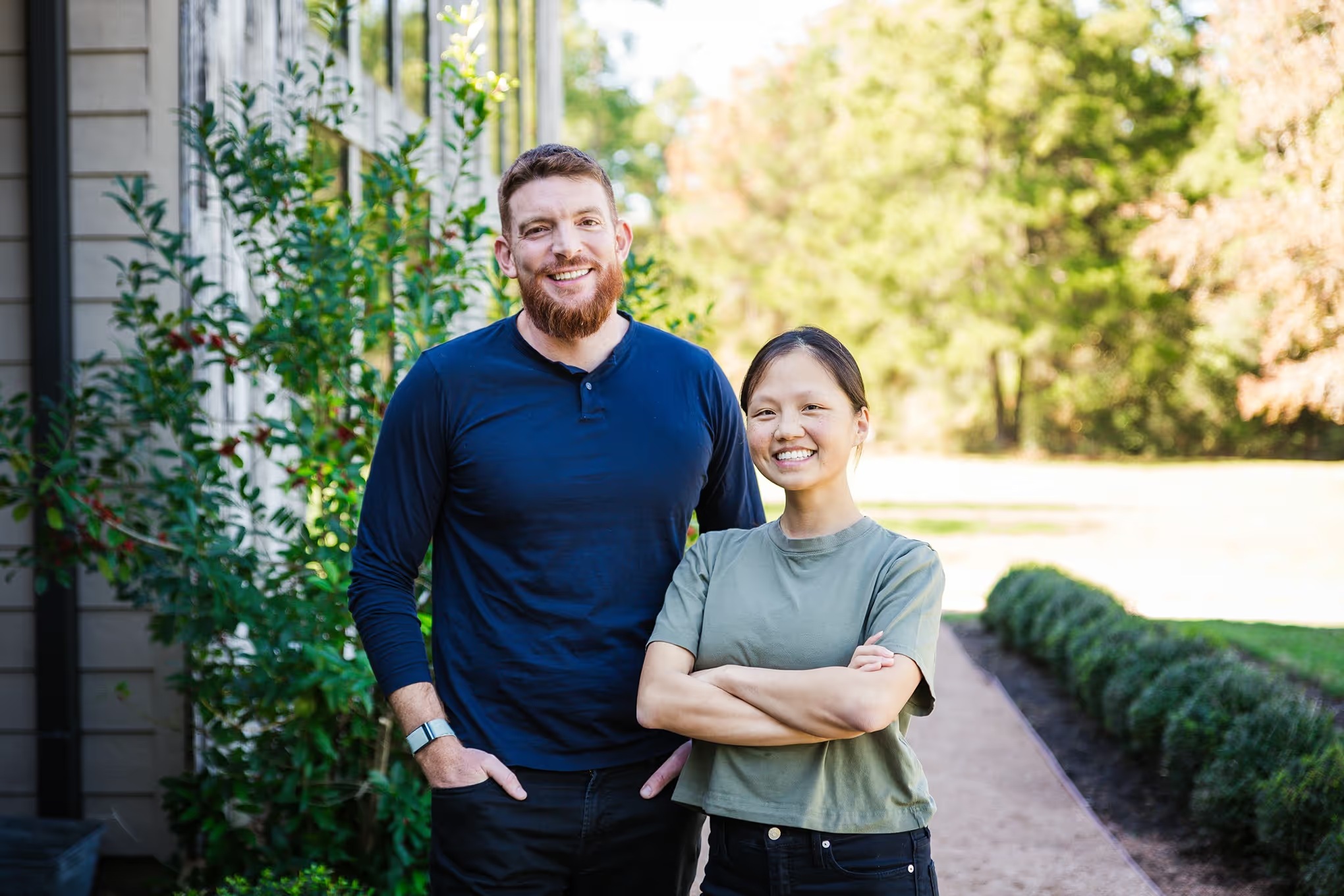
The legal boundary was present early. In Stanford’s 2022 founder conversation, Xia Spradling recalled the California Bar Association threatening to shut the venture down while they were still students. “We are like dead in the water, month three,” she remembered. This is her account of an early obstacle. It explains why the distinction between software and legal advice deserves attention.
04 Customers kept finding another jam
The nonprofit customer has more problems than collecting bequests. FreeWill’s Smart Giving Suite helps organizations receive securities, donor-advised-fund grants, qualified charitable distributions and cryptocurrency. These gifts bring their own administrative work. In the founders’ Stanford account, customers asking for help with stock giving pulled the company beyond its original will tool.
“Before FreeWill, we were talking to donors about non-cash gifts, but our partnership let us move from education to action.”
Pamela Leonard · American Heart Association
Testimonial published by FreeWill
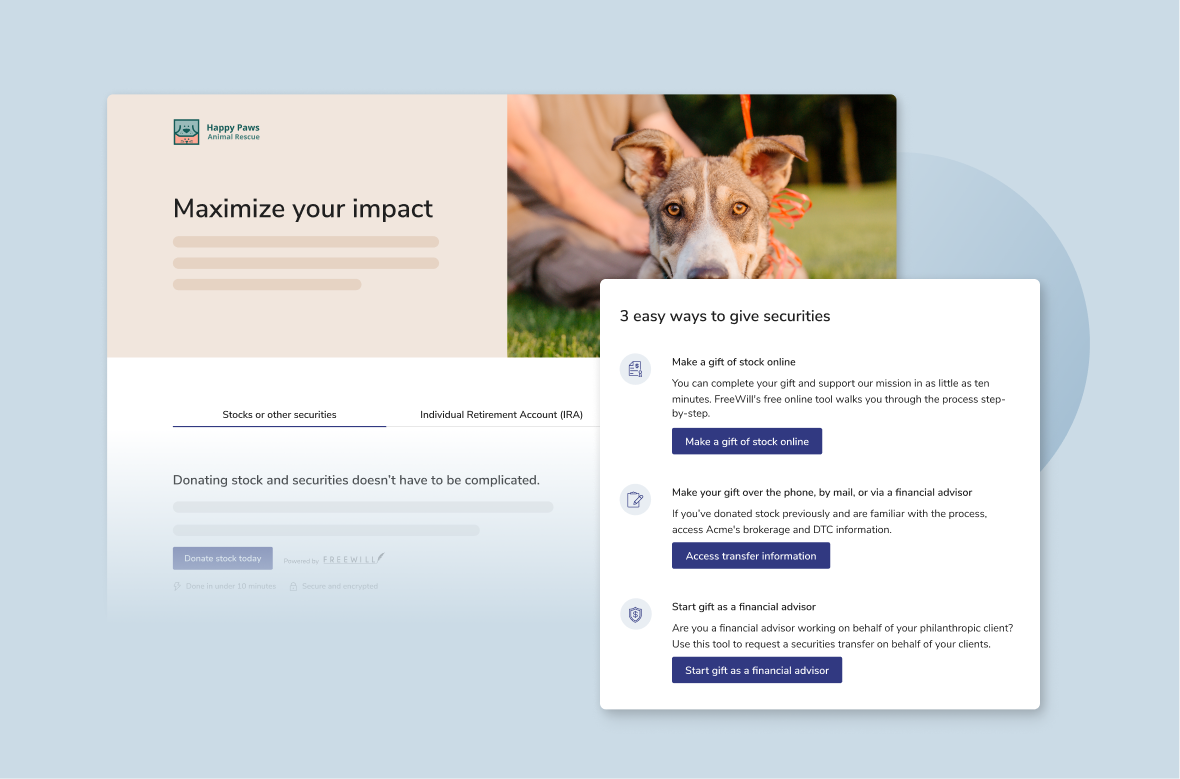
In October 2024, that search for the next obstruction took FreeWill into grants. It acquired Grant Assistant, whose tools help discover opportunities and draft proposals. Schmitt’s acquisition essay says customer previews were decisive. One grant writer told the team, “I would cry tears of joy if I could have this product in my role.”
A week later came Estately, an estate-planning platform for financial advisers, offering self-directed and attorney-led workflows. Mercer Advisors had collaborated on its design for 18 months as an anchor customer. Both moves extended the business into adjacent work where an interested customer still needs help completing the task.
05 Copy the sequence, keep the patience
The practical lesson travels beyond wills. Offer a service people need. Put a workable next step beside the invitation. Support the organization that must follow up. A nonprofit still needs staff to communicate with donors and time for legacy gifts to mature. A tool cannot turn a distant inheritance into this month’s payroll.
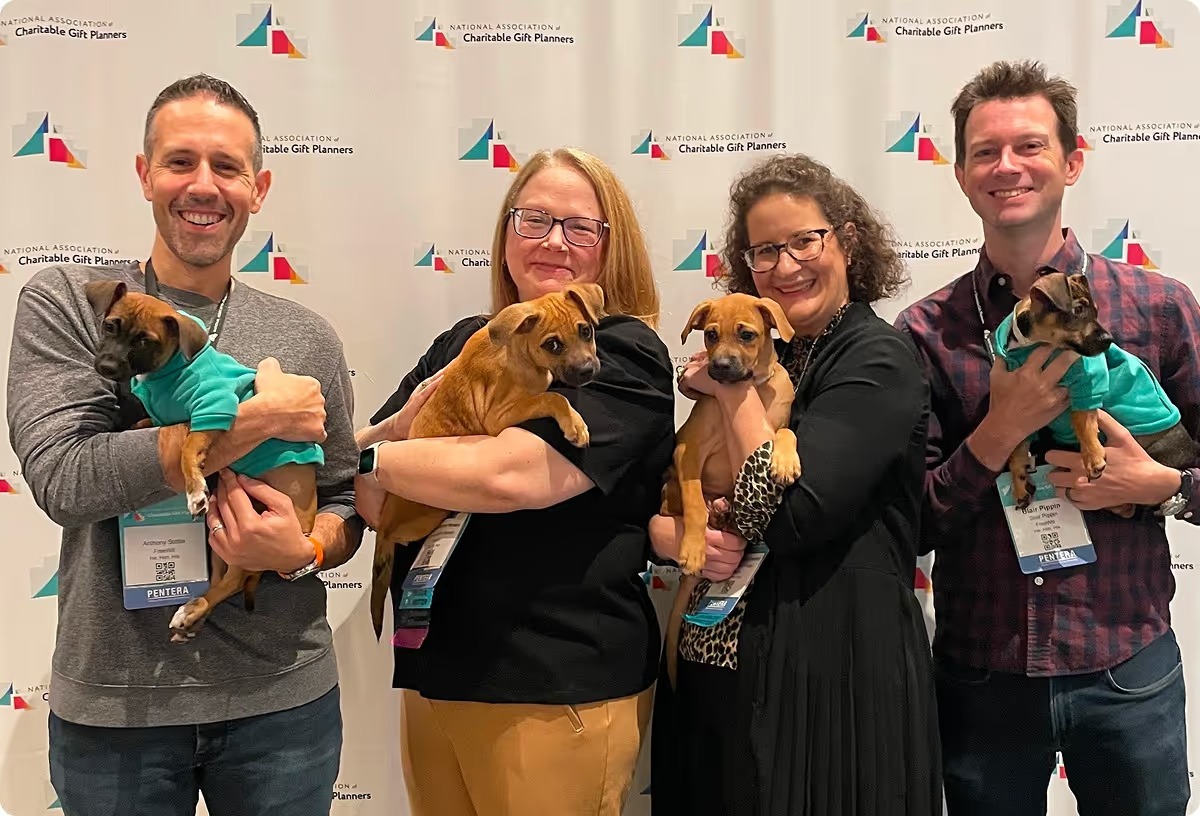
FreeWill describes a remote-first workplace organized around focus, kindness, joy and courage. That fits a company selling help with an uneasy subject. Its copyable advantage is the sequence: something useful today, an optional commitment for tomorrow, and a relationship in between. For charities prepared to wait, the household chore nobody enjoys becomes a conversation worth having.