new-york-tech
(46)
When the Room Went Dark, Eran Ben-Shushan Rebuilt the Stage
The Bizzabo co-founder spent a decade teaching software to understand a crowded room. Then every room emptied, and his company had two weeks to learn an entirely new language.

Jonathan Awad Is Teaching Finance to Trust Strangers Again
His parents arrived in America without a file that could vouch for them. Decades later, the Baselayer co-founder is building the machinery that decides which businesses - and now which AI agents - deserve to be believed.

David Kashak and the Useful Pivot
He began with a prototype, an old relationship and publishers too small to fear an experiment. A decade later, David Kashak’s most revealing achievement is not merely Connatix’s scale, but his habit of changing the product before the market changed the company.

Tannya Bautista Has Made a Career of Arriving Before the Playbook
Across email, music, voice AI, mobile advertising, and self-care software, Tannya Bautista kept choosing the awkward moment before a sales motion became obvious. Three ground-up GTM builds later, ambiguity looks less like a hazard than her preferred working material.

Johnny Ho and the Art of the Useful No
Before he helped turn search into a conversation, Johnny Ho learned to prize the exact answer, the fast decision, and the feature left unbuilt. His career is a study in disciplined velocity.
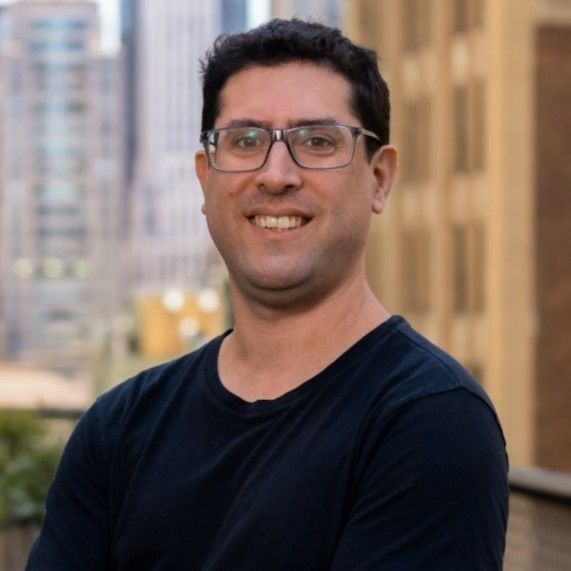
Renen Hallak Saw the Bottleneck Before the Boom
A computer scientist who was taught neural networks did not work built VAST Data for the moment they would. Ten years later, his storage company is trying to become the operating system beneath artificial intelligence.

Ilana Matro Makes a Career of the Problems Without a Playbook
After six years crossing the seams of MongoDB's revenue organization, Ilana Matro has joined Cursor to build the operating backbone for a company moving at AI speed. Her specialty is making change legible before it becomes comfortable.
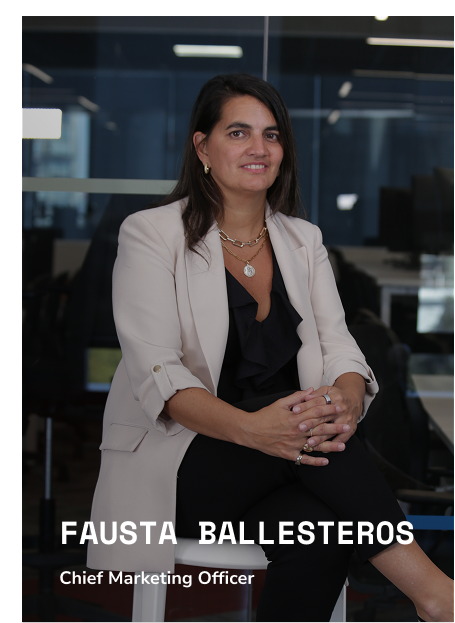
Fausta Ballesteros Turns Culture Into the Operating System for AI
The Wizeline CMO has spent more than two decades making technical companies legible, human and connected. Her durable idea is simple: culture is how strategy learns to move.

Shachar Orren Left the Newsroom - Then Built the Business Meant to Keep Newsrooms in Business
After nearly a decade editing other people’s stories, Shachar Orren joined a six-person startup and learned to sell. Twelve years, one rebrand and several pivots later, she is still working on the same stubborn question: how can publishers turn attention into a business without making the audience pay the price?

Anne-Sybille Pradelles Is Making Money Keep Its Receipts
The Formance co-founder learned how companies grow at cybersecurity startup Alsid. Now she is applying the lesson to a quieter problem: making every dollar in motion explain itself.

Andrew Brown Is Making Payroll Boring - On Purpose
After selling an ebook startup to Google, the engineer chose a stranger second act: rebuilding payroll so well that millions of people never have to think about it.

Benjamin Harris Got Expelled for Hacking. Then He Built a Company Around the Attacker's View.
A school expulsion, a two-week ultimatum and a one-way ticket to Singapore became the unlikely operating system for watchTowr - a security company built to see what attackers see before they act.

Brendan Hannigan Keeps Finding the Door Everyone Left Open
From a compulsory FORTRAN class in Dublin to Q1 Labs, IBM Security and Sonrai, Brendan Hannigan has spent a career making invisible access visible. His latest wager is simple: the cloud gets safer when unused permission is removed before an attacker can borrow it.

Ben McRedmond Is Building the Spreadsheet He Had to Fail Once to Understand
After Intercom, an ambitious email startup, and one candid post-mortem, Ben McRedmond arrived at a counterintuitive product doctrine: build the whole foundation, change less than your ego wants, and place one large bet where it matters.

Ashwin Ramesh Is Building the Boring Machinery That Makes Local Business Visible
He started with a three-dollar domain and a gaming server. Two decades later, the Synup founder is still turning tedious internet chores into software - now with AI back at his fingertips.

Andreas Cleve Is Building the Quiet Layer Beneath Healthcare AI
Long before the ambient-scribe rush, Andreas Cleve made a stubborn bet: the useful AI in a consultation would listen carefully, understand context and stay out of the way. A decade later, Corti is turning that bet into infrastructure.
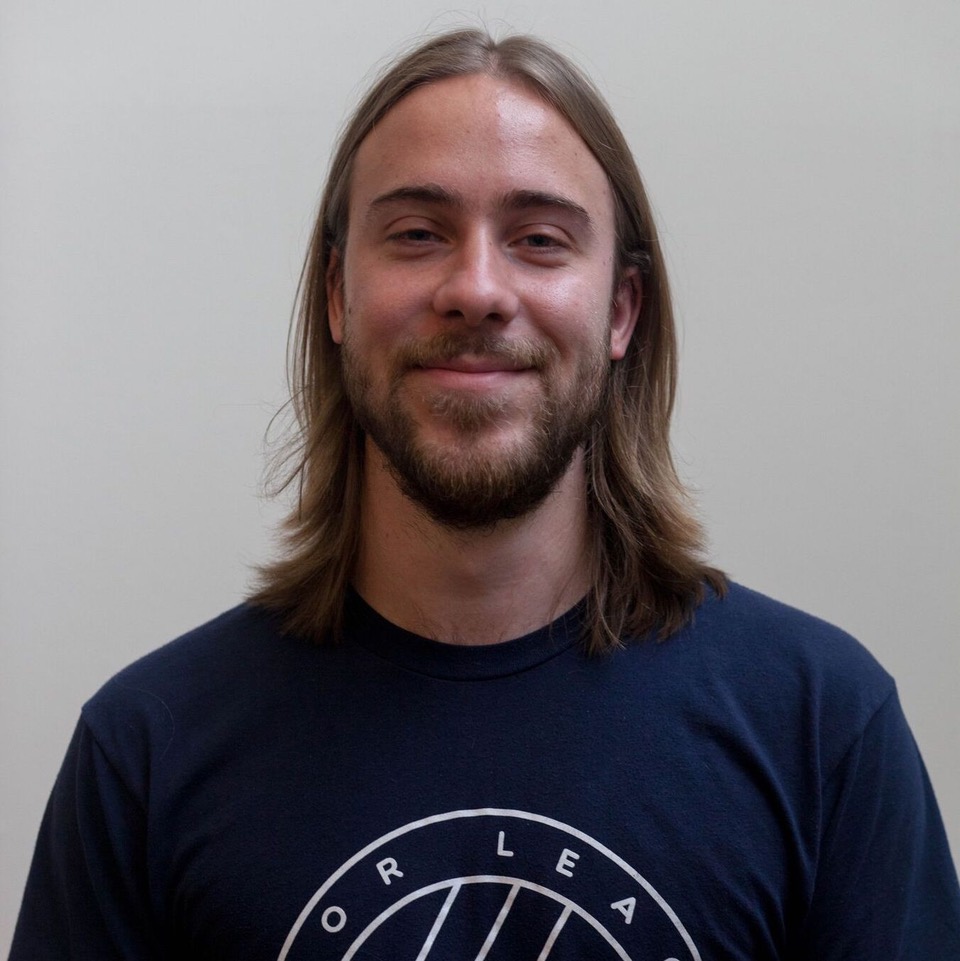
Mike Swift Built a League for the Kids Who Would Rather Make Something
He arrived at his first hackathon expecting an elite coding contest. What he found was a room where beginners could belong - and a blueprint for more than a decade of building developer communities.

Vinay Nathan Has Spent 13 Years Teaching Factories to Tell the Truth
Before factory AI can sound clever, someone has to connect the old machines, clean up the records and prove the software pays. Vinay Nathan built Altizon around that less glamorous - and more useful - work.
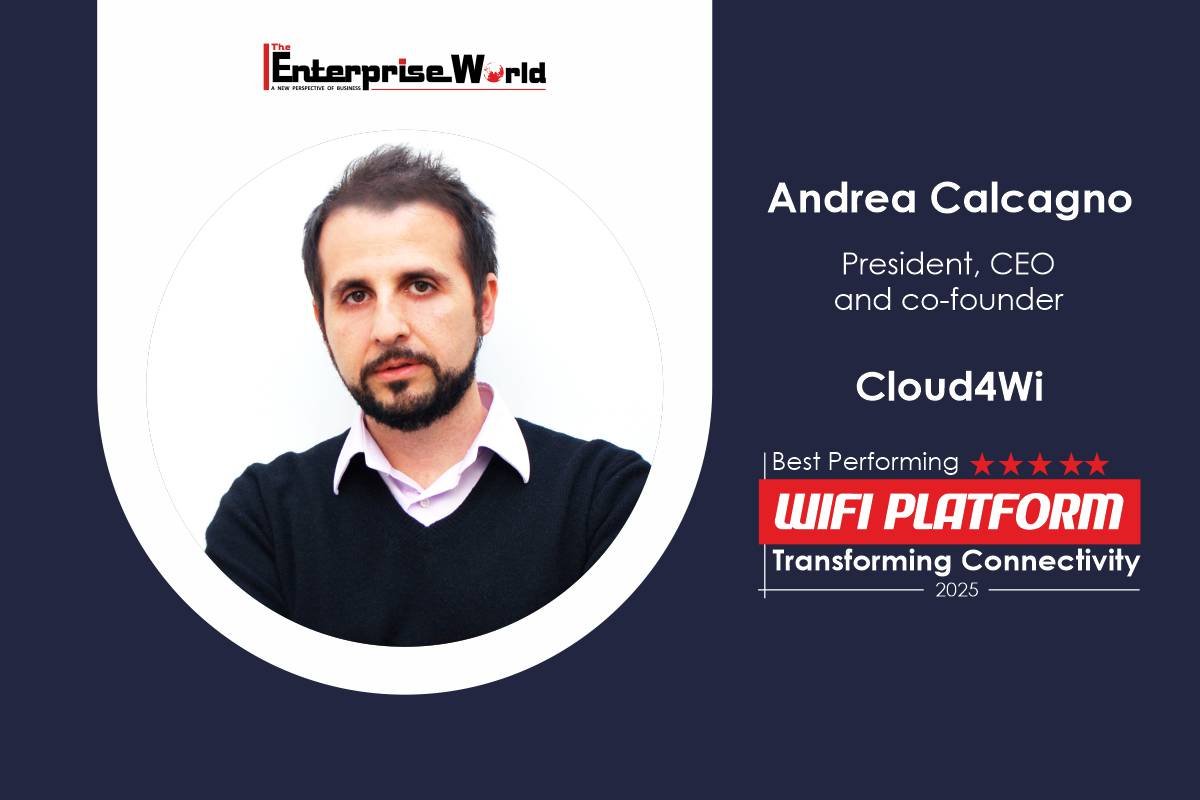
Andrea Calcagno Put the Store Floor Online - Then Made WiFi Think
A Calabrian engineer followed a stubborn question from Turin to Pisa to New York: what if WiFi could do more than connect? Two decades later, Andrea Calcagno is still rebuilding the answer.
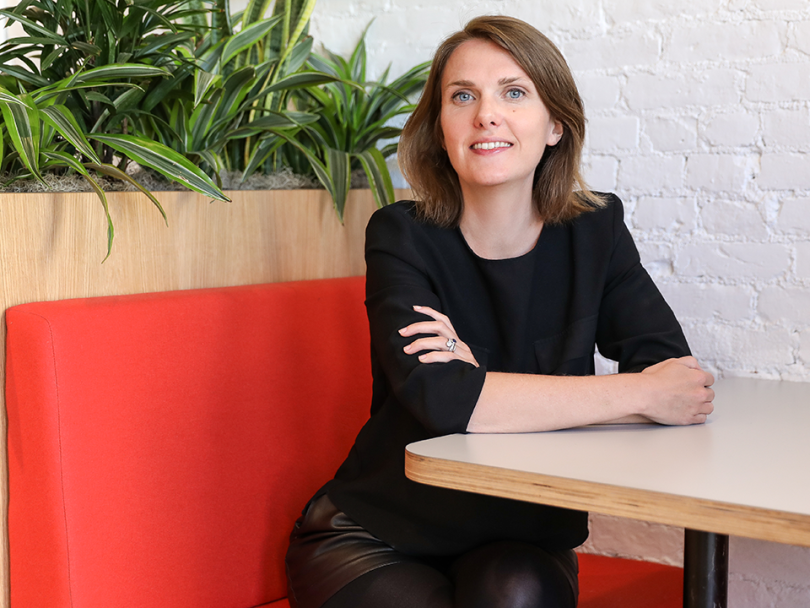
Alix de Sagazan Built a Company on a Radical Habit: Stop Guessing
She turned a frustrating handoff between marketers and developers into a global software business. Sixteen years later, her operating system still begins with a test, a team, and the nerve to learn in public.

Dan Adika Built a GPS for Work - Then Sold the Map to SAP
WalkMe began with a modest question: why should people have to memorize software? Fourteen years, a public listing and a $1.5 billion SAP deal later, Dan Adika is still working on the same stubborn gap between what technology can do and what people actually get done.

Ali Khokhar
After proving people would pay for an AI clone, Ali Khokhar scrapped the model, refunded customers and rebuilt Concurrence—formerly Amigo—around a harder question: how do you create empirical convergence on what works in healthcare?

Alexander Rinke
A mathematics student found a way to make invisible business processes visible. Fifteen years, thousands of handwritten letters and one clapped-out Opel later, Alexander Rinke is trying to give enterprise AI the context it lacks.

Daniel Chait
Daniel Chait is the co-founder and CEO of Greenhouse Software, the New York-based recruiting platform he started with Jon Stross in 2012 to help companies make hiring a competitive advantage. A University of Michigan computer engineer who spent more than a decade as a software consultant and previously co-founded the investment-banking tech firm Lab49, Chait built Greenhouse around the idea of 'structured hiring.' He is co-author of the book Talent Makers, a frequent conference speaker, and a vocal commentator on how AI is reshaping recruiting - including his warning about an 'AI doom loop' flooding both job seekers and employers.

Dmitri Lisitski
Dmitri Lisitski is the co-founder and CEO of Influ2, a New York-based B2B advertising platform that pioneered 'person-based marketing' - reaching named decision-makers inside target accounts rather than anonymous audiences. A serial entrepreneur with more than two decades in online marketing and advertising, he began his career buying media for consumer giants like P&G and Coca-Cola, co-founded the IT services company that became GlobalLogic (later acquired by Hitachi for $9.6B), and holds Executive MBAs from Columbia and London Business School. He founded Influ2 in 2016 after concluding that account-based marketing was the right idea served by imprecise technology.
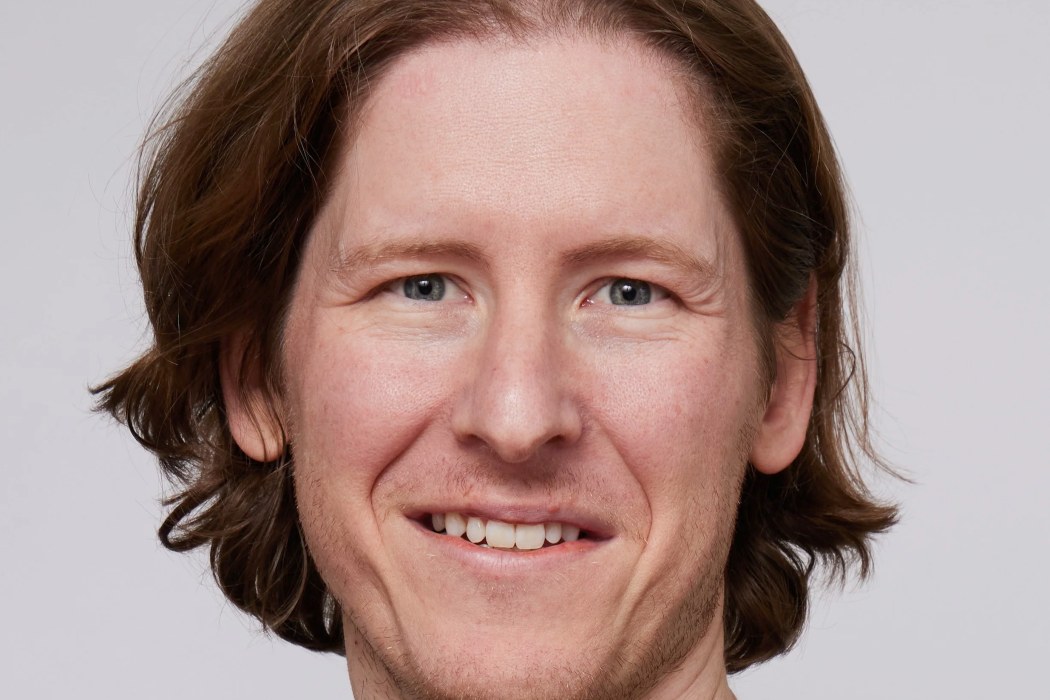
Everett Cook
Everett Cook is the co-founder and CEO of Rho, a New York-based financial operations platform that combines business banking, corporate cards, payments, and expense management for growing companies. Before founding Rho in 2018 with Alex Wheldon, Cook spent roughly a decade in global macro investing, leading research at multi-billion-dollar funds and working in the orbit of figures like Steve Cohen and Michael Bloomberg. Raised in a New York finance family, he blends the discipline of a trader with an entrepreneurial streak that started at age 14, and has raised more than $200 million to build banking software for real, operating businesses rather than consumers.
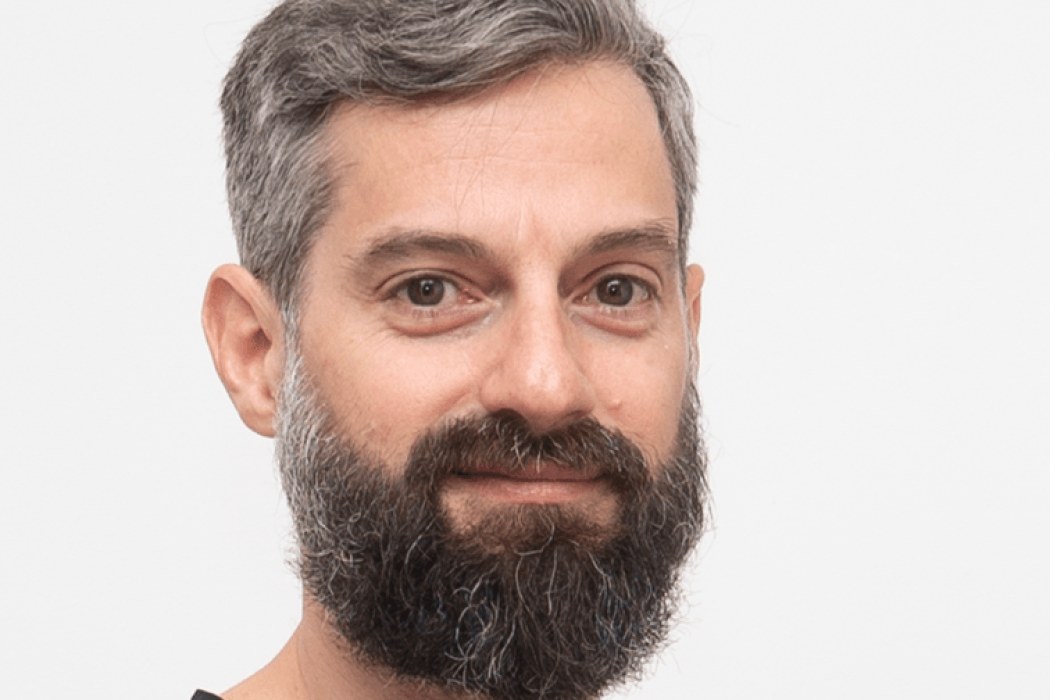
Fabrice Haiat
Fabrice Haiat is the co-founder and CEO of YOOBIC, a frontline employee experience platform used by more than 200 global brands including Boots, Lancome, Lacoste, Peloton, Puma and Sanofi. A Ecole Centrale Paris engineer and former McKinsey consultant, he built and sold energy-monitoring company Vizelia to Schneider Electric before launching YOOBIC in 2014 with his two brothers, Avi and Gilles. He argues that store and warehouse staff are assets rather than resources, and has raised roughly $80 million to digitize communication, training and task management for the world's deskless workers.

Gal Naor
Gal Naor is the co-founder and CEO of StorONE, a New York based enterprise storage company built on the idea that software, not more hardware, is the real bottleneck in data storage. He first made his mark in 2004 as co-founder of Storwize, which pioneered real-time enterprise storage compression and was acquired by IBM in 2010 for $140 million. Naor spent roughly six years and dozens of patents building StorONE's unified S1 storage engine, which provisions block, file and object storage from the same commodity drives at a fraction of legacy cost. He is known for a contrarian, efficiency-first philosophy and for steering StorONE to cash-flow positivity with an eye toward an eventual IPO.

Ido Gaver
Ido Gaver is the CEO and co-founder of Sweep, a New York-based software company building an agentic workspace that lets AI agents observe, document, and govern the metadata inside enterprise CRM systems like Salesforce and HubSpot. A serial entrepreneur, he previously co-founded flok, a small-business loyalty and CRM startup acquired by Wix in 2017, after which he ran B2B and partnerships for Wix. Since founding Sweep in 2021, he has raised over $45M, including a $22.5M Series B led by Insight Partners with Bessemer, and signed customers such as LG Electronics, Brex, NBC Sports, and Wix.
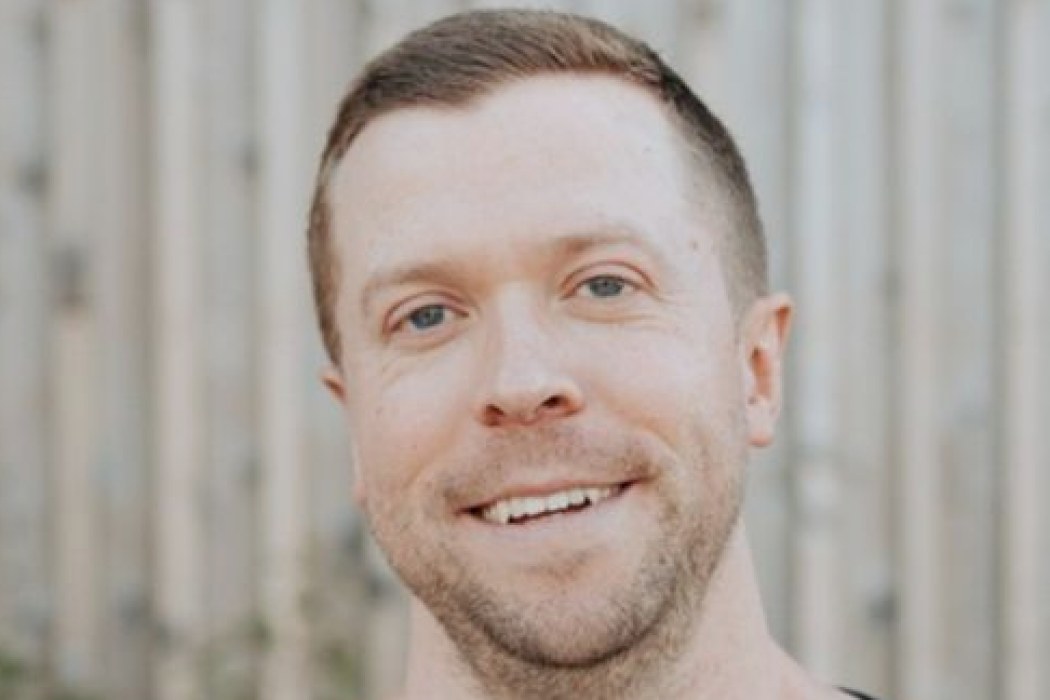
Jamie Davidson
Jamie Davidson is the co-founder and CEO of Vitally, a New York-based customer success platform used by more than 600 B2B software teams including Segment, Productboard, and Calendly. A two-time CTO with a computer science background, he shifted from engineering into customer-facing work at his previous startup Pathgather, concluded that customer success software was overdue for a rebuild, and launched Vitally in 2017. He has raised roughly $39 million across seed, a $9.2M Series A led by Andreessen Horowitz, and a $30M Series B, positioning Vitally around analytics, automation, and workflow tooling for customer success teams.