new-york-tech
(53)
When the Room Went Dark, Eran Ben-Shushan Rebuilt the Stage
The Bizzabo co-founder spent a decade teaching software to understand a crowded room. Then every room emptied, and his company had two weeks to learn an entirely new language.

Jonathan Awad Is Teaching Finance to Trust Strangers Again
His parents arrived in America without a file that could vouch for them. Decades later, the Baselayer co-founder is building the machinery that decides which businesses - and now which AI agents - deserve to be believed.

David Kashak and the Useful Pivot
He began with a prototype, an old relationship and publishers too small to fear an experiment. A decade later, David Kashak’s most revealing achievement is not merely Connatix’s scale, but his habit of changing the product before the market changed the company.

Tannya Bautista Has Made a Career of Arriving Before the Playbook
Across email, music, voice AI, mobile advertising, and self-care software, Tannya Bautista kept choosing the awkward moment before a sales motion became obvious. Three ground-up GTM builds later, ambiguity looks less like a hazard than her preferred working material.

Johnny Ho and the Art of the Useful No
Before he helped turn search into a conversation, Johnny Ho learned to prize the exact answer, the fast decision, and the feature left unbuilt. His career is a study in disciplined velocity.
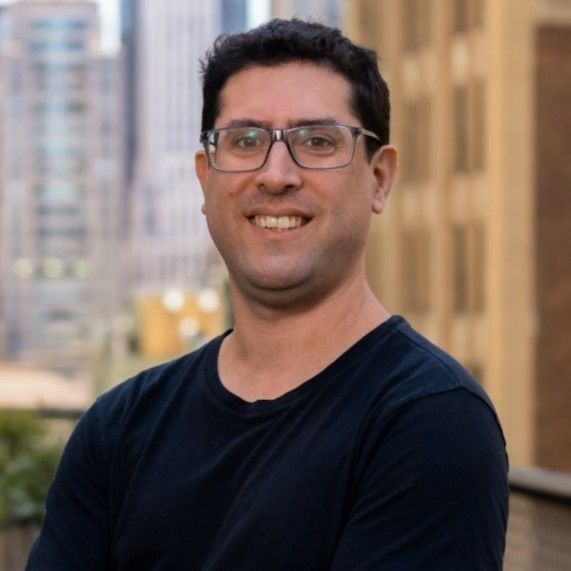
Renen Hallak Saw the Bottleneck Before the Boom
A computer scientist who was taught neural networks did not work built VAST Data for the moment they would. Ten years later, his storage company is trying to become the operating system beneath artificial intelligence.

AcceleratorCON Put the Startup Accelerator on the Clock
Founders usually need a warm introduction. AcceleratorCON’s answer is a sports-style draft - applications, scouts, selections and private pitch meetings - built to turn conference mingling into an actual pipeline.

Ilana Matro Makes a Career of the Problems Without a Playbook
After six years crossing the seams of MongoDB's revenue organization, Ilana Matro has joined Cursor to build the operating backbone for a company moving at AI speed. Her specialty is making change legible before it becomes comfortable.
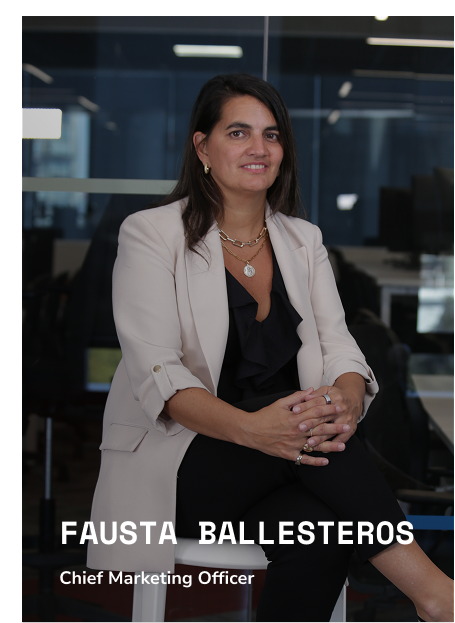
Fausta Ballesteros Turns Culture Into the Operating System for AI
The Wizeline CMO has spent more than two decades making technical companies legible, human and connected. Her durable idea is simple: culture is how strategy learns to move.

Shachar Orren Left the Newsroom - Then Built the Business Meant to Keep Newsrooms in Business
After nearly a decade editing other people’s stories, Shachar Orren joined a six-person startup and learned to sell. Twelve years, one rebrand and several pivots later, she is still working on the same stubborn question: how can publishers turn attention into a business without making the audience pay the price?

Resy’s First Idea Flopped. The Pivot Put 25,000 Venues on One Menu.
Resy began by asking diners to pay for scarce tables. Restaurants told the founders what they actually needed - better software - and that correction became a dining platform, an American Express loyalty engine, and a useful lesson in listening before scaling.

Anne-Sybille Pradelles Is Making Money Keep Its Receipts
The Formance co-founder learned how companies grow at cybersecurity startup Alsid. Now she is applying the lesson to a quieter problem: making every dollar in motion explain itself.

Andrew Brown Is Making Payroll Boring - On Purpose
After selling an ebook startup to Google, the engineer chose a stranger second act: rebuilding payroll so well that millions of people never have to think about it.

Benjamin Harris Got Expelled for Hacking. Then He Built a Company Around the Attacker's View.
A school expulsion, a two-week ultimatum and a one-way ticket to Singapore became the unlikely operating system for watchTowr - a security company built to see what attackers see before they act.

Brendan Hannigan Keeps Finding the Door Everyone Left Open
From a compulsory FORTRAN class in Dublin to Q1 Labs, IBM Security and Sonrai, Brendan Hannigan has spent a career making invisible access visible. His latest wager is simple: the cloud gets safer when unused permission is removed before an attacker can borrow it.

Ben McRedmond Is Building the Spreadsheet He Had to Fail Once to Understand
After Intercom, an ambitious email startup, and one candid post-mortem, Ben McRedmond arrived at a counterintuitive product doctrine: build the whole foundation, change less than your ego wants, and place one large bet where it matters.

Ashwin Ramesh Is Building the Boring Machinery That Makes Local Business Visible
He started with a three-dollar domain and a gaming server. Two decades later, the Synup founder is still turning tedious internet chores into software - now with AI back at his fingertips.

Andreas Cleve Is Building the Quiet Layer Beneath Healthcare AI
Long before the ambient-scribe rush, Andreas Cleve made a stubborn bet: the useful AI in a consultation would listen carefully, understand context and stay out of the way. A decade later, Corti is turning that bet into infrastructure.
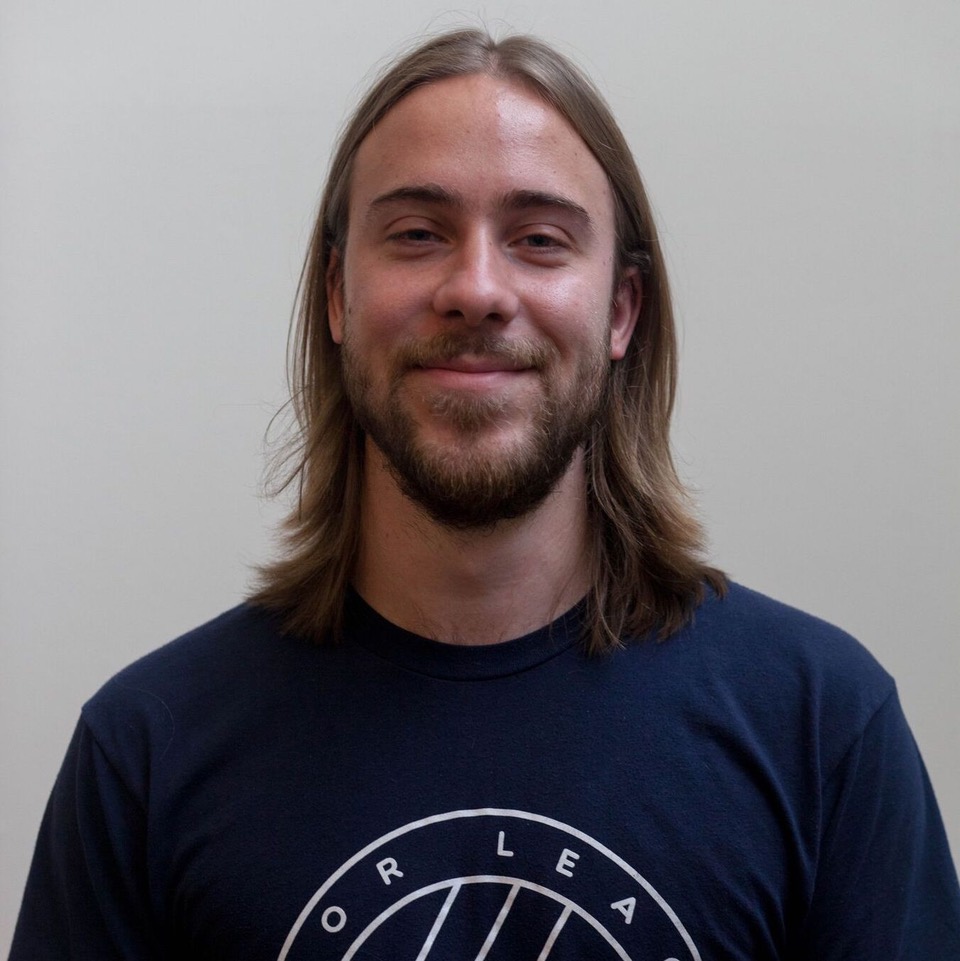
Mike Swift Built a League for the Kids Who Would Rather Make Something
He arrived at his first hackathon expecting an elite coding contest. What he found was a room where beginners could belong - and a blueprint for more than a decade of building developer communities.

Vinay Nathan Has Spent 13 Years Teaching Factories to Tell the Truth
Before factory AI can sound clever, someone has to connect the old machines, clean up the records and prove the software pays. Vinay Nathan built Altizon around that less glamorous - and more useful - work.
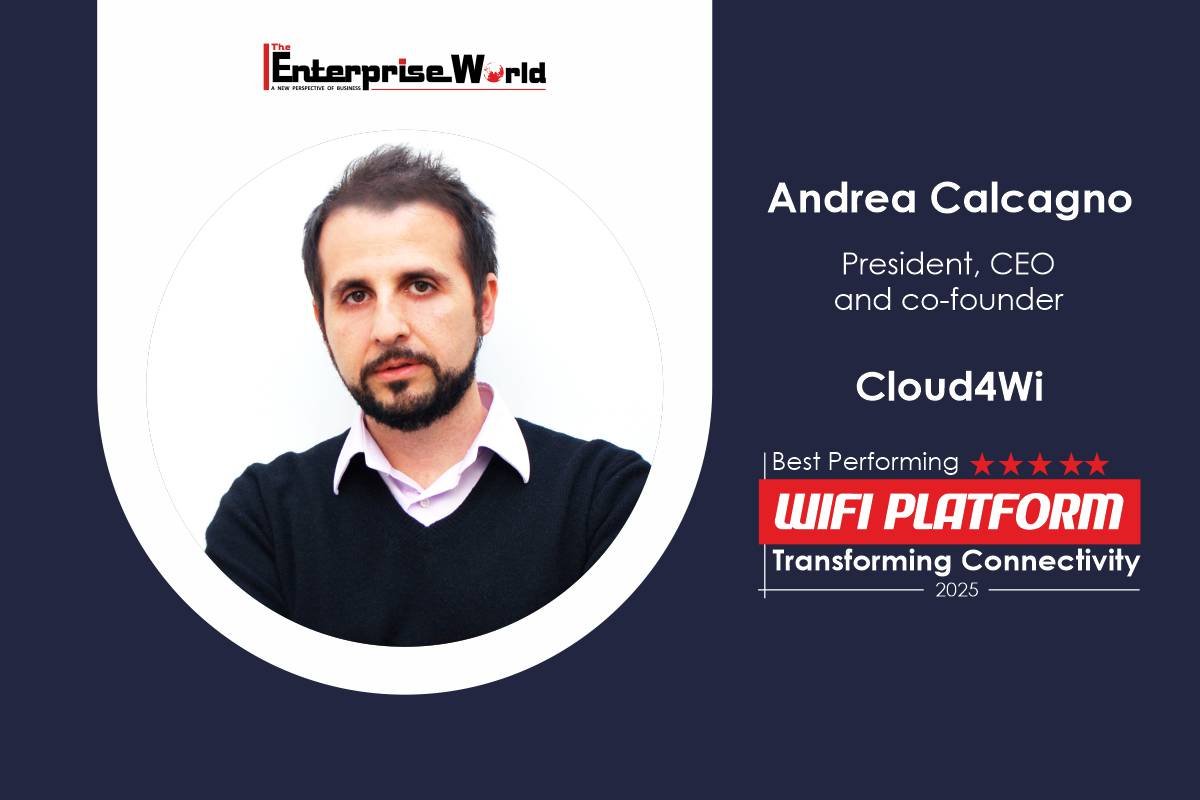
Andrea Calcagno Put the Store Floor Online - Then Made WiFi Think
A Calabrian engineer followed a stubborn question from Turin to Pisa to New York: what if WiFi could do more than connect? Two decades later, Andrea Calcagno is still rebuilding the answer.
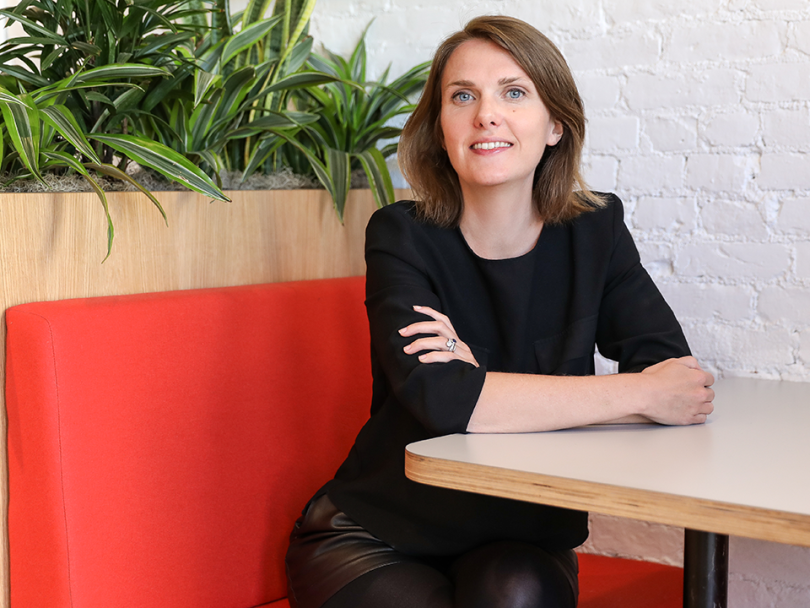
Alix de Sagazan Built a Company on a Radical Habit: Stop Guessing
She turned a frustrating handoff between marketers and developers into a global software business. Sixteen years later, her operating system still begins with a test, a team, and the nerve to learn in public.

Dan Adika Built a GPS for Work - Then Sold the Map to SAP
WalkMe began with a modest question: why should people have to memorize software? Fourteen years, a public listing and a $1.5 billion SAP deal later, Dan Adika is still working on the same stubborn gap between what technology can do and what people actually get done.
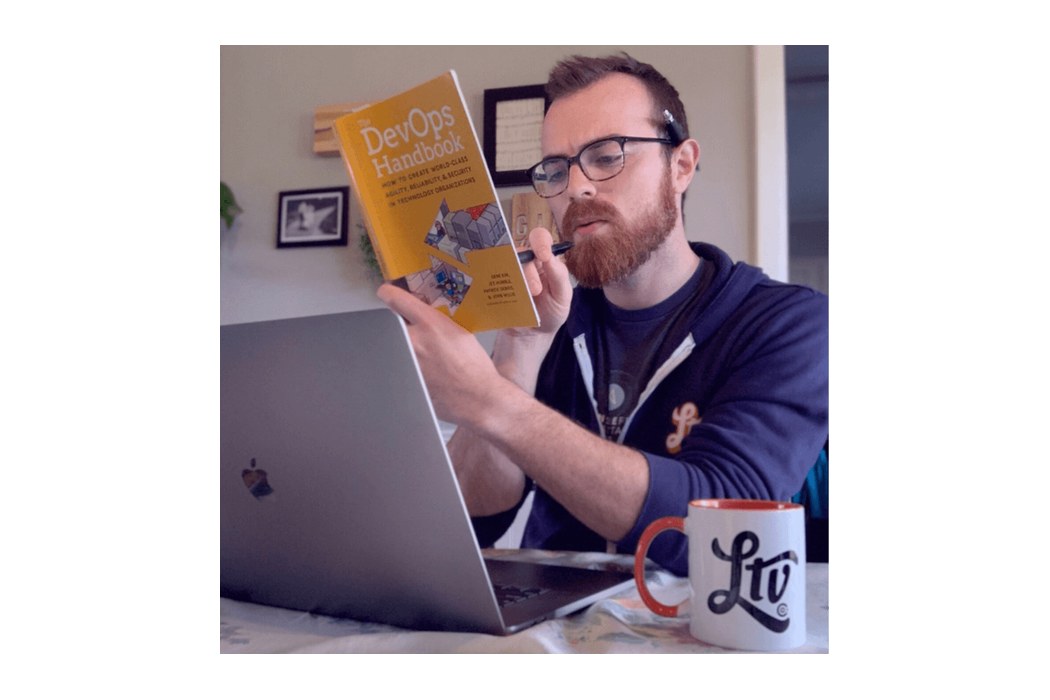
They Burned $550,000 Selling Trust. Then The Lifetime Value Co. Learned to Sell Curiosity
Josh Levy and Ross Cohen spent 11 months pitching an identity badge nobody would buy. Their pivot - from asking people to verify themselves to helping customers investigate the world around them - became a portfolio of data products used by millions.
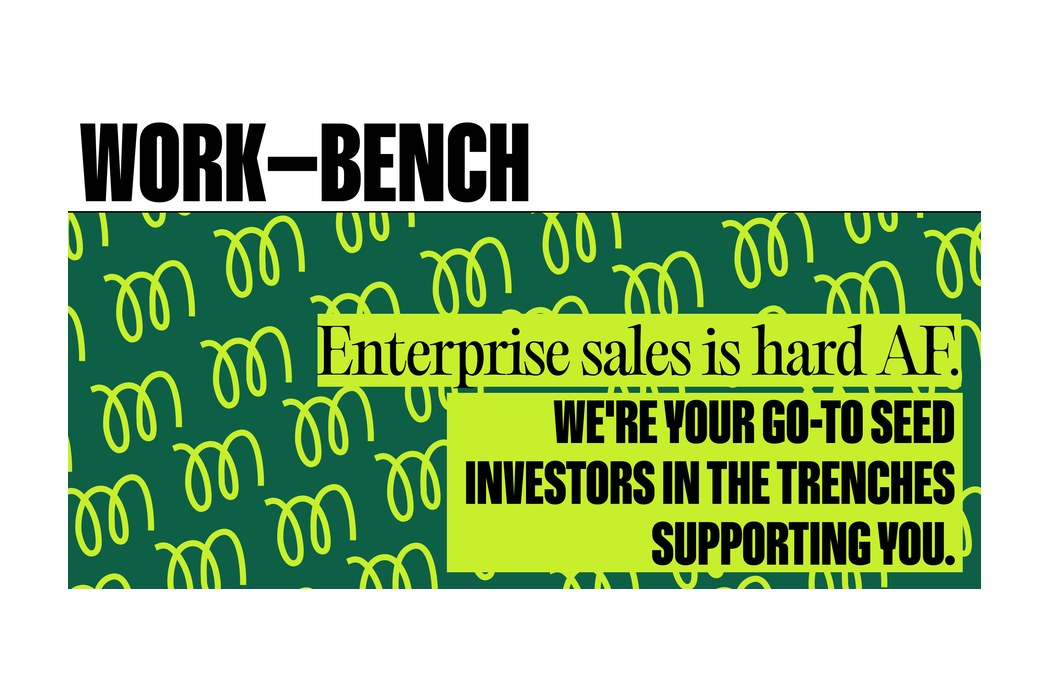
Work-Bench Built a Venture Fund Around the Part Founders Dread: Selling
The New York seed investor treats go-to-market as a product: research the buyer, rehearse the pitch, survive procurement, and turn a first customer into a repeatable sales engine.

Langate Spent 30 Years Learning What Old Software Won’t Tell You
The New York-born, Ukraine-powered engineering company has built a quiet specialty: modernizing the healthcare and enterprise systems that cannot afford to stop working while they change.

Ali Khokhar
After proving people would pay for an AI clone, Ali Khokhar scrapped the model, refunded customers and rebuilt Concurrence—formerly Amigo—around a harder question: how do you create empirical convergence on what works in healthcare?

Alexander Rinke
A mathematics student found a way to make invisible business processes visible. Fifteen years, thousands of handwritten letters and one clapped-out Opel later, Alexander Rinke is trying to give enterprise AI the context it lacks.

Daniel Chait
Daniel Chait is the co-founder and CEO of Greenhouse Software, the New York-based recruiting platform he started with Jon Stross in 2012 to help companies make hiring a competitive advantage. A University of Michigan computer engineer who spent more than a decade as a software consultant and previously co-founded the investment-banking tech firm Lab49, Chait built Greenhouse around the idea of 'structured hiring.' He is co-author of the book Talent Makers, a frequent conference speaker, and a vocal commentator on how AI is reshaping recruiting - including his warning about an 'AI doom loop' flooding both job seekers and employers.

Greenhouse Software
Greenhouse Software is a New York-based hiring platform that helps companies run structured, data-driven recruiting. Founded in 2012 by Daniel Chait and Jon Stross, it centralizes applicant tracking, interview scorecards, candidate sourcing, onboarding and reporting into one system used by more than 7,500 organizations. Rather than pushing automation for its own sake, Greenhouse pitches 'structured hiring' - a consistent, comparable process for evaluating candidates - and has layered in AI tools and fraud detection to keep that process reliable as application volumes surge.