lng
(12)
DT Midstream knows the way out
America has plenty of natural gas. Getting it to the right customer is another business entirely. DT Midstream has made that journey its specialty.
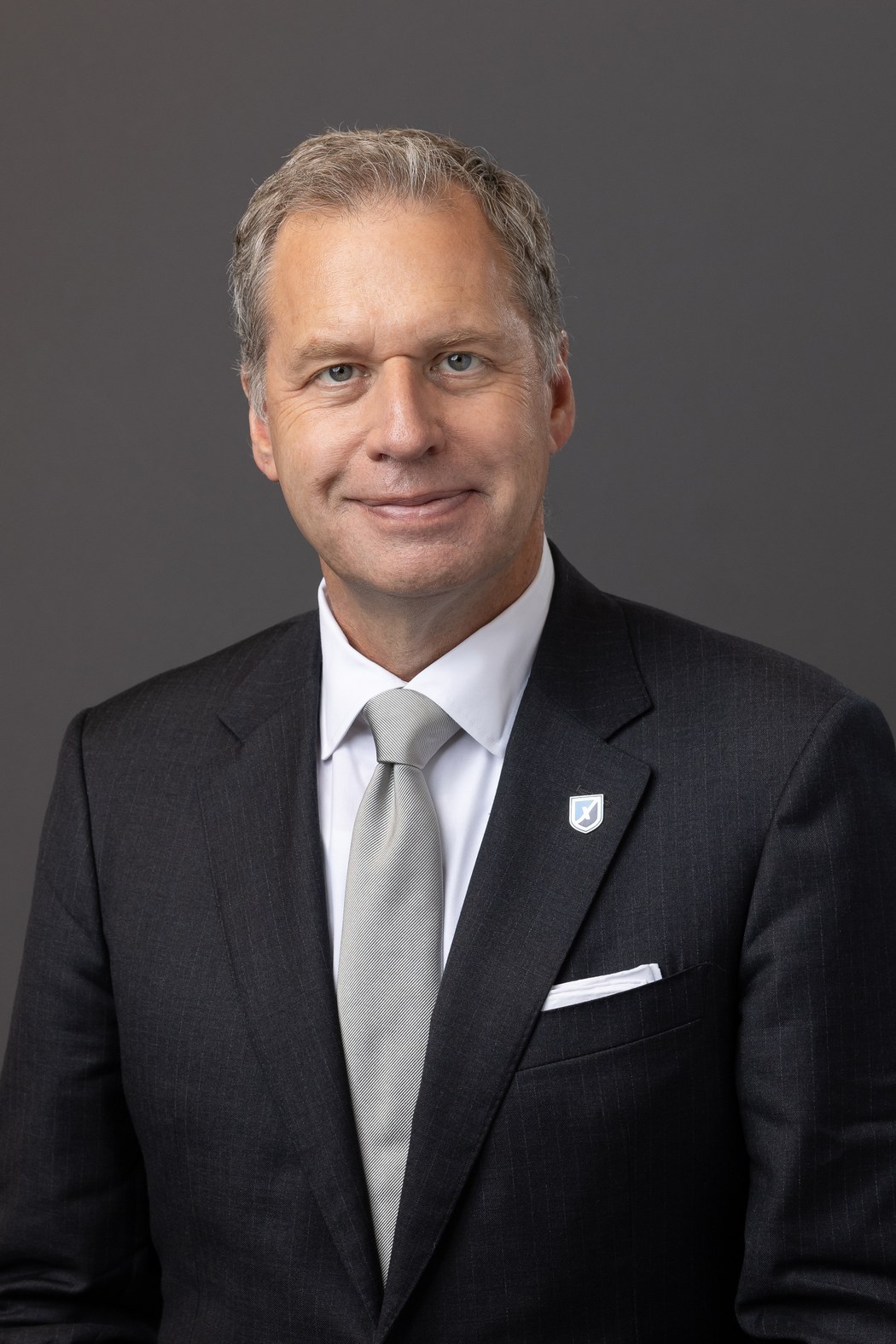
Steven Kobos and the business of bringing the shore closer
Before Steven Kobos ran Excelerate Energy, he helped write the agreements that carried it into new markets. His next chapter connects floating terminals, fuel supply and power - with the hard work waiting at the shore.
Chevron runs on pressure.
A gas station sign is the smallest part of the story. Follow Chevron offshore, into a rival’s oilfield, and beneath an Australian island to see what its business really demands.
EQT Corporation bought back the way out.
The Appalachian gas producer separated its pipelines, then brought them home. Its wager: the route to the customer can matter as much as the gas beneath your feet.
Fluor learned to build the contract first.
A plant can be assembled from 215 shipped modules. A profitable project takes something harder: agreement on who carries the risk. Fluor has spent years relearning the difference.
McDermott builds giants. The margin is tiny.
Six cranes can lift a piece of an offshore platform. Keeping the company behind them afloat takes a different kind of engineering.
Baker Hughes sells the hours you don't lose.
A drill bit made its name. Keeping industrial machinery working made its business. Now Baker Hughes is taking that same idea into LNG, lower-emission equipment and the power supply behind AI.
Cheniere Energy built the right terminal. Facing the wrong way.
America was supposed to need imported gas. Then shale changed the map. Cheniere’s answer was to turn its Gulf Coast infrastructure toward the world - and sell the capacity years in advance.
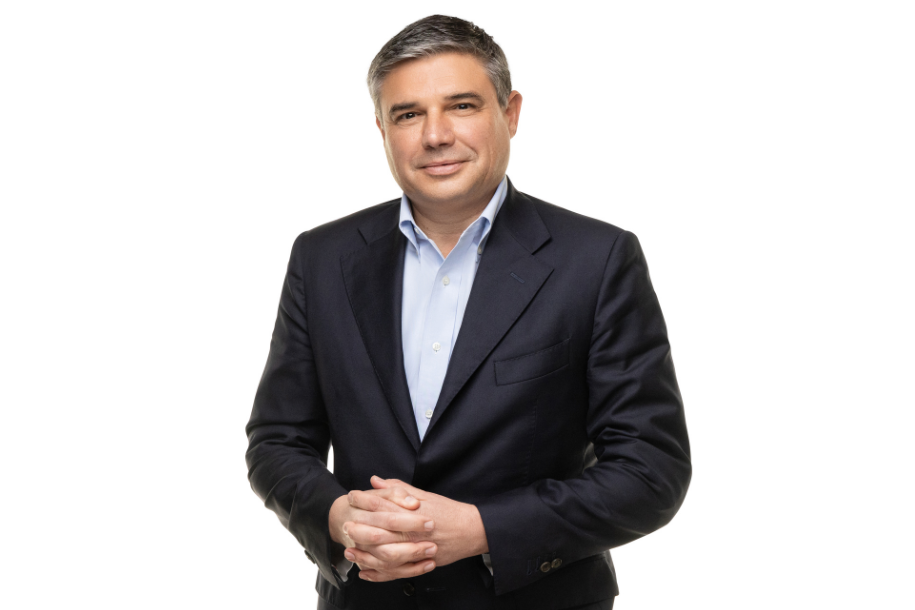
Lorenzo Simonelli’s future arrives in parts
From locomotives to LNG equipment, Lorenzo Simonelli has built a career around turning industrial plans into working machinery. His latest task at Baker Hughes is to make a larger, more varied business pull together.
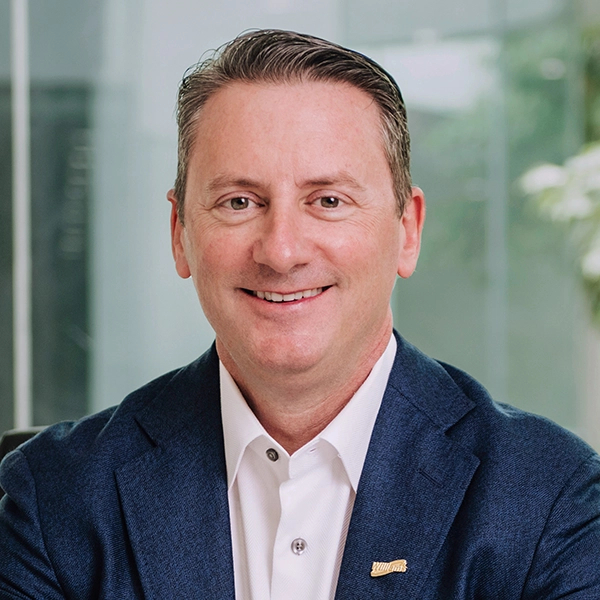
Chad Zamarin and the long road to instant power
The Williams CEO spent his career connecting energy supplies to the people who need them. The AI boom has made that old problem newly urgent.
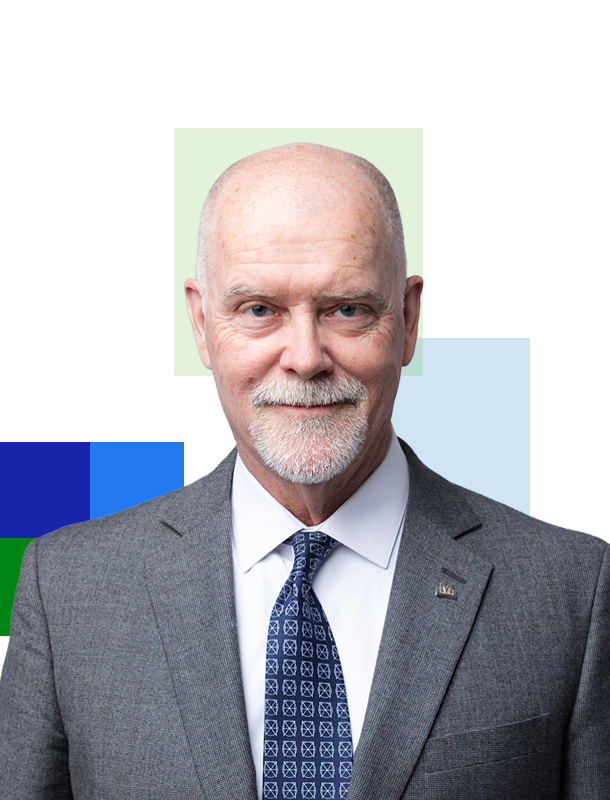
Michael McKelvy and the distance between a drawing and a building
An architect by training, McDermott’s chairman and CEO has spent his career crossing the line between design and construction. His recurring concern is what happens when the people on either side start talking.
Vortexa Wants to Know What’s on That Ship
A tanker’s location is only the beginning. Vortexa turns cargo movements, storage levels and freight costs into intelligence for the people who trade the world’s energy.