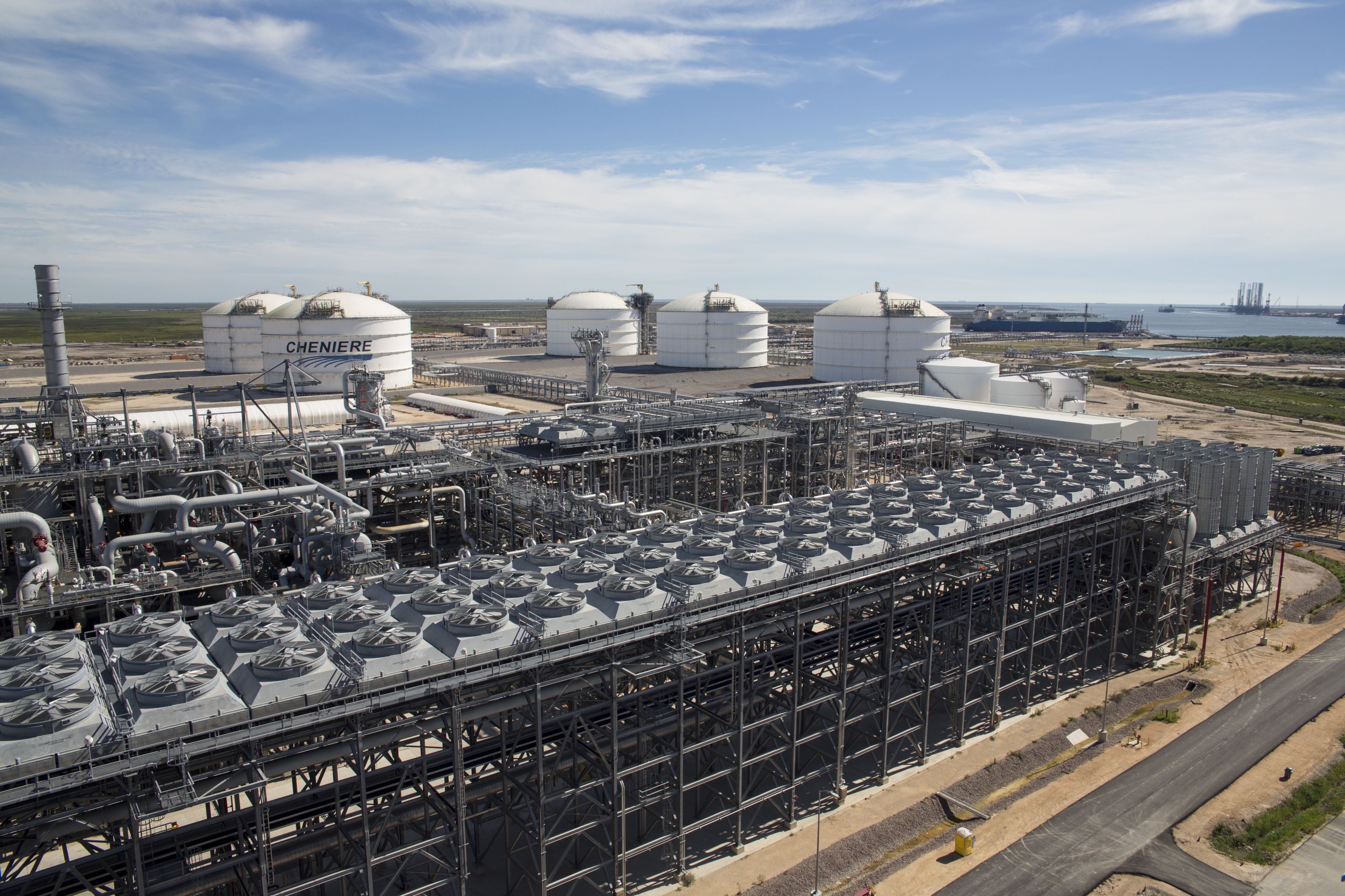
In 2008, a terminal on the Louisiana coast began doing precisely what it had been built to do: receive liquefied natural gas from overseas, warm it back into gas and send it into American pipelines. The engineering made sense. The market was changing underneath it. Cheniere Energy had prepared a front door for foreign gas just as American producers were discovering how much gas they could supply themselves.
- Shale abundance undermined the case for importing gas.
- Cheniere added liquefaction to send U.S. gas overseas.
- Long-term contracts helped turn expensive infrastructure into a financeable business.
The shortage that disappeared
Cheniere began in 1996 as an oil-and-gas exploration business. Co-founder Charif Souki later steered it toward LNG imports. The idea rested on an understandable assumption: America would need more natural gas than domestic producers could provide. A receiving terminal offered access to supplies from somewhere else.
The shale boom upset that calculation. This was the first thing that failed: the forecast behind the facility. The tanks had not suddenly become useless. The coastline had not moved. There was still a site connected to the gas system and accessible to ships. Those distinctions would matter enormously.
In 2010, Cheniere announced plans to add liquefaction and export capabilities at Sabine Pass. It signed its first Henry Hub-indexed LNG sales agreement in 2011. Construction of the first two liquefaction trains followed in 2012. The reversal took years, federal authorization and new machinery. Nobody simply flipped a valve.
A smaller molecule problem
Natural gas has an awkward travel habit: it occupies a great deal of space. Pipelines solve that problem on connected land. Oceans demand another arrangement. Cool the gas to about minus 260°F and it becomes a liquid occupying roughly one-six-hundredth of its gaseous volume. Suddenly, a ship becomes practical.
That is Cheniere’s essential service. It purchases gas, arranges transportation, processes and liquefies it, then loads or delivers LNG. At the receiving end, an importer can return the liquid to gas for electricity generation, industry or heating. The company connects a resource-rich producing region to customers beyond the pipeline map.
Its first LNG export left Sabine Pass in February 2016. Corpus Christi began producing LNG in 2018. By August 2026, Cheniere had exported its 5,000th cargo. The ship marking that milestone, the Yari, departed Sabine Pass for Asia. A business conceived around arrivals had become very good at departures.
The contract does the heavy lifting
All that steel requires money before it produces much of anything. A 2008 filing put the estimated construction cost of the Sabine Pass receiving terminal at $1.462 billion, excluding specified operating, future commissioning and financing costs. That figure describes the import project, not the later export buildout. The distinction prevents an expensive misunderstanding.
Export financing brought another scale of commitment. In May 2012, Blackstone agreed to invest $1.5 billion in Cheniere Energy Partners, alongside a $500 million investment from Cheniere Energy. The proceeds supported project equity, pipeline acquisition and related purposes. Debt financing was also necessary. This was infrastructure finance with several moving parts.
The sales agreements help explain why investors would participate. Customers generally pay a fixed fee plus a variable charge equal to 115% of Henry Hub, the U.S. gas benchmark. The variable component is intended to cover gas supply, transportation and fuel used in liquefaction. Under specified cancellation provisions, customers still owe the fixed fee.
A customer can decline the cargo and still owe the fixed fee.
That clause gives the business something more useful than a hopeful prediction of next winter’s gas price: contracted revenue. It does not abolish counterparty or operating risk. It assigns parts of the commercial risk in advance. Cheniere Marketing also sells additional volumes, including through shorter-term arrangements, leaving room for market exposure.
A buyer needs more than a cold tank
The customers are utilities, national energy companies and traders arranging fuel at industrial scale. In September 2026, Petrobras agreed to purchase approximately 0.8 million tonnes annually for 22 years. Such commitments make more sense when the buyer is planning an energy system rather than shopping for next month’s household bill.
Buyers can arrange their own vessel and collect LNG at the terminal, or purchase delivered supply with Cheniere arranging shipping. Destination flexibility matters to companies balancing demand across countries. North American gas producers have another route: Integrated Production Marketing agreements that connect their supply to global gas or LNG pricing, after specified costs.
Alternatives include Venture Global, Freeport LNG and QatarEnergy, as well as international energy portfolios. Cheniere’s case rests on its operating facilities, procurement and delivery capabilities, and construction experience with Bechtel. The seventh Corpus Christi Stage 3 train was handed over in August 2026. Completing the project lifted operating production capacity to approximately 56 million tonnes annually.
Keep the asset. Recheck the premise.
The useful lesson is specific: separate a broken assumption from the things that retain value. Then find customers willing to make commitments before expanding. A dock without economic gas supply, permits, financing and credible buyers cannot reproduce Cheniere’s result. Liquefaction and shipping also consume resources; a low domestic gas price alone does not guarantee an attractive delivered price.
Environmental performance requires the same attention to boundaries. Cheniere provides cargo emissions information and works on methane measurement with suppliers and researchers. Those efforts help describe a fossil-fuel supply chain; they do not make its emissions disappear. The company’s published vision is to “provide clean, secure and affordable energy to the world.” Whether a particular cargo advances those goals requires examining its production, transport and use.
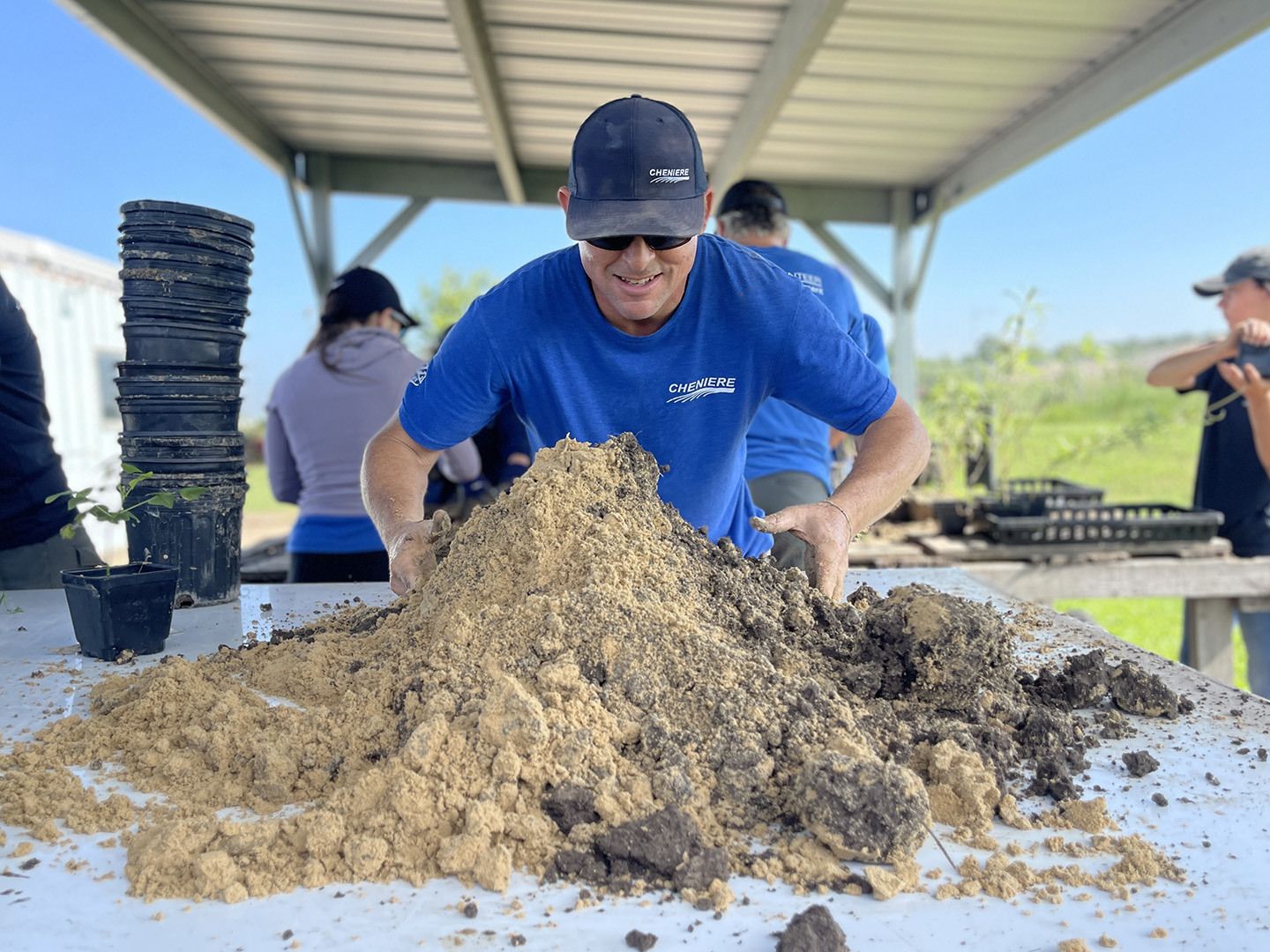
Cheniere’s origin story rewards that kind of scrutiny. The import forecast was wrong. The assets still offered possibilities. What followed depended on recognizing the difference, buying new equipment and persuading someone else to sign a very long contract.