independent-agencies
(16)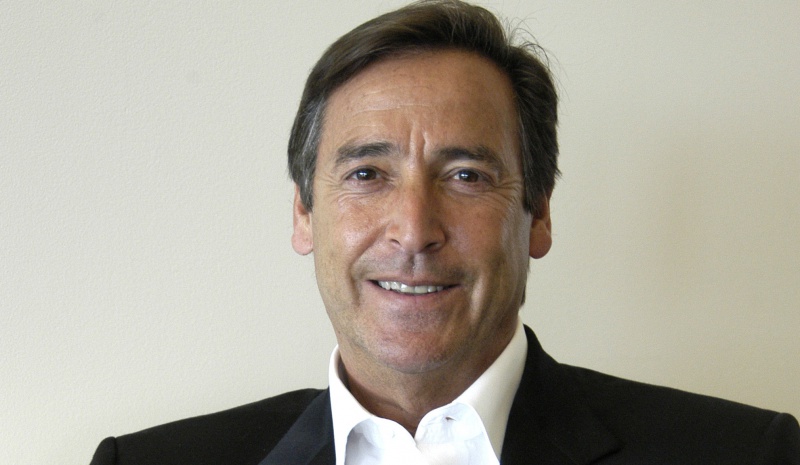
Bill Koenigsberg and the price of a free lunch
A teenage deal at a Long Island tennis court foreshadowed a career in media. Decades after founding Horizon, Bill Koenigsberg is still negotiating how big an independent company can become.
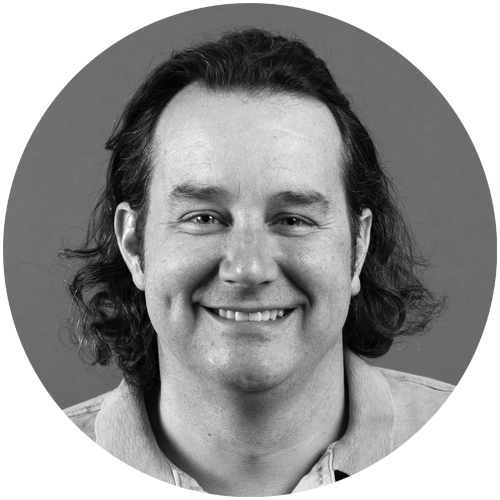
Marc Williams and the Business He Was Never Going to Join
He inherited a Seattle agency, studied the choices people make, and kept heading for the water. Marc Williams’s career turns on a question that advertising often hurries past: what makes someone choose you again?
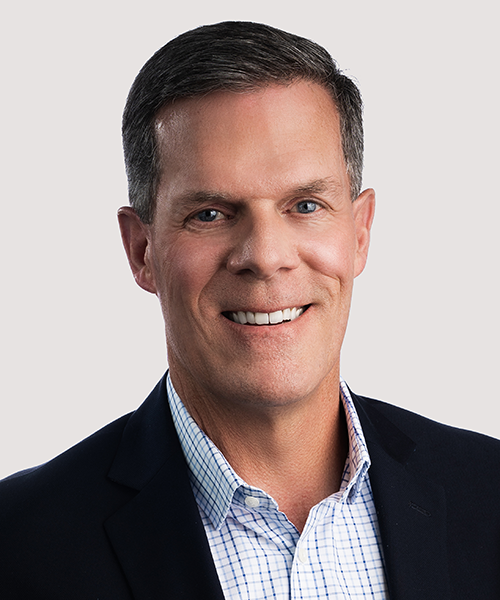
Bill Coontz and the distance between three offices
From Minneapolis account management to the CEO’s chair at Dalton, Bill Coontz has kept returning to the same problem: how to get people working together. His answer spans three Southern cities and a career spent on both sides of the agency ownership divide.
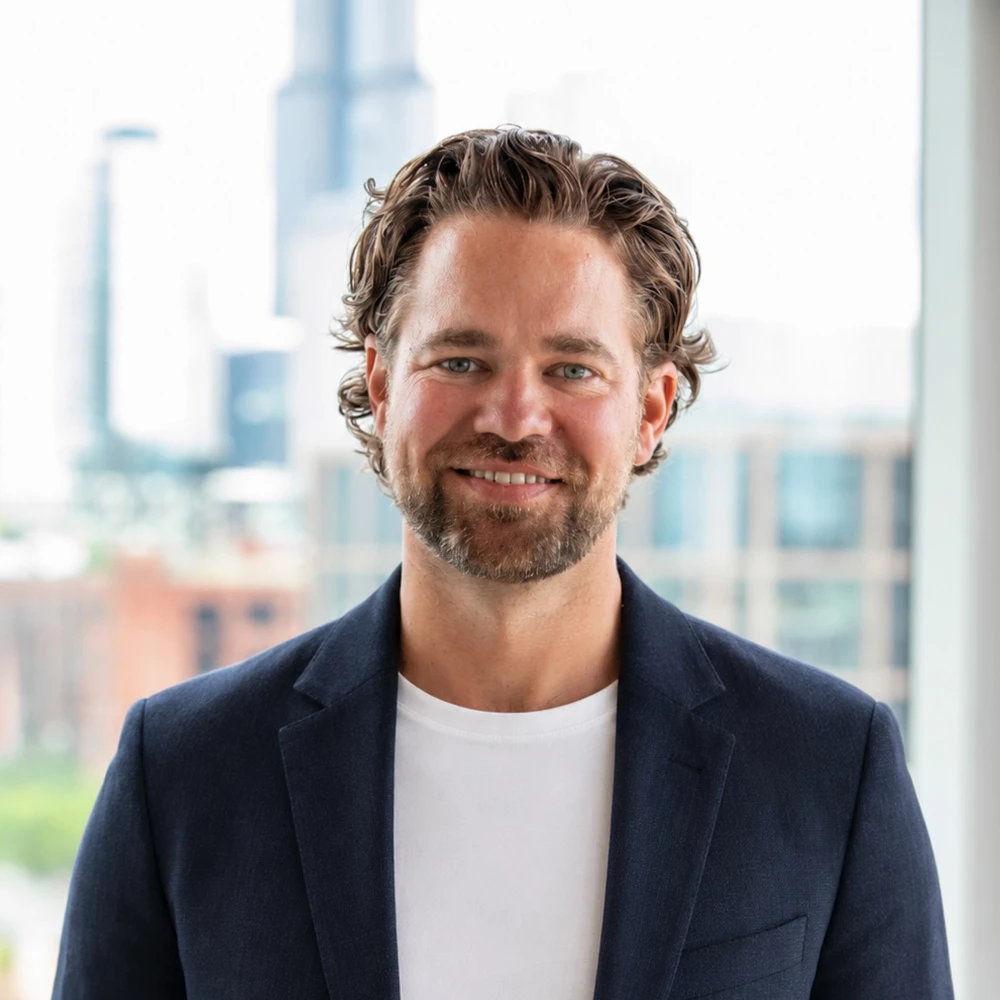
Ben Behrman and the Long Way to the Corner Office
He joined Schafer Condon Carter as an intern in 2009. Fourteen years later, Ben Behrman became CEO - after learning how the agency worked from several different sides of the desk.
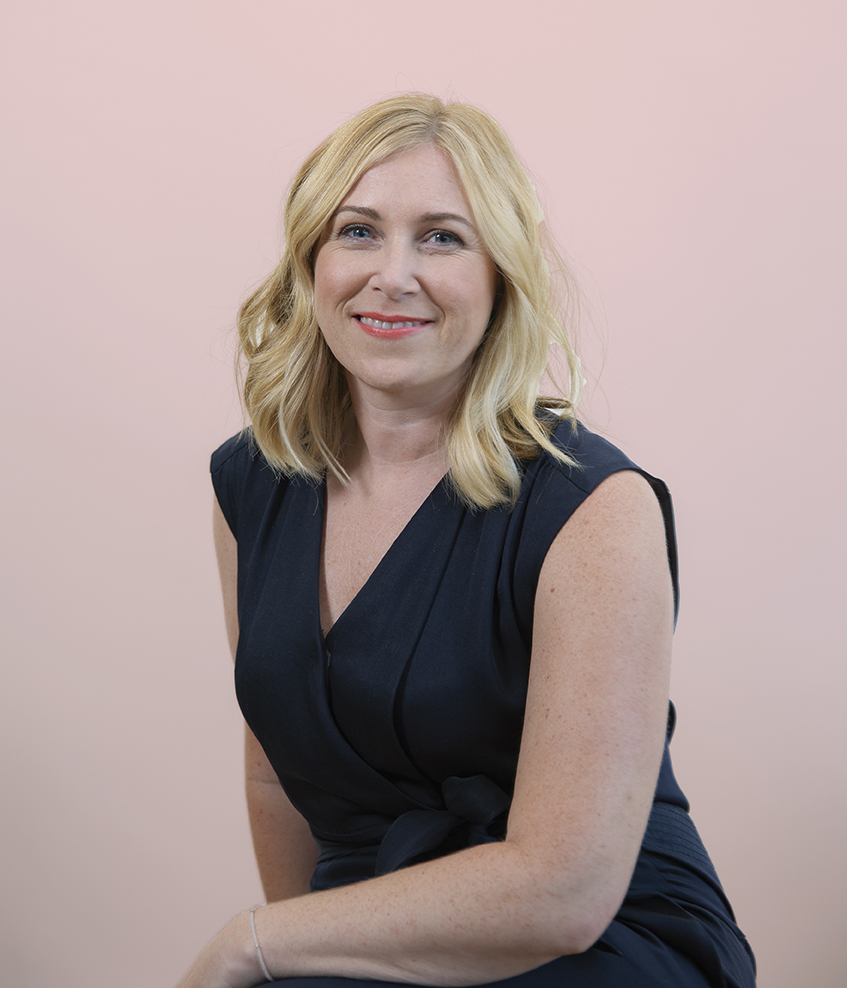
Judith Carr-Rodriguez and the case for fewer, better people
From early digital advertising in London to the leadership of FIG in New York, Judith Carr-Rodriguez has kept returning to one question: how do you give experienced people the room to do good work? Her answer involves trust, creative ambition, and knowing when to stop waiting for certainty.
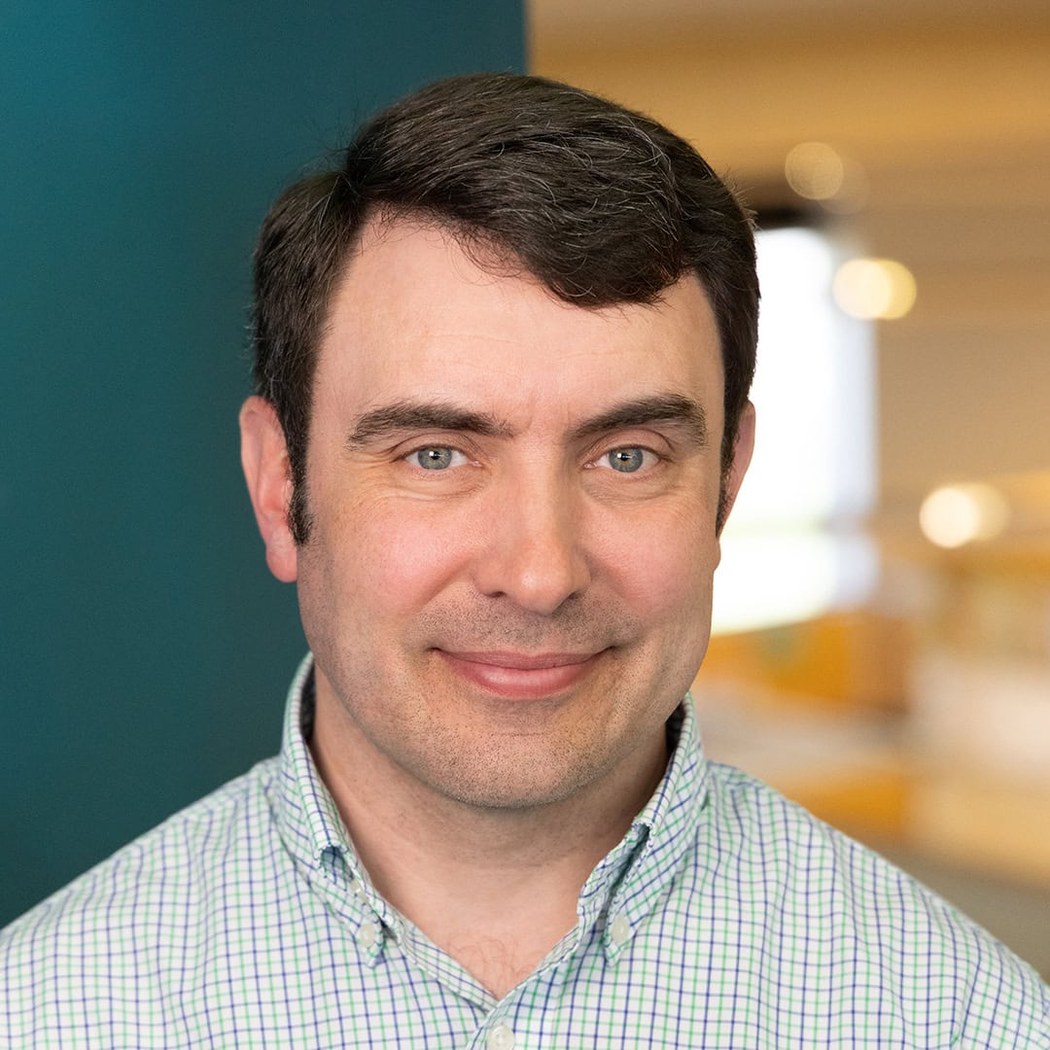
Scott Chapin and the agency that bought itself back
Before he became CEO of Marcus Thomas, Scott Chapin worked on websites, mobile apps and the numbers behind marketing. His next problem was closer to home: how an agency should be owned and run.
Eliot Harrison and the Things Worth Keeping
A drawer full of conference badges offers a small clue to Eliot Harrison’s long career at MCS Health. Behind the collection is an agency leader weighing what to preserve, what to change, and whom to trust with the next chapter.
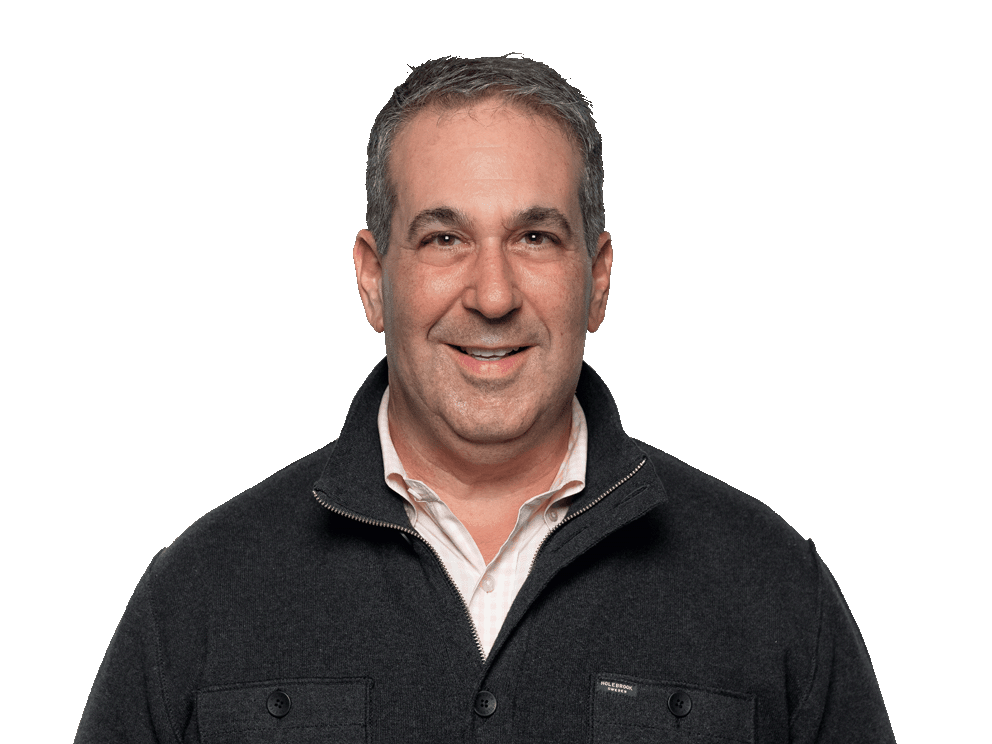
Andrew Graff and the trouble with counting hours
After three decades at Allen & Gerritsen, Andrew Graff is still questioning the machinery of agency life. His targets include the timesheet, the assigned desk, and the idea that a chief executive has finished learning.
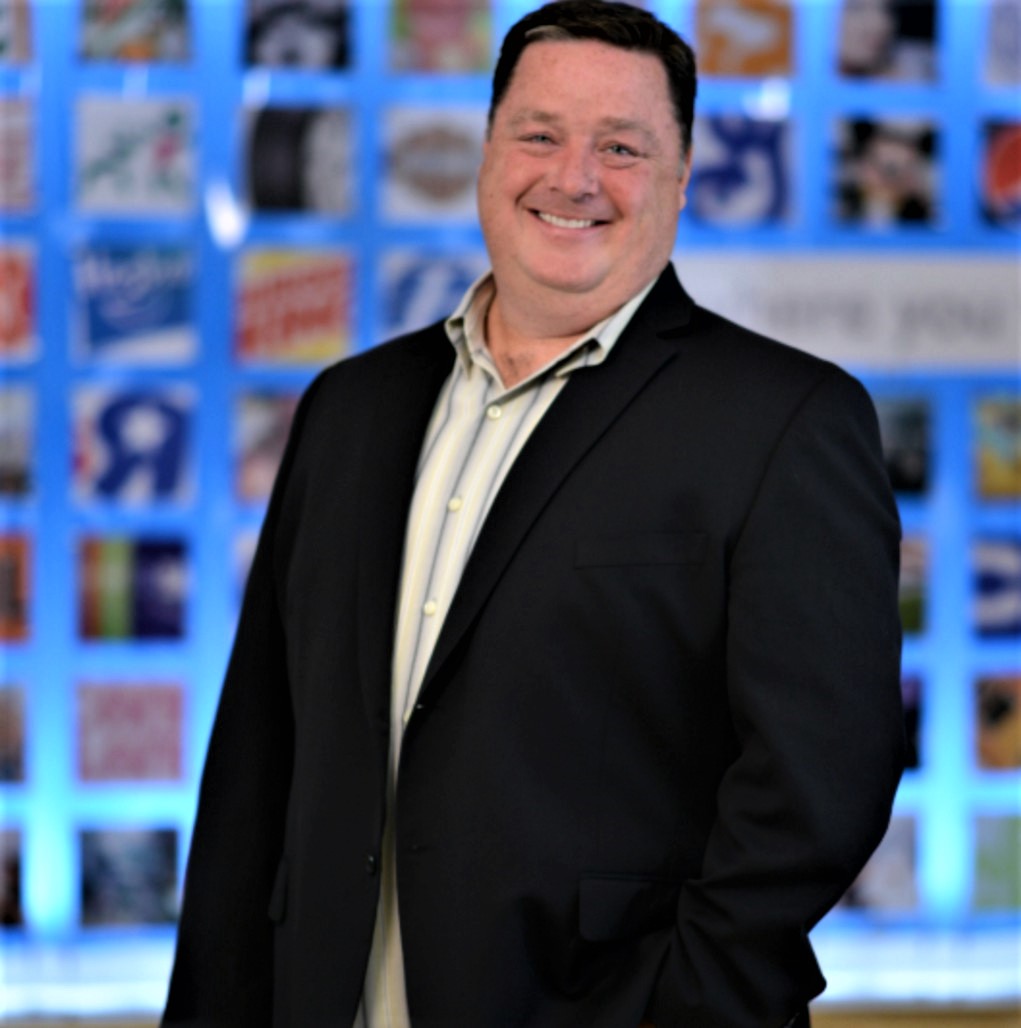
Tom Coyne and the company he wouldn’t sell
He started Coyne PR at 22, without an agency job behind him. Thirty-five years later, his argument for staying independent still begins with the people who come to work.
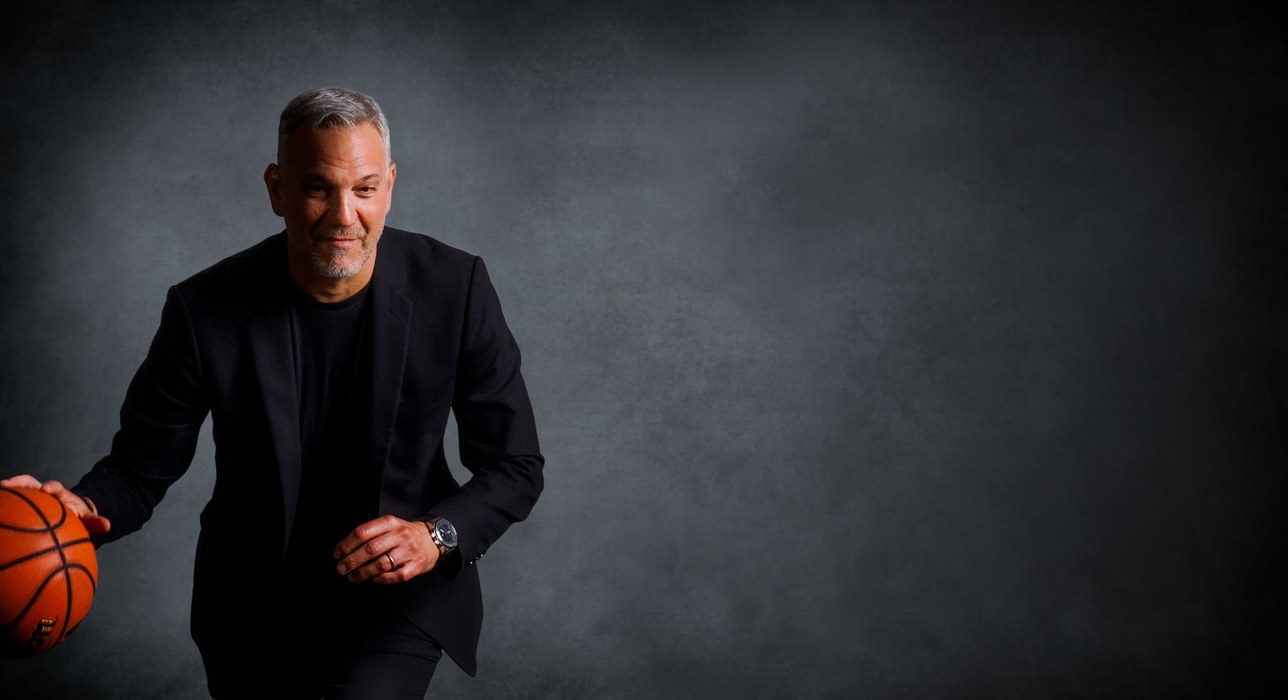
Anthony Romano and the advantage of making it personal
After running agencies in New York and returning to Minneapolis, Anthony Romano chose a family-owned firm in Chicago and Milwaukee. His next chapter asks how an independent agency can grow while keeping human judgment at the center of the work.
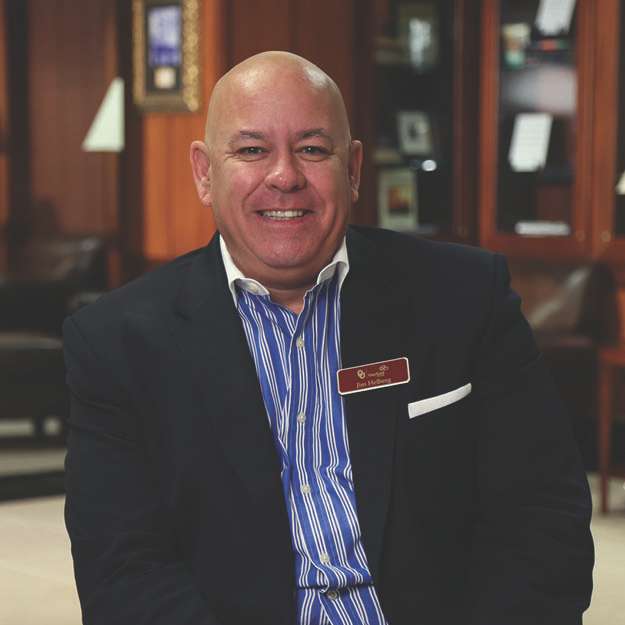
Jim Helberg Came Back to RPA. Now He Has to Carry It Forward.
Four decades in media brought Jim Helberg back to the agency where he once worked on Honda. As RPA's CEO, he is betting that old-fashioned judgment and new machinery can still share the same desk.
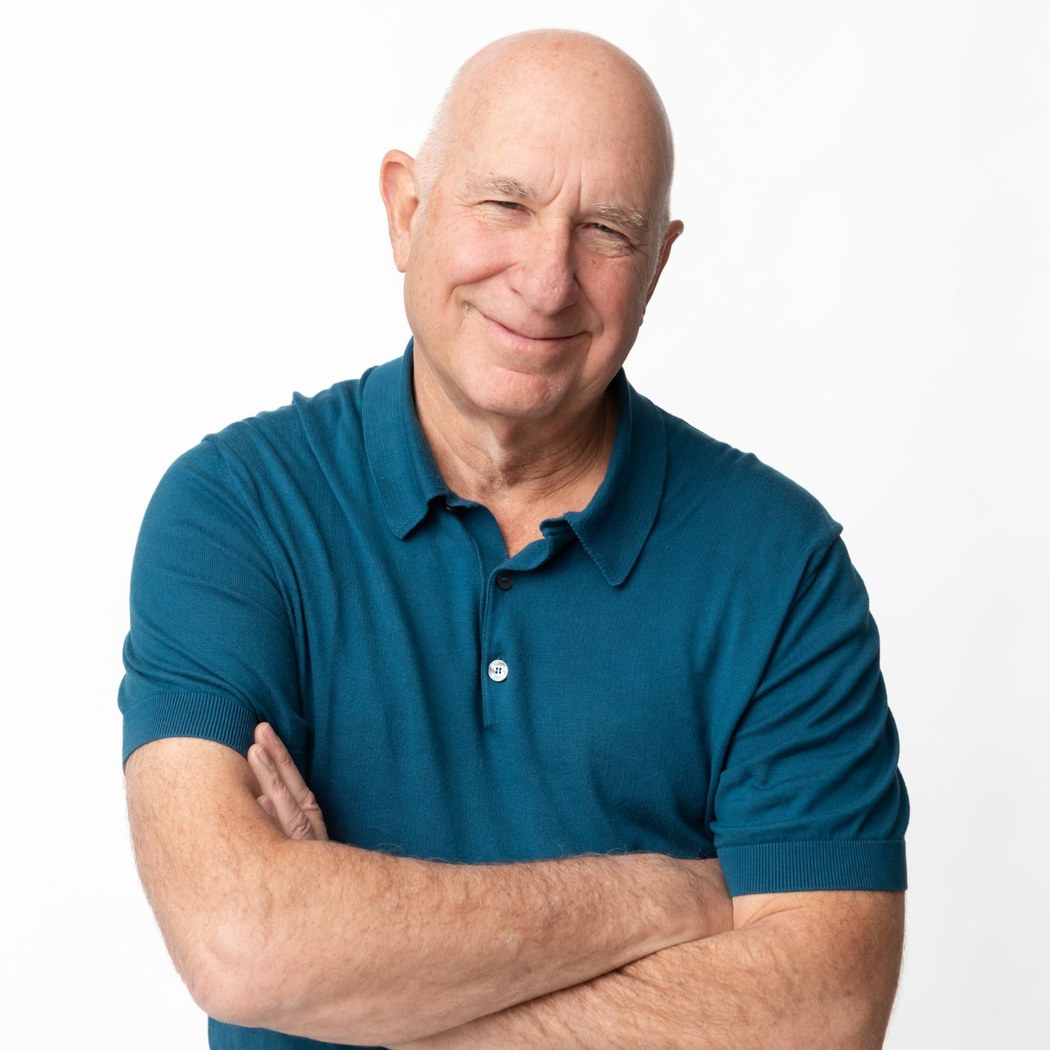
Rick Milenthal Is Still Betting That Feelings Beat the Machine
After four decades in advertising, The Shipyard's founder is building his second large agency around a stubbornly human idea: data can locate an audience, but only emotion can make it care.
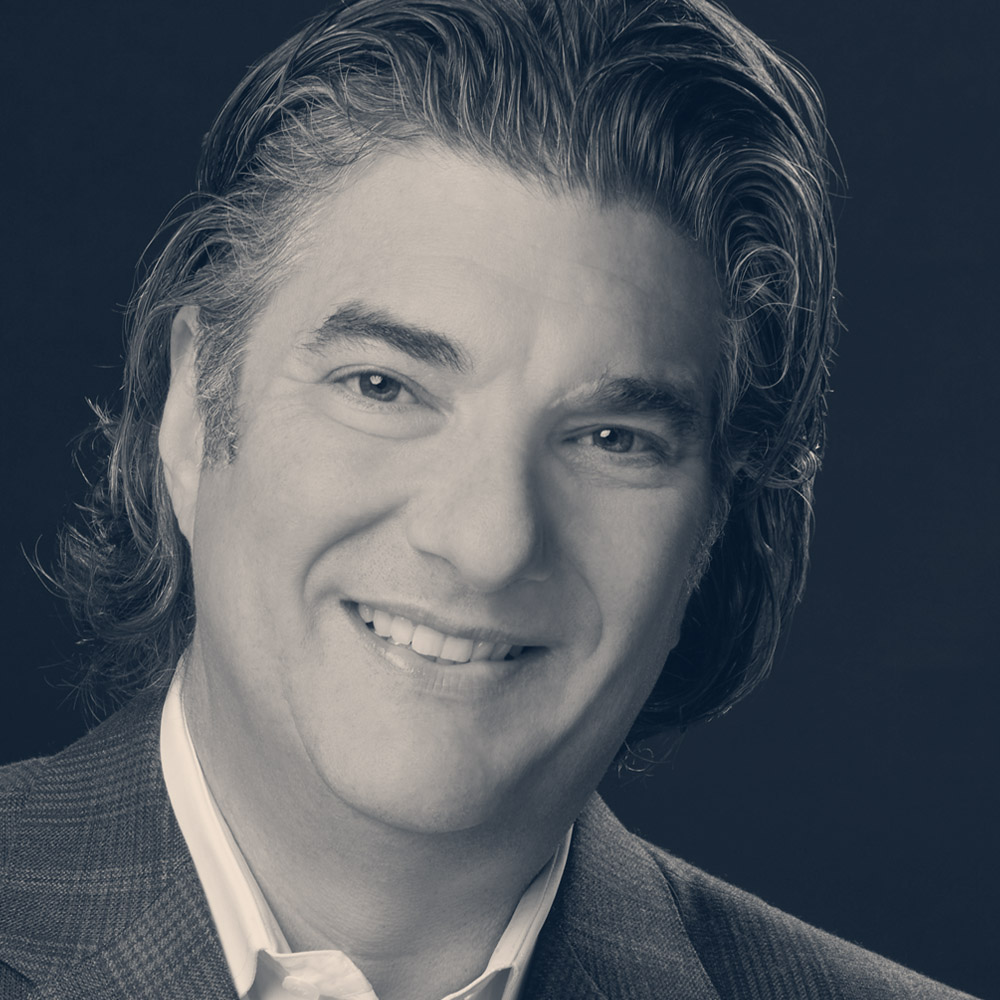
Michael Pavone Built an Agency Group by Staying Independent - and Getting Specific
For more than three decades, the Harrisburg-area founder has kept one company independent by making its agencies increasingly specialized. His portfolio now stretches from food branding and restaurant stories to predictive analytics - with a bulldog never far from the plot.

Kristina Canada Wants Every Media Dollar to Answer a Harder Question
The Net Conversion CMO has spent two decades turning travel, entertainment and media into measurable business outcomes. Her latest campaign is for something harder to chart: human judgment.
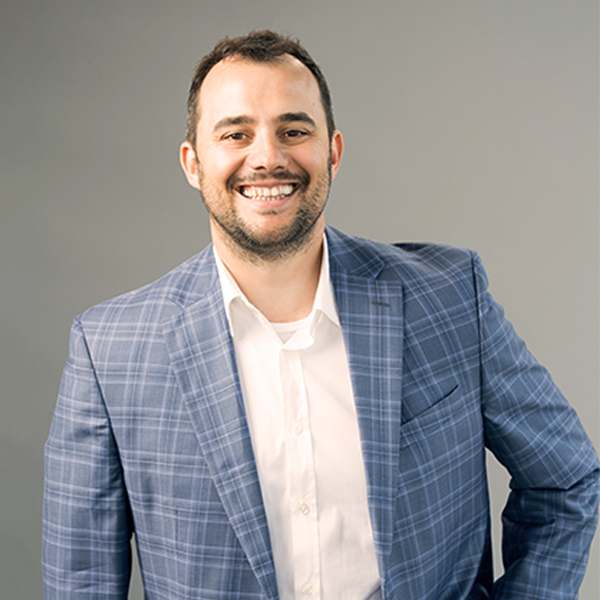
George Popstefanov Built an Agency With $960. Now He Is Selling a Better Operating System for Growth
A Commodore 64, a German manual and a teenage leap from Macedonia to Wisconsin shaped a founder who treats change as raw material. Fifteen years after starting PMG with $960, George Popstefanov is trying to turn marketing intelligence into action - without losing the culture that made the company work.
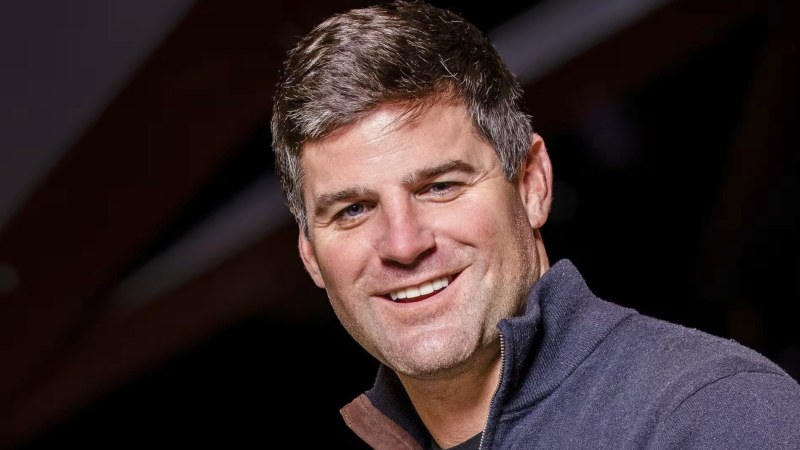
Michael Witte
Mike Witte is co-founder and CEO of Equal Parts, an Austin-based insurance platform that acquires independent agencies and layers AI automation on top of the humans who already sell the policies. In February 2026 the company closed a $23M Series A led by Inspired Capital, bringing total acquisition capital to $50M. Before Equal Parts, Witte co-founded RigUp (later Workrise) and helped scale it to a reported $3B valuation.