hospitality-marketing
(41)
The James Agency Lost 62% in an Hour. Then It Kept Everyone.
A Scottsdale marketing firm built its reputation on hospitality, then watched that market vanish in a morning. Its response - open books, zero layoffs, and a ruthless 10% cost hunt - explains how the agency works today.

NU Media Found Its Edge by Shrinking the Menu
The New York agency began by saying yes to nearly every industry. Its growth accelerated after its founders made a less obvious choice: specialize in the businesses where culture is part of the product.
The Brand Guild Built an Agency Around a Useful Disagreement
Barbara Martin believes in the power of no. Jayne Sandman tends to say yes. Their 16-year experiment suggests that a brand may need both instincts in the room.

Paradise Advertising & Marketing Sells a Place Twice
A pretty travel ad wins attention. Paradise has spent more than two decades arguing that the real product is what happens next - bookings, bed-tax receipts and a community with more reasons to thrive.

The Agency That Learned to Sell the Place Nobody Thought to Look
From a city few national clients would think to search, Carrie and Curtis Zimmerman built an integrated agency around an oddly durable skill: changing what people believe about a place, then watching what they book.

The Agency That Learned a Good Story Still Needs a Checkout Button
Sprouthouse began by winning attention for restaurants in cities the national press often flew over. Fourteen years later, it is betting that the useful agency is the one that can connect the mention, the click and the booking.
The Travel Agency That Sells No Trips
CIIC PR began in a spare room with one referral. Thirty years later, its real product is still the same scarce commodity: knowing which detail makes a stranger care.

The Rivals Who Built One Brain
Two casino marketers met on opposite sides of the Las Vegas Strip. Then the economy buckled, their young agency learned to do more with less, and an inconvenient partnership became a durable operating system.

The Week After the Viral Post
Socialite Media built a marketing agency around an unfashionable idea: the post people remember may be the fifth one, not the first. Its real product is not virality. It is repetition with a neighborhood accent.

The Publicist Who Stopped Choosing Sides
Relevance International began with a publicist's faith in earned media. Then the media business changed, and its founder made the more interesting choice: she changed with it.
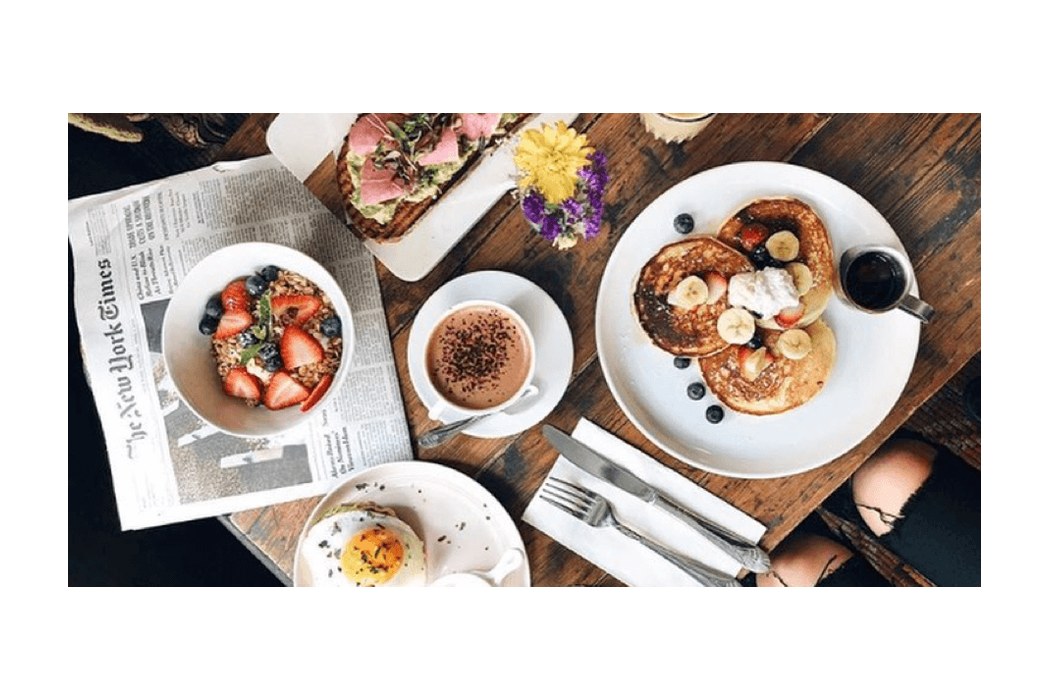
The Restaurant Publicist Who Decided Hospitality Was Everywhere
Bullfrog + Baum began with restaurants, where every detail is service and every night is opening night. That narrow apprenticeship became a surprisingly broad theory of how brands earn attention.

The Agency That Makes Travel Advertising Behave Like Travel Media
BrandsTravel found a useful place between the glossy travel ad and the booked room: a bilingual, data-minded bridge connecting destinations with the people, press, agents and creators who can move travelers across the Americas.

The Press Release Learned to Mix a Drink
CURICH | WEISS began as a public-relations shop. A decade later, its most revealing work includes a three-day resort spectacle and a cocktail booklet turned digital tool - evidence that the useful unit of modern PR is no longer the press clipping, but the connected system around it.

Kortenhaus Communications and the Art of Knowing Who to Call
For four decades, a small Boston agency has sold something larger firms struggle to manufacture: the right introduction, at the right moment, with a reason for everyone to care.

The Oldest Trick in Miami Is Knowing What Counts as News
Kreps PR has kept its first client for more than three decades. Its real product is not publicity alone, but the patient translation of towers, hotels and balance sheets into stories people choose to repeat.
How Foxglove Made Hospitality Bigger Than Dinner
Gia Vecchio built a PR firm around a contrarian idea: the best restaurant story may not be a restaurant story at all. Eight years later, Foxglove has turned that instinct into a multi-city, self-funded agency with a taste for moving hospitality into the wider culture.
The Restaurant Has One Voice. The Internet Gave It Twelve.
The Forking Group’s wager is that a restaurant’s marketing problem is rarely a shortage of posts. It is the costly jumble between the menu, the map, the camera, the inbox and the table.

The Restaurant Before the Restaurant
Most PR firms arrive when the doors are ready to open. The Gab Group would rather help decide what should be behind them - then turn the opening into a story South Florida wants to tell.

Resplendent Knows You Only Open Once
The Austin agency built its reputation in restaurants, where timing is unforgiving and opening night cannot be replayed. Its best work turns that pressure into a sequence others can borrow.

The Hotel Publicists Who Learned Not to Bet the House on Hotels
Murphy O'Brien began with one hotel, nearly lost its real-estate practice in the crash, and built a durable communications business by turning places into stories people could repeat.
The Hotel Manager Called Social Media a Fad. Keen Social Built an Agency on Proving Him Wrong.
Esteven Gamez learned social media in hospitality when the work still sounded frivolous. His Long Beach agency now sells the opposite proposition: listen closely, make something culturally specific, and measure what happened next.

The Restaurant Publicists Who Start Before the Doors Open
JS2 PR has spent 25 years learning that a restaurant opening is not a date. It is a sequence - story first, pictures second, tastings third, attention last.
MMGY Wagstaff knows who gets a seat at the table
A restaurant publicist grew into a hospitality specialist by understanding the people behind the plate. Inside Wagstaff’s business of turning food, drink and travel into stories that get picked up.

Alternative Strategies knows what a salad can do
A San Diego agency turns restaurant relationships into publicity, coordinated campaigns, and checks for good causes. Its most useful trick is getting everyone to work from the same menu.
David Perry & Associates knows who needs to be in the room
A San Francisco communications firm built its practice around mayors, museums, neighborhood crowds and the occasional Olympic flame. Its useful trick: understanding who needs to hear the story before deciding how to tell it.
af&co. knows a full dining room starts before dinner
The hospitality agency turns restaurant openings, hotel histories and local relationships into reasons to show up. Its most useful lesson: give people something specific to come for.
Lobeline Communications knows who gets people through the door
A concert promoter’s PR firm grew into an agency for restaurants, athletes, and immersive spectacles. Its history offers a useful lesson: attention pays only when it reaches the right crowd.

Modern Currency PR knows a pool needs a plot
A beauty counter beside a hotel pool explains the business of Modern Currency PR: finding the detail that gives a luxury travel brand a fresh reason to be talked about.
Mari + Gold knows a good time needs a good invitation
Three beers and a logo. A hotel beside a ballpark. A phone accessory with somewhere to stick. Inside the agency that turns things people can buy into things they can picture doing.

Formula Marketing knows what an empty table costs
Built by a restaurant operator, the San Diego agency connects the photograph, the search result, and the reservation. Its most useful question comes before the campaign: which part of the business needs more customers?