The most revealing thing Suzanne Rosnowski says about her company is not that it grew from New York to London, Los Angeles and Dubai. It is that she once resisted the very idea that made the expansion useful. Rosnowski had been trained as a journalist. She believed earned media and paid media should live apart - “church and state,” in her phrase. Public relations earned attention; advertising bought it. The moral geometry was clean.
Then the audience escaped the diagram. People stopped discovering a company through a few predictable publications. Search, social feeds, sponsored stories, events, influencers and websites became parts of the same encounter. A brilliant press mention could vanish without distribution. A handsome ad could buy a glance without earning trust. Relevance International, founded in 2012 as a real-estate-focused PR shop, had to decide whether it was defending a principle or serving a client.
Rosnowski chose the client. In 2020, she added digital, branding and advertising to the firm. The decision sounds obvious now, which is why it is worth remembering that it did not feel obvious then. Mature businesses often fail by preserving the distinction that once made them respectable. Relevance grew by letting its old distinction expire.
“I chose evolution.”Suzanne Rosnowski, on expanding beyond traditional PR
A small budget meets a very large list
Consider La Liste, the French guide that aggregates publications, guidebooks and online reviews to rank restaurants, hotels and pastry shops. Six years after launch, it had little brand awareness in many global markets. Relevance received a limited budget and a narrow project scope around three 2023 programs. The ordinary response would be volume: pitch everyone, celebrate the number of emails sent, and hope something lands.
Relevance did the opposite. It managed exclusive material with a select group of outlets in the United States, Britain and Europe. The purpose was not merely to win a prestigious clipping. It was to choose publications whose stories would travel. Bloomberg Pursuits and the Australian Financial Review each interviewed La Liste executives twice. Coverage spread through publications across Asia, Europe, North America and the Middle East.
The result was 176 placements and more than 1.2 billion reported impressions. More important than the enormous denominator was the commercial sequel: La Liste appointed Relevance its international press office of record. A constrained assignment became a continuing relationship. The clever bit was not doing more with less. It was deciding what less should contain.
The object is complicated. The story cannot be.
Relevance is usually described as a luxury agency. That is true, but not quite diagnostic. Luxury is the surface. Its deeper specialty is explaining complicated, expensive objects to several audiences at once. A hotel residence must make sense to a buyer, an investor, a travel editor and a local community. An urban regeneration project must be a place to live, a national economic argument and an investment proposition, without sounding like three unrelated brochures.
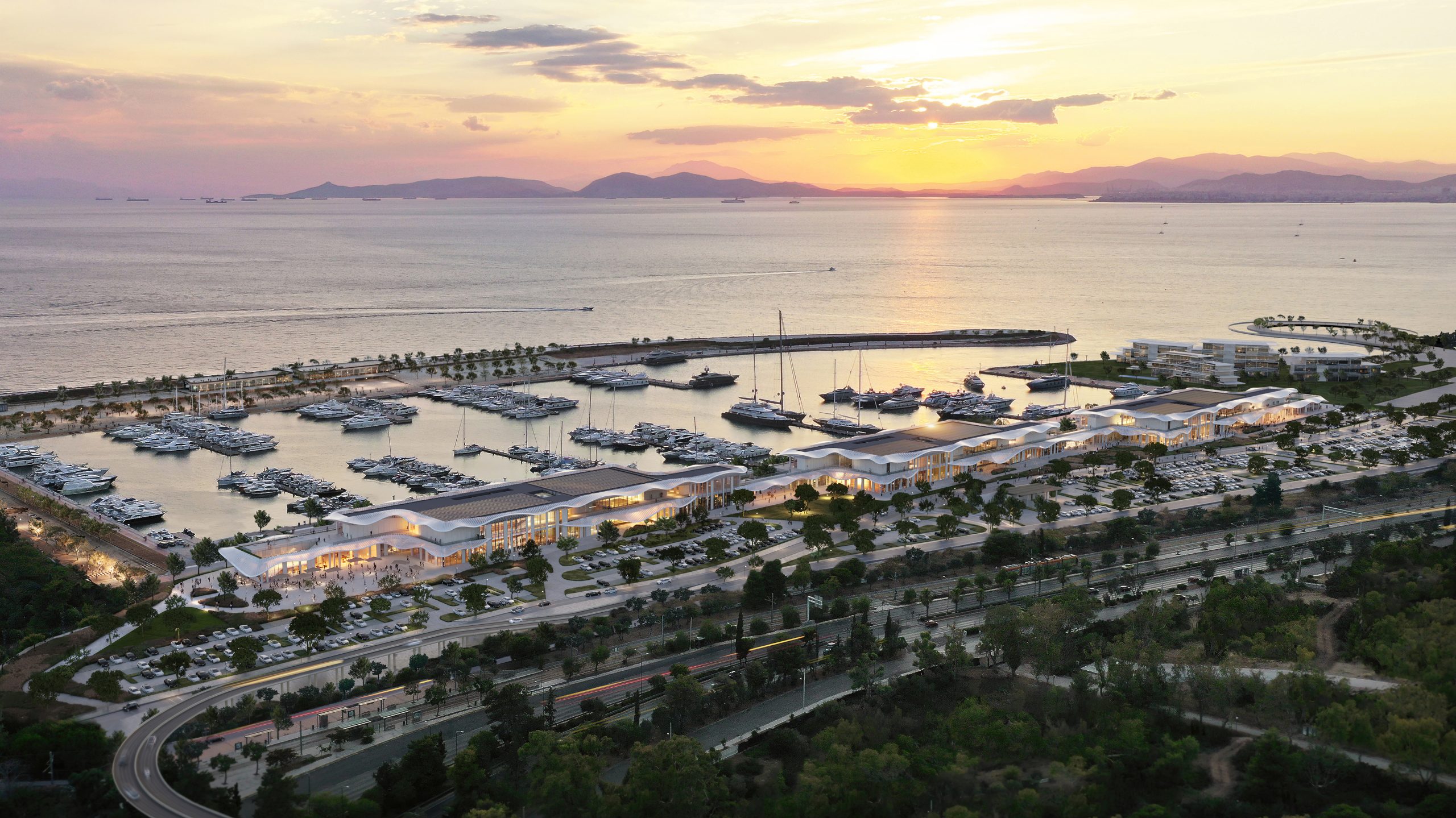
The Ellinikon is the purest example. LAMDA Development is building the 2.3-square-mile project on the former Athens airport and Olympic grounds. Relevance combined international media relations, paid digital work and a trip for 23 journalists. Its campaign presented the development as part of Greece’s economic comeback and as a place to visit, work, live and invest. The agency reports 169 articles, $10 million in PR value, 600 million digital impressions and 26 million engagements. Available luxury units sold out before groundbreaking, an outcome to which Relevance says the campaign contributed.
That formula gave the firm its name. It also explains why its work now spans media relations, brand positioning, paid search, social, websites, events and partnerships. Value without attention remains obscure. Attention without value is a sugar rush. The agency sells the coordination of the two.

A focus group with a Batmobile
For Warner Bros. Discovery Global Consumer Products, the question was delightfully peculiar: could Bruce Wayne work as a luxury brand? Relevance helped turn the hypothesis into an eight-day retail experience and an e-commerce site. It assembled $40 million in products, including a $3 million Tumbler, and secured collaborations that made the fictional industrialist’s taste physically shoppable.
The campaign produced approximately 350 pieces of organic coverage and a reported potential audience above 25 billion. NFL quarterback Joe Burrow’s interest in the Tumbler created a viral detour; the site received 15,000 visitors from around the world in one month. The important verb in the brief was not “promote.” It was “test.” Physical theater, digital commerce and press coverage became a way of measuring whether the character could carry a market beyond film.
Independence is an operating system
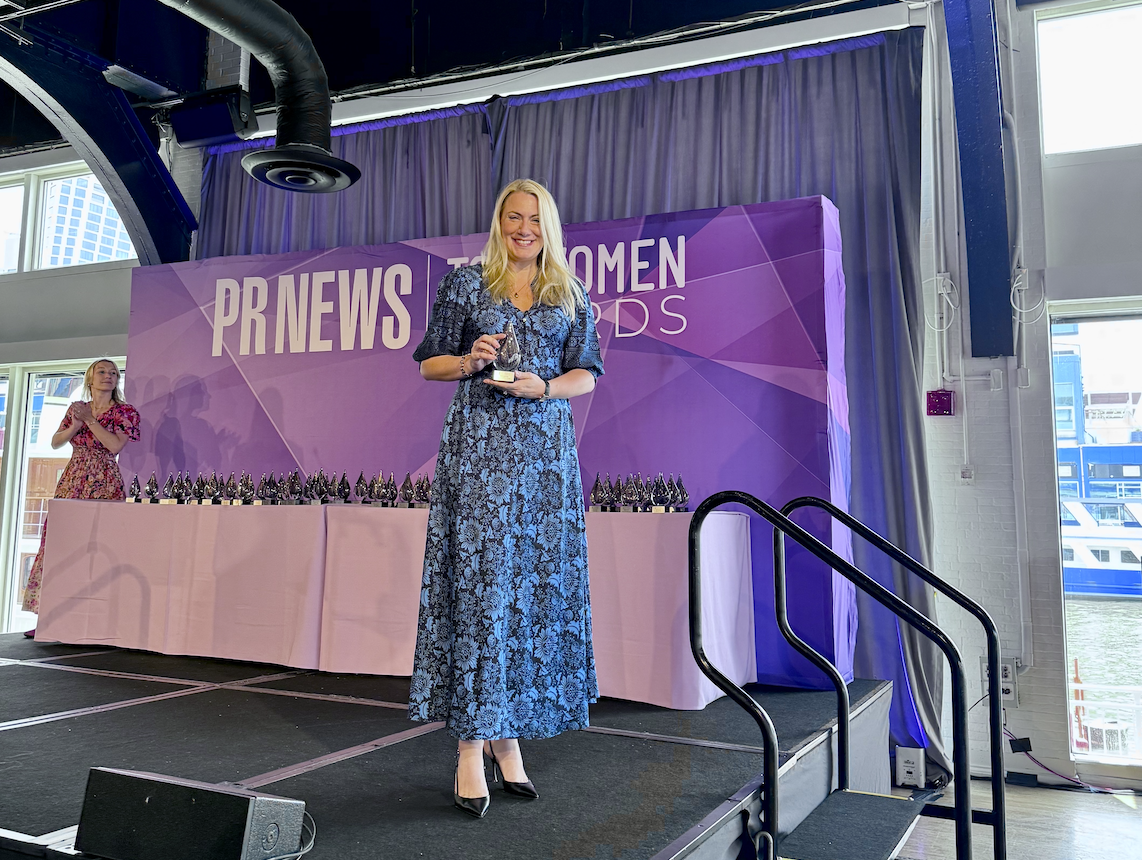
Relevance is entirely owned by Rosnowski, with no outside investors and, by her account, no debt. She reinvested rather than take external capital. This is not decorative biography. An agency that makes its living responding to changes in attention benefits from being able to change without a sponsor’s timetable. London opened after New York; Los Angeles extended the working day and the firm’s creative reach; Dubai opened in 2025 in response to demand from the Gulf. An affiliate network fills gaps where a permanent office would be premature.
Inside the firm, the same logic appears in a “may the best idea win” culture. Public descriptions mention monthly Lunch and Learn sessions, mentorship, individual growth paths, biannual reviews and a two-day annual visioning session. The company’s R.I.S.E. method - Research, Insights, Strategy, Execution - turns that appetite for ideas into a sequence clients can buy. First understand the category. Then identify the useful difference. Only then choose channels.
The specialist
New York real estate and luxury-lifestyle public relations.
The integration
Digital, branding and advertising join earned media under one roof.
The experience
Brand partnerships and live events become a formal practice.
The new search layer
Dubai opens, then AI Amplification Optimization enters the service mix.
The useful part you can steal
The firm now argues that public relations, SEO, generative-engine visibility and paid media form one system. Earned coverage creates external signals of authority. Search and AI systems can use those signals. Paid campaigns work harder when the audience already recognizes and trusts the name. It is a modern claim, but it grows directly from Rosnowski’s earlier change of mind: channels may have different rules, yet customers experience one brand.
A five-part communications brief
- Name the business outcome before naming a channel.
- Find the one difference an outsider can repeat accurately.
- Choose a small number of outlets or audiences with real multiplying power.
- Give earned, owned, paid and live work the same central sentence.
- Measure the next behavior - visits, inquiries, sales, appointments - not only the noise.
This approach is best suited to businesses with a valuable but hard-to-explain proposition, several audiences, and enough proof to support sustained scrutiny. It is less useful for a commodity with no meaningful distinction, for a company seeking instant sales without reputational groundwork, or for a team unwilling to align its executives, website, advertising and press language. Integration magnifies coherence. It also magnifies confusion.
Relevance International sits between the giant network agency and the narrow specialist boutique. It has the subject fluency of the latter and the channel range of the former, without outside ownership. Competitors can offer individual pieces of the same puzzle. The bet Relevance makes is that the joints matter: the line between the press story and the search result, the press trip and the sale, the fictional billionaire and the visitor who wants to buy his car.
Fourteen years after launch, Rosnowski’s most useful product may be her willingness to be corrected by the market. She did not abandon earned media. She placed it in a larger machine. The publicist stopped choosing sides because the customer had already stopped noticing them.