healthcare-software
(48)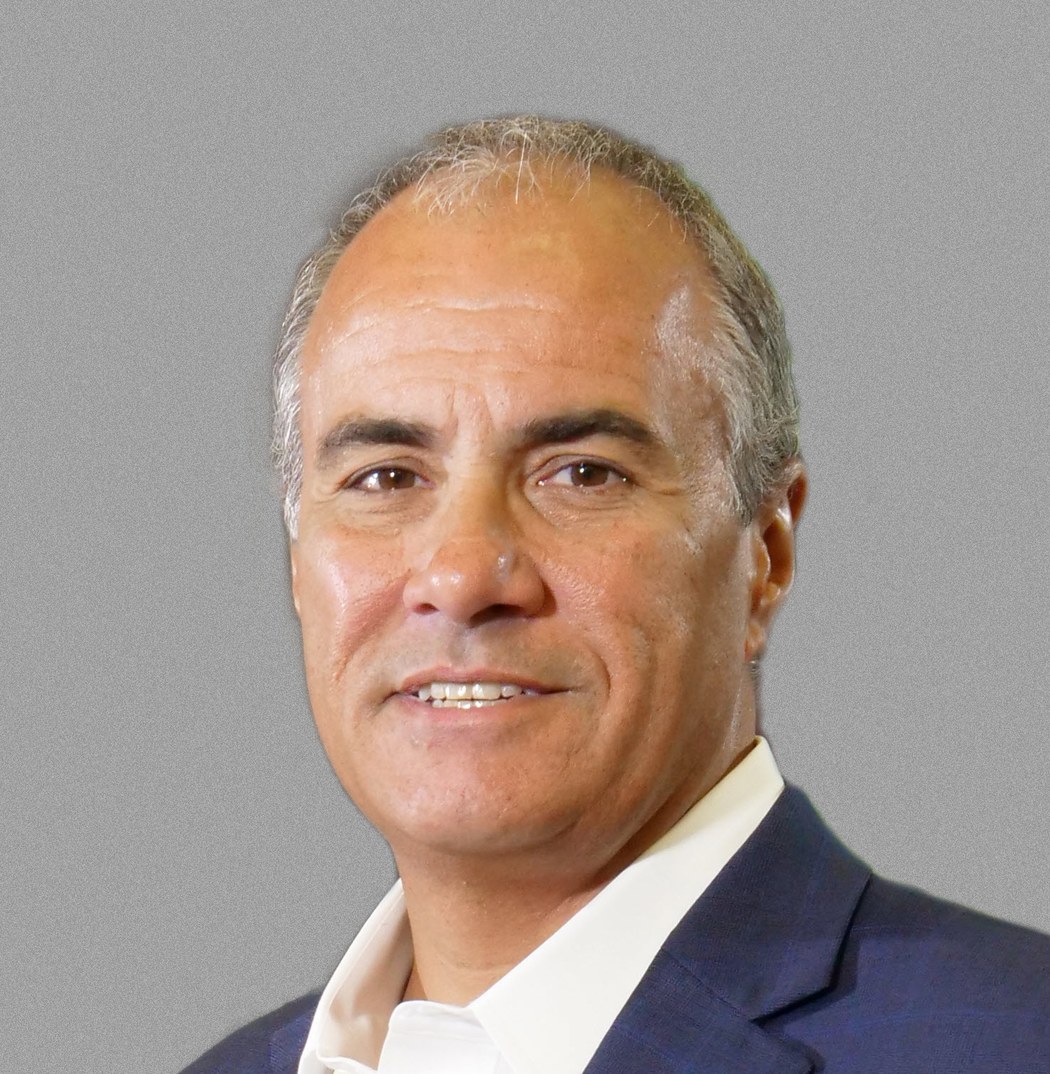
Ronald Gaboury and the Thirty-Year Bet on the Hospital Room
He arrived at Yorktel with a calculator, stayed for three decades, and helped turn video conferencing into hospital infrastructure. Ronald Gaboury’s career is a study in patient reinvention - and in knowing when a useful side project deserves a company of its own.
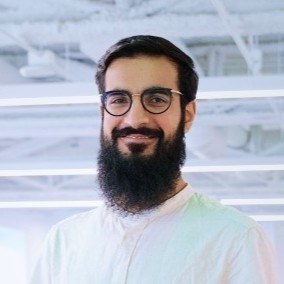
Waleed Asif Learned to Fix What Others Threw Away
Before NexHealth became a billion-dollar company, its technical co-founder paid bills by repairing discarded computers. That instinct - open the box, question the design, make the old machinery useful - became a blueprint for taking on healthcare's locked data systems.

The Unicorn That Discovered Care Wasn't Software
Elemy raised $270 million to make autism care feel less like paperwork and more like care. Then the company learned the hardest lesson in digital health: the people are not the software layer.

Before You Redesign, Call Cadabra’s UX Trauma Center
Cadabra sells a diagnosis for digital products that have lost their way. Its work on insurance portals and medical software shows why the trouble often starts well below the surface.
HELSI booked the appointment. Now it wants the rest of your health routine.
Ukraine’s medical booking service grew into a business connecting patients, clinics and digital records. With Kyivstar in control, the next test is turning everyday convenience into a habit people will pay for.

Bionical Solutions found a better way to engage: fewer platforms
Five education platforms became one, and more pharmaceutical reps used it. Inside the healthcare digital business that makes the next step easier for clinicians, patients and public-health teams.

Light IT Global Makes the Software Behind the Software
A Ukrainian-born engineering company has built its business on the unglamorous work that makes digital products useful: moving medical images, connecting broker systems, and turning specialist knowledge into services people can buy.

TPP wants your medical record to stop starting over
The company behind SystmOne has built a business around a simple promise: one patient, one record. Its most revealing results come from fixing the small administrative failures that make healthcare feel so disjointed.

RioMed and the patient record that stays
Fifteen years of clinical history can make software hard to replace. From Welsh rheumatology clinics to Guyana’s national EHR project, RioMed’s Cellma shows why the patient record is only the beginning.

ClearCourse Bought the Software Behind Britain’s Small Businesses - Then Put Payments Inside It
The quiet systems running a marina, a garage or a golf club are hard to replace and easy to overlook. ClearCourse has spent eight years buying those niche operators, joining their workflows to payments, and betting that useful beats fashionable.

Andrew Speight Turned a Rebrand Into a Career in the C-Suite
He arrived at RXNT as a senior graphic designer and, in the same year, became its chief marketing officer. His career makes a tidy case for the executive value of noticing what everyone else skims past.

Mary Williams Left Legal AI for a Software Mission Close to Home
After marketing law, creators, performance and AI, the Minnesota operator chose Valant for a reason that arrived through her own family. Her career is a study in making complicated products legible - and then building the team to sell them.
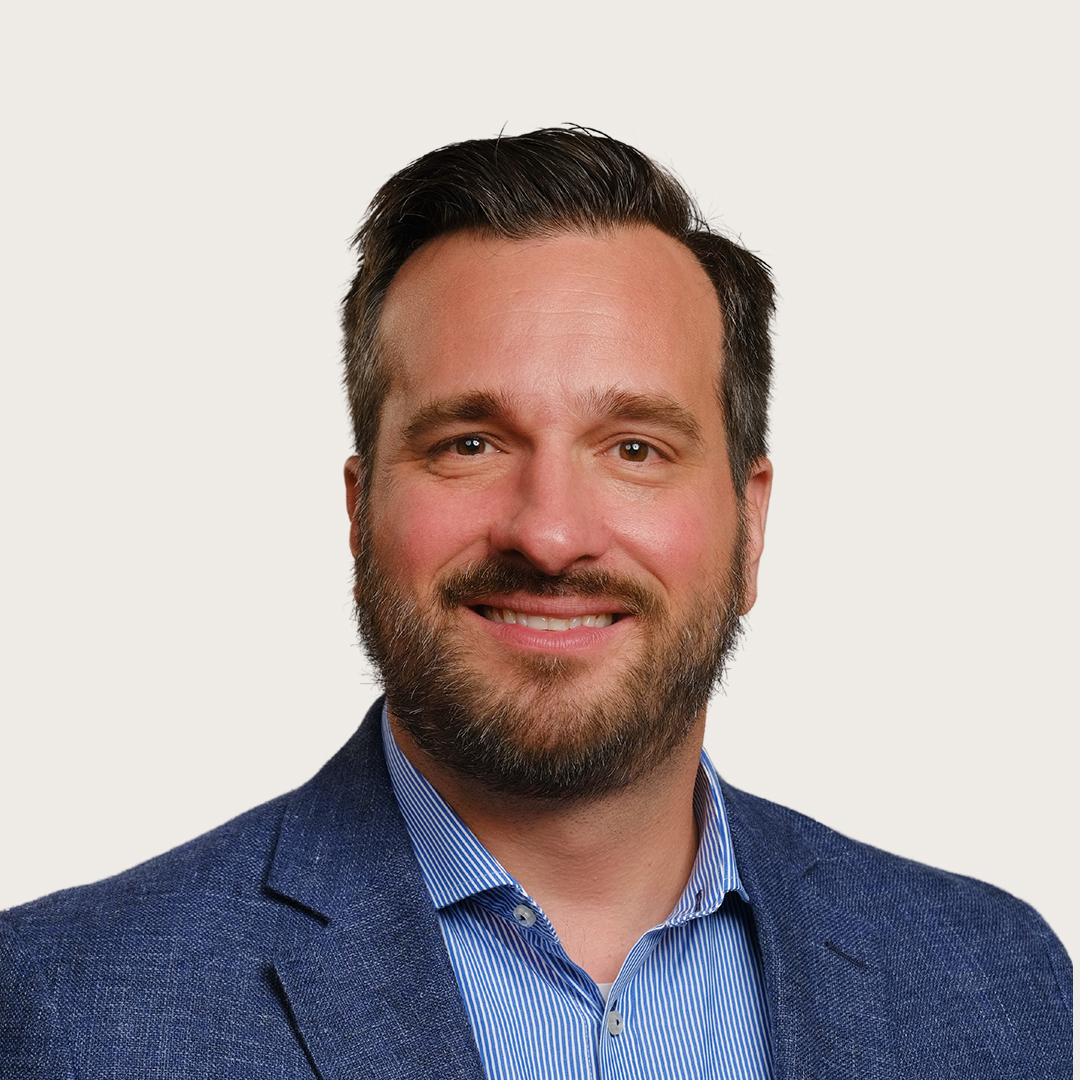
Mike Etzinger Has Spent 18 Years Making Serious Software Sound Human
From Microsoft and OpenText to a long run through RL Solutions and RLDatix, the Toronto executive has built a career around a deceptively hard brief: make complex software useful, credible and human.
The Lab's Invisible Traffic Cop: How Data Innovations Moves Results Before Anyone Notices
The blood analyzer gets the glory. Data Innovations handles the awkward part - making thousands of machines, rules and patient records agree before a result reaches the chart.

WellSky Put a $1.35 Billion Bridge Between the Hospital and Home
The former Mediware spent years assembling the overlooked machinery of post-acute care. Now its biggest test is turning a cabinet of specialist software into one intelligent network - without making care teams learn another disconnected tool.
RLDatix Had 500,000 Users and a 1.3-Star Problem - Then It Started Listening
The healthcare-software roll-up had scale, a sprawling product estate and a workforce app customers disliked. Its repair job offers a useful lesson: fix service first, put engineering on the loudest pain, and earn the right to sell the bigger platform story.

Justin Steinman Makes Complicated Companies Sound Human
The ModMed CMO has spent two decades turning healthcare software, corporate transformations and one frantic Nasdaq debut into stories people can actually repeat. His method begins with plain English, shared ownership and a useful suspicion of marketing theater.
RXNT Bet on Boring Healthcare Software - Then Built a $54 Million Business
A Palm Pilot, an SBA-backed loan and one ugly lesson from the IRS became a 26-year lesson in building durable SaaS: solve the dull workflow first, listen when customers ask for the next one, and keep the price visible.
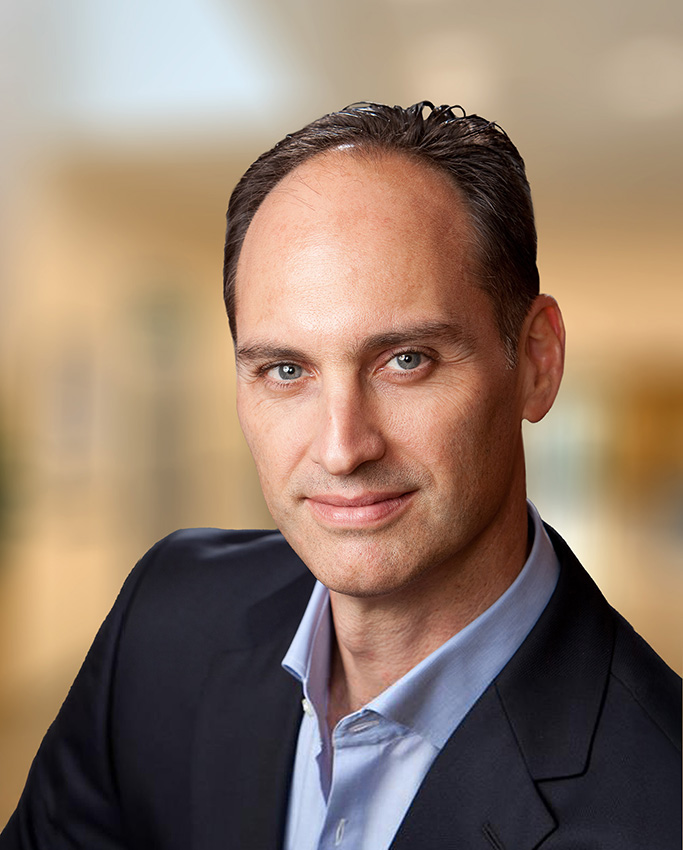
Bryon Thomas Has Spent 25 Years Making Complicated Software Easier to Want
From a five-week Citrix sprint to an AI-era role at Ensora Health, his career is a study in translating complicated technology into a reason to care.
Vince Koehler’s Long Game: Make Marketing Answer to Sales
From early digital agency work to healthcare software, Vince Koehler has kept returning to one stubborn idea: useful marketing earns attention, proves its value, and helps sales close the loop.
Elation Health Bet the EHR Was the Problem. Now It Wants AI to Give Primary Care Its Evenings Back.
Two siblings built a chart for their father's clinic, then spent 16 years turning that family workaround into the operating system for independent primary care. The new wager is bigger: AI should finish the paperwork without hijacking the visit.

Kipu Health Wants Behavioral Health to Run on One System - Here’s the Bet Behind the Last Login Standing
Behavioral-health clinics do not need another dashboard. Kipu’s wager is that one vertical operating system can connect the first inquiry, the clinical note, the compliance check and the final paid claim - without making care feel like data entry.

Medecision Survived a Rough IPO. Now It Wants Health Plans to Stop Admiring Dashboards and Start Acting.
A basement-born medical software company went public, endured what its founder called a terrible ride, and sold for $121 million. Nearly four decades after launch, Medecision is betting that healthcare’s next breakthrough is not another dashboard - it is turning messy data into the next useful action.
Tanner Thompson Is Making the Humble Staff Schedule Tell the Truth
At Covr, the Utah founder is turning whiteboards, payroll fragments and last-minute staffing calls into an operating system for long-term care - one small decision, one visible number and one reclaimed hour at a time.
Heidi Morin Put a Number on What the Hospital Floor Already Knew
A nurse director was asked to trim her workforce. Her own calculator found the unit was 9.6 full-time nurses short - and gave Heidi Morin the blueprint for a company built between the bedside and the budget office.
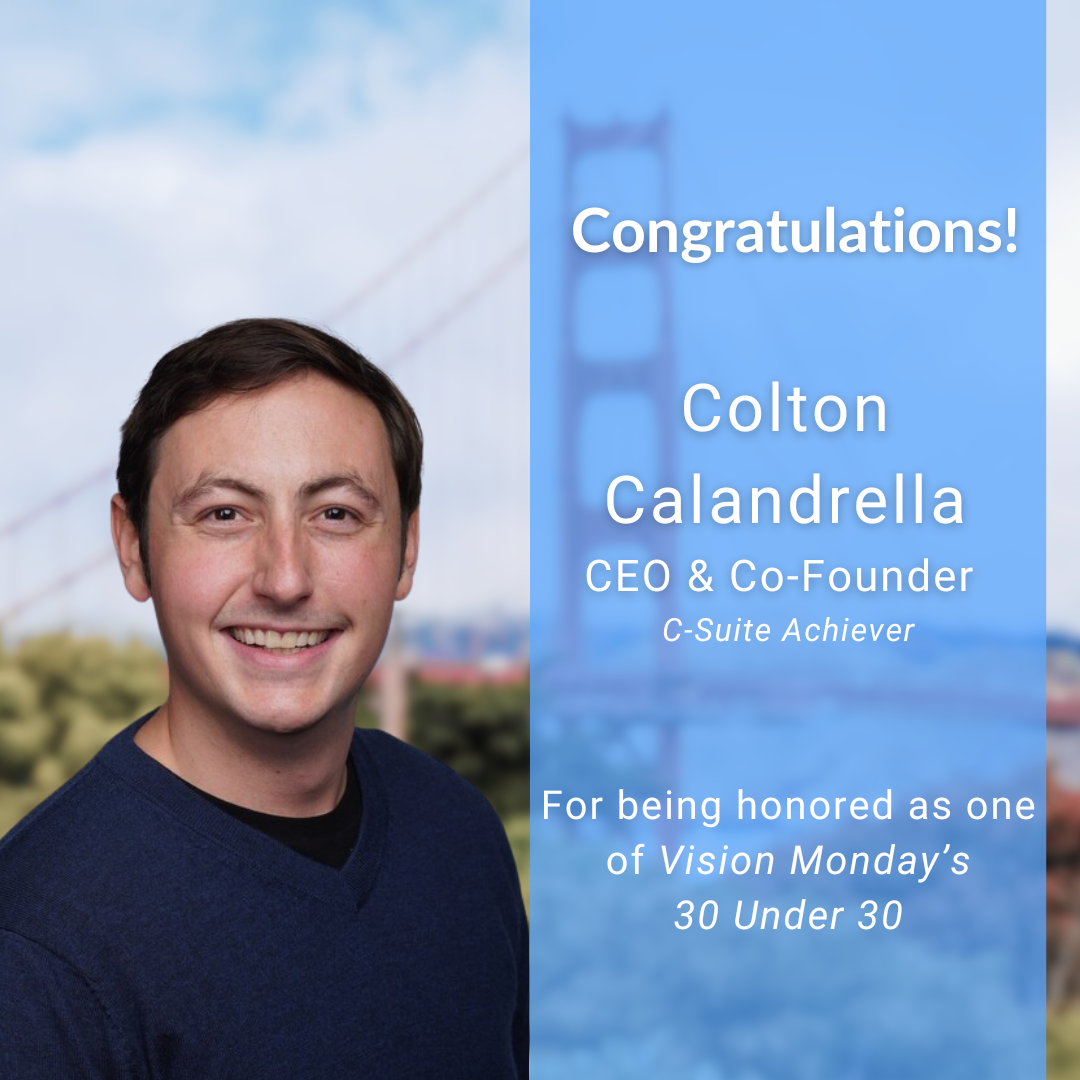
Colton Calandrella Is Building Software That Knows When to Get Out of the Way
Before Barti, he taught math, timed airport lines, and built software inside Bain. Now Colton Calandrella is applying the same systems instinct to the invisible work behind independent eye care.

Sixteen Years, No Funding, and the AI Nobody Demos
ITRex Group has spent sixteen years turning other companies' hardest problems into working software. Now it is doing the same with AI - the part that runs in production, not the part that looks good on stage.
The $83 Million Fund That Turned Healthcare Operators Into a Sales Force
HC9 Ventures built its pitch around a simple diagnosis: healthcare startups rarely fail for lack of software alone. They fail in the maze between a promising product and the institutions that must buy, trust, and deploy it.

Langate Spent 30 Years Learning What Old Software Won’t Tell You
The New York-born, Ukraine-powered engineering company has built a quiet specialty: modernizing the healthcare and enterprise systems that cannot afford to stop working while they change.
The Lahore Shop That Sells Silicon Valley Its Software
Founded in 2006 with five people in Lahore, PureLogics now ships custom software and AI systems to Fortune 500 names from a New York address - without ever taking a dollar of outside funding.