A patient record can outlast several generations of software fashion. In August 2026, a Welsh health board explained why it was keeping Cellma, the clinical system made by RioMed. The software held more than 15 years of patient data, alongside bespoke functions embedded in rheumatology and DEXA services. Replacing it would bring significant cost, disruption and risk to care. The contract was worth £35,676.10 before VAT. The history inside it was harder to price.
That is a revealing introduction to RioMed, a British healthcare software company whose work reaches from specialist NHS departments to Caribbean clinics and aviation medical administration. Its business sits where medical records meet the machinery of care: appointments, referrals, prescriptions, permissions and reports. A record has to be useful to the next person who opens it. A tidy digital filing cabinet is only a start.
“over 15 years of patient data and bespoke functionality”
Cwm Taf Morgannwg University Health Board
August 2026 procurement notice
The software gets to know the clinic
Founded in 1997 by managing director Mario Mohammed, RioMed operates from the UK, Trinidad and Tobago, and India. Its stated purpose is to improve the quality, safety and efficiency of healthcare. The company’s regional business profile describes an early Caribbean use of Cellma at the Medical Research Foundation, tracking patients being tested and treated. The practical unit of progress was the clinic and its information.
CellmaEHR now combines electronic patient records with hospital administration and financial workflows. Staff can register patients, arrange appointments, document consultations, manage medication and connect services to billing. The modular structure lets customers select functions that suit their organisation. A service with a particular reporting requirement does not necessarily have to buy into a whole-hospital replacement project to use the software.
Rheumatology illustrates the value of that specificity. RioMed’s specialist offering brings disease-activity information, laboratory results, treatment histories and clinical plans into the same working environment. Long-term conditions generate repeated encounters; the useful record shows change across them. A generic notes field can store a visit. A configured specialty system can help organise the relationship between this visit and the last one.
The Cwm Taf Morgannwg renewal exposes the other side of that close fit. Years of local adaptations and accumulated history make a system valuable, while also making departure complicated. For a buyer, the implication is practical: ask how records and customised workflows will move before they become the reason a move is difficult. Continuity has a commercial value for the supplier and an operational value for the clinic.
Guyana puts the record on a bigger map
In March 2025, Guyana’s Ministry of Health announced an 18-month contract with RioMed backed by US$3.3 million from the Inter-American Development Bank. The commission was to implement a national electronic health record system. This was a healthcare technology project funded through a development institution; the amount describes the project, rather than a venture-capital round for RioMed.
The reasons for change were concrete. The ministry’s March newsletter described separate record systems across Georgetown Public Hospital’s clinics and specialties. Hospital chief executive Robbie Rambarran linked that fragmentation to repeated diagnostic tests and concerns about multiple medications. Physicians needed to see who else was treating the same person. Before anyone could promise a connected service, the existing information had to stop living in separate compartments.
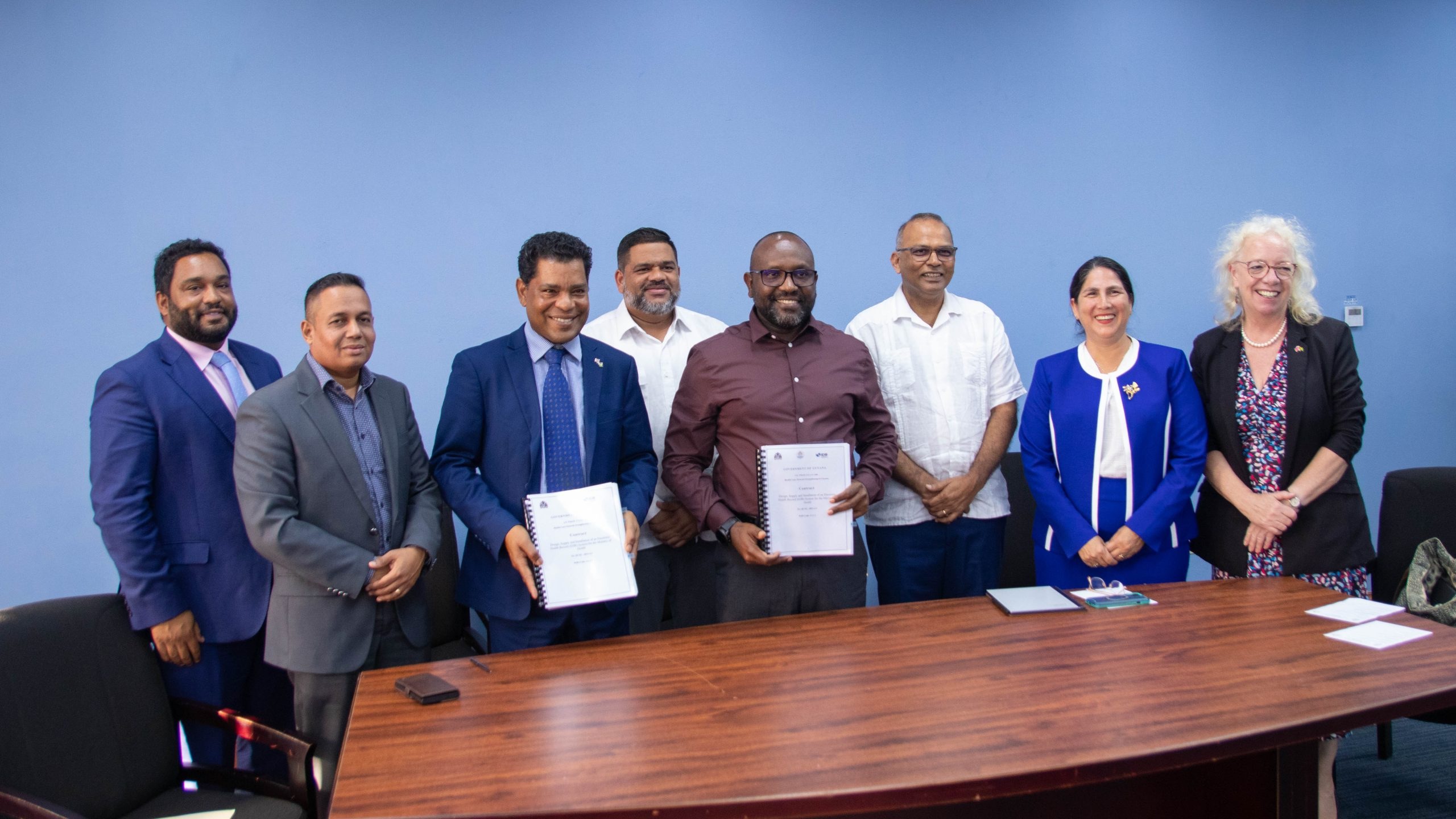
Health minister Frank Anthony also described the frustration of finding paper records: files could be misplaced, information could be scattered, and patients could wait while staff searched. A unique identifier was part of the proposed answer. The ambition was straightforward to explain - let the patient’s history be retrieved across the public system - even though delivering it involved substantially more than putting a computer on a desk.
The first reported operational milestone arrived on January 17, 2026, at Festival City Polyclinic. RioMed described the site as the pilot for the national EHR, with digital records used in daily workflows and patient access to information such as prescriptions, results and visit histories. Regional manager Hal Mohammed called it “an important first step.” That wording matters: a pilot establishes a place to learn before wider deployment.
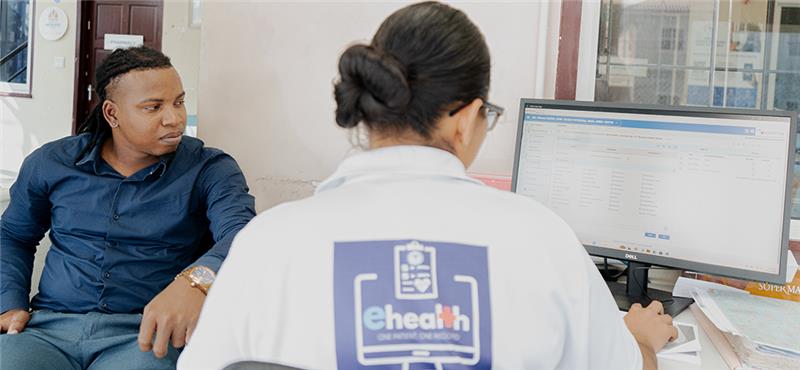
The company’s January update explicitly anticipated refining workflows as lessons emerged. That gives the project a useful test beyond the launch photograph. Can staff use the shared record reliably during ordinary consultations? Does information remain useful when a patient moves between services? Those are the questions that will determine whether the national ambition becomes an everyday convenience.
A booking is just the opening move
Cellmaflex carries the same connected-care idea into practices and patient access, with an explicit focus on Trinidad and Tobago and the wider Caribbean. Patients can book appointments and access prescriptions and diagnostic results. Doctors and clinics get scheduling and consultation tools. Laboratories, imaging centres and pharmacies are included in the design, so the encounter can continue after the consultation ends.
Consider the intended sequence: a patient finds a participating clinician, books, attends, and later needs a result or prescription. Each stage has a different participant. Cellmaflex aims to keep those exchanges within a connected service. Its usefulness therefore depends on the relevant providers participating and maintaining the information. An attractive booking screen cannot by itself connect a laboratory that still operates outside the process.
- 01BookPatient + practice
- 02ConsultClinician + record
- 03ResultsLab + patient
- 04Follow upNext team + history
CellmaConnect addresses another handover: the referral. RioMed describes a network linking primary care, specialists, diagnostics, pharmacies and allied professionals, with information available to authorised recipients. The problem is recognisable to anyone who has carried a letter between appointments. Electronic referral management gives the receiving service a structured route into the conversation; the benefit rests on the receiving service actually using it.
The broader family also includes a patient portal, community care tools, pharmacy functions and analytics. The patient portal offers access through browsers and mobile apps, while the provider controls who may see which information. These are different doors into the same underlying problem. Patients need access, clinicians need context, and administrators need to keep the service moving without making everyone re-enter the same story.
The aviation regulator is a clue
One of RioMed’s more unusual customers is the UK Civil Aviation Authority. The regulator publishes Cellma guidance for medical applicants and aeromedical examiners, and updated its applicant user guide in October 2025. Applicants access the medical service through a CAA customer portal account. This is medical information supporting a regulatory process, which gives Cellma a role beyond the familiar hospital consultation.
That range helps explain RioMed’s position in the market. Epic and Oracle Health also sell systems built around connected clinical information. RioMed’s public examples make its configurable specialist work and UK-Caribbean reach particularly visible. The distinction is the mix of deployments: a department retaining its clinical history, a regulator administering medical records, and a government building towards a national system.
Scale still needs a date attached. RioMed’s 2024 G-Cloud service definition reported more than 30 NHS trusts, 10 Irish hospitals and over 50 sites in the Caribbean and elsewhere. Those supplier-reported figures provide context for its established customer base. They also show why describing the business simply as a patient-booking app would miss much of its work.
Read past the licence price
RioMed’s public business model combines software licensing with implementation and continued support. Its G-Cloud 14 entry advertises £9 to £29 per user per year. That figure needs its scope kept intact: it is a listed service price, not the total cost of converting a hospital or connecting a national health network. Onsite support and some support arrangements carry extra charges.
Cellma’s G-Cloud 14 service price.
Deployment and support scope still matter.
The company describes a ten-step implementation process covering setup, design, customisation, training and go-live. Each step requires sign-off from both RioMed and the customer before the next begins. That is a useful practice for other software buyers to copy. It gives each party a defined moment to check whether the agreed work is ready, before uncertainty travels into the next stage.
The work also requires people beyond programmers. RioMed’s leadership roster includes implementation and reporting, database management, infrastructure and security, alongside software engineering. Its careers material advertises training, hybrid work, wellness benefits and international exchange opportunities. These are the company’s stated employment offers. They fit the practical demands of supporting customers across countries, where a deployment needs explanation, configuration and follow-through.
The handover is the test
Integration deserves a precise conversation. RioMed’s current CellmaEHR page advertises open API support, while its older G-Cloud 14 listing answers “No” to the API question. The useful response is to specify the version, interface and connection required in the proposed deployment. A general promise of interoperability is less informative than seeing the intended exchange work with the customer’s actual systems.
Access rules matter just as much. The product needs to connect care while respecting the boundaries around sensitive records. RioMed lists security and quality credentials, including ISO 27001 and Cyber Essentials Plus, and describes permissions that restrict access by role. Those controls become useful through the choices made during implementation: which team sees a record, who can change it, and how that activity is reviewed.
For buyers, the copyable lesson is to make the ordinary handover the centre of the demonstration. Follow one record from registration to consultation, referral and follow-up. Include the people who will do the work. Agree what happens when information must leave. RioMed’s Welsh renewal shows the staying power of clinical history; its Guyana pilot puts the next question in front of real users. The record has to arrive where it is needed, ready for the next encounter.
Open the next record
Explore the products, watch a walkthrough or follow RioMed’s updates.