healthcare-marketing
(46)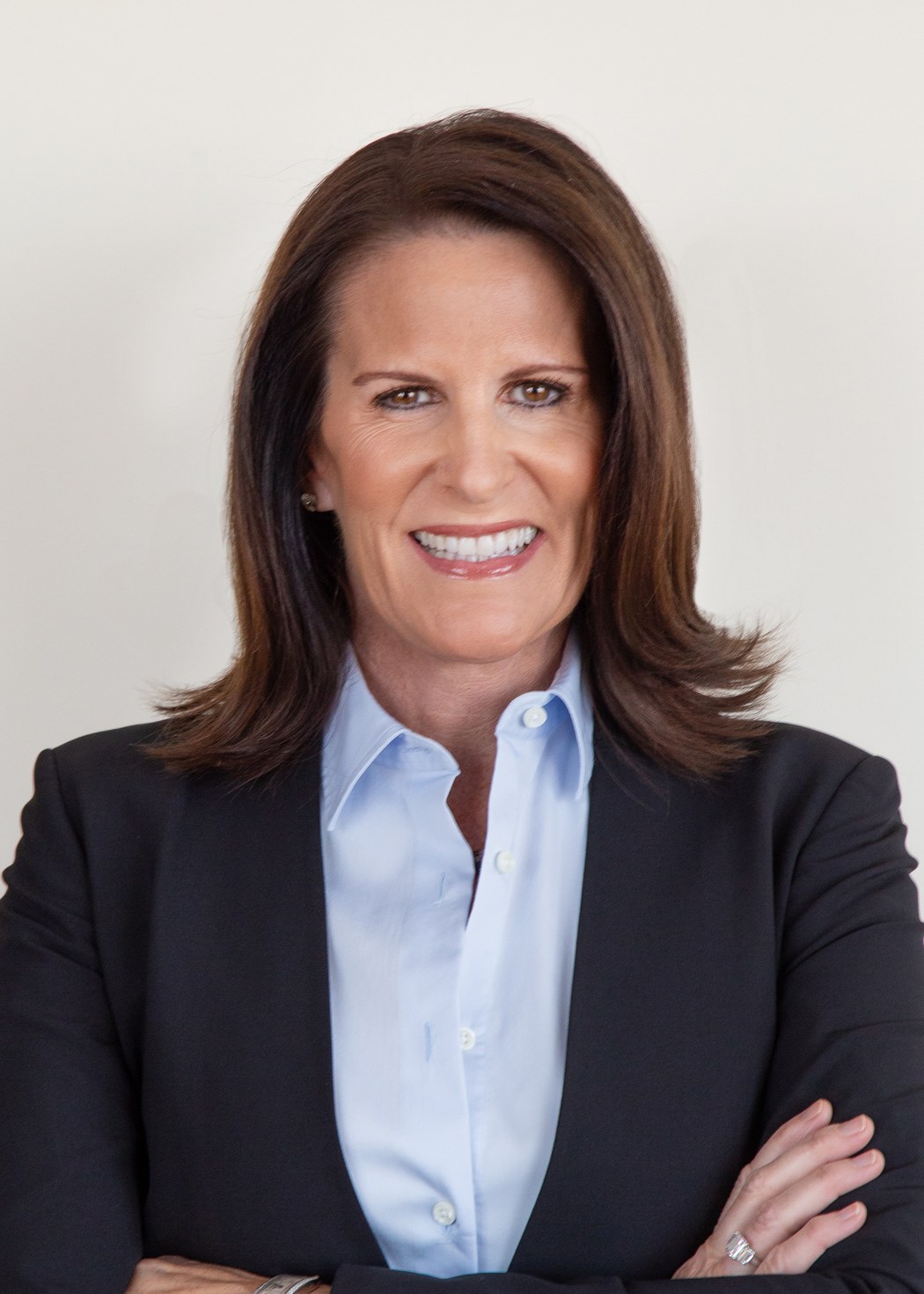
Judy Capano Turned a Buyback Into a Second Act
She began in pharmaceutical sales, learned to make complicated businesses legible, and helped reclaim an agency after a merger went wrong. Today, Judy Capano runs Calcium+Company with the same preference for clarity over theater.
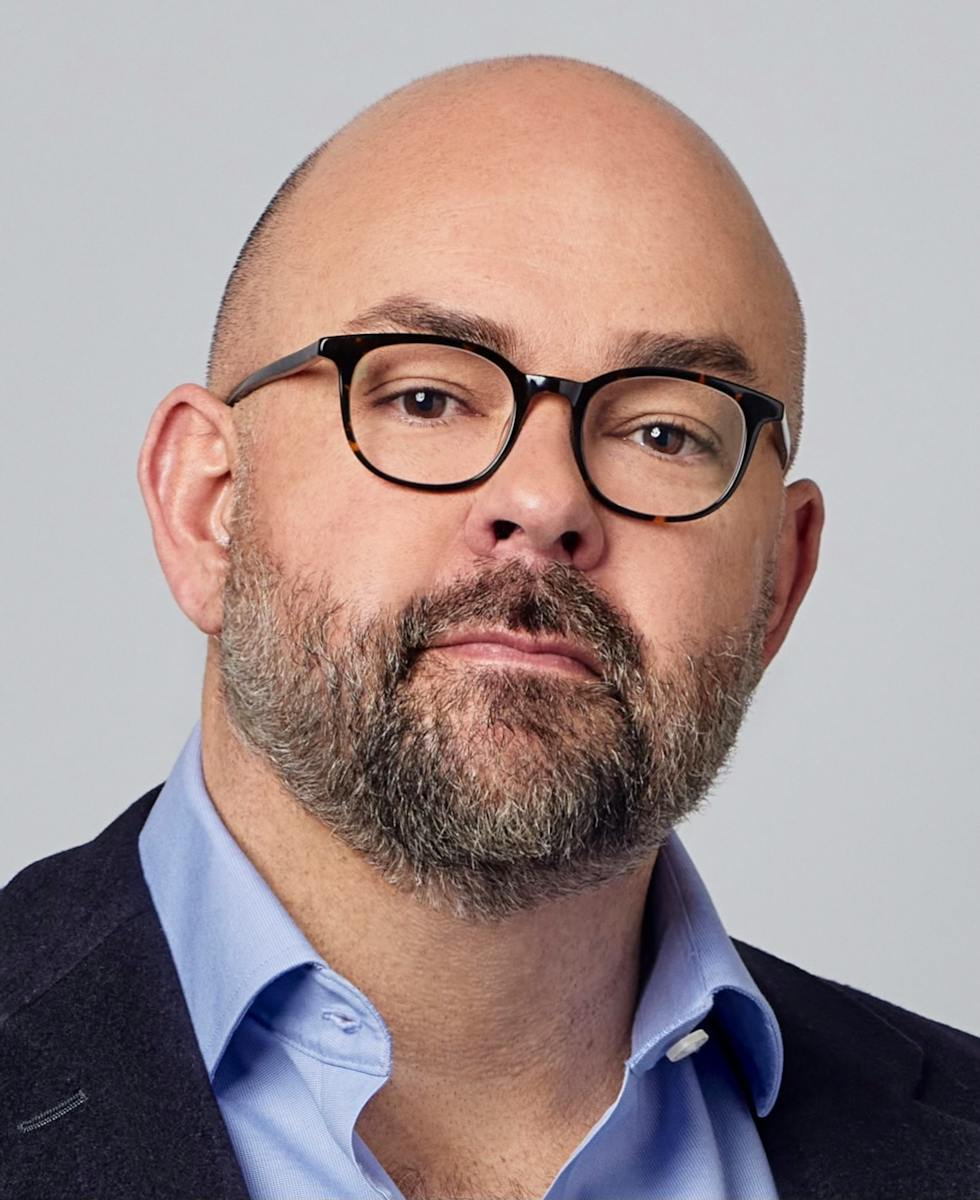
Reid Connolly Built an Agency for the Age of Too Many Agencies
He started in advertising as a teenager, built Evoke from digital-first roots, and spent two decades turning specialist pieces into one global healthcare agency. The revealing part is not the scale. It is his insistence that the work stays human.
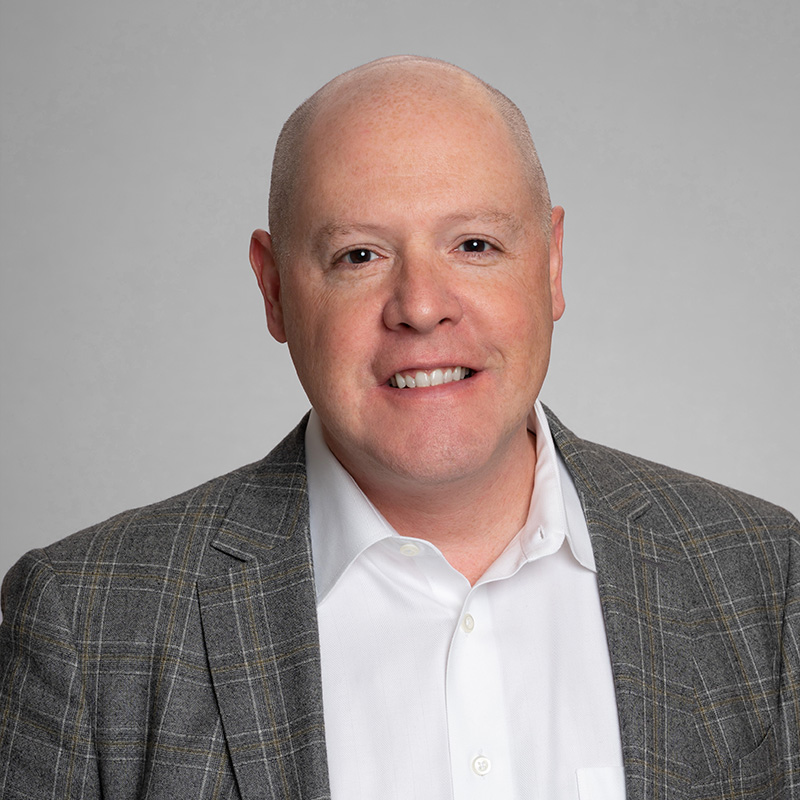
Adam Margolis Built for 20 Years Before Choosing a Bigger Canvas
He spent two decades making medical education run on detail, trust and a home-grown platform. Then Adam Margolis sold L&M Healthcare Communications and learned how to trade independence for a larger field of play.
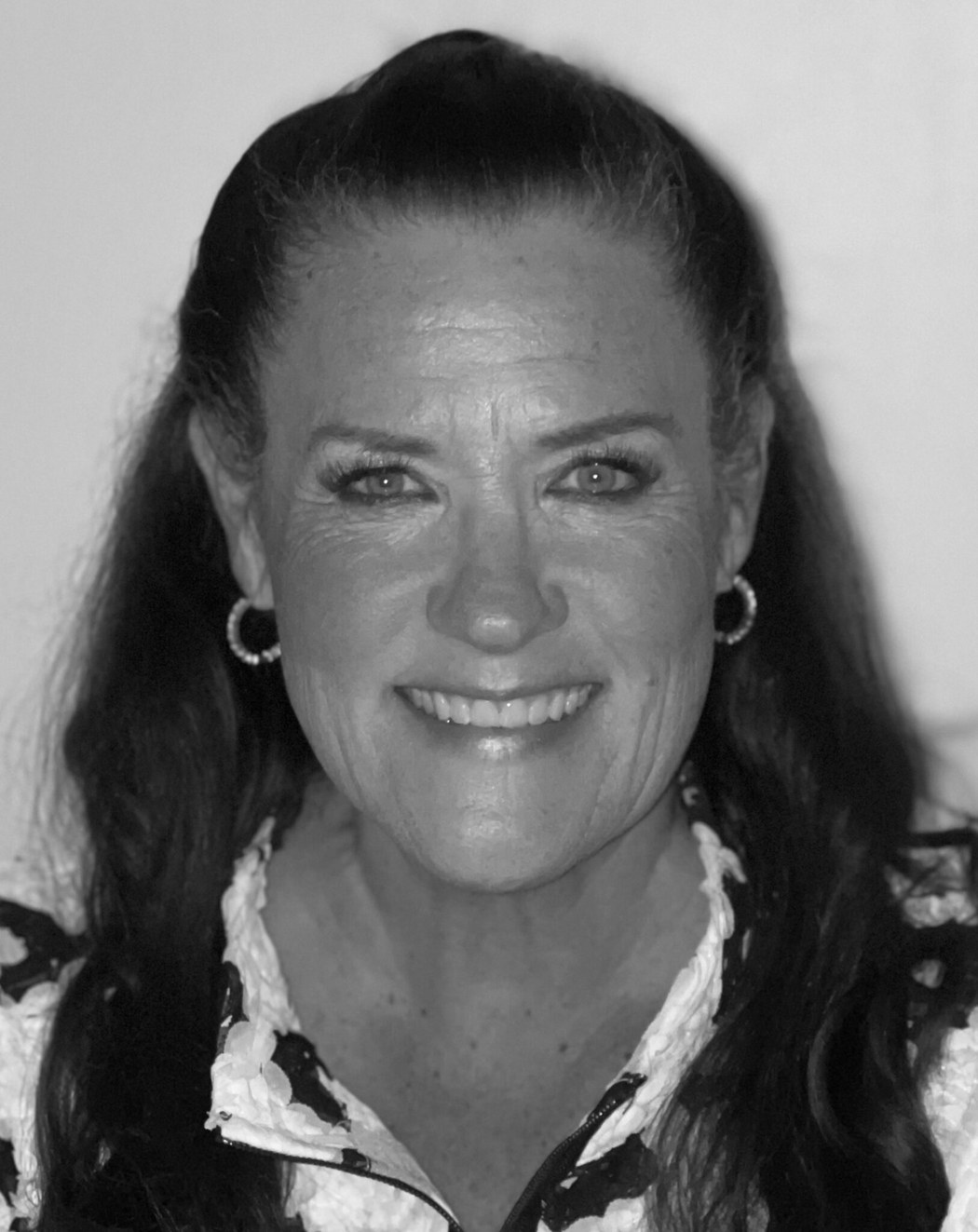
Susan Flinn Cobian Built Her Career on the Words: No One Else Will
A fax machine, a Rolodex and zero clients were enough to begin. Nearly four decades later, the SFC Group founder still treats impossible assignments as invitations to build.
Stephen Farquhar Has Spent 30 Years Making Media Make Sense
From a Toyota planning brief to agency leadership across London, China and New York, Farquhar built a career by translating complexity into decisions - and keeping the audience human.

Leo Tarkovsky Is Turning a Flood of Science Into Something Clinicians Can Use
After three decades spent building healthcare agencies, Leo Tarkovsky has taken on a more exacting problem: helping useful evidence survive the noise between scientific discovery and everyday clinical practice.

Eric Muller Has a New Blueprint for Healthcare Marketing
After more than 25 years inside large healthcare agencies, Eric Muller has chosen an independent company for his next build. His brief at Lucid Group is to make science, strategy, creativity and technology move as one.

Lyndi Hirsch Has Spent 25 Years Making Complex Choices Easier
From early product launches to the screens inside today's exam rooms, the new CheckedUp CMO has followed one durable idea: useful communication begins with the person making the decision.
Karen Thomas-Smith Put the Customer Before the Campaign
Long before customer-first became a slogan, Karen Thomas-Smith rebuilt a healthcare marketing team around a blunt question: what does the buyer actually need to understand? The answer changed the org chart, the content, and the numbers.
Tracey Schroeder Made One Name Carry the Weight of Seven
The TruBridge CMO inherited a thicket of familiar brands. Her answer was not a louder logo, but a patient campaign to make one name mean more.
Sarah Bast Is Taking Point-of-Care Marketing Beyond the Doctor’s Office
After 18 years advising pharmaceutical brands from the agency side, Sarah Bast crossed the table to build what comes next: fewer disconnected messages, more useful moments, and one journey shared by providers and patients.
Marcella Sciorra Knows the Future of Advertising Still Has to Earn Your Trust
After two decades in media, Marcella Sciorra carried television's oldest lesson into healthcare advertising's newest frontier: reach means little without relevance, and relevance means little without trust.

Rick Green Makes Complicated Technology Make Sense
Across medical robotics, life science, pharmacy automation and patient-engagement software, Rick Green has kept returning to the same deceptively hard assignment: turn an intricate system into a story people can use.
Dennis Wright Has Spent 20 Years Making Complicated Technology Easier to Choose
Before he marketed pharmacy software, Dennis Wright learned to read the numbers. Two decades later, his work still turns on the same discipline: make a complex decision legible, practical and worth acting on.
Kyle Barich Built a Career in the Moment Before a Decision
From an English literature degree to agency leadership and PatientPoint's C-suite, Barich has spent three decades studying what makes a message useful at exactly the right moment.
Kathy English Learned Marketing at the Bedside
A critical care nurse became the translator between hospital reality and healthcare technology. Her most useful marketing tool is still the oldest one: listening before speaking.
Lori Taylor Has Spent 25 Years Making Complicated Healthcare Technology Easier to Buy
Her résumé runs through rebrands, demand engines and payer platforms. The more revealing thread is a career spent translating dense technology into a reason for customers to care.

Justin Steinman Makes Complicated Companies Sound Human
The ModMed CMO has spent two decades turning healthcare software, corporate transformations and one frantic Nasdaq debut into stories people can actually repeat. His method begins with plain English, shared ownership and a useful suspicion of marketing theater.
Megan Langston Makes the Spreadsheet Wear a Costume
With an accounting degree, a design education and a taste for Halloween trailers, VisiQuate's Chief Design & Marketing Officer has spent her career giving difficult enterprise software a human voice.
David Peterson Makes Healthcare Marketing Answer to the Numbers
After more than two decades marketing complex healthcare technology, David Peterson has learned to make every promise face a harder question: what changed, and can you measure it? At MedeAnalytics, that instinct now meets a company built around turning scattered data into accountable action.
Marisa Johnson Makes Clinical AI Sound Human
At SmarterDx, a Minneapolis marketer turns dense clinical technology into plain language - with sharp copy, self-aware humor, and the discipline to put the people doing the work first.
Nicole Reinhart Knows the Best Marketing Department Is a Newsroom in Disguise
Before she marketed healthcare finance software, Nicole Reinhart spent a decade learning how an industry explains itself. Now the former editor is turning specialists, customer conversations and stubbornly complicated data into a story people can actually use.
Michael Klozotsky Took the Side Door to the C-Suite - and Kept It Open
Before Michael Klozotsky marketed clinical data, he taught English, worked behind a bar, and wrote about debt collection. The apparent detours became a practical education in attention, systems, and the useful art of asking a stranger question.

Ian Colley Is Giving Adtech a More Consequential Brief
After two decades at IBM and seven years helping The Trade Desk explain the open internet, Ian Colley has taken on a narrower market with a larger question: can advertising intelligence help companies make better decisions before the campaign even begins?
Marina Dorotheo Makes Complex Technology Make Sense
The Welldoc strategist spent decades learning how innovation reaches the real world. Her method is less about making technology sound futuristic and more about making its purpose clear.

Cindy Williams Makes the Fine Print the Main Story
After decades in brand and hospital marketing, HaloMD's chief marketing officer has found a demanding subject in a market many people struggle to explain: the rules, incentives and language behind independent dispute resolution.
Michelle Blackmer Knows the Hard Part of Healthcare AI Is Everything Before the AI
After 25 years in healthcare data, Rhapsody's chief marketing officer has learned to look past the glossy interface and ask the stubborn question underneath: can the systems actually understand one another?
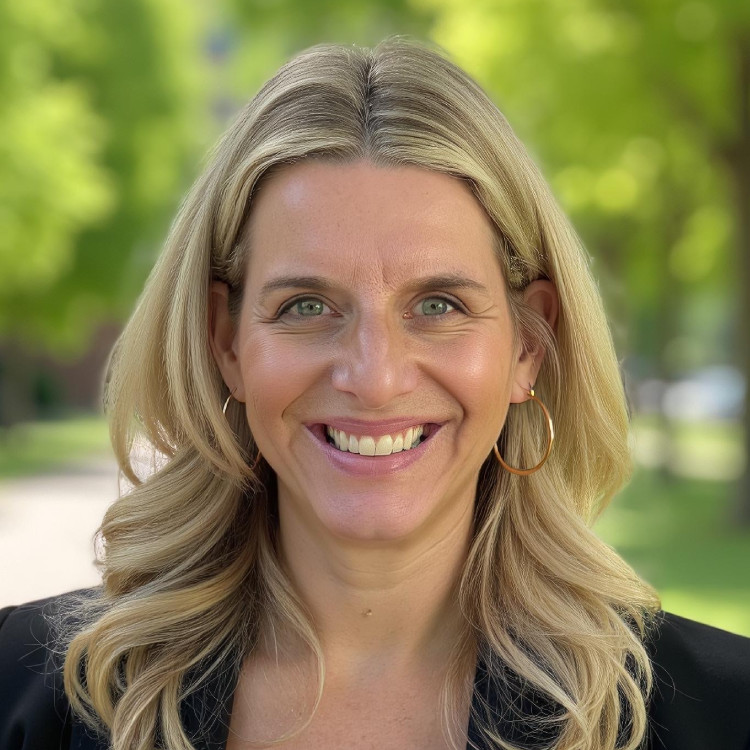
Amanda Melander Has Spent 20 Years Making Complicated Things Clear
Before health-tech marketing became a daily argument about AI, Amanda Melander was already asking the useful question: what deserves a busy person's attention? Her career offers a quietly durable playbook for making complex products legible without sanding away what matters.
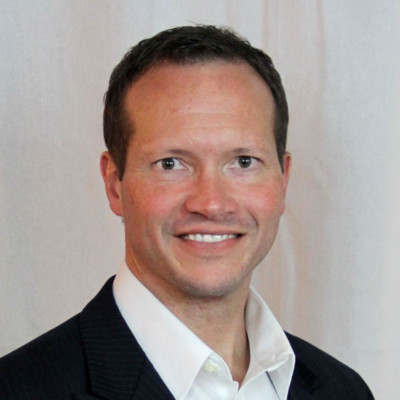
Matthew Graybill Is Marketing the Space Between the Machines
After a dozen years moving from product marketing to corporate strategy, Matthew Graybill arrived at GE HealthCare with a deceptively difficult brief: make a vast cardiovascular portfolio feel like one connected idea.
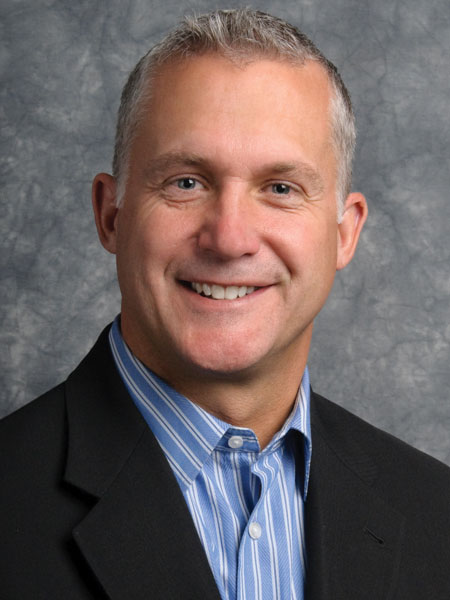
Glenn Lombardi Has Spent Two Decades Turning Search Results Into Front Doors
Before local search became an industry, Glenn Lombardi was teaching medical practices to treat a website like a working front door. Now, at Goldn, he is applying the same practical obsession to senior housing: be findable, earn trust and measure what happens next.