global-marketing
(35)
Phil Clement’s Chicago starts with a sheet of paper
A childhood fascination with origami meets a career in global marketing. At World Business Chicago, Phil Clement is asking a familiar city to picture an unfamiliar future.
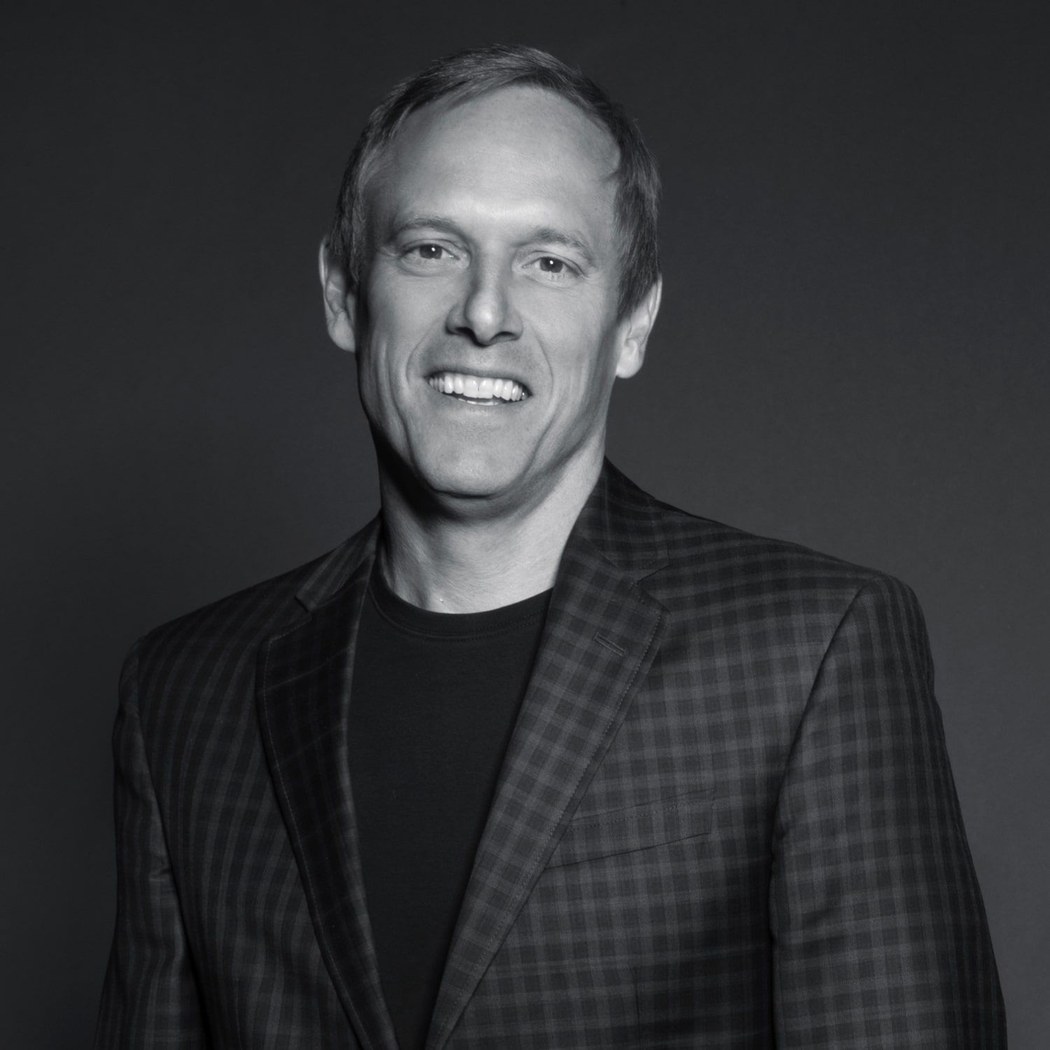
Chris Meyer and the business of getting people in the same room
He started in hotel convention services. Now Chris Meyer leads Project Worldwide, bringing independent agencies together around a lesson learned long before his first marketing brief: pay attention to the people in the room.
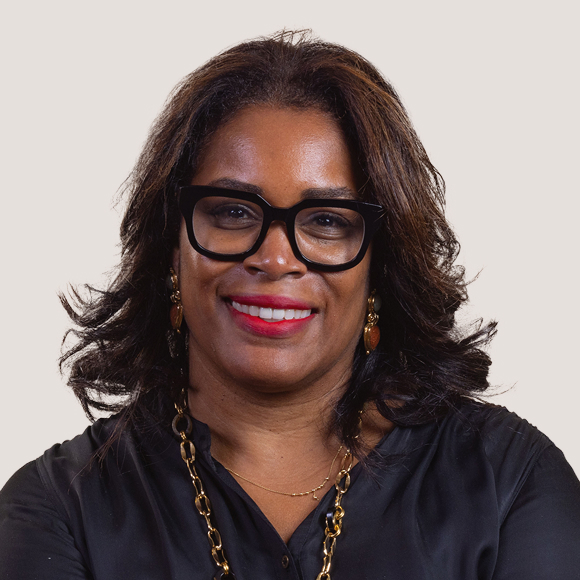
Nadja Bellan-White and the art of questioning the room
She studied foreign affairs, sold the promise of the internet and moved her family to Nairobi. Now Nadja Bellan-White is bringing those lessons to the business of culture at M+C Saatchi.
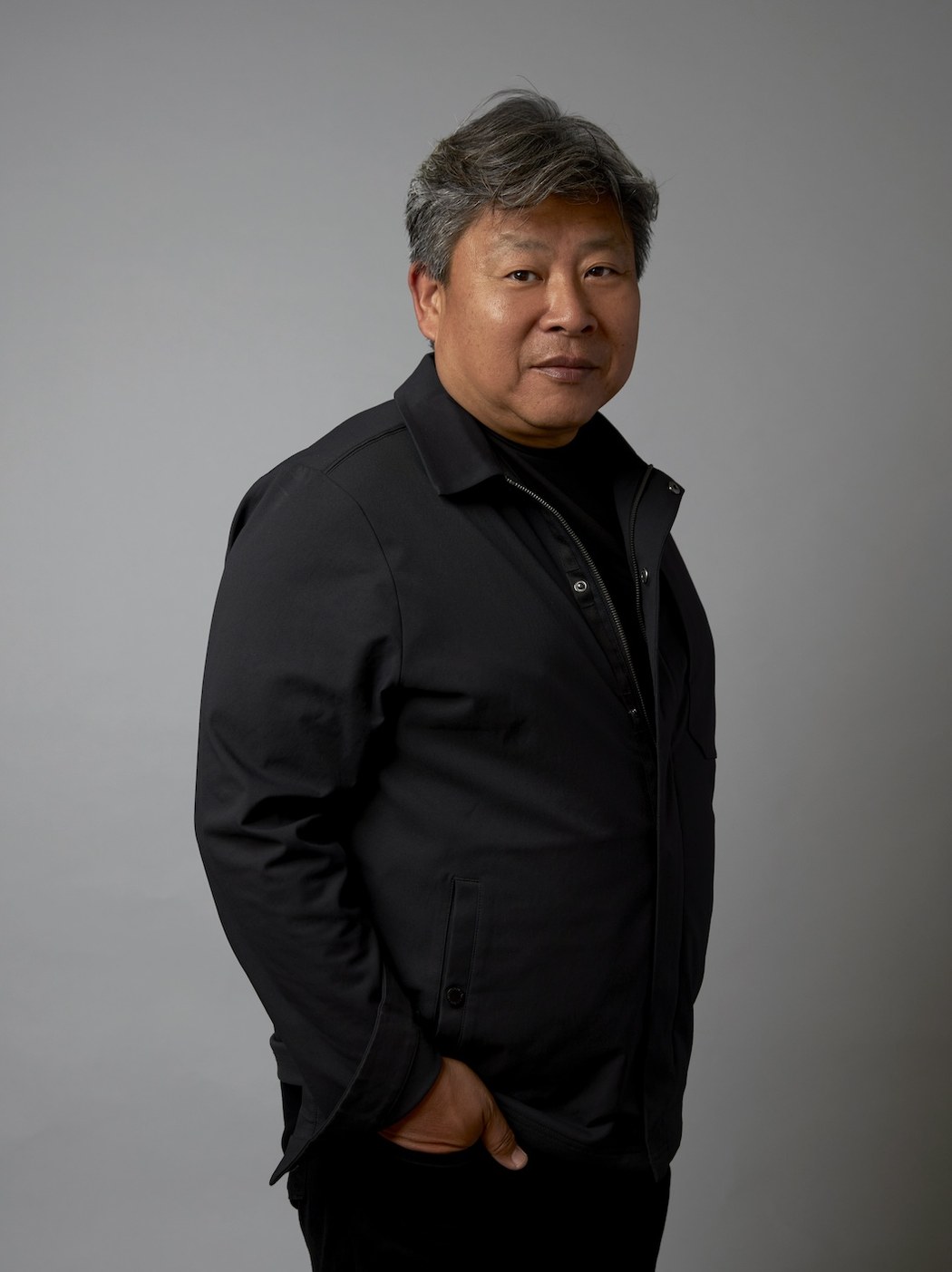
Steve Jun and the long way to belonging
From Seoul to Frankfurt to Huntington Beach, Steve Jun helped build an advertising network across borders. His account of the journey begins with curiosity and, more unexpectedly, a question about whether he was enough.

Heather Valteris Builds Brands for the Hard-to-Explain
After building marketing systems across banks, software, and 19 international markets, Heather Valteris took on a product few people notice until it fails: the machinery of healthcare payments.

Michele Schicchi Markets the Machinery Behind the Modern Lab
From an Army armory across the river from Manhattan to the executive team of a global laboratory-software company, Michele Schicchi has built a career around a stubborn idea: the mission matters, but people make it move.
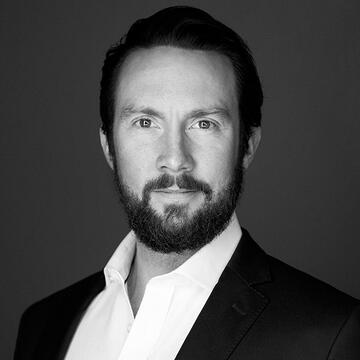
Matthew Webster Took the Blockbuster Playbook Into a Business Where Trust Is the Product
After helping Call of Duty cross $1 billion in sell-through in ten days, Matthew Webster moved from entertainment to a category where trust is part of the product. His route from London to Los Angeles to Atlanta explains the marketer he has become.
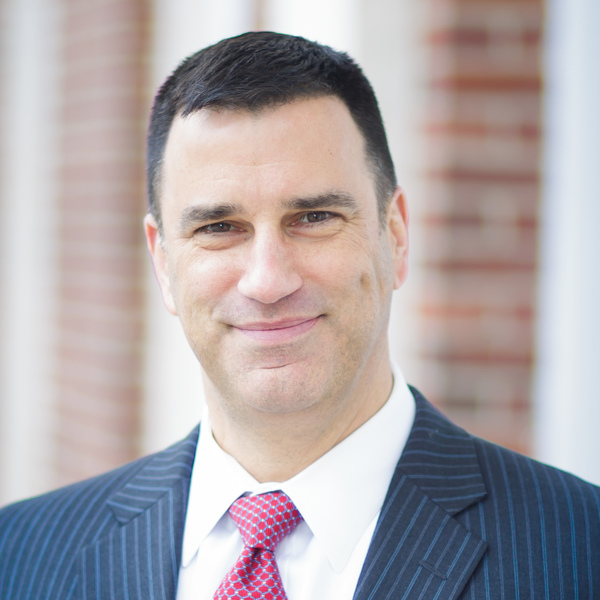
Wally Haddick Has Spent a Career Making Complicated Products Matter
From operating rooms and 3D ear scans to trusses, software and skilled trades, MiTek's chief marketing officer has built a career around one stubborn question: what does the customer actually need?
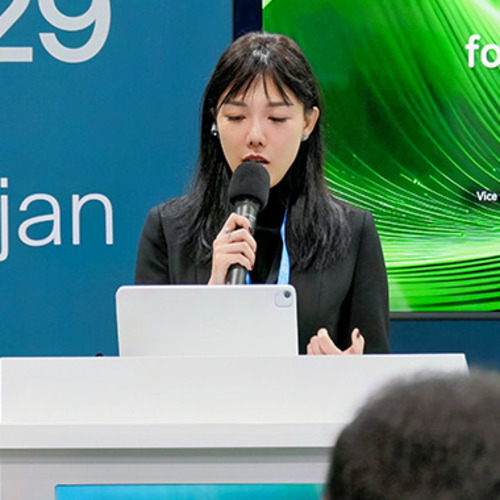
Eva Na Is Making the Invisible Infrastructure of AI Feel Useful
Tuya Smart's CMO has spent years translating clouds, protocols and connected devices into a human proposition. Her latest argument is simpler still: AI matters most when it leaves the screen and begins helping the physical world make better decisions.

Todd Partridge Wants AI in the Deal Room - With the Door Locked
After a career spent making sensitive information useful without making it vulnerable, the Boston-area software executive is arguing for a more disciplined age of AI-assisted dealmaking.
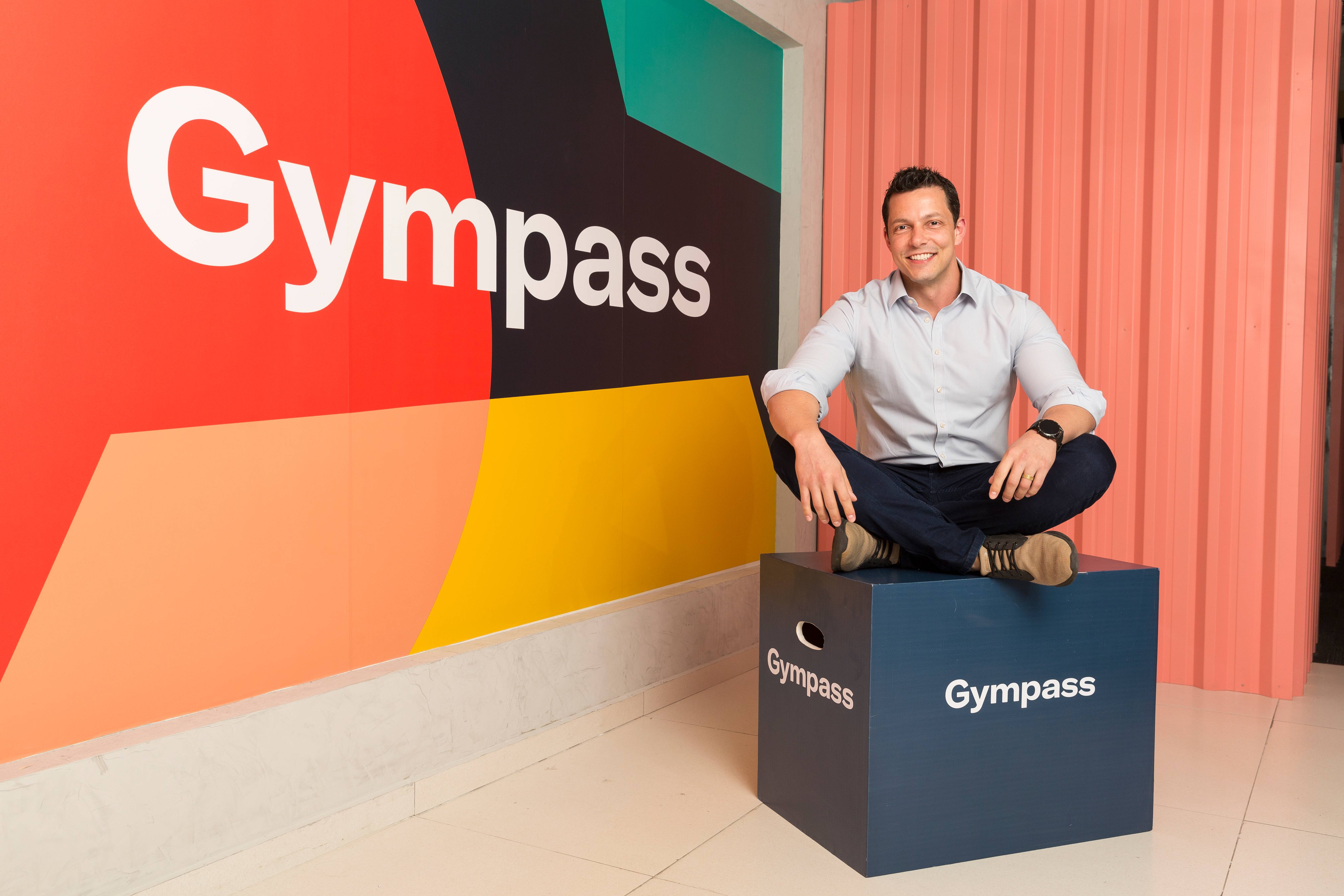
From the Spreadsheet to the Story: Leandro Caldeira’s Nine-Year Wellhub Climb
An engineer became an operator, an operator became a marketer, and 2,000 check-ins kept the whole career honest. Inside Leandro Caldeira’s long route from BCG decks to Wellhub’s global brand.
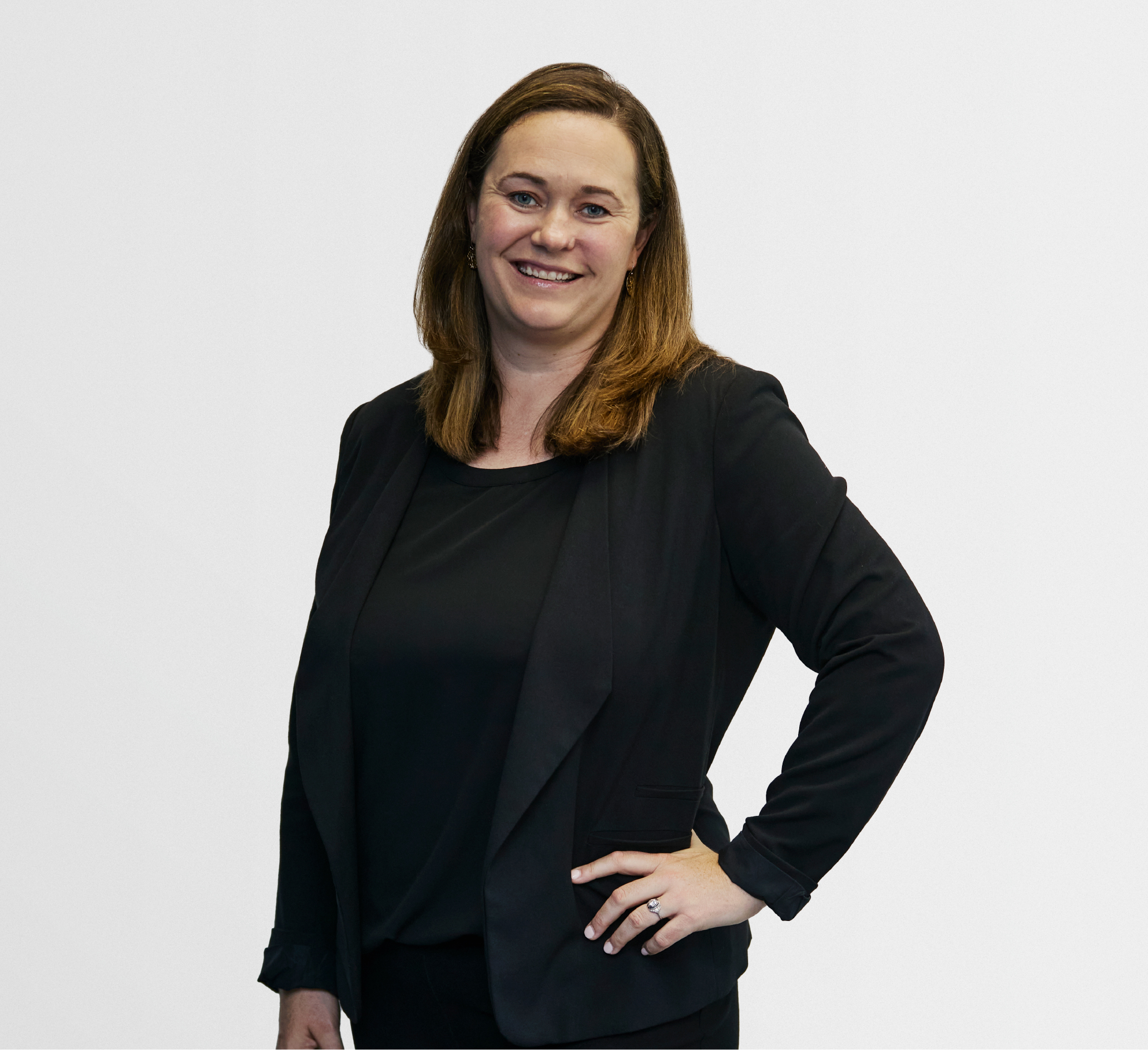
Cora Locke Built a Marketing Career Around the Difficult Work of Making Technology Feel Personal
From satellite television to a pocket-sized ECG company, Locke's career has followed one durable idea: complicated products still need plain language, disciplined launches and a reason for people to care.
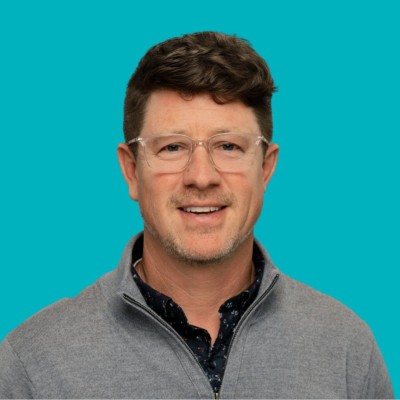
Eliot Johnson Built the Campaign. Now He’s Rewiring the Marketing Machine.
After years inside global companies, a founder’s detour and a fast-moving startup, Eliot Johnson has arrived at DataCore with a sharp thesis: AI may command the spotlight, but data infrastructure decides what actually works.
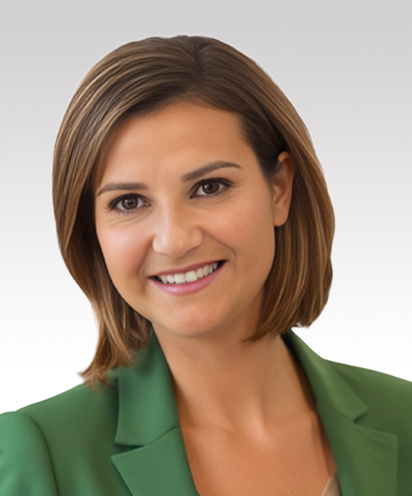
Perrine Didrich Markets the Software You Never See - Until It Matters
From mobile security in Paris to physical AI at the intelligent edge, Perrine Didrich has spent more than two decades turning invisible infrastructure into a story customers can act on.

Heather Boyd Took the Scenic Route to the C-Suite
A Bali-bound travel mix-up became an adventure. Heather Boyd has applied the same composure to a 20-plus-year marketing career spanning CEB, Oracle, Auctane and now Revalize.
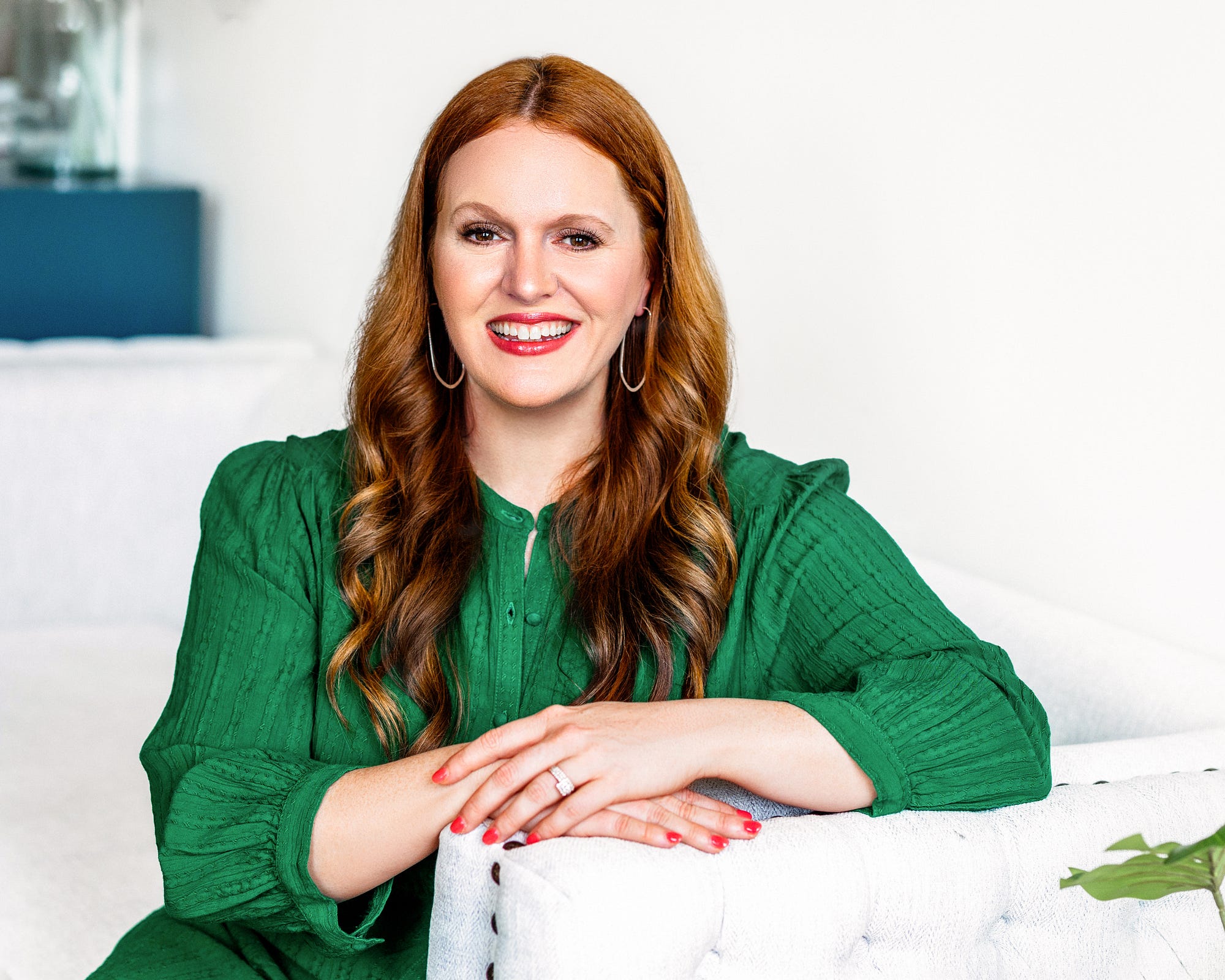
Nataly Kelly Learned to Read the World Before She Learned to Market It
From an Illinois farm town to Ecuador, HubSpot and Zappi, Kelly built a career around one durable idea: understanding people is the work before the work.

Chitra Ebenezer’s Quiet Trick: Make an Old Fastener Feel New Again
She once planned to become a doctor. Instead, Chitra Ebenezer built a career diagnosing a different problem: how to help familiar brands earn a fresh look.

Emily Kehinde Built Her Way From Change Management to the C-Suite
Before she led a global brand, Emily Kehinde learned how organizations absorb change. Her rise at Cushman & Wakefield shows why the modern marketing job belongs as much to builders and translators as it does to storytellers.

Nicole Westenberger Built Her Career Where the Catalog Became a Click
From Sears catalogs to industrial e-commerce, Nicole Westenberger has spent a career following the customer across channels - and teaching century-old businesses to do the same.

Elena Otero Built Brands Across 40 Countries. Now She Works on the Questions Behind Them.
An engineer by training and a marketer by practice, Elena Otero learned to make global brands feel local. Her second act moves the same discipline from the supermarket shelf to the boardroom.
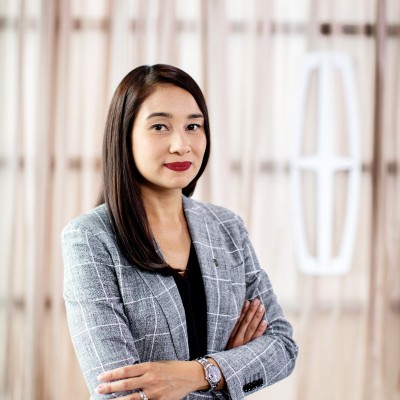
Anika Salceda-Wycoco Builds Luxury Around a Five-Minute Pause
From Manila launch rooms to a Lincoln sanctuary on New York’s High Line, Anika Salceda-Wycoco has built a global communications career around one durable skill: making complex products feel human.

Mark Kirkham Makes the Everyday Drink Feel Like a Cultural Event
After 15 years inside PepsiCo, Mark Kirkham has learned to run enormous brands by staying close to ordinary moments - a coffee-shop conversation, a local marketer's instinct, a simple idea made special.
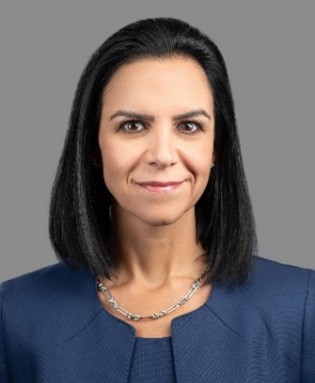
Tabata Gomez Knows the Brand Begins at the Table
From cosmetics to power tools to the spice rack, Tabata Gomez has carried one operating idea across categories: get close to the consumer, give teams a clear vision, and move while the moment is still alive.
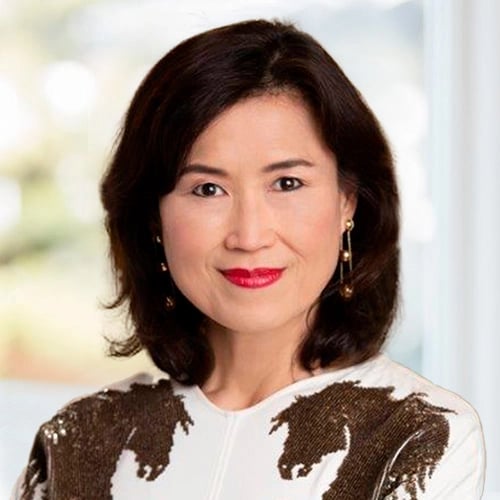
Won Park Costof Is Turning Invisible Service Into a Brand People Can Feel
After building brands across beauty, electronics and luxury, Won Park Costof is applying a consumer marketer's eye to the everyday places where people eat, work and gather.

Eva Hedfors and the art of making invisible networks feel human
After two decades inside Ericsson, three countries and a string of assignments that once felt almost too hard, Eva Hedfors has learned to translate telecom's hidden machinery into moments people can see, feel and use.
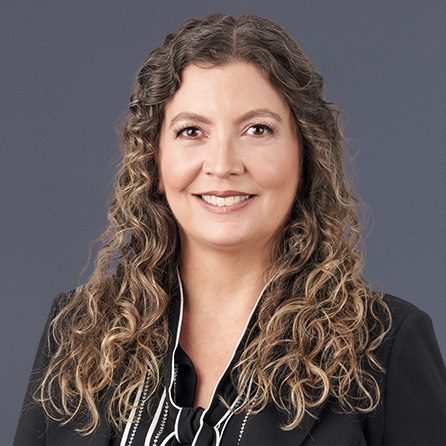
Patricia Morschel Built a Marketing Career One Repeatable Process at a Time
She started at DuPont Performance Coatings as a chemist in Brazil. Thirty years later, she became Axalta's CMO, carrying shop-floor constraints and a global refinish career into company-wide marketing.

Stephan Czypionka Is Measuring Dumplings and Cataloging Palm Trees
The Austrian marketer has spent a career translating taste across borders. At CJ Foods, his playbook pairs hard measurement with cultural curiosity - the same instinct behind a side project cataloging hundreds of palm species.
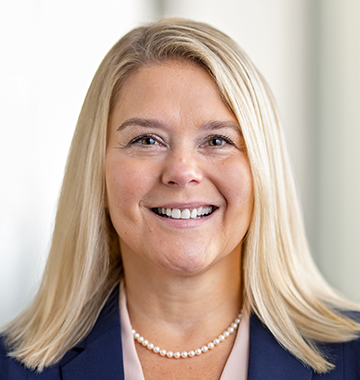
The Storyteller Behind Abbott
A journalism major who joined Abbott in 1996 now runs marketing, communications, and philanthropy for one of the biggest names in health - and she still argues the only thing that matters is whether you are relevant to the people you are trying to reach.
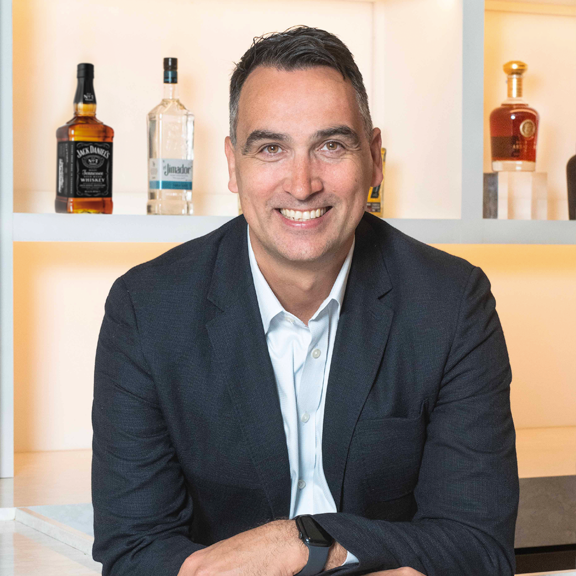
Jeremy Shepherd Has Spent Two Decades Learning Where a Brand Meets the Buyer
Before Jeremy Shepherd became Brown-Forman's chief marketing officer, he spent two decades close to the places where strategy gets tested - markets, distributors, stores and teams. His route from Canada to London to Louisville explains the operator behind the title.
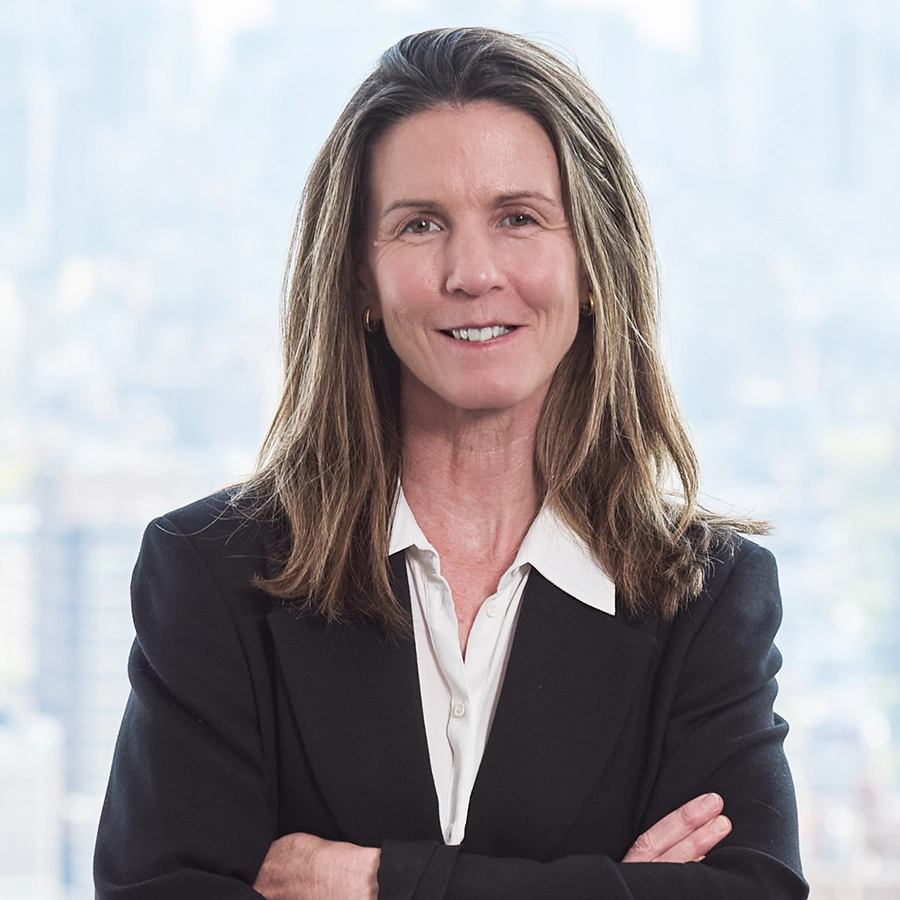
Cristina Bondolowski Builds Brands by Listening Before Speaking
After carrying one of the world's most familiar consumer brands across more than 200 markets, Cristina Bondolowski took the same human question into technology and finance: what do people actually need to understand?