food-security
(14)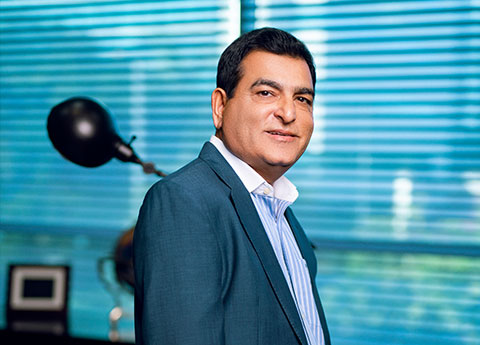
Yusuf Amdani Bet on Honduras. Then He Built Around the Job.
A textile heir arrived in Honduras with a factory plan and stayed to build an ecosystem. Three decades later, Yusuf Amdani's revealing product is not cloth or real estate - it is his theory of opportunity.
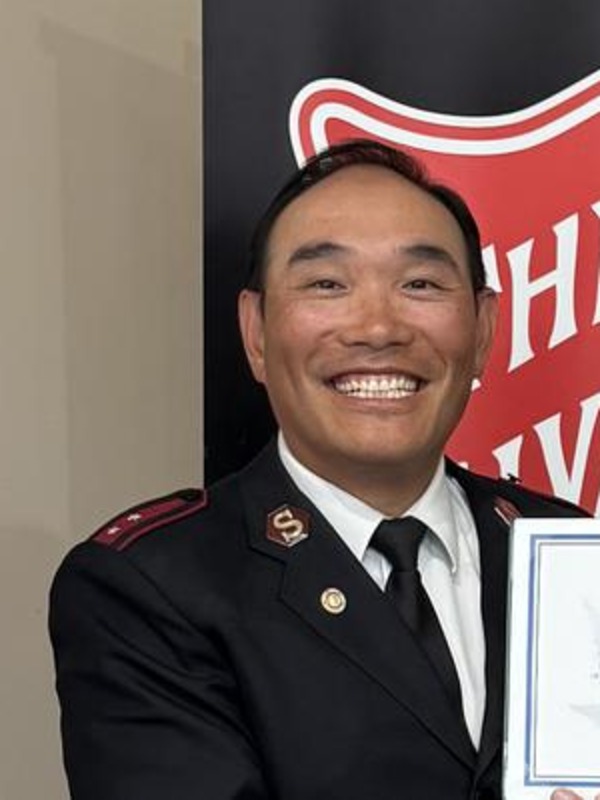
Peter Kim and the Quiet Arithmetic of Dignity
The Grande Prairie Salvation Army executive has spent a decade turning a personal second chance into practical systems of choice, listening and shared credit.
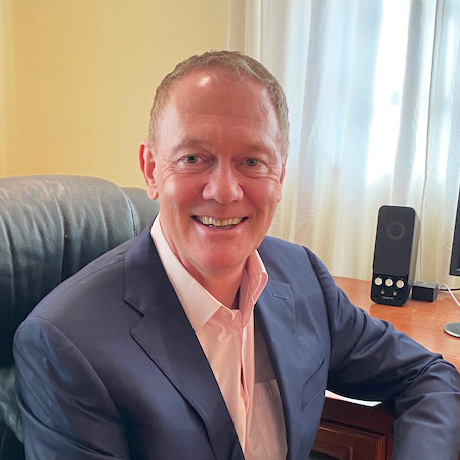
Alan Shaw and the Food-from-Fuel Bet
A chemist who spent years trying to make fuel from plants found a more useful reversal: make protein from methane. Alan Shaw’s second biotech act is a lesson in recognizing the market hiding inside the science.
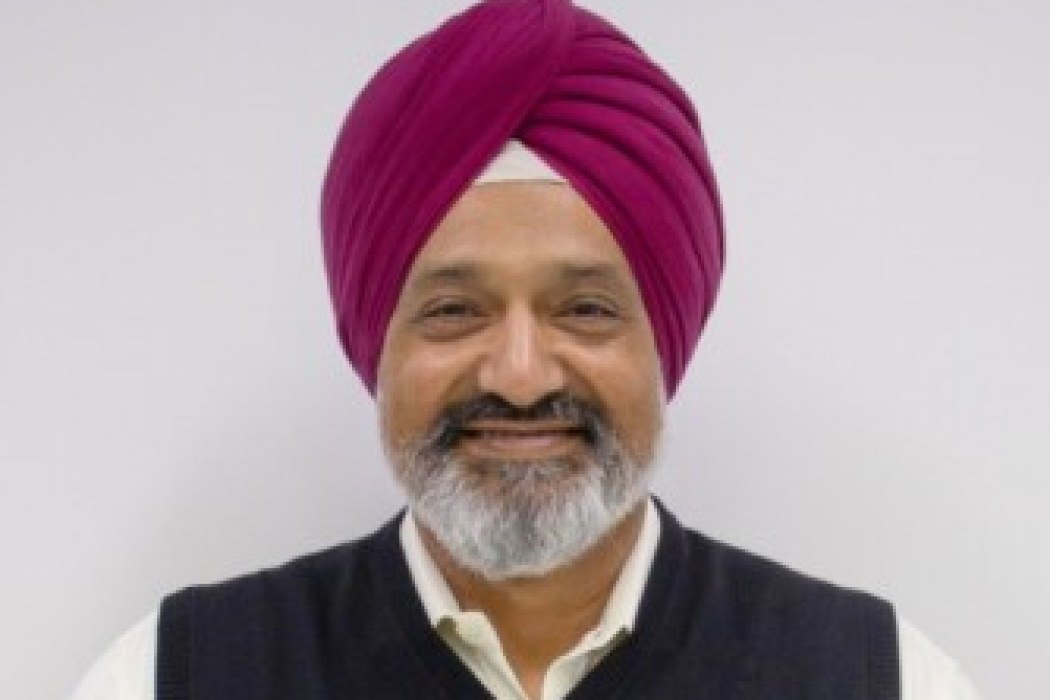
Sumer Johal
Sumer Johal is a technology executive and entrepreneur with more than 25 years building digital-first organizations across agtech, bioenergy, semiconductors, financial services, and consumer retail. He grew up in a farming family in Punjab, India, studied computer science and electrical engineering at MIT, and has spent the past decade focused on food and agriculture. He founded the food-industry big-data company Agralogics, launched and led AgStack at the Linux Foundation, ran the precision-agriculture company Semios (which rebranded as Almanac), and became CEO of Full Harvest, the B2B produce marketplace, as it moved into AI-driven agentic orchestration for the food supply chain.
Eric Klasson
Eric Klasson is the founder and CEO of Resilienci.ai, an Austin-based company that uses AI, machine learning and behavioral data to map hyperlocal infectious-disease risk and supply-chain disruption. A longtime entrepreneur and finance executive with a 40-year career spanning Price Waterhouse, PepsiCo and several technology startups, he previously co-founded the social-analytics firm Snaptrends and founded Pandemic Insights. He is also a longtime food-security advocate who has chaired and served on food-bank boards.
Egor Kirin
Egor Kirin is the founder and CEO of Agro.Club, a full-stack B2B agriculture marketplace that connects input manufacturers, distributors, farmers, and grain buyers across Europe, South and North America. After nearly a decade of executive roles at Monsanto and a stint leading marketing at EuroChem, he left corporate agriculture at 31 to build a technology and embedded-finance platform aimed at making the grain supply chain more efficient, transparent, and secure.
Alex Tyink
Alex Tyink is the founder and CEO of Fork Farms, a Green Bay, Wisconsin food-access technology company behind the Flex Farm, a mobile indoor hydroponic system that grows up to 25 pounds of leafy greens a month in nine square feet. A trained opera singer from Appleton who studied voice at Northwestern, he traded a New York vocal-performance career for urban farming after volunteering at a Brooklyn rooftop garden in 2010. Fork Farms now works with more than 5,000 schools, hospitals, food pantries and companies across all 50 states and dozens of countries, and closed a $2 million Series A in 2021.
Georg Caspary
Georg Caspary is the founder and CEO of HarvestAi, a Potsdam-based deeptech company that uses machine learning and computer vision to forecast harvest dates and yields in commercial greenhouses growing tomatoes, peppers and strawberries. A former World Bank economist and fundraising lead with degrees from Oxford, the LSE, Sciences-Po Paris and MIT, he spent two decades on environmental and agricultural finance across more than 20 countries before turning his attention to the unglamorous but high-stakes problem of knowing exactly how many tomatoes a greenhouse will produce, and when. HarvestAi has raised over $3 million, won first prize in Food/Agritech at Slush, and runs pilots in Germany, the Netherlands and Canada.
Ricardo Alba
Ricardo Garcia de Alba is the President and CEO of Meiogenix, an agriculture biotech company whose chromosome-editing platform speeds up the way crops naturally reshuffle their own DNA. A chemical engineer from Mexico City turned global ag executive, he spent 15 years at Corteva Agriscience helping build and launch the Enlist weed-control system before taking the helm at Meiogenix in 2024. He pairs hard science and commercial scale with a long habit of community and STEM service - and keeps bees on the side.
Chris Abbott
Chris Abbott is the Chief Executive Officer of Pivot Bio, a Berkeley-based agricultural biotechnology company pioneering microbial nitrogen solutions that replace synthetic fertilizers. A Minnesota native and University of Minnesota graduate, Abbott built his career at the intersection of agriculture finance and agtech investing - from Wall Street sell-side research at Piper Jaffray to co-leading Continental Grain's Conti Ventures. He joined Pivot Bio's board in 2018, and in August 2023 stepped up as CEO, guiding the company past $100 million in annual revenue while scaling its gene-edited microbes to over 5 million acres. Under his leadership, Pivot Bio achieved 60% year-over-year revenue growth and has helped farmers reduce synthetic nitrogen use by over 129,000 metric tons.
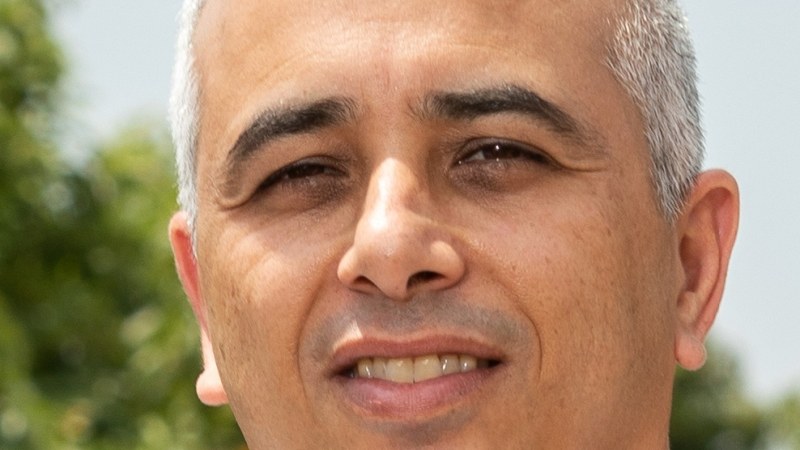
Saar Safra
Saar Safra is the CEO and Co-founder of Beewise, the company behind the BeeHome - the world's first AI-powered autonomous robotic beehive. A serial entrepreneur with three prior exits, Safra pivoted from digital advertising tech to saving the global food supply when he returned to Israel and met a beekeeper who asked a deceptively simple question: could a computer do this better? Since founding Beewise in 2018, the company has deployed 1,240+ robotic beehives pollinating over 300,000 acres annually, raised nearly $170M in total funding including a $50M Series D in June 2025, and earned Safra a spot on Forbes' 2025 Sustainability Leaders list.
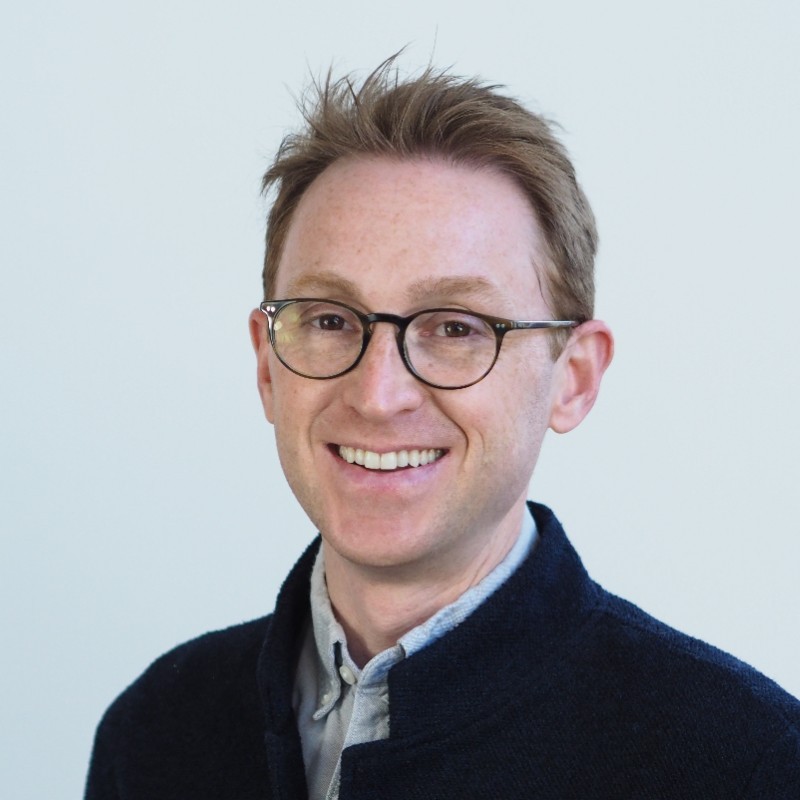
Justin Kolbeck
Justin Kolbeck is Co-Founder and CEO of Wildtype, the San Francisco-based cultivated seafood company that became the first to receive FDA regulatory clearance for cell-grown salmon in the United States. A former U.S. Foreign Service Officer who served in Pakistan and Afghanistan, Kolbeck channeled his firsthand experience with global food insecurity into co-founding Wildtype in 2016 alongside cardiologist and microbiologist Aryé Elfenbein. The company has raised over $123 million in funding - including a record $100 million Series B backed by Leonardo DiCaprio, Jeff Bezos, and Robert Downey Jr. - and launched its sushi-grade coho salmon at award-winning restaurants in 2025. Wildtype's salmon, grown in stainless steel bioreactors in a converted San Francisco brewery, was named one of TIME's Best Inventions of 2025.
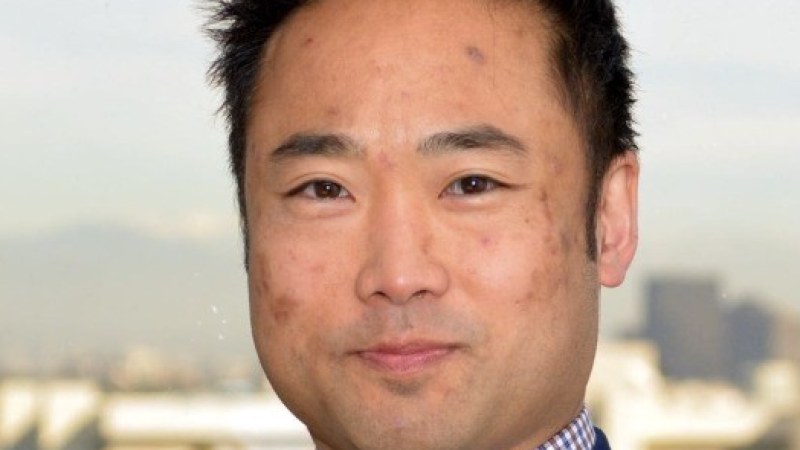
Hiro Iwanaga
Hiro Iwanaga is the Co-Founder and CEO of Talus Renewables (TalusAg), the company behind the world's first commercial modular green ammonia production system. A Stanford-trained engineer-turned-investor-turned-builder, Iwanaga spent years at hedge funds like Baupost Group and Silver Point Capital before channeling a decade of philanthropic green ammonia research into a full commercial venture. His technology - containerized units that turn air, water, and renewable electricity into fertilizer - is now operating in Kenya and Iowa, cutting farmer fertilizer costs by 30-50% and proving that decentralized, zero-carbon ammonia production is not a distant dream but a deployable reality.
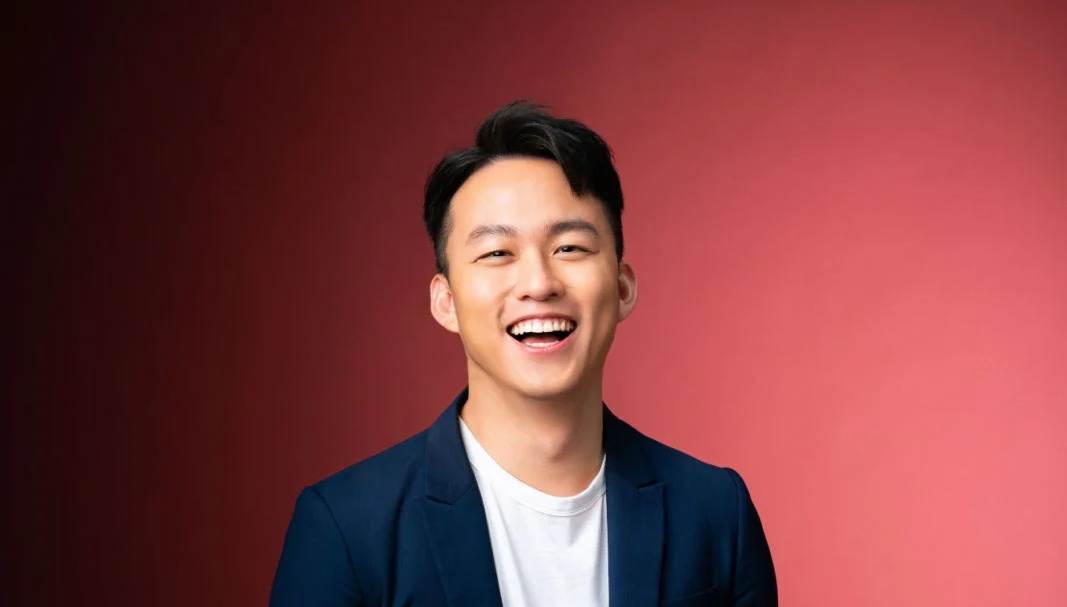
Ray Chiu
Po-Jui 'Ray' Chiu is CEO and Co-Founder of Calyx (formerly BioInspira), a Berkeley-based agtech company that brings AI vision and bio-engineered phage sensors to poultry and livestock farming. A Forbes 30 Under 30 Energy honoree (2019), Chiu built his company out of a UC Berkeley capstone project and a personal brush with disaster - the 2014 Kaohsiung gas explosions that threatened his relatives' neighborhood in Taiwan. Today, Calyx's AI Eye camera system predicts chicken weights at 98.4% accuracy across 17+ million birds, while its Y-Series sensors monitor ammonia, CO2, temperature, and humidity in real time.