food-security
(18)
United Green makes a business of the difficult bits
A family-controlled investor turns complicated markets into solar parks, food systems and joint ventures. Its Kazakhstan projects show why the financing can matter as much as the technology.
Gro Intelligence could read the harvest. Could it sustain the business?
Gro turned scattered food and climate data into a tool for seeing trouble early. Its 2024 collapse revealed how much harder it can be to turn a useful forecast into a durable company.
GK Foundation Waited 14 Years for One Graduation Day - Here’s the Playbook Behind the Patience
A family-funded corporate foundation turned public schools bilingual one grade at a time, then waited from kindergarten to graduation to see whether the bet held. Its method is patient, place-based and unusually difficult to fake.
How Egg Farmers of Canada Runs a 937 Million Dozen-Egg Balancing Act With 85 People
It does not own the hens, grade the cartons or sell you breakfast. It runs the rules, forecasts and trust marks that help 1,270 regulated farms keep a perishable national market supplied - even when disease, demand and trade all move at once.
The Mustard Seed Learned That a Warm Meal Is the Start - Not the Finish
A Calgary street church grew into a seven-city homelessness network by admitting that beds and meals were not enough. Its housing-focused reset offers a practical lesson for any organization trying to turn relief into lasting change.

Sakeenah Canada Built the Safety Net the Shelter System Forgot
A family friend's escape from abuse exposed a gap no intake form could fix. Sakeenah answered with remote casework first, then built a national network of homes, food markets and wraparound care.
The Salvation Army Built a 400-Community Safety Net. Grande Prairie Shows Where It Is Straining
A 143-year-old church now runs an unusually broad social-service machine. In Grande Prairie, Captain Peter Kim's food bank reveals the clever choices, uncomfortable math and local partnerships that keep it moving.
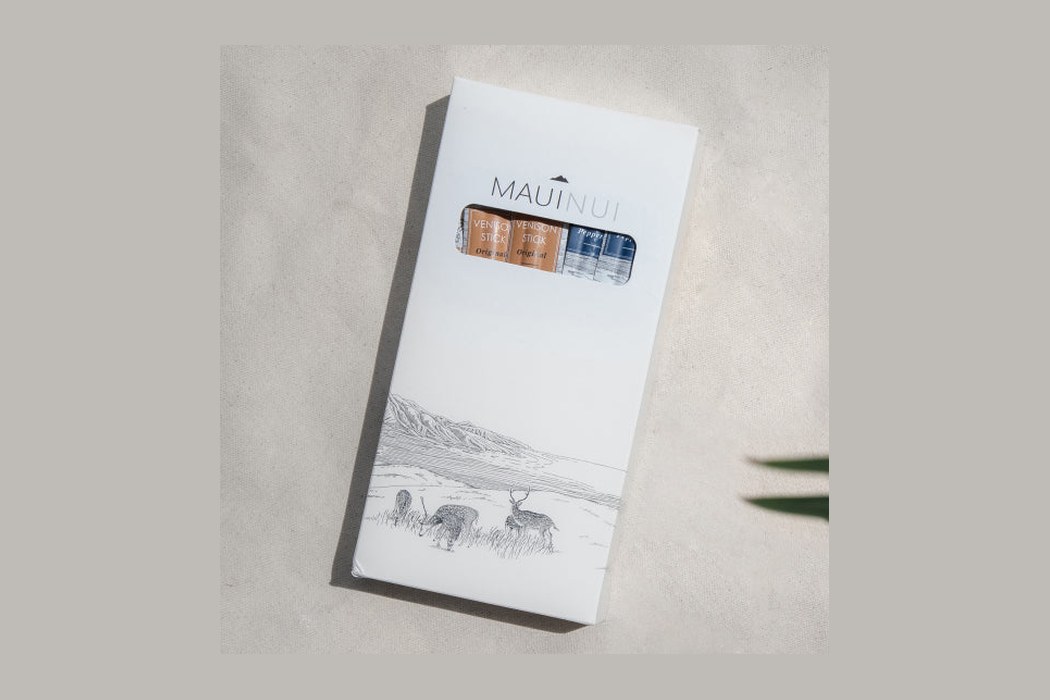
The Meat Company Designed to Shrink: How Maui Nui Turns an Invasive Deer Problem Into Dinner
Maui Nui built a USDA-inspected slaughterhouse that moves through the dark, then sold the result as steaks, snack sticks and subscriptions. The stranger business lesson is that real success should make its raw material harder to find.
World Central Kitchen
A chef's answer to disaster relief: skip the shelf-stable rations, hire the local restaurant, and get a hot plate to people before the aid convoys arrive.
Agros
Agros is a Singapore-based agtech company that helps smallholder fruit and vegetable farmers across Southeast Asia switch from diesel to solar-powered irrigation. It bundles hardware (its Agrosolar water pumps), flexible post-harvest financing (Agros Finance), and agronomy advisory into a one-stop platform, aiming to double farmer incomes while cutting fuel costs and carbon emissions. Founded in 2019 by Max Nelen, it operates in Myanmar, Cambodia, and Indonesia and has supported over 6,000 farmers.

Eratani
Eratani is an Indonesian agritech company that digitizes smallholder rice farming through one integrated platform. It connects previously isolated farmers to affordable financing, high-quality inputs, agronomic advice and buyers for their harvest - covering the full cycle from upstream to downstream. Founded in 2021, Eratani works with more than 34,000 rice farmers across Java and Sulawesi, manages over 13,000 hectares of paddy, and reports lifting yields by roughly 29% and farmer incomes by about 25%.
Glife Technologies Pte Ltd
Glife Technologies is a Singapore-based B2B food and agri-tech company that digitizes the food supply chain across Southeast Asia. It connects farmers and suppliers directly with restaurants, hotels, caterers and retailers through an app-based sourcing marketplace, its own cold-chain distribution network, and an in-house ERP platform called GlifeWare. By cutting out layers of middlemen and aggregating demand, Glife aims to lower costs for buyers, give farmers reliable access to end-buyers, and improve food safety and food security in the region.
Gokomodo
Gokomodo is Indonesia's leading agribusiness supply chain company, blending a digital B2B procurement and e-commerce platform with a physical distribution network to connect large agribusiness corporates, cooperatives, farm stores, and smallholder farmers. Founded in 2019, it sources and delivers agricultural inputs - fertilizers, agrochemicals, equipment and more - at competitive prices, handling roughly 2% of national fertilizer distribution and serving an ecosystem of over 3,000 companies across Indonesia.
Agro.Club
Agro.Club is a New York-based agri-tech company that runs a full-stack B2B grain marketplace connecting farmers, crop buyers, food companies and input suppliers on a single digital platform. Founded in 2018 by Egor Kirin, it pairs crop marketing, logistics and market data with embedded fintech tools such as invoice financing and factoring, aiming to make grain trade more efficient, transparent and secure across North America, Europe and South America.

Calysta
Calysta is a San Mateo, California biotechnology company that uses a patented gas-fermentation platform to turn methane into FeedKind, a single-cell protein for aquaculture, livestock and pet feed - and increasingly human food. Its bacteria eat natural gas instead of arable land, plants or animals, producing protein with a low environmental footprint. Backed by Cargill, BP and Temasek and partnered with Adisseo through the Calysseo joint venture, Calysta opened the world's first industrial-scale single-cell protein plant in Chongqing, China in 2022.

Hippo Harvest
Hippo Harvest is a California controlled-environment agriculture company that grows USDA-certified organic leafy greens inside greenhouses run by warehouse-style robots and machine learning. Founded by two veterans of the ROS robotics world, it repurposes Amazon-fulfillment-style autonomous mobile robots as 'tractors' that deliver water and nutrients plant-by-plant, claiming greens grown with roughly 92% less water, 55% less fertilizer and 94% less land than field agriculture - at prices meant to match outdoor-grown produce.
TalusAg
TalusAg, the agriculture arm of Talus Renewables, builds modular, containerized systems that make green ammonia on-site from only water, air, and renewable electricity. By shrinking a process that normally requires billion-dollar plants into a shipping container, the company lets farmers and industrial users produce their own carbon-free fertilizer and fuel locally, cutting costs and supply-chain risk.

Fork Farms
Fork Farms is a mission-first agriculture technology company in Green Bay, Wisconsin that builds self-contained indoor vertical hydroponic systems - led by the Flex Farm - paired with a digital platform (Farmative) and K-12 curriculum. Its technology lets schools, hospitals, nonprofits, food pantries, businesses and homes grow hundreds of pounds of fresh produce per year on-site using a fraction of the water and land of conventional agriculture, turning food access into something anyone can do indoors.