first-party-data
(45)
The Quiz That Learned to Stop Paying for Answers
Jebbit began by paying college students a quarter per answer. Three pivots later, its real product was not the quiz at all - it was the moment a customer chose to tell a brand the truth.

Permutive Wants Publishers to Sell What They Know
Publishers know their readers. Too often, somebody else gets paid for that knowledge. Permutive is building the software to change the transaction - and now wants AI agents to handle more of the work.

Upstream Finds the Sale After the Click
The mobile marketing company turns operator channels, fraud checks and well-timed messages into customer acquisitions. Its most revealing work happens where an ordinary advertising campaign would stop.
Celebrus wants to catch the customer before the click is history
The British software company turns live browsing behavior into marketing decisions and fraud signals. Its bet: the most useful customer data is the data you can act on before somebody leaves.

Snowplow Put the Black Box on the Curb - Then Taught Customer Data to Move in Real Time
Snowplow began with two consultants, one day of coding and a grudge against packaged analytics. Fourteen years later, its bet is that the next useful AI agent will need to know what a customer did five seconds ago - without surrendering the data to somebody else's dashboard.

Purple Sold the Broadband Business. Then It Made the WiFi Login Pay.
The Manchester company stopped selling broadband and began selling what happens after people connect. Its software now turns an ordinary utility into consented customer data, indoor directions and a measurable line on the profit-and-loss statement.

The Social Network You Never Leave the App to See
Social.plus spent years learning that the valuable part of a network is not the logo on the app icon. It is the conversation underneath - and brands would rather own it.

Demand AI Bet the Old Lead-Gen Machine Was Broken - Then Built a $28 Million Run Rate in a Year
The Denver-area company turned static content into buyer conversations, paired software with global campaign delivery, and says it reached profitability in 12 months. The useful lesson is less about the AI label than the machinery underneath it.

BlueConic Spent 15 Years Teaching Brands Who Their Customers Are. Now It Wants the Machine to Make the Next Move
The Dutch-born customer data platform built its name unifying messy first-party data. With Jebbit, Blueshift and a new crop of AI agents, BlueConic is betting that the next valuable layer is not another dashboard - it is the decision made while the customer is still there.

Net Conversion Built the Plumbing That Makes Media Spend Confess
The Orlando agency buys the ads, joins the messy data behind them, and asks a blunt question: did the money move the business? Its answer is part service firm, part homegrown software stack.
Invoca Put a Price Tag on the Phone Call - Now It Wants an AI Agent to Answer It
Invoca spent years teaching marketers what happened after a customer picked up the phone. Its next bet is more ambitious: use that same first-party conversation data to make sure someone - human or machine - answers at all.
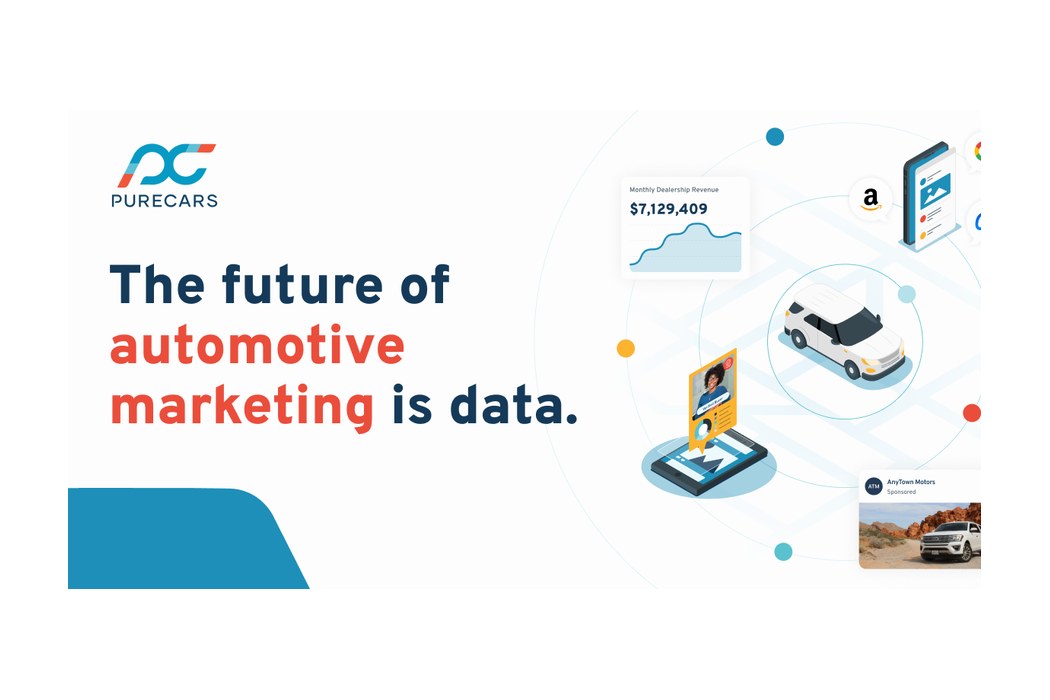
PureCars Found a $250 Million Blind Spot in the Dealership Ad Budget
Car dealers do not lack data; they lack a clean way to act on it. PureCars built a business by connecting the messy records in the dealership basement to the ads, messages and appointments happening upstairs.
DISQO Bet $101.5 Million That Your Ad Dashboard Is Missing the Point
Marketers can count impressions all day and still not know what changed. DISQO’s wager is that an opted-in audience, exposed-versus-control measurement and one cross-channel view can turn media reporting into evidence - if the panel is large enough and the campaign is measurable.

Future Built a £739 Million Media Machine. Now It Has to Survive the End of the Click.
Future turned niche expertise into a publishing flywheel of ads, affiliates and acquisitions. With search traffic slipping, its next trick is learning how to reach 479 million people without waiting for Google to send them.

Folloze Bet That AI Would Make Content Cheap - and Deployment Expensive
The San Mateo software company spent a decade turning sales content into measurable buyer journeys. Now it is making a sharper bet: the scarce thing is no longer the draft - it is getting the right experience live, governed and measurable before the buyer moves on.
Cloud4Wi Found a Business Hiding Inside the Guest WiFi Login
The unglamorous captive portal became a wedge into customer data, automated access and AI-assisted network operations. Cloud4Wi's playbook is less about replacing routers than making the ones already in the ceiling earn their keep.
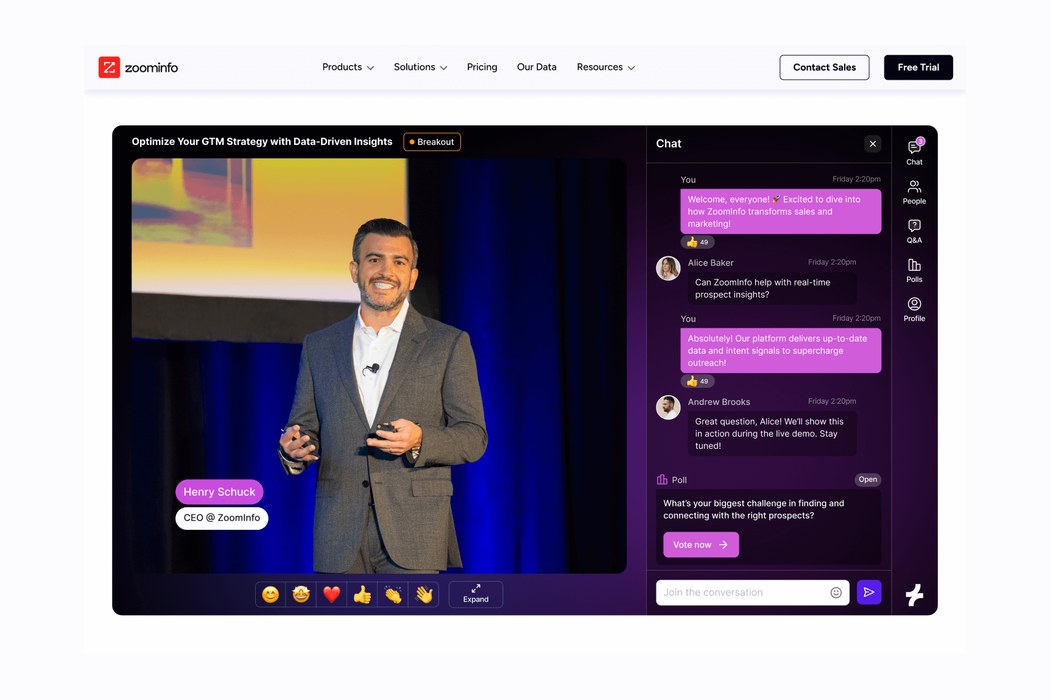
Sequel.io Wants Your Next Webinar to Live Where the Money Is: Your Website
The San Francisco startup moved the webinar out of the anonymous meeting room and onto the customer’s own domain. The payoff is a richer trail of intent - if a marketing team runs enough events to justify the price and operational change.
The Finnish startup that reads 120 things in your selfie so beauty brands don't have to guess
It began with a founder's own unexplained skin problem. It turned into an AI advisor now embedded in roughly 120 beauty brands and retailers - and, lately, inside ChatGPT.

The Birmingham startup that made pharma pay for trust it never earned
Del Smith and Tiffany Whitlow built a 200,000-member community first and an AI second - and got seven of the ten biggest drug makers to buy the trust they earned.

Everflow Built a $30 Million Business by Counting What Marketing Usually Misses
Affiliate marketing gets messy the moment a click becomes a customer. Everflow built a profitable, bootstrapped software company by following that journey farther - through repeat purchases, partner payouts and the placements that actually earn their keep.

PebblePost Put the Pixel in the Mailbox - Now It Wants the Living Room
The New York ad-tech company made direct mail behave like digital retargeting. Its next act is applying the same transaction-powered engine to connected TV - with the household, not the cookie, at the center.
TripleLift Wants to Fix the Internet's Most Ignored Product: The Ad
The ad-tech company built its first business by making ads fit the page. Now it is trying to coordinate creative, data, inventory and measurement before the impression ever reaches a screen.
Informa Built a £4 Billion Business by Owning the Room
The FTSE 100 group does not sell one product. It builds the places - physical, academic and digital - where specialists find one another, learn what changed and decide what to buy next.
StackAdapt
StackAdapt spent a decade turning the demand-side platform into something closer to a marketing control room. Its bet is that the next advantage in advertising will come from connecting the channels marketers already use - and making the machinery easier to operate.

Treasure AI
Treasure Data spent 15 years teaching enterprises to recognize a customer across a maze of systems. Now, under a new name, it wants governed AI agents to turn that memory into action - without asking marketers to babysit another dashboard.

Polar Analytics
Polar Analytics is a multichannel AI analytics platform for ecommerce and direct-to-consumer brands, built to unify scattered marketing, sales and CRM data into one dashboard on top of a warehouse-native data stack. Founded in 2021 by David Dokes and Charbel Seif, it centralizes 45+ data sources, tracks metrics like CAC, ROAS, MER and LTV, and layers AI agents and a Model Context Protocol connector so merchants can query live data and act on it. Polar serves 4,000+ brands across 45 countries and has raised roughly $28.5M, including an $18M Series A led by Chalfen Ventures in November 2024.

Potloc
Potloc is a Montreal-based market research technology company that runs an AI-powered, all-in-one survey platform built exclusively for management consulting and private equity firms. Founded in 2013 by HEC Paris graduates Rodolphe Barrere and Louis Delaoustre, the company pioneered social-media sampling to source hard-to-reach B2B and B2C respondents, and today handles the full research workflow - questionnaire design, sampling, live fieldwork monitoring, data-quality control, and AI-assisted analysis. Potloc has served 500+ global firms and collected hundreds of millions of survey responses across industries and geographies.

Proxima
Proxima is a New York-based predictive data intelligence platform that helps consumer and DTC brands find high-value customers and scale paid media efficiently. It turns billions of anonymized ecommerce transactions from a proprietary network of tens of millions of shoppers into AI-powered audiences, conversion attribution, creative guidance, and industry benchmarks across Meta, TikTok, and Google. Founded in 2022 by Alex Song, the company raised a $12M Series A in April 2024 led by Mucker Capital.

Cinarra Systems, A Softbank Company
Cinarra Systems is a location intelligence and measurement company that turns carrier-grade mobile network data into privacy-safe marketing insight. Founded in 2012 and now a wholly owned SoftBank subsidiary, Cinarra works with mobile network operators to power audience segmentation, store-visit attribution and cookieless targeting - processing billions of daily location signals inside the carrier's own data center so no personally identifiable information ever leaves. Its platforms (RealSight, VitalSight, RealPeople, VenueVitalics) link online ad exposure to real-world venue visits for advertisers and turn telco data into a new monetization channel for operators.

GrowthLoop
GrowthLoop is an agentic, composable customer data platform (CDP) that runs directly on a company's cloud data warehouse - Snowflake, BigQuery, Databricks or Redshift - so marketing teams can build audiences, orchestrate journeys, and measure results without copying data into a separate system. Formerly Flywheel Software, the company pitches a 'Compound Marketing Engine' that pairs a no-code, drag-and-drop audience builder with AI 'Growth Agents' that suggest segments, build journeys, and optimize campaigns. It serves large enterprises including Ford, Costco, Albertsons, NerdWallet and major sports organizations.