financial-planning
(53)
Prophix wants finance to stop chasing its own numbers
Budgets held together by spreadsheets made Prophix a business. Connecting planning, the financial close, and AI is its bid to win more of the CFO’s working day.

Defaqto’s five stars hide a much bigger business
The familiar insurance badge is the shop window. Behind it, Defaqto sells the data and software that help financial companies design products, compare rivals and explain their decisions.

Dynamic Planner built a business on the second opinion
People wanted a human to check the computer’s financial advice. Dynamic Planner turned that habit into a software business, then rebuilt it when its original customers changed course.
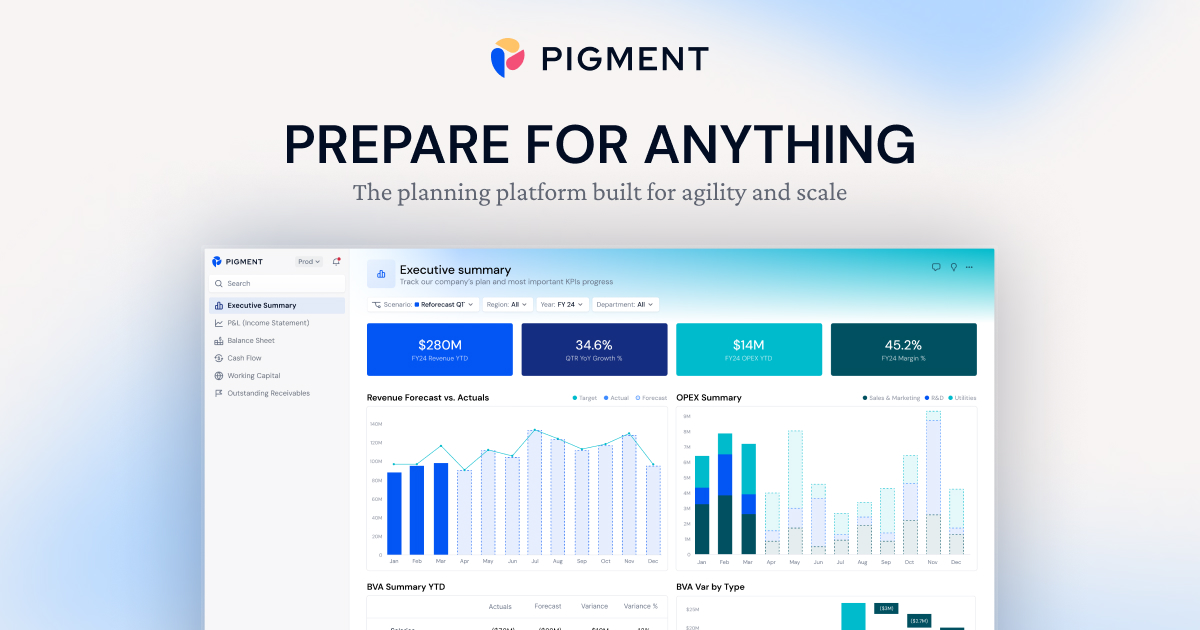
Pigment Turns the Annual Plan Into a Living Argument
Pigment gives serious planning teams a shared model, live scenarios, and AI agents that can do more than decorate a dashboard. The trade is equally serious: this is flexible enterprise machinery, not a Friday-afternoon spreadsheet replacement.

Runway Put the Spreadsheet in Founder Mode
Runway made financial planning feel less like spreadsheet archaeology. Its next act, CFO.ai, gives the model an agent named Ari - with visible math, source lineage, and a monthly price founders can actually see.

Lucanet Wants to Close the Books - and the Tabs
Lucanet turns the month-end maze into one governed finance workspace. The trade is classic enterprise software: serious accounting muscle, a real implementation, and a price you have to ask for.

Datarails Wants to Save Excel From Excel Hell
Datarails keeps finance teams in the spreadsheet they know, then adds the controls, live data and AI that Excel forgot. The bargain is simple: your models survive, but your spreadsheet habits come along too.

Planful Makes Peace With Excel, Then Puts It on a Leash
Planful gives finance teams one governed place to plan, close, consolidate and report, while letting Excel keep a seat at the table. The payoff is fewer version-control mysteries; the catch is that a serious platform still demands a serious implementation.

Vena Put Guardrails on Excel - and Finance Kept the Keys
Finance teams do not have to quit spreadsheets to gain control of them. Vena wraps the familiar grid in a governed planning platform - a practical compromise whose success depends on the model underneath.
Envestnet Built the Operating System for Advice. Now It Has to Make the Whole Thing Feel Like One Product.
After 25 years of buying and building the plumbing behind financial advice, Envestnet reaches roughly a third of U.S. advisors. Its new challenge is less about adding another tool and more about making a sprawling suite behave like one coherent machine.

Rachel Eccles Is Marketing the Conversation Before the Money
The English major turned fintech executive has spent her career making complicated subjects easier to enter. At eMoney, her real product is not software alone - it is permission to begin a useful conversation about money.
Brett Bernstein’s long bet on independence
He left Merrill Lynch without taking the usual check, built XML Financial Group from his own pocket, and learned that scaling a wealth firm is less about collecting offices than keeping people.

Adam Holt Drew Finance Back to One Page
Before Asset-Map became software used to organize trillions in financial instruments, it was Adam Holt's hand-drawn answer to a stack of reports nobody wanted to read.
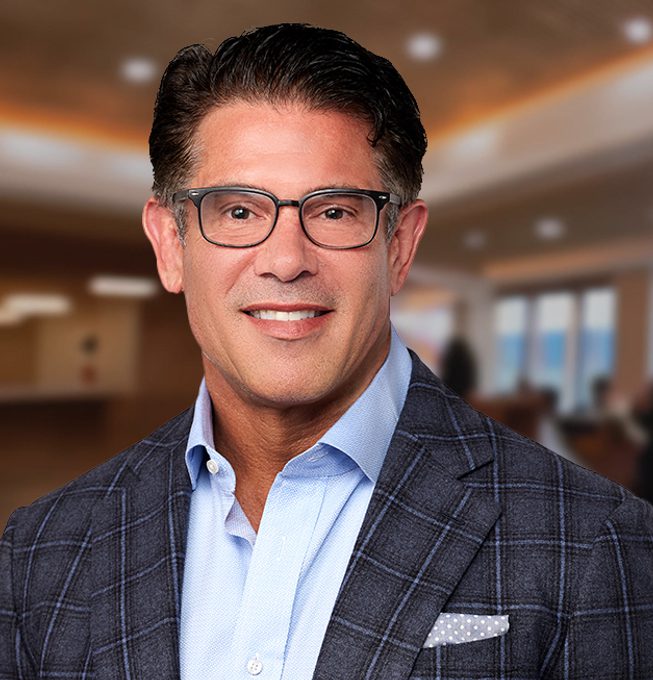
Hank McLarty Built a Wealth Firm Like a Football Team
The former Auburn linebacker turned a bruising lesson about quitting into a 20-year experiment in team-based advice, humility, and the strange art of knowing when a founder should join a larger huddle.
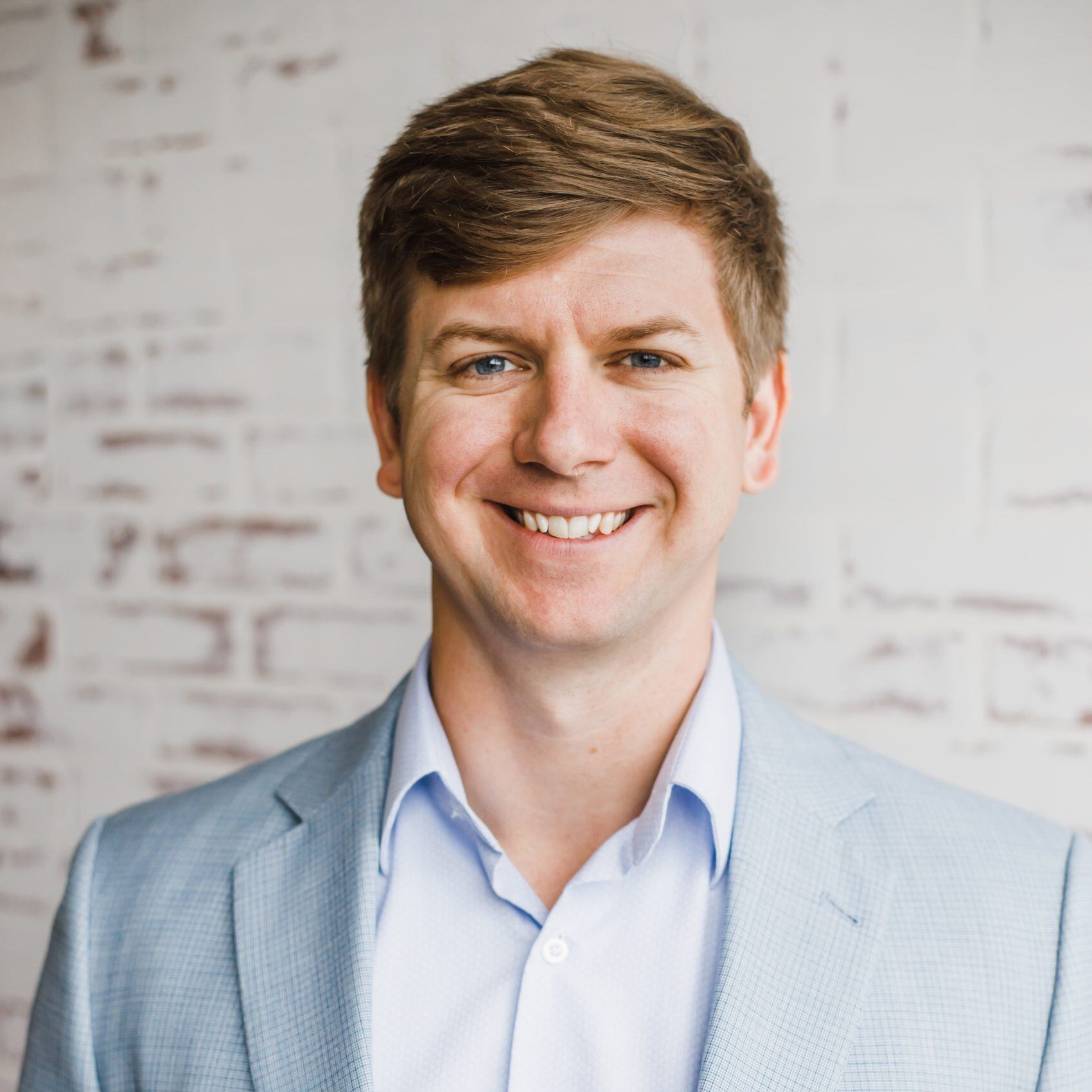
David Bull Wants to Turn the Family Fortune Into a Family Business
The Ark Financial founder has a simple diagnosis for entrepreneurial wealth: the experts may all be competent, but nobody owns the seams. His answer is an operating system for the business of the family.

Dee Ann Remo Built a Wealth Firm Around the Work Money Cannot Do Alone
A former KPMG tax partner turned a filing-cabinet view of wealth into a multi-family office - then made community, continuity and difficult conversations part of the balance sheet.

Raygar Khailany Is Turning the Financial Plan Into a Finished Product
After two decades helping advisors outsource the work around advice, the PlanScout co-founder made a sharper bet: the most useful planning software may arrive with people attached.

Newport Put the Family Balance Sheet Before the Portfolio - and Turned Private Markets Into a $6 Billion Pitch
Most wealth firms begin with a portfolio. Newport begins with the family - then builds an endowment-style mix of public and private assets around the life that money is supposed to fund.

The 100-Year-Old Money Machine Betting Its Next C$70 Million on AI - Without Firing the Humans
IGM Financial spent a century turning face-to-face advice into a Canadian institution. Now it is cutting complexity, absorbing a C$95.3 million charge and recycling the savings into AI - a test of whether old trust and new software can compound together.

The $1.7 Billion Wealth Firm That Sold the Plumbing - and Kept Its Name
US Financial Services spent three decades building a planning practice around life transitions. Then it made a counterintuitive succession move: join a larger platform, preserve the local brand, and turn the firm itself into a home for other advisers.

NorthRock Built a $12 Billion Firm Around the Rich Person's Worst Job: Coordination
Wealth creates options - and an absurd amount of administrative work. NorthRock's bet is that affluent clients will pay one team to make the investment manager, CPA, estate lawyer, insurance adviser and philanthropy plan behave like one system.

PlanScout Bought a 13-Year-Old Planning Engine - Then Turned 15 Hours of Advisor Work Into 3
Financial advisors have plenty of software and too little time. PlanScout's answer is a hybrid: buy the planning engine, add a human service layer, and return a client-ready plan in days.

True North Built a $5.86 Billion Wealth Firm by Refusing to Sell the Usual Stuff
Scott Wood and Mark Gehlbach left product-tied Wall Street advice behind, built the alternative-investment shelf they wished existed, and waited 24 years before taking outside capital. Now comes the harder trick: scaling a family office without turning trust into a product.

Ark Financial Wants to Be the COO of Your Family Money - But the Model Comes With Homework
The Austin firm turned a rich-family institution into an operating system for entrepreneurs. Its cleverest product is coordination - and its most useful lesson is that even a coordinator must be audited.
The $4 Billion Freedom Bet: How XML Financial Group Built a Wealth Firm by Refusing to Build Alone
XML Financial Group escaped the big-bank playbook, then discovered that independence works better with infrastructure. Its repeatable trick is equal parts personal advice, succession planning and culture-first M&A.

The $6 Billion RIA Built to Make Complicated Money Feel Boring
Ashton Thomas sells a scarce luxury: one coordinated view of a wealthy family’s messy financial life. Its post-2023 expansion shows how a regional adviser can add offices, specialists and assets without sanding away the local teams clients hired in the first place.

The Richmond Firm That Manages $4.9 Billion by Managing Memory
A former KPMG tax partner built a Richmond multi-family office on a stubborn premise: the hardest part of managing $4.9 billion isn't the portfolio - it's the paperwork, the people and the memory behind it.
Gratus Capital Built the Anti-Wall-Street Wealth Firm - Then Chose a Bigger Bench
Hank McLarty left the wirehouses to put tax, estate and investment specialists on one team. Nineteen years and roughly $3.8 billion later, Gratus made the counterintuitive move: surrender the stand-alone firm to expand what clients could get.

Alok Goel Is Turning the CFO's Rearview Mirror Into a Windshield
After Google, two major Indian startup exits and five years in venture capital, Alok Goel returned to operating with a stubborn question: why can so few companies see where they are going? Drivetrain is his attempt to make the answer visible.

The Private Bank Built for Wealth That Hasn't Turned Into Cash Yet
Citizens used the regional-bank shock of 2023 to assemble a relationship bank for founders, fund partners and families with complicated balance sheets. By the end of 2025, the two-year-old unit held $14.5 billion in deposits and $10 billion in client wealth assets.