The most valuable thing Gratus Capital sold was not a portfolio. It was the end of a group chat. For a wealthy founder, money tends to arrive with a small parliament: investment adviser, CPA, estate lawyer, insurance specialist, maybe a deal attorney, each fluent in a different dialect and each capable of assuming someone else handled the awkward bit. Gratus wanted to be the adult who pulled up the chairs, passed around the same facts and made the decisions connect.
Hank McLarty understood the alternative because he had lived inside it. After Auburn University, where he played linebacker on scholarship, he spent about 15 years at Merrill Lynch and Morgan Stanley. He was successful. He also believed the wirehouse system measured production more naturally than client outcomes and supplied products more easily than tax, trust and estate expertise. In 2005 he left to build the firm he wished he could have assembled from within.
The name was a clue. Gratus comes from the Latin for grateful. McLarty had no appetite for another brass-plaque firm bearing a founder's surname. He described humility, appreciation and gratitude as operating principles, not mood-board language. That was personal. In an interview about a difficult period before the firm's rise, he recalled living in a hotel with his two sons and relying on the free breakfast. The experience shifted his attention from status toward significance. A financial company named for gratitude sounds sweet until you learn it was forged beside a waffle maker.
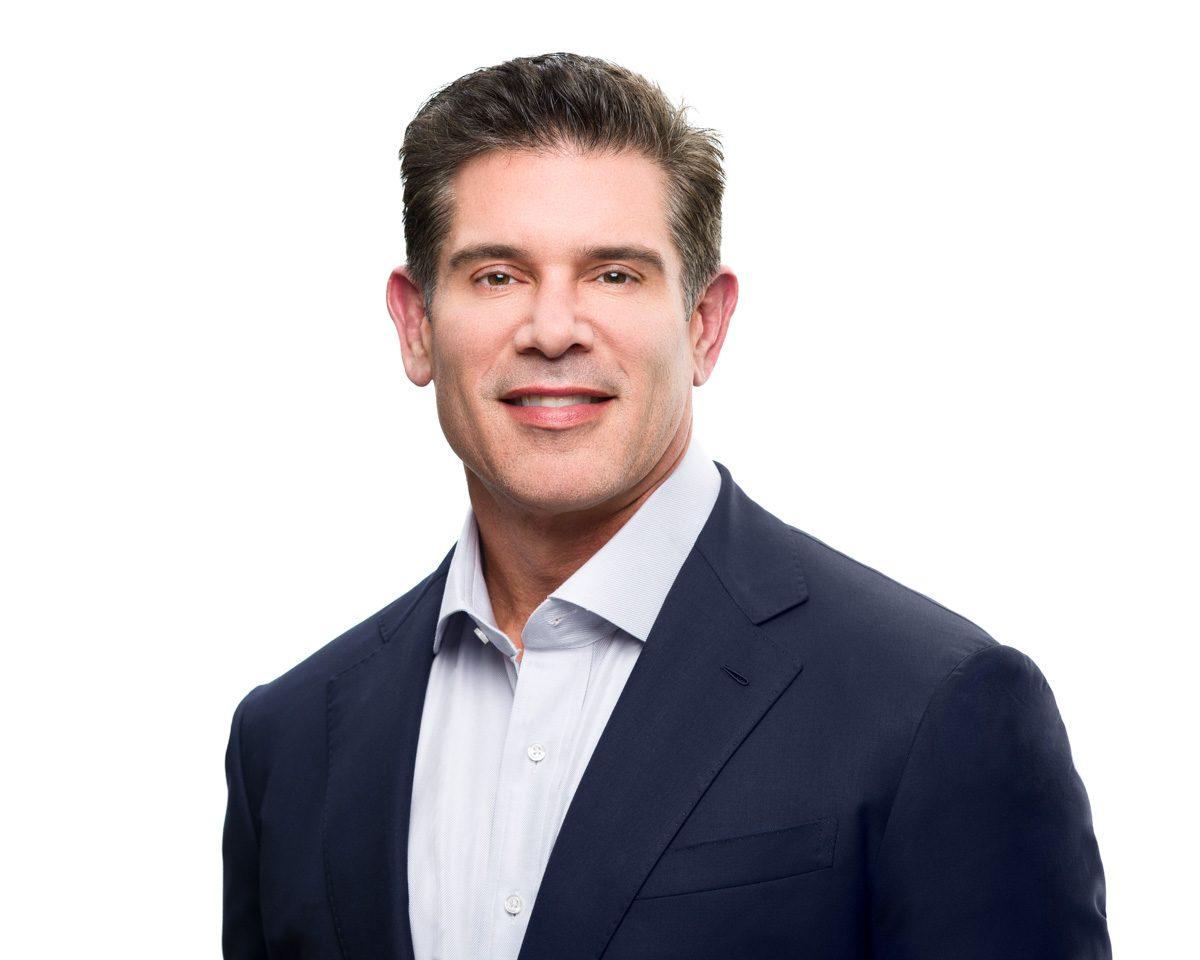
The founder before the finish line
Gratus found its sharpest fit among first-generation entrepreneurs. A business owner approaching a sale may look rich on paper and oddly cash-poor in practice. Their company is the portfolio, income stream and identity. Then a buyer arrives. Suddenly, decisions about sale structure, charitable gifts, trusts, taxes and reinvestment acquire deadlines. The founder who controlled every invoice must hand a life-changing pool of cash to people who speak in basis points.
McLarty's answer was to start the relationship early. Gratus said referrals brought prospects years before a transaction, a month before it or, less happily, after the founder had sold and grown frustrated elsewhere. Early is better. A sale might be cash, cash and stock, a merger or an employee stock ownership plan. Each route can demand different tax and planning work. Waiting until closing to ask what could have been structured differently is an expensive way to discover the calendar has teeth.
“We’re kind of the glue that pulls all these different advisors together.”Hank McLarty, founder and CEO
By 2022, McLarty described 13 advisory teams. A client considering an ESOP could be matched with people steeped in that structure; a cash-and-stock deal could go to a team strong in its particular tax questions. The adviser did not need to cosplay as attorney, accountant and portfolio manager. The job was to route the problem and keep the specialists pointed at the same outcome.
The product was orchestration
The service menu looked familiar: discretionary investment management, financial planning, cash-flow work, tax strategy, estate coordination, retirement and charitable planning. Portfolios could contain stocks, bonds, mutual funds, exchange-traded funds, preferred shares and options. Gratus also managed or offered access to private investment strategies. Stand-alone planning was available for a fixed fee; ongoing management generally came with a fee based on assets.
What made the package distinct was density. Gratus recruited investment analysts, advisers, tax specialists, trust-and-estate experts, attorneys and real-estate specialists into a team model. In a 2019 example, the firm took more than 100 pages of legal estate documents and translated them into a family presentation. After the mother died unexpectedly, the family understood the structure well enough to grieve without simultaneously decoding the paperwork. “Holistic” is a tired industry word. Making a hundred pages comprehensible is what it looks like when the word earns its keep.
A boutique learns to carry weight
Selected announcements, not a continuous performance series. The 2024 figure was the amount Focus expected Gratus to add, measured May 31; the firm's earlier stand-alone filing reported about $2.745B.
The model had a clean commercial engine. As assets grew, recurring advisory revenue grew. Fixed-fee planning opened a narrower door. Sponsored funds and an options-income overlay could add strategy-level fees. The firm's own client summary plainly noted the conflict: more assets and higher-fee products can pay the adviser more. There is no fairy dust here. Fiduciary duty does not erase incentives; it makes their disclosure and management part of the product.
What failed first
The first system to fail was the one McLarty inherited, at least for the customer he wanted to serve. The wirehouse could manage money, but he said it lacked the multidisciplinary resources to handle the whole arc of an entrepreneur's wealth. That gap changed his mind about staying. He chose an independent registered investment adviser because independence let him decide which experts belonged on the field.
His ambition changed, too. At launch, McLarty said the goal was simply to build an excellent firm. In 2018 he made it more concrete: grow Gratus tenfold while improving client experience and building a culture employees would praise. Those last clauses matter. Growth without them is only a larger spreadsheet. Forbes reported roughly 30 employees and more than 600 clients in 2019. A 2024 regulatory profile reported 50 employees, 26 of them in investment-advisory functions, and about $2.745 billion across 2,929 accounts.
The firm had already embraced outside help. In 2014, when Gratus managed more than $800 million, Focus Financial Partners took a stake. The rationale was capital and deal expertise for hiring and acquisitions in Georgia and Florida. Gratus completed two mergers between 2016 and 2018, helping push assets close to $2 billion. Independence, in other words, was never solitude.
The counterintuitive second act
In July 2024, Focus announced that Gratus would join The Colony Group, now part of Focus Partners. The combination closed on August 1. Gratus was expected to contribute roughly $3.8 billion in regulatory assets under management, measured at the end of May, and give the larger organization a stronger Atlanta footprint. In return, the Gratus team gained a deeper bench in tax, family-office services, tools and planning capabilities. The purchase price and valuation were not disclosed.
Here is the useful paradox: McLarty left large firms to gain control over expertise, then joined a large platform to gain more expertise. That is not necessarily a reversal. His original thesis was that structure should follow the client's needs. Stand-alone ownership was one way to make that true in 2005. By 2024, a national platform promised another.
The risk is equally obvious. A boutique wins because clients know whom to call, referrals carry social proof and unusual situations receive attention. A platform wins through depth, technology, recruiting power and broader services. Combining them can produce a boutique with machinery, or machinery wearing a boutique's nametag. Gratus's separate adviser registration was terminated after the merger, and its old website now points to Focus Partners. The brand integration is complete enough to see. Whether the old intimacy travels at platform scale is the question clients will answer one interaction at a time.
Build the founder relationship before a sale deadline turns flexible planning into historical trivia.
Do not merely refer specialists. Convene them, share context and make one party accountable for movement.
Match each problem with the right team instead of expecting every generalist to know every structure.
Pair the revenue goal with client and employee experience, so scale has something besides itself to satisfy.
What a reader can steal
The copyable move is not “start a wealth firm.” It is to identify the handoffs your customer hates and turn coordination into a named responsibility. An agency can unite research, creative and media. A medical practice can coordinate specialist care. A software consultancy can put product, security and data around the same roadmap. The customer feels the seams even when providers pretend they are invisible.
Gratus also offers a useful way to choose a niche. It did not define entrepreneurs merely by net worth. It focused on a moment: before and after liquidity. That moment contains repeatable anxieties, technical needs and referrals. The customer profile made a broad suite coherent. It also produced content opportunities, from Social Security guidance to market updates, that kept the relationship warm between major decisions.
When the playbook does not work
Specialist density is expensive. It fails when clients are too small to support the bench, when the problem is simple enough for a low-cost digital adviser, or when “coordination” becomes meetings without decisions. It also breaks if specialists hoard context, incentives push proprietary products, or a larger parent standardizes away the responsiveness clients came for. The model needs complex customers, strong referrals, enough recurring revenue and one clear owner of the final call.
Gratus fits between the mass-market robo-adviser and the full family office. Its clients wanted more than asset allocation but did not necessarily want to hire every discipline themselves. Competitors include Atlanta RIAs such as SignatureFD, Balentine, HB Wealth, BIP Wealth and Sage Mountain, national firms such as Cresset, and the wirehouses McLarty left. The other competitor is fragmentation itself: a perfectly capable CPA, lawyer and broker who never quite share a whiteboard.
The firm's most enduring idea is almost comically unglamorous. Wealth gets complicated at the joints. Gratus built a business by minding those joints, then joined a larger organization because it believed more expertise could strengthen them. The outcome is not a fairy tale about independence or consolidation. It is a reminder that organizational design is customer service wearing sensible shoes.