digital-design
(17)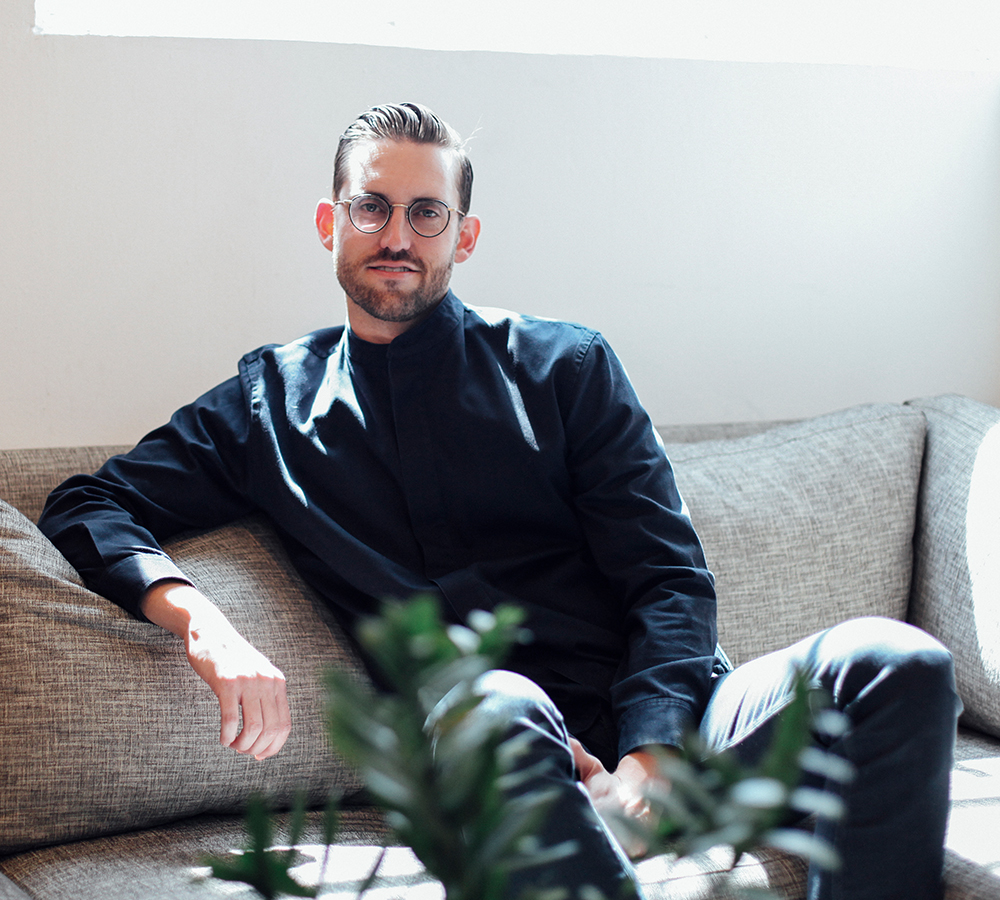
Levi Brooks and the art of getting through
A fax machine, a museum website, a studio started after graduation. Levi Brooks has spent twenty years finding ways for people to reach the thing on the other side of the screen.

Ishka Villacisneros and the business of doing a favor
A shopping request became Californila. A knack for design became Ishkaster Media. Across her businesses and her work at NGA 911, Ishka Villacisneros keeps returning to the distance between wanting something and getting it done.
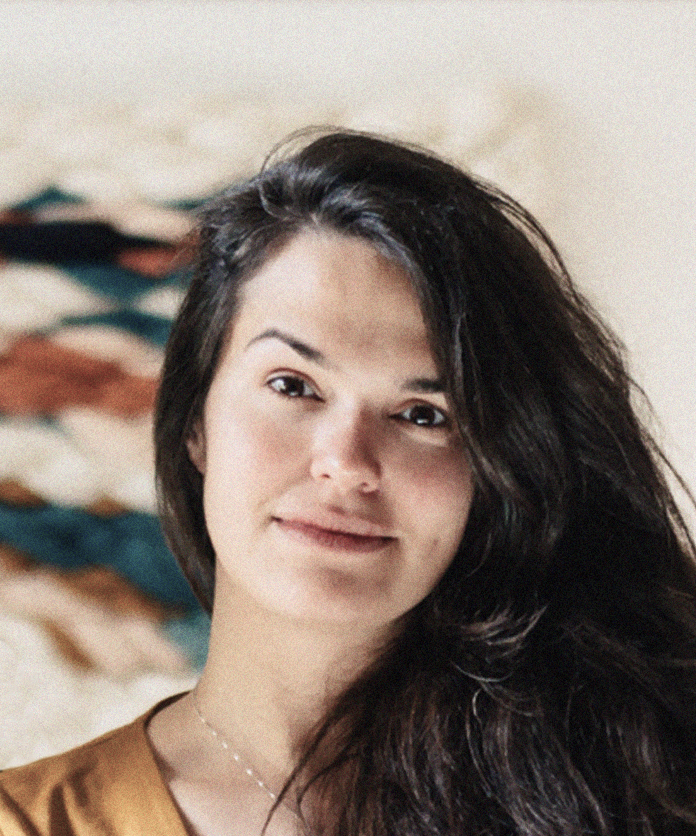
Daria González and the business of being understood
Before Wunderdogs, Daria González worked across architecture, journalism and venture capital. Her career keeps returning to one problem: how to get a good idea out of its own way.

Eric Mayville and the two years before day one
Before Wondersauce became a company, it was two years of nights and weekends. Eric Mayville has since taken the lessons of building an agency into Fairgame, where the problem is as old as golf: finding your people and getting a game together.
Welcome Homes puts the house online. The hard part comes next.
A home can be configured in a browser. Building it still takes people. Welcome Homes’ shift toward local builders reveals where the convenience ends and the real work begins.
Colony and the Art of Knowing What Not to Design
The Los Angeles studio built its reputation by making brands unmistakable. Its more interesting habit is deciding, before a single logo moves, whether design is the problem at all.
Message Lab asks: did anybody actually read it?
A client had 82,000 pageviews and a five-second problem. Message Lab at Orchestra builds editorial programs around the difference between attracting a click and earning someone’s attention.
MADE gives a brand promise something to do
A tweet-driven typewriter. A racetrack hospitality village. A fish taco brought back into focus. Inside the agency that turns brand strategy into things people can actually experience.
Ueno sold to Twitter. Then the itch came back.
Halli Thorleifsson built a design agency for the companies on your home screen, sold it, and started again. The second Ueno is betting on fewer clients - and a very human reason to make things.

Hybrid Design makes a brand something you can touch
A speaker pattern pressed into a book. A paper sample dressed as a recipe box. Inside the San Francisco studio that turns brand strategy into objects with a reason to exist.
Push Button makes the brand. Then makes it work.
A business card, a website, a room: Push Button treats them as parts of the same design problem. The Los Angeles studio brings a maker’s eye to branding - and a technologist’s attention to what happens next.
Vocabulary has a way of making brands happen
A monolith full of chips. An Oscar seen seven ways. Inside the small creative agency connecting brand strategy to the things people actually encounter.
Okay knows a good brand needs something real to stand on
A whale, a whiskey label, and a 50-pixel square: inside the design practice of Carl Bender, where the useful detail does the talking.
DGDA and the expensive art of making things people want
Dave Getchel can turn an idea into a website, a prototype or a tool for his own workbench. His more revealing design lessons come from the things he made before finding anyone to buy them.
Vapor Studio builds brands you can pick up
From robot-inspired headphones to a lemonade can with summer plans, the California agency treats the product, the packaging, and the pitch as parts of the same job.
Flagship Creative makes the office a little more human
From software mascots to room-booking apps, this California studio puts design to work on the small frustrations inside big organizations.
Use All Five makes complicated technology worth touching
The Los Angeles studio turns museum archives, payment systems and AI models into experiences people can actually use. Its route there began with an idea it could not afford to build.