A visitor draws on a screen. A few minutes later, the scribble has become a movie trailer. At Google Cloud Next 2025, Use All Five helped make that unlikely transaction feel ordinary. Its Veo Studios installation wrapped several Google AI models in an interface that started with something almost anyone could do: doodle. The technical machinery stayed behind the curtain. The visitor got to play director.
The studio reports more than 575 completed videos and 1,000 generated images across two and a half days. Those are conference activity counts, not evidence that filmmaking has been solved. They do illustrate the business Use All Five has built: giving complicated systems a usable public face. Veo Studios is a particularly photogenic example.
For a company named after the senses, it is fitting work. Use All Five sells design and engineering to organizations whose ambitions need translating into screens, interactions and working software. Its portfolio puts a dance institution beside a payments brand, with room for a musical experiment between them.
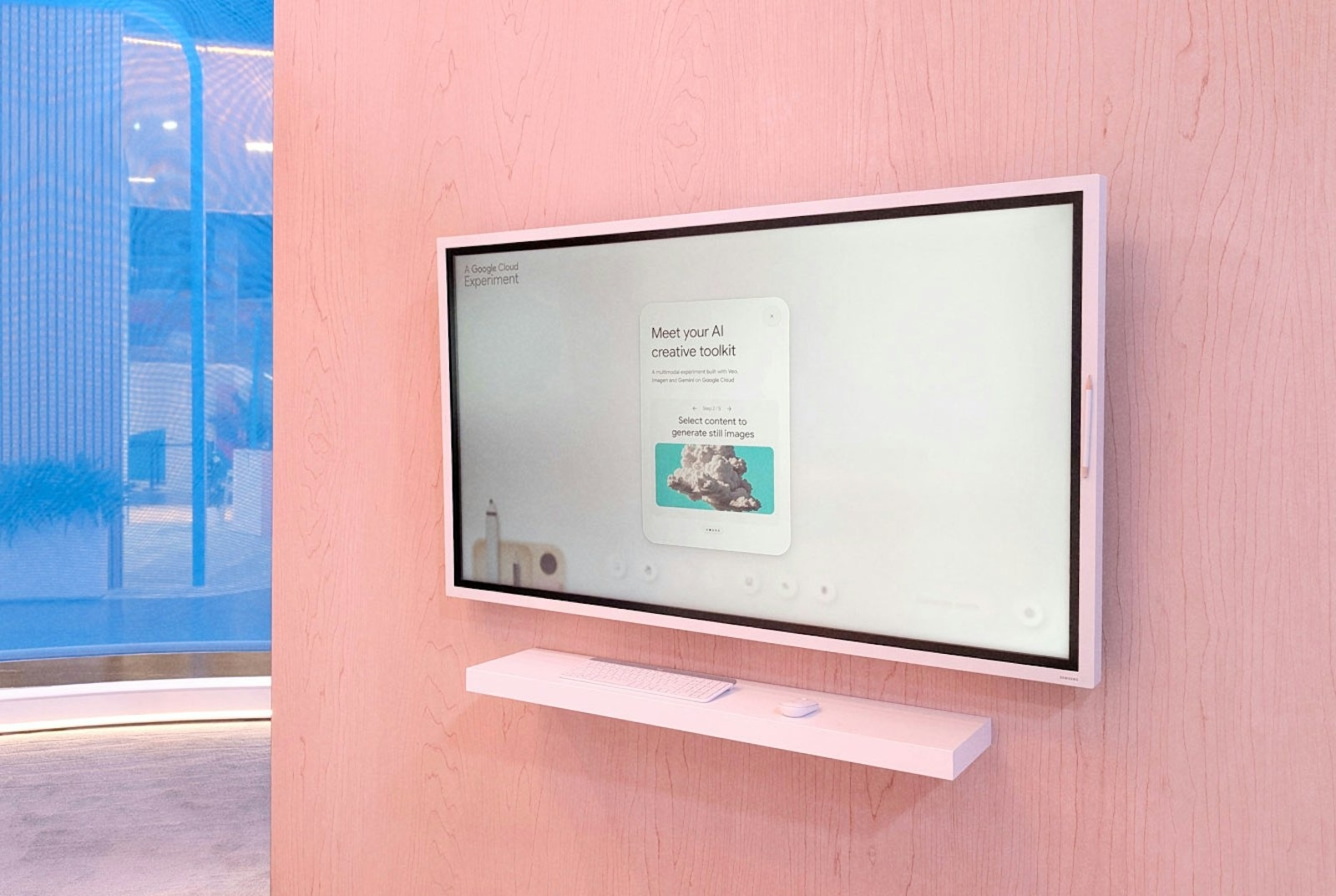
Veo Studios activity reported by Use All Five. Event output, not a measure of commercial return.
The five senses met the budget
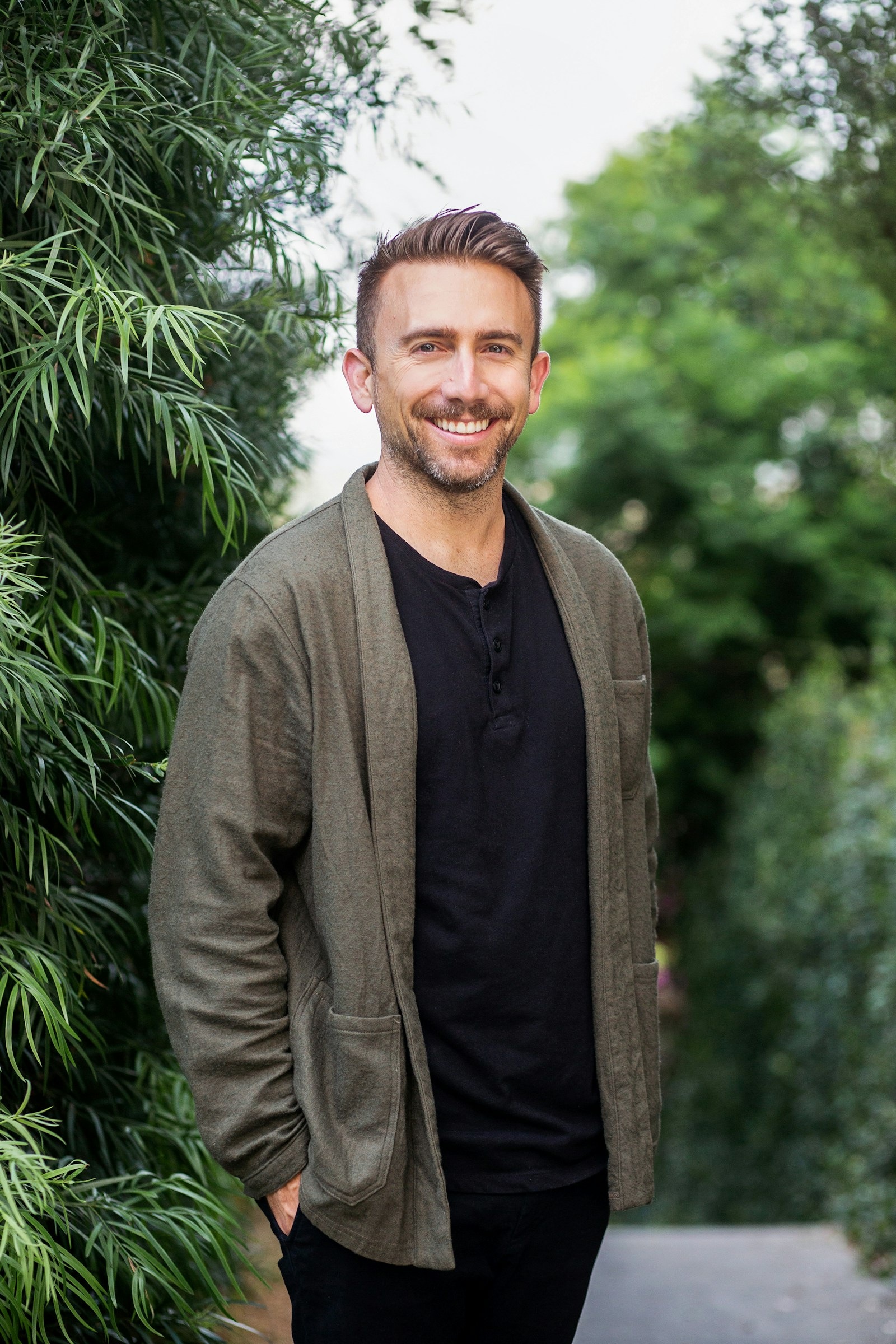
Levi Brooks and Jason Farrell founded the studio in 2006 after studying at UCLA. Brooks became CEO; Farrell became CTO. Their early ambition was environmental work engaging all five senses. The name survived the encounter with commercial reality.
In a Communication Arts interview, Brooks explained that physical productions demanded substantial teams, money and a record of delivery. The new studio lacked the credentials to win those commissions. Digital work offered a way forward. A project archive for Morphosis Architects, called Morphopedia, subsequently helped attract attention and bigger clients.
The founders also revised their working method. Brooks recalled making things with little preliminary research and recognizing the mistake. Audience interviews became part of the process, alongside attention to the surrounding culture. The useful lesson is prosaic: an appealing idea still needs a buyer, and enthusiasm does not tell you what that buyer’s audience needs.
“He had skills that shielded my weaknesses, and vice versa.”
Levi Brooks, on co-founder Jason Farrell
The museum visit starts before the door
Look at the studio’s 2023 Kemper Museum project and the job becomes less abstract. Visitors needed a clearer understanding of what was on display. Giving, event reservations and the restaurant each required a sensible route through the website. A museum can have excellent art and still make planning lunch surprisingly difficult.
Use All Five translated the institution’s refreshed identity into a website and moved its content to a headless content management system. The design drew on the angular forms of the museum’s lettering. Here, visual character and practical wayfinding had to occupy the same page.
A similar organizational problem appeared at Ailey: five core departments, different calendars, classes, performances and donation journeys. The studio describes workshops, repeated audience testing and a content exercise that sorted old material into keep, merge or discard decisions.
That last detail is the one another institution can copy tomorrow. Before commissioning a new homepage, decide who owns the old pages. A redesign cannot resolve competing departmental priorities by typography alone. Ailey’s case also points to the value of a dedicated client liaison: someone who can help make decisions while the designers and developers work.
An archive that follows you home
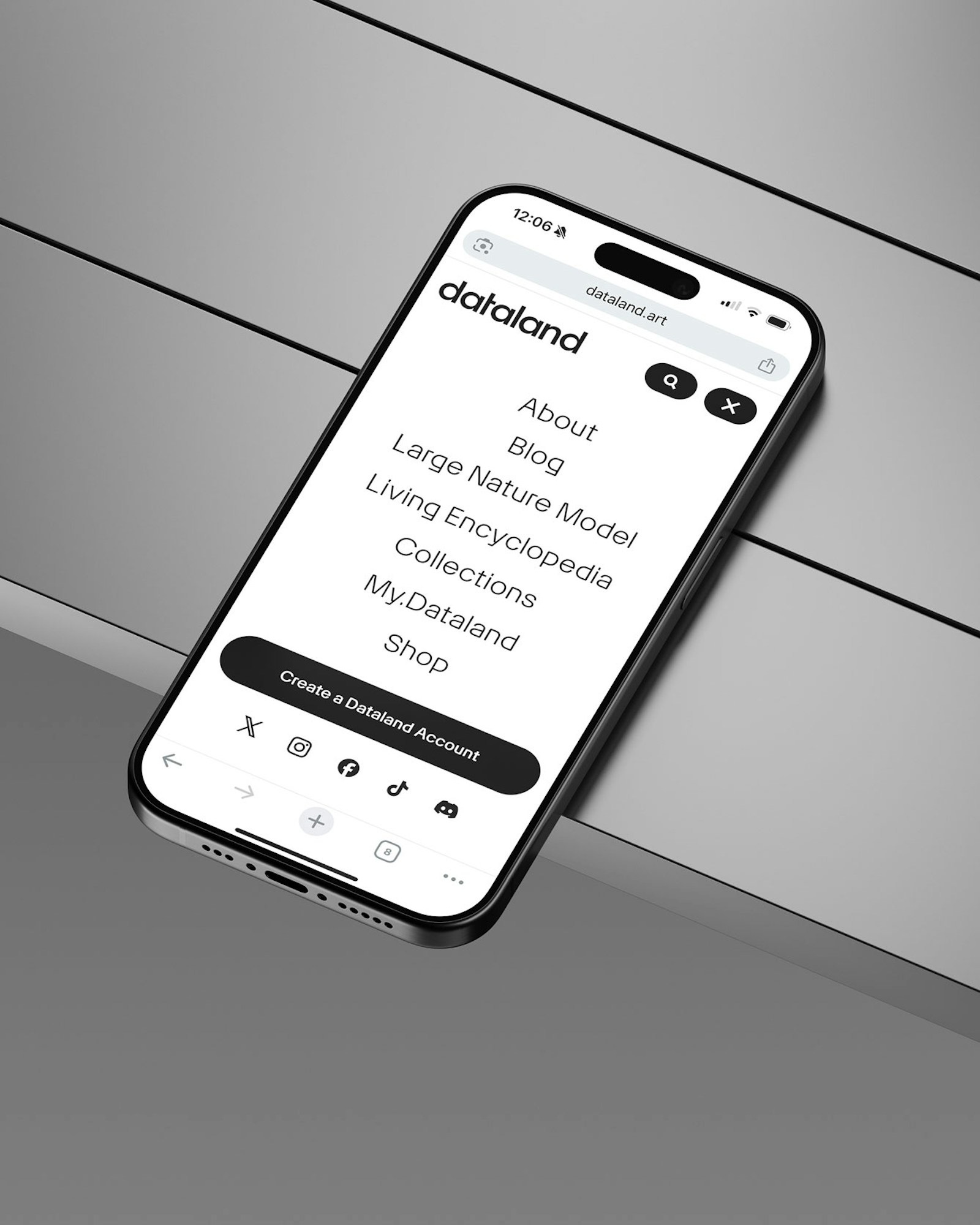
Dataland, Refik Anadol’s museum project, extended the studio’s institutional work into personalization. Use All Five describes an engagement lasting more than 18 months, spanning discovery, prototypes and development toward a phased platform launch.
The brief joined ticketing, membership and commerce with MyDataland, a personal dashboard conceived as a record of a visitor’s experience. Behind that proposition sat five services - ACME, Shopify, Stripe, Coinbase and Google Cloud - connected through a Django backend. That is a substantial coordination problem concealed inside the phrase “museum website.”
The studio’s account emphasizes getting developers involved early enough to assess feasibility. For buyers, the implication is clear: when the experience depends on several systems agreeing with one another, engineering belongs in the first conversation. A polished concept can otherwise become an expensive negotiation with the database. The Dataland case describes platform preparation; it should be read as a delivery account, rather than a measured claim about visitor retention.
Google needs a translator, too
Big technology companies have their own version of institutional complexity. Use All Five’s Google payments engagement stretched across more than 30 months, with the Wallet website launching in 2022 and the Pay website in 2023. The assignment concerned explaining connected services to consumers while accommodating layered reviews and changing product details.
There was a meaningful change in responsibility. For Wallet, the studio supported a handoff to another development team. For Pay, it took the work through development and launch itself. Its account describes engineers advising designers early, and copy evolving alongside the interface.
This helps explain its place in the agency market. The offering spans the territory of a digital design studio, a product consultancy and a development shop. A buyer could assemble those capabilities separately or use an internal team. Use All Five’s case is that keeping them close makes the journey from concept to functioning website easier to manage.
That proposition has particular appeal when approvals, content and integrations all matter. A small brochure site with settled copy presents a different purchasing decision: fewer moving parts may justify a simpler team.
The audience gets the controls
The Google connection also runs through tools made for ordinary people. Song Maker, released in 2018, credits Google Creative Lab, Yotam Mann and Use All Five. It lets people make and share a song in the browser. You can encounter the studio’s work without ever learning its name.
Creatability explored a related question: who gets to use creative software? The collaboration involved creators and allies in the accessibility community. Projects credited to Use All Five and Google Creative Lab included a keyboard and sampler controlled through the face, body, mouse or keys, plus Body Synth, which turns movement into music.
These experiments provide a more concrete account of accessibility than a paragraph in a proposal. They begin by changing the available interaction. Google also shared code and tutorials so others could build on the work. For educators, artists and developers, that makes this corner of the portfolio a place to experiment directly.
It also helps explain why a sketch can be the entrance to an AI video system. The recurring design question is how much technical knowledge a person should need before they can do something interesting.
A simplified view of the studio’s model workflow. The interface keeps the complicated parts backstage.
Nine reasons to get off the slide deck
By April 2026, the physical experiences the founders once struggled to win had become a conspicuous part of the business. Use All Five reported delivering nine interactive demos and experiences for Google Cloud Next in Las Vegas. GPJ built the physical environments; Use All Five handled concept, design, software and integration.
In AI Science Explorer, visitors placed cubes containing crop specimens on a scanner, then explored scientific information at different scales. AI Agent Challenge connected software agents with physical puzzles. Another experience walked participants through an AI-assisted product design process.
The family resemblance is easy to see. Each gives a visitor a concrete action before asking them to understand the underlying technology. For organizations commissioning a demonstration, this suggests a useful test: can someone explain what they will do with their hands? If the answer still sounds like a product brochure, the interaction needs more work.
A studio with its own repair shop
Client work is only part of the picture. In an April 2026 account of its own products, Use All Five described three different outlets for its design and engineering: Accessible Brand Colors, Zhuzh and Patina.
Accessible Brand Colors is a free palette contrast tool. Zhuzh addresses internal resourcing through Slack, asking staff to confirm planned time and flag changes each week. Patina is a consumer app for identifying objects from photographs and exploring their potential resale value. The studio describes it as a product with paying subscribers.
The Patina website pitches the app to people browsing estate sales, thrift stores and their own collections. Its proposed shortcut is from a photograph to information about maker, era, materials and comparable sales. That places Use All Five on the consumer side of product development as well as the commissioning side.
Its public studio values emphasize collaboration, experimentation and mentoring. These are stated intentions, not an independent employee survey. The internally built tools offer something more tangible to inspect: problems the team chose to spend its own time addressing, and interfaces through which it chose to address them.
Buy the working relationship
The commercial offer remains a service relationship: strategy, prototyping, website and app design, content platforms, development and AI work. Branding inquiries are directed to sister agency Silk. Customers range from cultural organizations and universities to large technology businesses; named clients include Google, Headspace, the Guggenheim, the ACLU and UCLA.
For a budget reference, Clutch lists a $10,000 minimum project size and a $100-$149 hourly band. Treat those as directory guidance, not a current quote. In a March 2019 review, Quadio’s CEO said the music startup expected to spend about $35,000 on its engagement. The date and scope matter as much as the number.
The sensible buying question is what the fee must cover: research, content decisions, design, integrations, testing and the people who can approve each step. Those are different obligations from supplying a set of attractive screens. A team unwilling to spend time on decisions will struggle with a process built around collaboration.
For everyone else, the studio’s portfolio offers a practical invitation. Try the music tool. Test a palette. Look at how a museum organizes a visit. Use All Five’s work is easiest to understand at the moment you stop reading about it and start using it.