cybersecurity-marketing
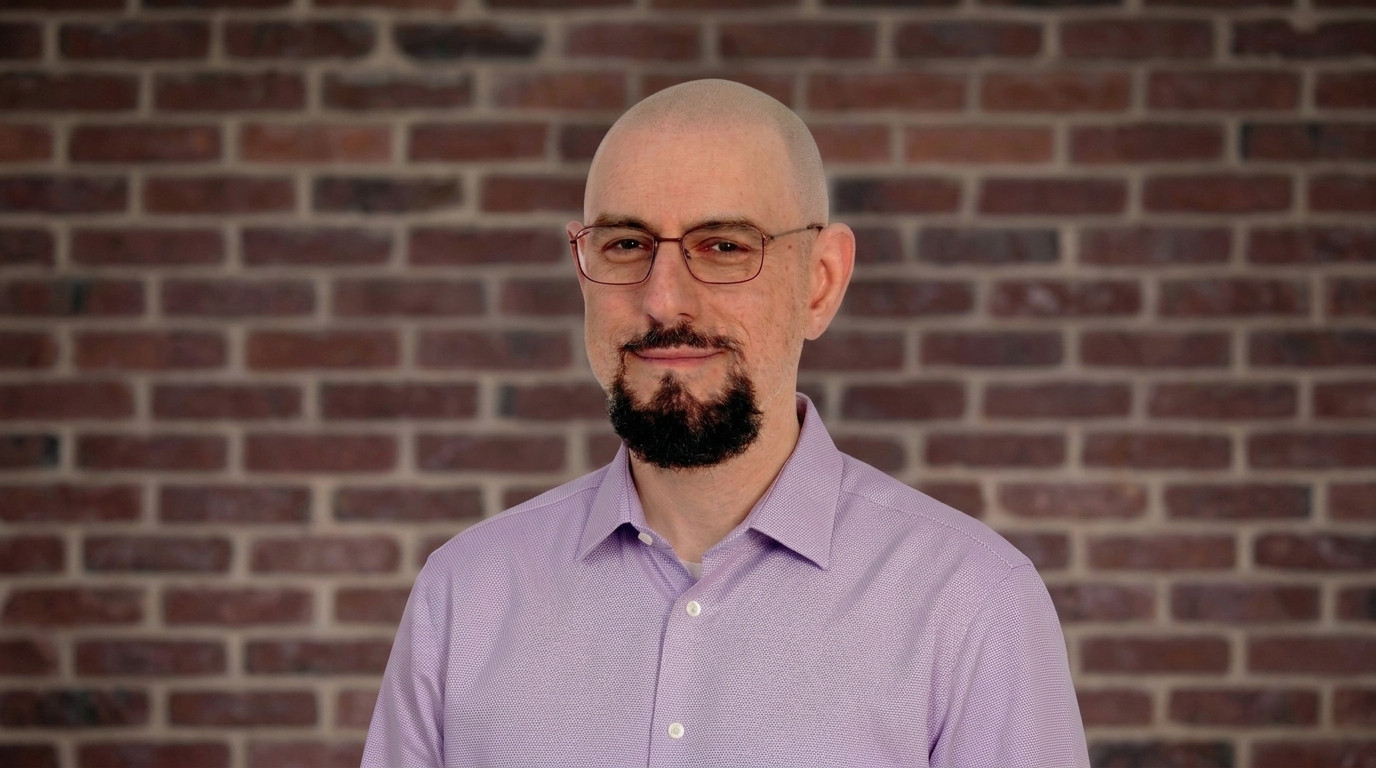
(95)
Manny Ataebi Learned the Code. Then He Learned to Sell the Story.
A six-year apprenticeship in code gave Manny Ataebi an uncommon marketing instinct: understand the machinery, strip away the jargon, and make the buyer care.

Tim O’Rourke Is Turning Cybersecurity’s Complexity Into a Clearer Story
After a career that runs from the Marine Corps to Harvard and through some of cybersecurity’s best-known companies, eSentire’s new CMO has a deceptively plain assignment: make a complicated defense business understandable.

Stephanie Weagle Makes Cybersecurity Speak Human
Liongard's chief marketing officer built her career by listening closely, translating technical complexity, and rolling up her sleeves. Now she is helping a small team carry asset intelligence into a crowded cybersecurity market.

Stacy Shelley Built Cybersecurity Brands Before the Market Learned to Trust Them
After two acquisitions and two decades selling security to people paid to distrust claims, the Asheville marketer is betting that useful tools and sharper ideas will outlast the content mill.

For More Than 20 Years, Felicia Diebley Has Turned Complex Technology Into Customer Value
Her career runs through radios, open source, and cybersecurity, but the method stays remarkably consistent: align sales, product, partners, and a clear customer promise.
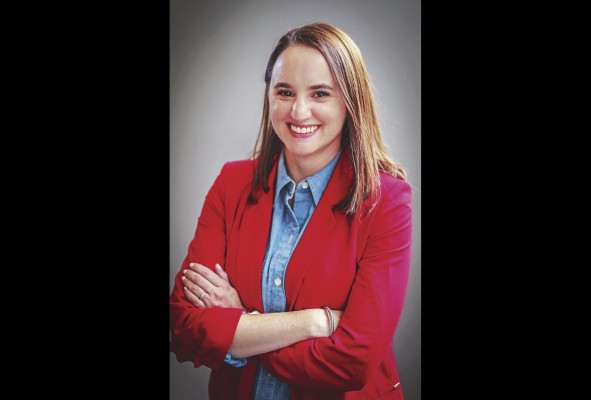
Maria Lobato Turns Cybersecurity Into a Language People Can Act On
At Lumu, Maria Lobato has made a career of translating invisible threats into clear choices. Her route from corporate communications to the C-suite explains why her favorite cybersecurity tool may be a well-chosen word.

Scott Gainey Learned the Product First. Then He Learned to Tell Its Story.
Before Scott Gainey sold markets on security, he learned to read code, handle escalations and listen to engineers. That technical apprenticeship still shapes the way Checkmarx's CMO thinks about customers, categories and the unruly arrival of AI-generated software.

Leigh Dow Learned to Market What Cannot Fail
From a Florida governor's communications office to Mattermost's first C-suite marketing post, Leigh Dow has built a career translating complicated systems for people who cannot afford confusion.

Evyatar Sagie Turned Search Discipline Into a Cybersecurity Growth Playbook
Before he marketed an AI-native security platform, Evyatar Sagie learned growth one query, campaign and conversion at a time. His career explains why Guardz speaks to MSPs in the language of useful outcomes rather than cyber theater.

Navneet Singh Wants Enterprise AI to Remember the Humans
After two decades translating databases, networks and cybersecurity into business stories, Eightfold AI's CMO is applying an engineer's discipline to a deeply human question: can technology see what a person might become?

Grant Belaire Has Spent 20 Years Turning Products Into Habits
From AOL's reinvention to sports-only newspaper subscriptions and consumer cybersecurity, Belaire has kept returning to the same problem: how to earn a direct, useful place in a customer's digital life. Now he is applying that discipline to MacPaw's shift from a suite of Mac apps to a connected AI ecosystem.
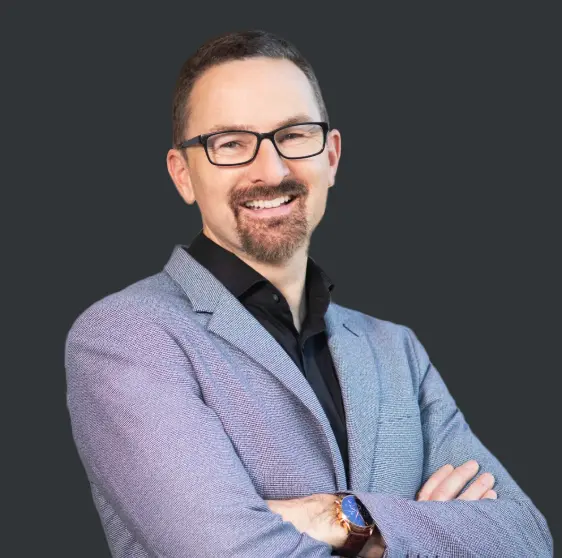
Karl Van Den Bergh Makes Marketing Answer a Harder Question
A physicist turned developer turned CMO, Karl Van Den Bergh has spent 25 years translating technical complexity into plans that boards, sellers and buyers can act on. His favorite instrument is not a grand manifesto. It is one page.

Sarah Hospelhorn Makes the Invisible Risks in Data Impossible to Ignore
A physics-and-literature graduate became a builder, product marketer, and CMO by learning the same lesson three times: technology matters only after someone makes its meaning clear.

Liz Shulof Has Spent a Career Making Complicated Technology Mean Something
Before she marketed the infinite power of logs, Liz Shulof spent 13 years turning a remote-support company and three acquisitions into one security story. Her career is a study in how patient relationships become corporate strategy.

Jamie Walker Learned to Live by a Number - Then Helped Keyfactor Reach $100 Million
A college basketball player turned door-to-door salesperson brought an athlete's stamina and a seller's respect for the scoreboard to cybersecurity marketing. At Keyfactor, that education met a five-year run from roughly $15 million to more than $100 million in recurring revenue.

Lital Asher-Dotan Has Spent a Career Turning Complex Systems Into Stories People Can Act On
Before she marketed autonomous security operations, Lital Asher-Dotan learned to command an intelligence shift, study living systems and open a consumer giant's doors to outside invention. Her career is a study in translation - from complexity to consequence, and from technical capability to a story a market can use.

Bill Oberman Markets the Invisible Machinery of Trust
After two decades selling everything from hospital systems to hospitality, Fischer Identity's chief marketing officer has found his sharpest subject: the quiet decisions that determine who gets through the digital door.

Meghan Mitchell-Marks Makes Cybersecurity Sound Human
After two decades of selling increasingly invisible technology, Axonius CMO Meghan Mitchell-Marks has learned that the hardest part of cybersecurity marketing is not creating more noise. It is making complexity clear without sanding away the truth.

Lisa Matherly Keeps the Customer in the Room
After two decades in cybersecurity marketing, Lisa Matherly still begins with the same deceptively simple move: listen closely, teach clearly, and let the customer shape what comes next.
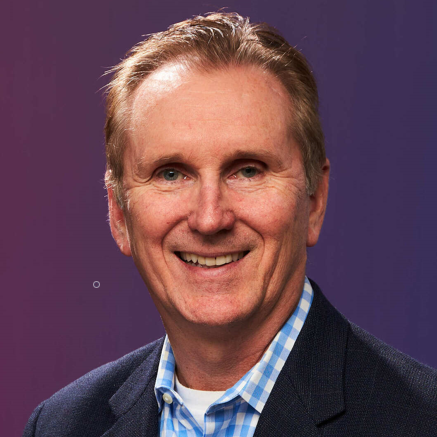
Dave Deasy Has Spent a Career Making Complicated Technology Easier to Choose
From e-commerce and online privacy to cybersecurity and live AI translation, Dave Deasy has built a career around one stubborn marketing problem: making sophisticated technology useful, legible, and worth adopting.

Joanne Wong Read the Fine Print - Then Rewrote the Rules
A lawyer crossed into technology, helped build a cybersecurity business across 25 Asia-Pacific markets, and carried one hard lesson about work and family into the way she leads.

Shay Mowlem Has Spent 25 Years Turning Complicated Software Into Clear Choices
From six schools in six years to the C-suite of enterprise software, Shay Mowlem built a career by translating complexity, choosing the team over the title, and keeping his attention on what happens in the real world.

Laura Marx Makes the Invisible Business of Identity Impossible to Ignore
She started by teaching tennis, built a global marketing career from outside the office, and now gives RSA's identity-security ambitions a human vocabulary. Laura Marx's subject is access; her method is connection.

Kevin Bobowski Keeps Marketing Close to the Customer
After an IPO, several acquisitions, and two decades in software, Kevin Bobowski still returns to one unfashionable advantage: staying close enough to customers to hear when the story has drifted.

Ben Gibson Built a Marketing Career One Human Connection at a Time
After three decades marketing the machinery of enterprise technology, Securonix CMO Ben Gibson still measures a career by the people who shaped it. The same discipline follows him from the campaign room to the swimming pool.
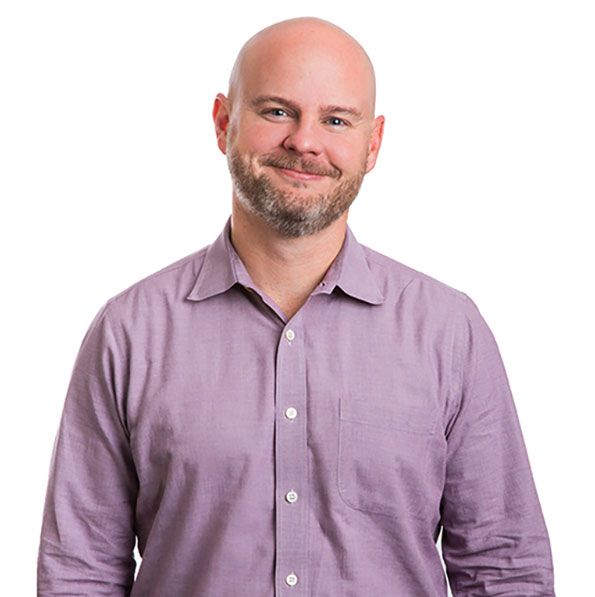
Scott Hogrefe Built a Security Brand Around the Most Useful Word in Business: Yes
He arrived before Netskope had a public story, left long enough to test another path, then came back to help turn security's oldest reflex - no - into a case for intelligent permission.

Joe Scotto Made Invisible Cyber Risks Impossible to Ignore
Across factories, hospitals and the human side of security, Joe Scotto built a career translating hidden cyber risk into stories that executives could see, measure and act on. Two startups he marketed were acquired within four years.

Thomas LeDuc Put Cybersecurity’s Invisible Defenders on the Big Screen
He helped take Semperis from a few million dollars in recurring revenue to centaur status. Then the Detroit-area CMO returned to filmmaking to tell the human story behind cyber defense.
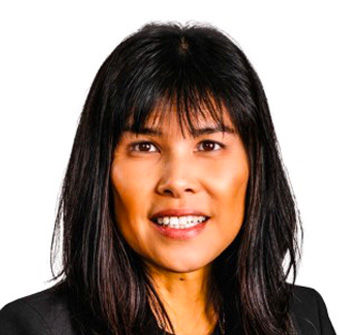
May Mitchell Built a Career on the Power of Three
A computer-science graduate wandered into sales, learned to make partners part of the plan and spent 25 years giving cybersecurity a language customers could use. At Qualys, her old rule still applies: choose three priorities, then move.

From Hoodies to Guardrails: David Howell’s Campaign to Make Cybersecurity Human
Across RSA, Raytheon, Forcepoint, ZeroNorth, ThreatX and now Legit Security, David Howell has spent more than two decades translating technical risk into a story people can act on. His latest brief is the industry’s newest puzzle: keeping AI-written software fast without letting security fall behind.