customer-support
(57)
The Chatbot Is Cheap Until Someone Has to Manage It
SleekFlow and tawk.to promise faster customer conversations with AI. The real contest is over who trains, checks and rescues the machine when the easy answers run out.

Your Support Queue Knows Who Will Churn
The Gainsight-Zendesk integration turns everyday support activity into shared context for customer success. Its real promise is not another dashboard, but a faster route from a warning signal to a human response.

KMS Lighthouse Puts the Answer Inside Zendesk
The integration brings governed enterprise knowledge into the ticket screen, giving support agents a faster route from customer question to approved answer without another tab.

Zendesk and Upland Split the AI Support Stack
Zendesk wants to own the road from question to resolution. Upland RightAnswers is betting that the most valuable piece can travel across every road a company already uses.

Document360 Turned Documentation Debt Into a $10M Business
Kovai.co built Document360 to solve its own documentation mess. The result is a useful lesson in turning neglected knowledge into customer infrastructure.

Knowmax vs Notion Is a Choice Between Answers and Workspaces
Not every knowledge problem needs the same kind of home. Knowmax turns approved support logic into guided resolutions; Notion turns team knowledge into a flexible, connected workspace.

Digital Adoption Moves the Manual Inside the Screen
Stonly, Whatfix, Salesforce and MadCap are competing to put reliable answers where work happens. Their tools reveal a harder truth: guidance only works when the underlying knowledge is kept clean.

Knowledge Base Software Is Having an Identity Crisis
Eight platforms promise one source of truth, but they are built for very different truths. The useful question is not which product ranks first - it is which workflow you need to make visible.

Knowledge Base Software Is a Workflow Decision
Microsoft, ServiceNow, Archbee, ScreenSteps, HubSpot and Nuclino can all hold an answer. The useful question is which one fits the work that creates, approves and uses it.

Knowledge Base Software Is Eight Different Products Now
Paligo, Confluence, Stack Internal, ProProfs, eGain, Shelf, Stonly and Bloomfire share a category - and almost nothing else. Here is how to buy for the work your team actually needs done.

HelpDocs vs Spekit Comes Down to Where Work Happens
HelpDocs publishes answers for customers; Spekit puts guidance inside a revenue team's workflow. The better choice depends less on feature count than on who needs the answer, where they look for it, and what should happen next.

Nobody Reads the Company Wiki. Now AI Reads It For You
Atlassian, Notion, Zendesk, Glean and a pack of rivals spent a decade helping teams write things down. The AI scramble of 2025 rewrote the job description - now the software has to read it all back.

Who Owns Your Company's Brain? Inside the Knowledge Base Wars
ProProfs, Slite, MadCap, and Intercom all sell the same promise - a single place for what your company knows. The AI era just turned that quiet market into a fight over who feeds the machine.

Capacity Wants to Make the Support Ticket Disappear
The St. Louis company raised more than $155 million, turned profitable at $60 million in annual recurring revenue, and is pitching itself as the AI layer that answers questions before a ticket is ever opened - a direct shot at incumbents like Freshworks.

KnowledgeOwl Turned 10 Without Ever Taking a Dime
For a decade this knowledge base company has grown on its own profits, answered only to its customers, and turned down every buyer. Here is how a small team with an owl mascot built a business the venture playbook says should not exist.
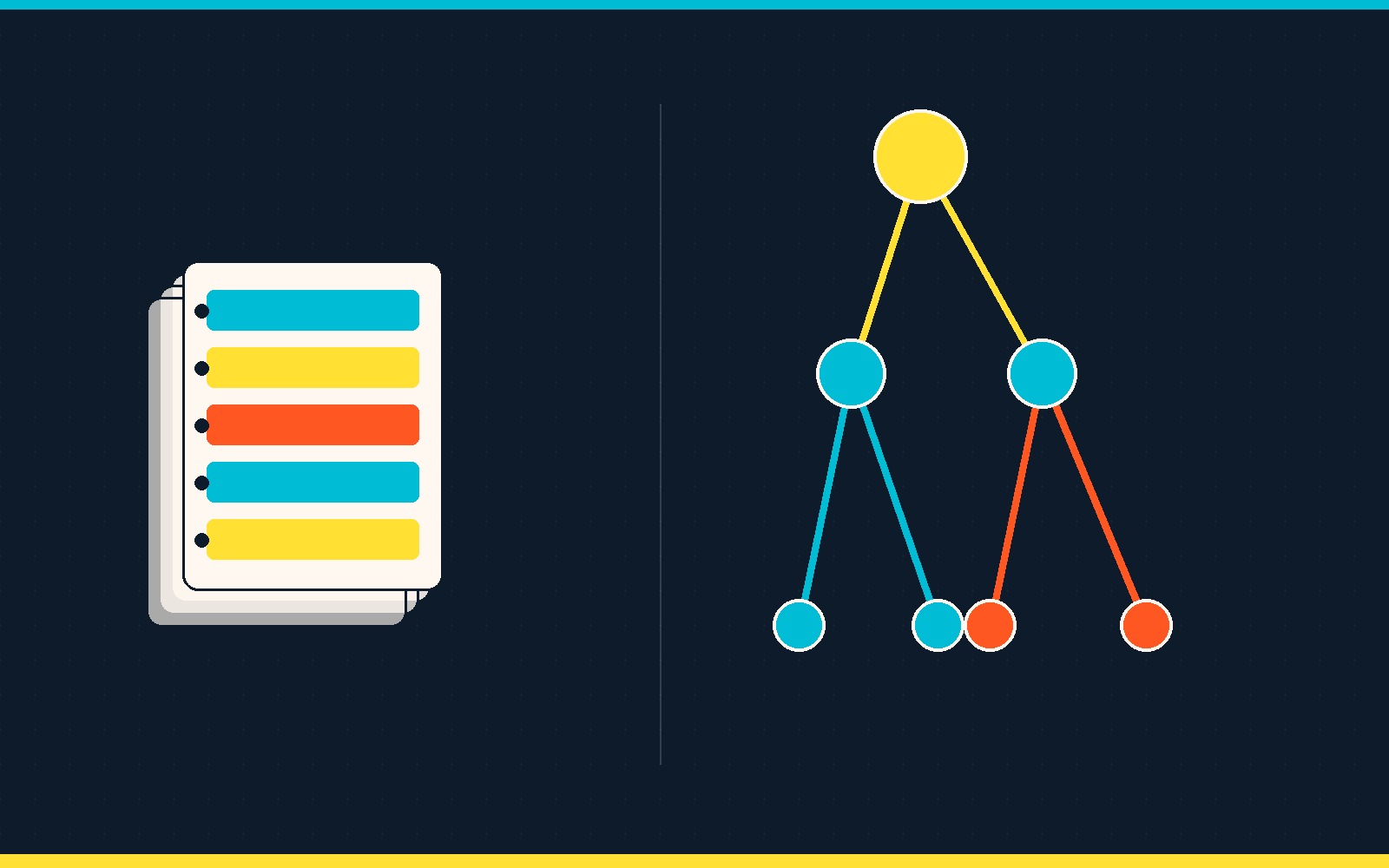
Stonly and Paligo Bet on Opposite Futures for Documentation
Two European software companies looked at the same broken help center and drew opposite conclusions. One rebuilt the article as an interactive guide. The other rebuilt it as reusable components. Here is how their bets differ.

Forumbee Turns Repeat Support Tickets Into a Public Answer
The San Francisco community software company has spent more than a decade on a quiet bet: the best help desk is a crowd of customers answering each other in the open.

AI Customer Service Agents Are Closing Tickets Without You
Intercom's Fin, Ada, Forethought, Gupshup, Five9 and Amazon are racing to build support agents that resolve tickets on their own. As the platforms buy up the startups, here is who does what - and where the real money is going.
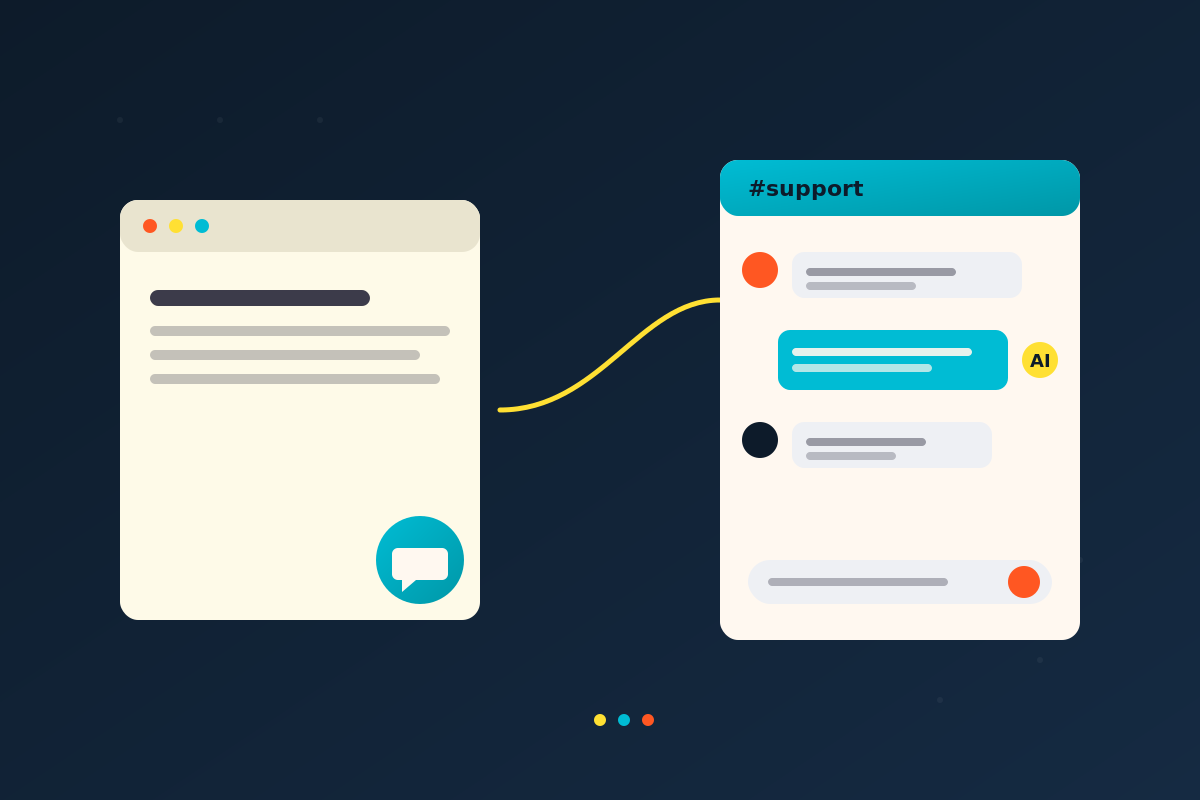
Social Intents Answers Your Customers From Inside Slack
A two-person, bootstrapped company in Atlanta built live chat that lives inside Microsoft Teams, Slack and Google Chat - and now lets ChatGPT, Claude and Gemini field most of the questions before a human ever looks.

tawk.to Gave Live Chat Away While Kustomer Chased a Billion
One company handed the world's most-used live chat to everyone for free and never raised a dollar. The other sold to Meta for a billion, got written down 75%, and had to start over as a standalone.
Six Live Chat Tools and the Bubble That Runs Your Website
HelpCrunch, WATI, Pure Chat, LivePerson, Rocket.Chat and Provide Support all sell the same small box in the corner of your screen. The differences between them explain how customer support quietly turned into a software industry worth billions.
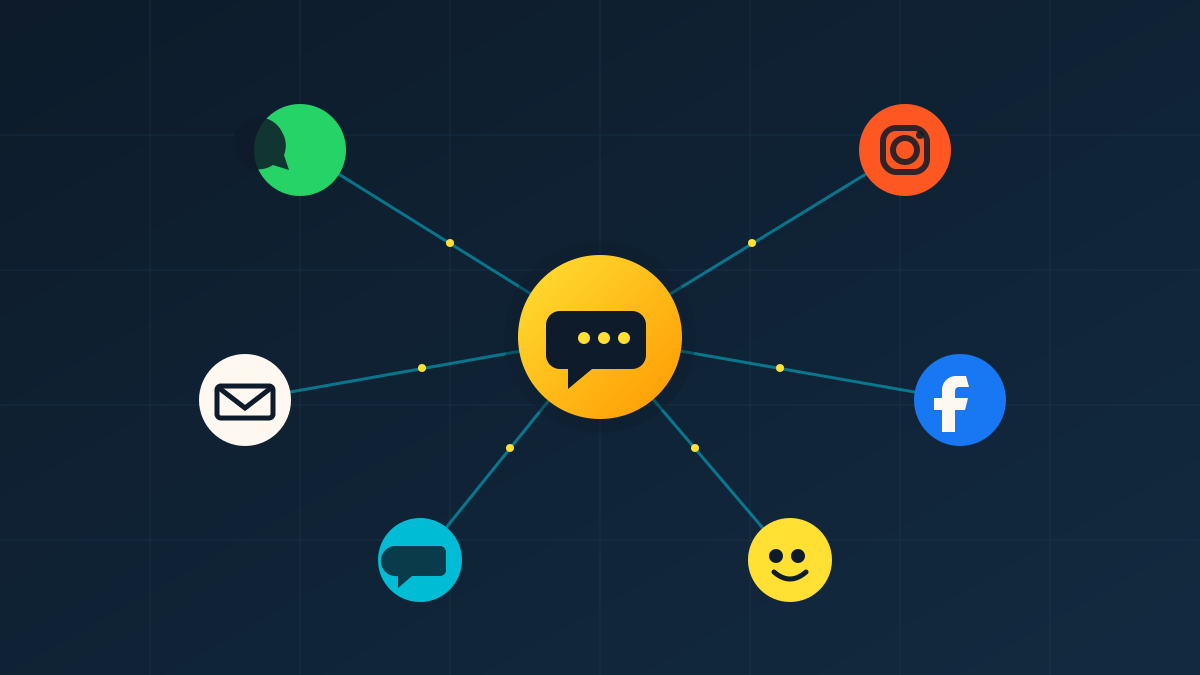
DelightChat Wants Your WhatsApp Inbox to Actually Make Money
Built by two Shopify plugin veterans, DelightChat is the omnichannel helpdesk trying to out-simple Chatwoot, Crisp and tawk.to for D2C brands who live inside WhatsApp.

LiveHelpNow Built a Chat Empire From a Basement, One Refund at a Time
Michael Kansky arrived from Ukraine in 1997 with two years of college and a knack for code. Two decades later his bootstrapped live chat company quietly serves thousands of businesses - and never took a dollar of venture money.

Live Chat Software Grew Up and Learned to Sell
Eight companies - from a free widget called tawk.to to Salesforce's new AI seller Piper - are fighting over the little box in the corner of your screen. The chat bubble stopped answering questions and started closing deals.

Social Intents Runs Live Chat From Inside Slack and Teams
The bootstrapped live chat company skips the separate support dashboard entirely - routing website chats, WhatsApp and SMS into Microsoft Teams, Slack and Google Chat, for a flat $39 a month with unlimited agents.

Smartsupp Turned a Brno Chat Widget Into Europe's Sales Sidekick
Founded in 2013 above a lecture hall at Brno University of Technology, Smartsupp built a live chat that quietly runs on tens of thousands of European online stores - and now ships an AI shopping assistant named Mira.

LiveAgent: The Slovak Help Desk That Quietly Serves 150 Million People
Built in 2004 by Quality Unit to fix its own inbox, LiveAgent now runs customer support for more than 40,000 companies from offices in Bratislava, Kyiv and New York - without a cent of venture money.

Birdeye vs tawk.to and What Free Live Chat Really Costs
Birdeye bundles reviews, listings and messaging into one paid platform; tawk.to gives live chat away and charges only for the extras. Here's how to choose without paying for the wrong thing.
Provide Support Skipped the AI Race to Keep Live Chat Simple
While LivePerson chased conversational AI and Fortune 500 contracts, this quiet New York shop has run the same unlimited-chat, all-features-included live chat since 2003 - and more than 10,000 customers still pay for it.

Free Live Chat Software Is the Cheapest Salesperson You'll Hire
Six tools - Tidio, Chaport, Rocket.Chat, ProProfs, Provide Support and GoDaddy - give away the little chat bubble that turns idle browsers into buyers. Here is how their free tiers actually stack up.