customer-experience
(94)
CCaaS Migration Has a Two-Platform Problem
The cutover gets the applause. The months running legacy and cloud contact centers together deserve the plan. Here’s how to divide traffic, preserve customer context, and leave the messy middle on time.

Contact Center Mobile SDKs Need a Harder Audition
Your support SDK becomes part of your app’s reputation. Put UJET, Zendesk and Intercom through six practical tests before you put one in your customers’ hands.

Cost per Contact Is Quietly Costing You Customers
A cheap interaction can be an expensive failure. The contact center’s favorite metric stops counting precisely where the customer relationship starts to matter.

Your AI Agent Is Failing Quietly
The most dangerous contact-center failures do not crash. They complete the wrong task, lose the customer, and report success—unless you instrument the system to see what the dashboard misses.

Build a CFO-Ready CX Business Case in 30 Days
A month is enough to turn contact-center friction into a finance-grade case—if you measure first, translate every CX win into dollars, and invite the CFO to challenge the math before the meeting.
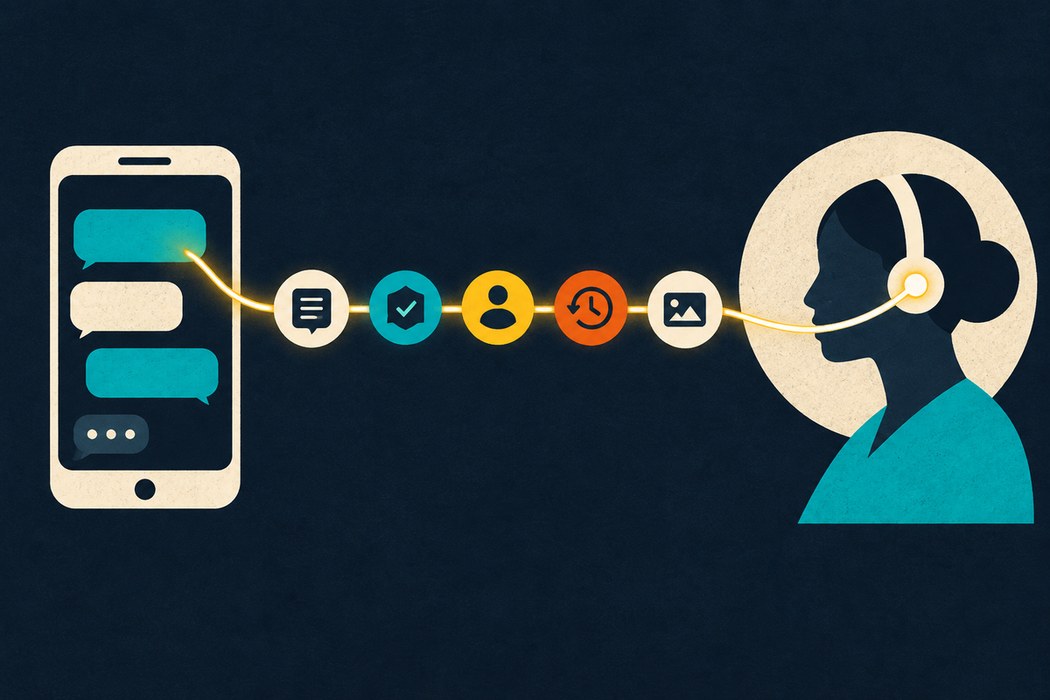
The Chat-to-Voice Handoff Stress Test
A support platform can promise omnichannel everything. The real test is what reaches the agent when a chat becomes a call—and whether the customer has to tell the story again.

The Acquisition Hangover in Your Contact Center
CCaaS acquisitions buy breadth fast. They can also leave seams in data, workflows and support—making a platform’s family tree a surprisingly useful buying guide.

Your Contact Center Dashboard Is Grading the Wrong Test
Alvaria and UJET can both report the contact center basics. The meaningful choice is whether leaders need deeper workforce control or a clearer line from each conversation to customer and business outcomes.

Your Feedback Stack Is Making the Questions Harder
Mopinion, Dovetail, Lyssna and PostHog each remove a different kind of research friction. The right choice depends less on feature count than on where evidence enters your team, who must find it and what decision comes next.

Virtual Agent or Chatbot? Make It Pass These Four Tests
The label is cheap. Four practical tests reveal whether support AI can act, remember, escalate and hand a human the full story.

Your Contact Center Is Quietly Asking to Be Replaced
The warning signs rarely arrive as one spectacular failure. They show up as extra tabs, stalled AI pilots, spreadsheet reporting and channels that still cannot carry a customer's context.

Your Contact Center Is Telling You to Leave
The loudest warning signs are not missing features. They are the daily workarounds that reveal a platform built for another era—and a bolt-on architecture that cannot keep up.

Sentiment Is a Thermometer. Root Cause Is the Diagnosis
A mood score can tell you the customer is upset. It cannot tell your product team what to fix—or stop the next avoidable contact from happening.

The Contact Center Migration Checklist Nobody Can Skip
The dangerous parts of a contact center move are rarely hidden in the new platform. They are hiding in the old one—inside forgotten integrations, inherited routing rules and promises nobody thought to write down.

Your Feedback Stack Has Three Jobs, Not One
Feedier, Survicate, Medallia, Mopinion, Aurelius, and Aha! solve different parts of the same problem. The smart choice starts with finding where customer evidence breaks down in your workflow.

Canny vs Kapiche Is a Choice About What Feedback Becomes
Canny helps product teams decide what to build; Kapiche helps CX leaders understand what customers are saying at scale. The overlap is real, but the operating jobs are different.

Customer Communication Software Is Splitting in Two
The platforms all promise personal, omnichannel communication. The useful distinction is whether a team needs to react to behavior now or produce a message it can defend years later.
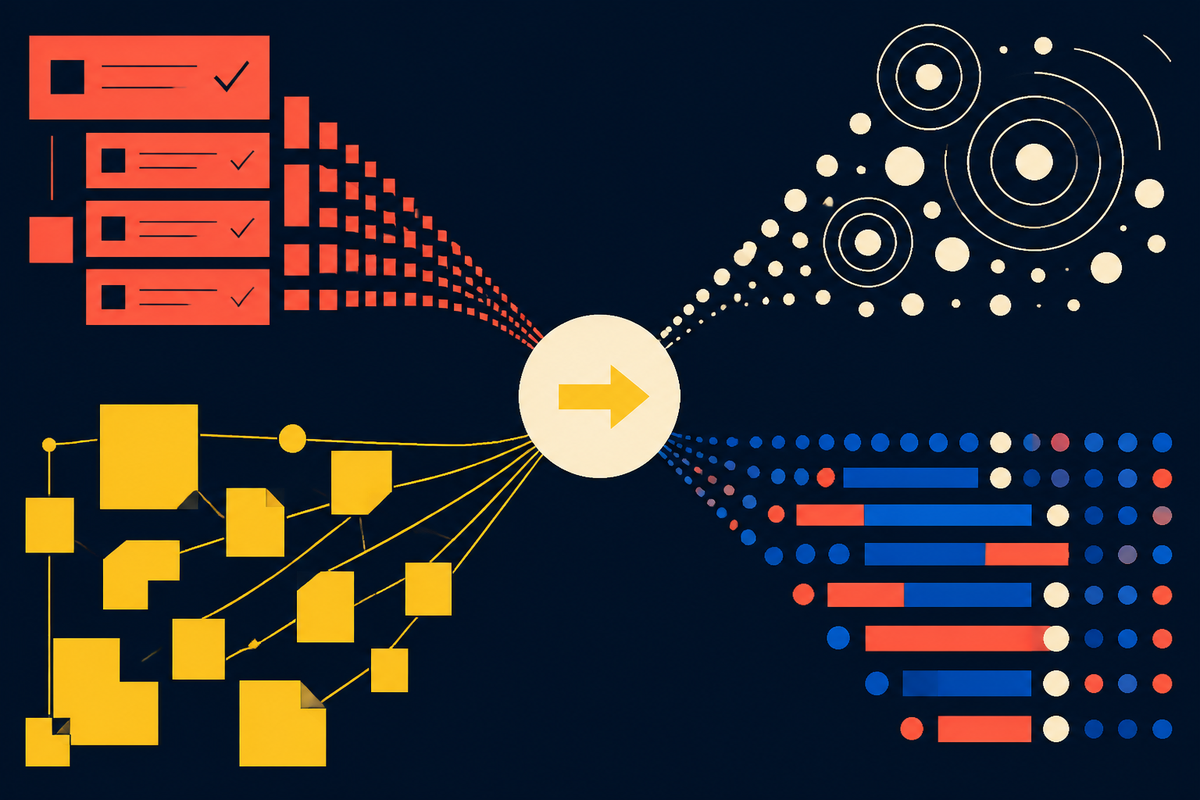
Four Research Tools, Four Very Different Jobs
Feathery, InMoment, Dovetail, and QuestionPro all promise a clearer view of the customer. The useful question is not which one wins, but which job your team actually needs done.

Four Feedback Platforms, Four Very Different Jobs
Survox, Simplesat, Zonka Feedback and Medallia all promise a clearer customer signal. The useful question is not which has the most features, but which kind of feedback operation you are actually trying to run.

Customer Feedback Tools Have a Placement Problem
The smartest survey stack starts with where the question belongs. Eight very different tools show why timing, channel and follow-through matter more than a longer feature list.

Six User Feedback Tools for Six Different Jobs
Survox, Sprig, Typeform, Zonka Feedback, Lyssna and Qualtrics all collect answers, but they solve different research problems. The useful question is not which tool wins - it is where the evidence needs to appear.

Four Feedback Tools, Four Very Different Jobs
Nicereply, UserTesting, Zoho Survey and Jotform all collect feedback. The useful difference is when to use each one - and what kind of truth each can actually reveal.
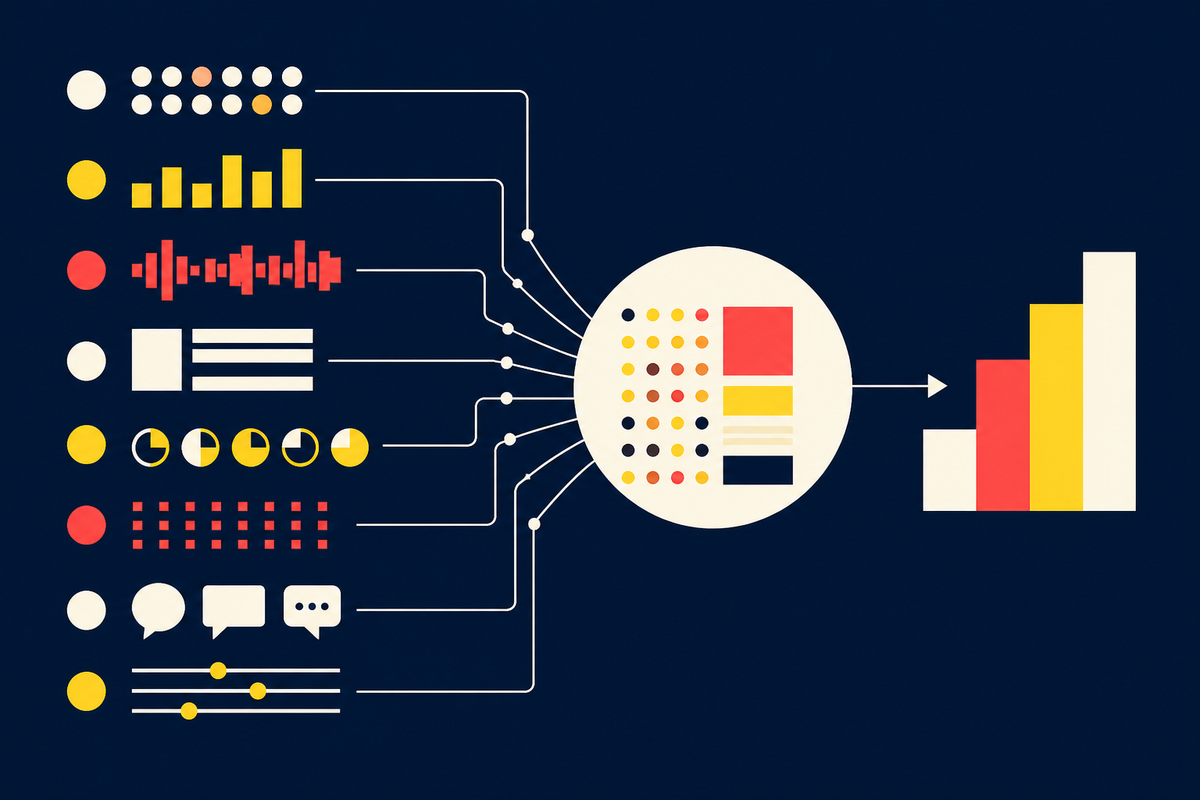
Eight Feedback Tools and the Questions They Actually Answer
Customer feedback software is not one category but a chain of evidence. Here is where UserTesting, Simplesat, Contentsquare, Voxco, Jotform, Formstack, Qualtrics and Zoho Survey fit - and where they do not.

Six Customer Success Tools Rewriting the Post-Sale Playbook
Stonly, Cast, ZapScale, Usetiful, Kaizan and Userpilot reveal how customer success is splitting into a stack of guidance, intelligence and action.

The Feedback Economy Just Lost $5 Billion
Formstack quietly rebranded to Intellistack. Medallia handed its owners a $5 billion loss. The business of capturing what customers and employees tell you is being repriced - and AI is doing the repricing.

Customer Feedback Software Split Into Four Very Different Bets
UserVoice, InMoment, Mopinion and Aurelius all promise to capture what customers think. They just disagree, completely, on what a company should do next.

How Four AI Tools Turn Customer Griping Into Roadmaps
Pendo, Idiomatic, Keatext and Zonka Feedback all promise the same thing - that the pile of reviews, tickets and survey replies your customers leave behind can become a to-do list. Here is how the category actually works, and where each tool fits.

Customer Feedback Software Has a Split Personality
Two Australian startups, Userback and Kapiche, sit at opposite ends of the same problem: one makes feedback easy to capture, the other makes it possible to understand. The gap between them is where most companies get stuck.
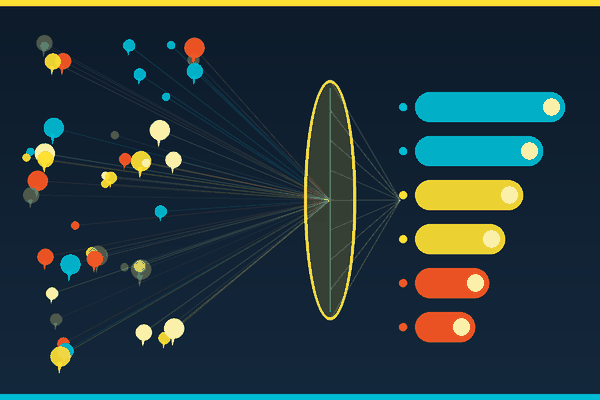
The Race to Turn Customer Complaints Into a Product Roadmap
Eight companies, from scrappy startups to a $6.4 billion giant, are betting they can read every angry review, support ticket and feature request faster than your product team ever could. Here is how the feedback-intelligence market actually shakes out.
The Most Valuable Real Estate in Business Is Your Email Footer
Exclaimer manages 20 billion email signatures a year; Zonka Feedback turns "how did we do?" into data. Two companies, one bet - that the touchpoints most businesses ignore are the ones customers actually read.