commercial-real-estate
(80)
The Token Was Never the Property
Jointer tried to turn commercial property into something you could buy by the dollar and leave by the click. The twist was realizing that a digital deed was not enough - liquidity had to be designed as the product.

The Agency That Survived the Press Release
R&J began when a press release still traveled by mail. Forty years and five identities later, the New Jersey agency has learned a useful trick: treat every good story as a system, not a stunt.
Akrete Put the Grown-Ups Back in the Room
The Evanston agency found a defensible corner of public relations: difficult subjects, senior operators and a work model built for adults. Its real product is not publicity. It is usable clarity.

Idea Hall makes good causes harder to ignore
A water-wasting mascot, a century-old nonprofit and a coalition of 200-plus partners reveal how this California agency turns complicated missions into something people can understand - and act on.

Innovestor puts venture capital on the roof
The Finnish investment manager connects startup funding, commercial property and battery storage. Its wager: owning more of the route from invention to everyday use can make each investment more useful.

Pioneer Group wants your biotech to outgrow its first lab
The science-campus operator pairs laboratory space with business coaching and early investment. Its bet: helping tenants build better companies makes better property, too.
Workie started with 15 seats. The night shift came first.
An Indore office operator built its business around the unglamorous work of keeping other companies running. Its expansion shows why managed offices sell more than a place to put a laptop.
Green Street puts a price on the property market’s blind spots
Buildings trade slowly. Opinions travel fast. Green Street has spent four decades connecting the two, selling investors a more informed view of what real estate is worth.

Schnitzer Properties Thinks Big by Making Room for Small Business
The family-owned landlord has built a Western real estate business around companies that need room to make, mend and move things. Its wager: smaller industrial tenants are worth the extra work.

Domain’s A$3 billion deal came with a new floor plan
CoStar bought Australia’s property challenger, then started clearing space. Domain’s next chapter puts richer listings, 3D home tours and a narrower business at the centre of the contest for buyers and agents.
Buildout Spent 16 Years Turning CRE’s Messy Tech Stack Into One Deal Machine
Commercial real estate runs on relationships - and an alarming number of spreadsheets. Buildout’s answer is a connected system that carries one deal from the first owner search to the final commission check.

The $149 Gatekeeper Standing Between 5 Million Apartments and a Bad Contractor
NetVendor built a business around the least glamorous risk in real estate: the contractor whose insurance looked fine last month. Its wager is that compliance should stop bad work before it starts - not explain it after the claim.

The Law Firm That Built a Business Around the Moment Construction Gets Complicated
Singleton Reynolds made a specialist bet in 1982: learn how projects break, then help clients stop the breakage earlier. Four decades later, that narrow opening has become a national practice spanning contracts, risk, arbitration and the courtroom.
Nesto Started as a Mortgage Website. Then It Bought the Plumbing Banks Need.
The Montreal fintech discovered that a clean interface could not fix a mortgage process it did not control. So it became the lender, the servicer and the software supplier - then bought a 50-year-old institution to give the machine scale.

Elmington Built a Housing Machine. Now It Has to Prove the Machine Can Keep Homes Affordable.
The Nashville firm turned recession-era opportunism into a vertically integrated housing business. Its next test is harder: making public-private affordability work at city-shaping scale.

RRA Capital Waited for Banks to Say No - Then Originated $2.46 Billion in CRE Loans
The Phoenix firm began by cleaning up other lenders' real-estate mistakes. Its more useful trick was knowing when not to buy - and when to turn that workout education into a nationwide bridge-loan business.

The $41 Million Closing Machine Hidden Inside Your Home Deal
OS National turned the least photogenic part of real estate - title, escrow and settlement - into a national operating system. Then a three-year customer paid $41 million to bring the machinery in-house.
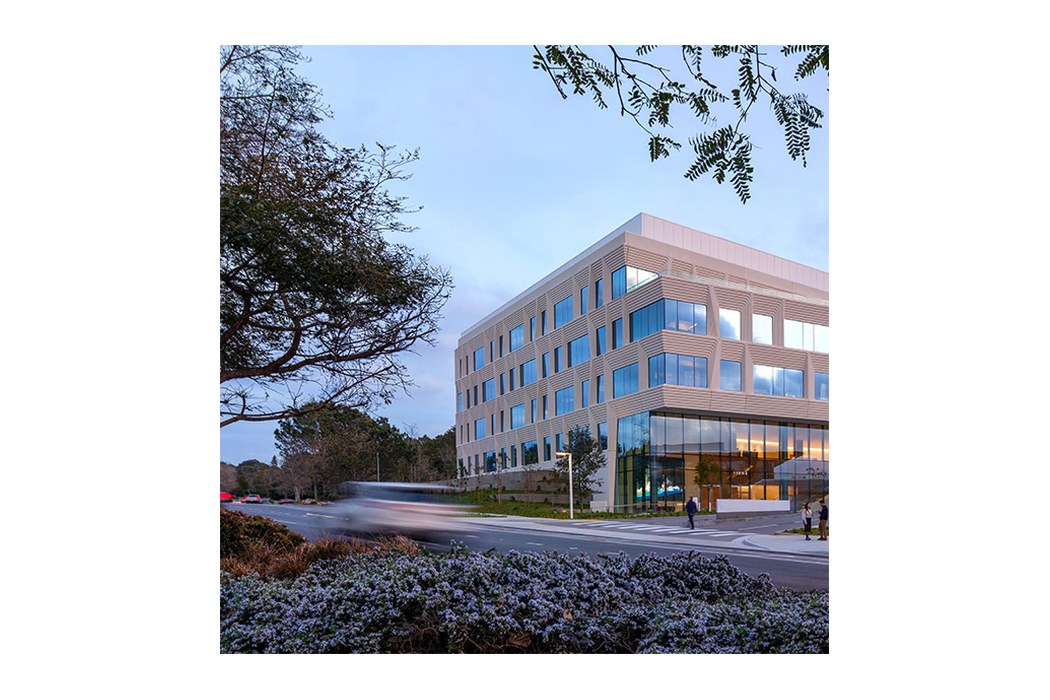
Breakthrough Properties Put Biotech People in the Landlord's Chair - Then the Lab Boom Broke
A $3 billion fund, six million square feet and one useful insight: scientists should not have to teach their landlord how a lab works. Now a sector-wide glut is testing whether Breakthrough's hospitality-heavy, biotech-native model can earn its keep.

The Land Nobody Wanted in 1991 Is Now a 1.8-Gigawatt Bet
Leon Backes started Provident by buying land nobody wanted from failed savings-and-loans. Thirty-plus years and $7.5 billion later, the same patient-money playbook is building a 5,000-acre town and one of Texas's largest data center campuses.

The Appraisers Who Got Tired of Their Own Software Built a Better One
Four appraisal veterans spent six years quietly building the tool they wished existed, bootstrapped it to profit, then raised money only after the customers showed up. Here is how Valcre turned the industry's most tedious paperwork into software.
The Broker Who Turned Triple-Net Real Estate Into a Trading Floor
Camille Renshaw sold a tech startup, bought net-lease buildings, and got bored waiting three weeks for a comp. So she built the exchange she wished existed - and used it to move $324 million of Cabela's stores.

SimonCRE Is Betting $500 Million That Retail's Ugly Spreadsheet Can Still Be Beaten
New shopping centers are expensive, slow and unfashionable. SimonCRE's answer is a short ownership clock, municipal dealmaking and the stubborn belief that a good Target can still rearrange a town.
arbnco Spent 14 Years Teaching Buildings to Confess - Then the Meter Company Bought It
Landlords do not lack net-zero promises. They lack clean energy data and a sane way to decide which boiler, roof or lease problem to tackle first. arbnco built that decision layer - and in July 2026, IMSERV bought the missing piece between the meter and the retrofit plan.
The $1 Trillion Marketplace Trying to Make Commercial Real Estate Move Like Software
Crexi began with a broker's frustration at fax-era dealmaking. A decade later, it is pairing a national property marketplace with data, auctions and AI tools designed to turn days of commercial real estate preparation into minutes.

The Raleigh Holding Company Building a Wellness Stack in Plain Sight
MDO Holdings started with a gym and grew into something harder to label: part operator, part investor, part landlord. Its most revealing product may be the connective tissue between the businesses it owns.

The Real Estate Fund That Still Believes in the Telephone
Patriot Holdings built a national portfolio from an old-fashioned edge: call property owners, understand the awkward problem behind each sale, then operate the asset yourself. Its bet is that boring buildings can become a durable wealth machine when the buyer answers the phone and stays for the hard part.

The Strip Mall That Keeps Paying: Inside REZO’s Rezidual Relationship
Tony Nguyen turned the monthly rent from seven Houston shopping centers into a thesis: ordinary commercial property can buy back an investor’s time. REZO packages that thesis as a relationship-first private-equity platform for accredited investors.

Cottonwood’s Billion-Dollar Bet on Being the Lender Who Can Take the Keys
Cottonwood built a real-estate credit machine with an unusual promise: if a complicated loan turns into a complicated building, its team can keep working. A $1 billion special-situations strategy is now testing that premise across data centers, housing, logistics and mixed-use projects.

The Hotel Operator That Thinks Like a Software Engineer
JNR Management buys complicated hotels, fixes the physical asset and rewires the operation behind it. Its edge is less about a flashy brand than a repeatable system for making many properties behave like one business.

The Guy Who Got Paralyzed, Then Turned Storage Units Into a $350M Machine
AJ Osborne was paralyzed and on life support in his mid-30s. The storage units he owned kept paying his family the whole time. Cedar Creek Capital is what he built next.