commercial-real-estate
(37)
Sandra Carvalho Is Teaching Commercial Real Estate to Move at the Speed of Ambition
After a career translating technology at IBM, Bloomberg, Technicolor, CoreLogic and Xperi, Crexi's CMO has a new brief: make commercial real estate's hidden advantages available to more people.

Kevin Berkemeyer Is Turning Every Building Into an Energy Decision
The Station A co-founder spent years watching viable clean-energy projects stall in spreadsheets and sales cycles. His answer is a marketplace built around a deceptively simple input: an address.

Emily Kehinde Built Her Way From Change Management to the C-Suite
Before she led a global brand, Emily Kehinde learned how organizations absorb change. Her rise at Cushman & Wakefield shows why the modern marketing job belongs as much to builders and translators as it does to storytellers.

Joseph Thalinjan Is Rewriting the Most Stubborn Date in Business: The First
The former McKinsey consultant found a calendar problem hiding inside commercial real estate. With RentFlow, he is building a payment layer for businesses whose revenue refuses to arrive on schedule.

Jean-Michael Diei Lost Ten Bidding Wars. Then He Taught AI to Read the Deal Room.
After cash buyers beat him to property after property, the machine-learning engineer stopped refreshing listings and started writing code. PropRise grew from that private advantage into an AI workflow for commercial real estate teams.

Diego Leiva Has Spent Five Decades Reading What Comes Next
From a 1966 arrival in New York to a public telecommunications company and a second act in Florida land, Diego Leiva’s career is a study in translation - between countries, industries, and the numbers beneath an opportunity.
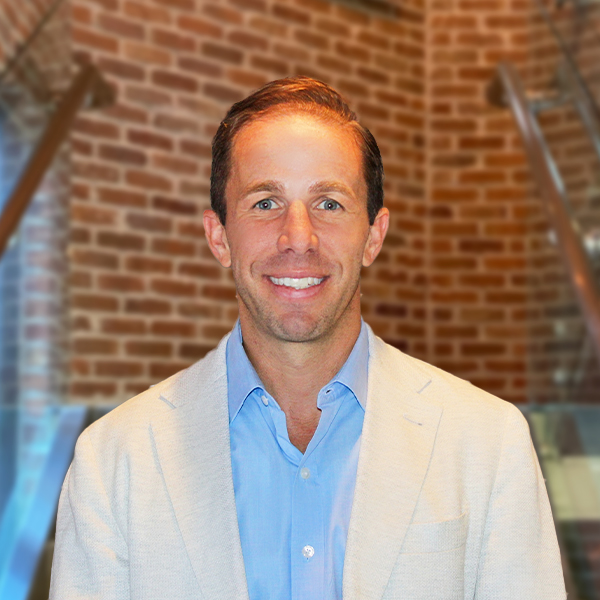
Joshua Simon Bet on the Strip Mall. Then He Made It a Community Strategy
He started SimonCRE in a bruised market with no outside equity. Sixteen years later, Joshua Simon is still making the unfashionable case that physical retail is civic infrastructure with a cash register.

Camille Renshaw Put a Trading Screen on the Strip Mall
She learned to code in seventh grade, bought property with the proceeds of a startup sale, then returned to software with a sharper question: why should commercial real estate feel less transparent than a stock market?
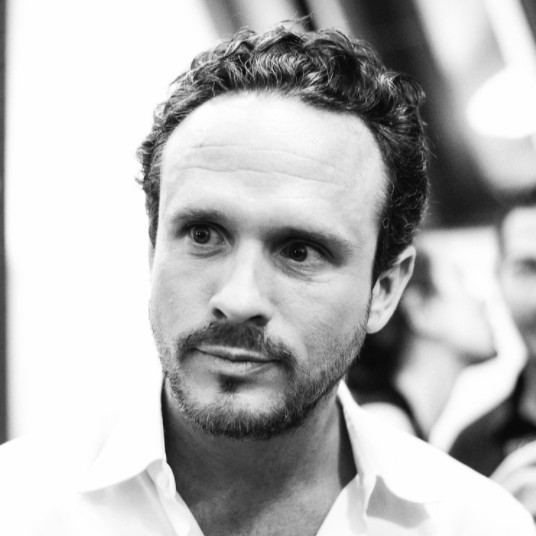
Christophe Garnier Wants to Delete the Empty-Desk Tax
After mobile ads, a bruising e-commerce collapse and a coworking detour, the Upflex co-founder found his durable idea in real estate’s least glamorous fact: paid-for desks sitting empty.

Dan Belldegrun Is Building the Rooms Where Science Happens
The Breakthrough Properties co-founder has made a career out of an overlooked biotech constraint: before researchers can change the world, somebody has to build a laboratory that actually works.

Michael DeGiorgio Put Commercial Real Estate on the Screen - Without Taking the Broker Out of the Room
A drink with a mentor became a resignation six weeks later, then a nine-month build in a Venice house. A decade on, Michael DeGiorgio is still pursuing the same unfashionably practical idea: better software should give real-estate people more time to be human.

Boots Dunlap Built a Lending Career by Walking Toward the Mess
From combat leadership to post-crash loan workouts, the RRA Capital co-founder has made a practice of entering difficult markets with clear eyes, patient capital and a bias toward strong teams.

Jeff Carter Did Two Years of Homework Before He Lent a Dollar
A portfolio analyst turned developer studied private lending for two years, found the gap banks left open, and built Grand Coast Capital around speed, structure and aligned incentives.

Lucas Rotter Started as an Appraisal Trainee. Then He Rebuilt the Desk.
He learned commercial real estate one report at a time, spent six years building valuation technology inside Colliers, then bet that appraisers deserved software shaped around their judgment. Valcre is the result - and so is his product-first philosophy of leadership.
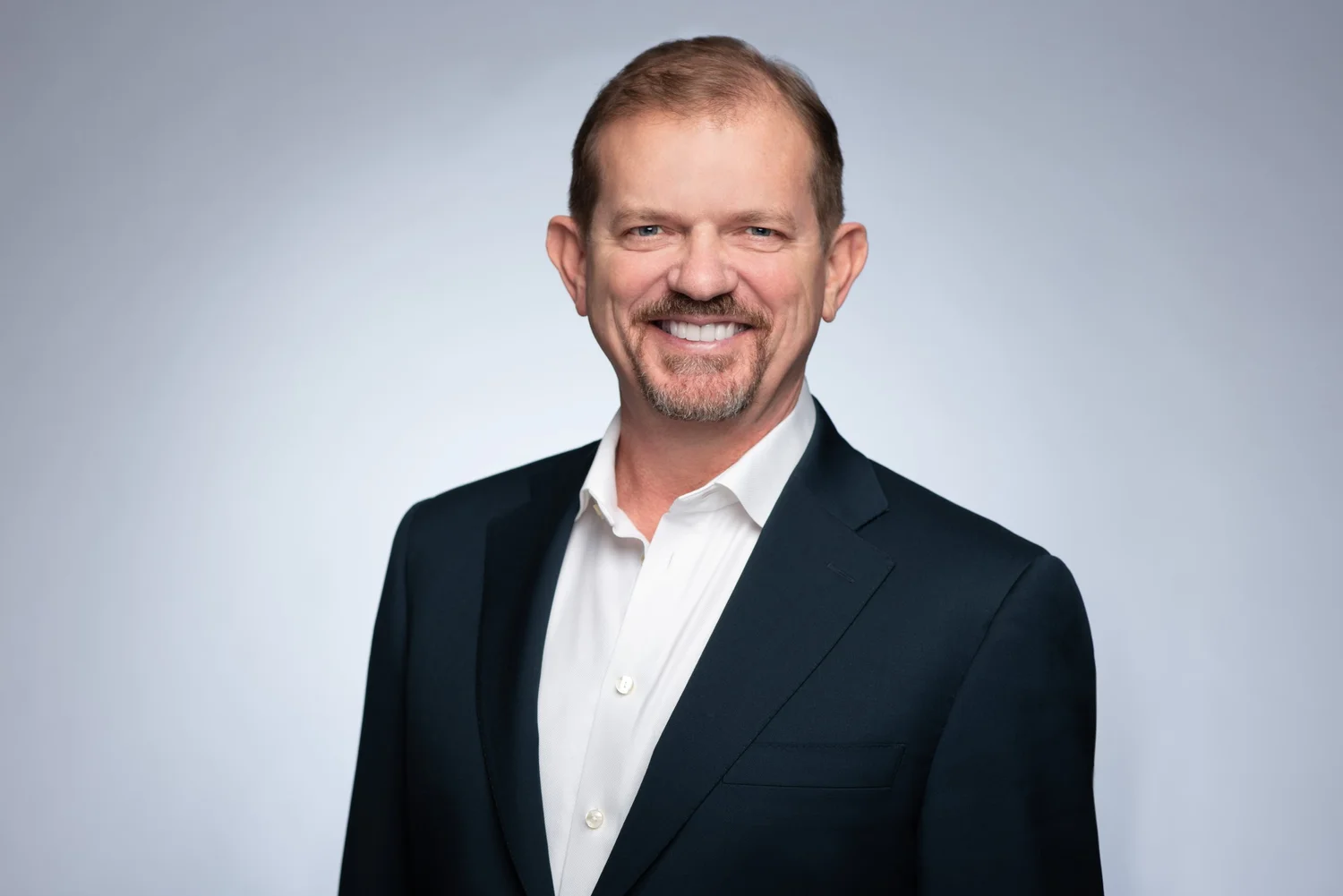
Leon Backes Builds Real Estate Like He Paints: One Layer at a Time
A $3 drawing prize, an orange Volkswagen Rabbit and a nearly 10-foot easel all belong to the same career. The founder of Provident has spent four decades turning patient land bets into places - and treating every plan like a composition still in progress.

Christelle Rohaut Is Teaching Offices to Run Themselves
The urban planner behind Codi has spent eight years following one stubborn question: why do cities make people and spaces work so hard to find each other? Her answer has evolved from neighborhood desks to software that orders the oat milk.

Siddharth Taparia Is Making Real Estate Marketing Answer to the Numbers
At JLL, an engineer-turned-CMO is treating trust as an asset, AI as a working tool, and marketing as a discipline that should be able to show its math.

Angie Leccese Is Selling the Story Behind the Square Footage
The Chief Marketing Officer at Newmark spent a career learning that in commercial real estate, the deal closes on the story - not the spreadsheet.
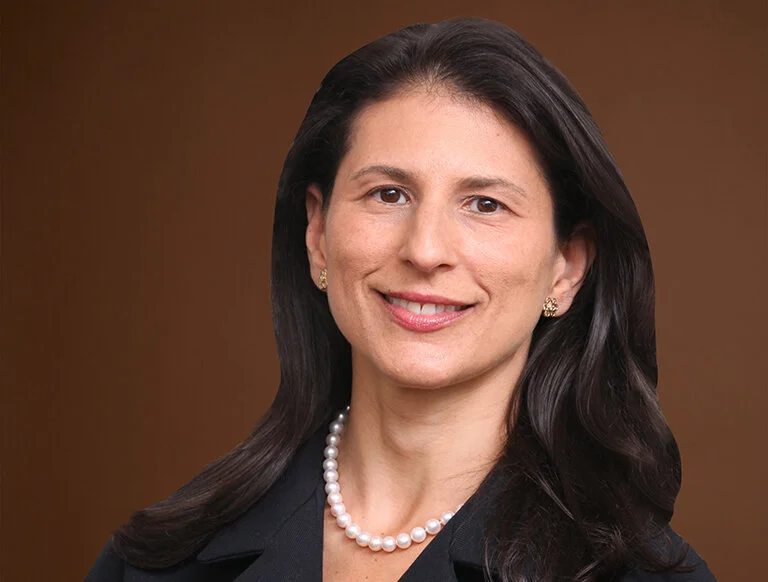
Benji Baer
At CBRE, Benji Baer turned a career spent marketing financial products into a mandate to make real estate legible, measurable and culturally relevant. Her method joins brand ambition to operational accountability - with room for grit, flexibility and the people doing the work.

Chase Garbarino
Chase Garbarino is the co-founder and CEO of HqO, a Boston-based proptech company whose software helps commercial landlords manage the tenant and workplace experience across hundreds of buildings worldwide. Before HqO, he built and sold Streetwise Media, the company behind local innovation-news brands like BostInno and AmericanInno, and later founded VentureApp. A lifelong Boston sports fan and runner with an entrepreneurial streak going back to reselling Pogs in fifth grade, Garbarino has spent more than a decade using technology to build networks and communities for startups, small businesses, and now the commercial real estate industry.

Donglai Du
Donglai Du is the co-founder and CEO of Spacesforce (空间原力), a Chengdu-based proptech company building SaaS and IoT tools that help commercial real estate operators manage leasing, projects and assets from one cloud platform. A Columbia University-trained real estate developer and former Vanke investment analyst, he started Spacesforce around 2018 to move asset management away from spreadsheets and manual work toward data-driven operations. The company has served office buildings, tech parks and co-working brands across cities including Chengdu, Beijing, Shanghai, Suzhou and Guiyang.
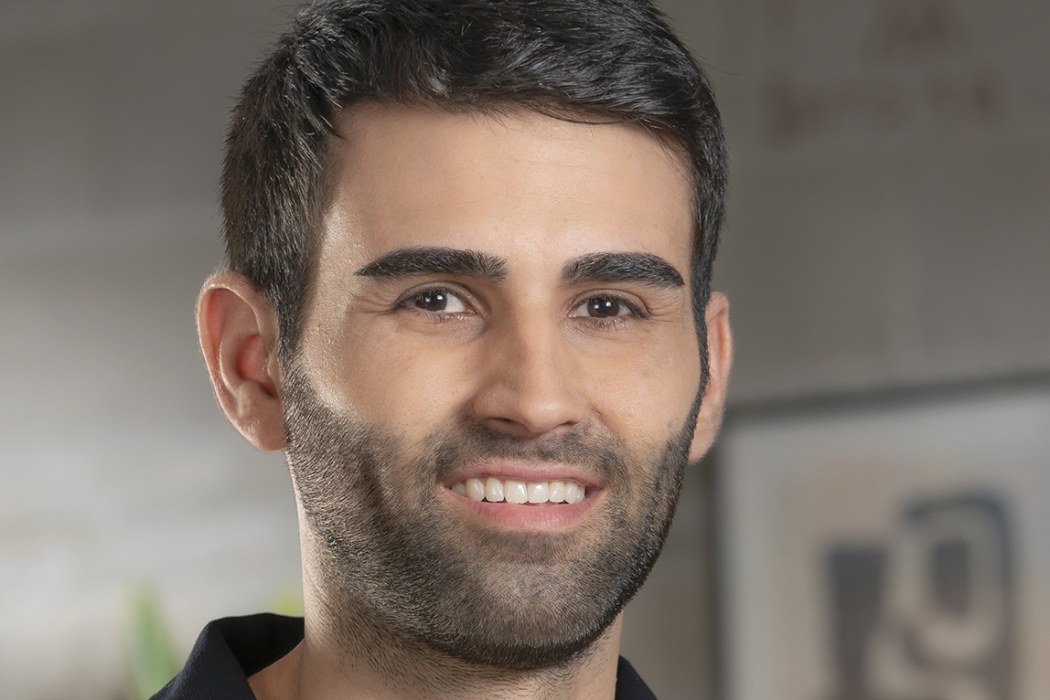
Itay Oren
Itay Oren is the co-founder and CEO of Visitt, an AI-native property operations platform for commercial real estate. He started the company in 2017 after working in business development for real estate firms in Israel, where he saw first-hand how fragmented and outdated building operations software had become. Under Oren, Visitt has grown to more than 150 customers across 310-plus cities and 10,000 properties, positioning itself as an early mover in embedding AI directly into the day-to-day work of property teams. In January 2026 the company raised a $22 million Series B led by Susquehanna Growth Equity to build what Oren calls a single AI interface for CRE operations.

Katharine Lau
Katharine Lau is the CEO and co-founder of Stuf, a tech-enabled self-storage company that turns underused space inside commercial buildings into neighborhood storage. She started Stuf in New York in 2020 after a pandemic spring-cleaning session exposed how clunky and inconvenient traditional storage had become. Before Stuf, Lau led real estate growth at the shared-workspace company Industrious and worked across institutional and proptech real estate. Stuf has raised roughly $12.8 million, including an $11 million Series A in 2023, and operates in major U.S. metros from New York to Seattle.

Michael Mandel
Michael Mandel is the co-founder and CEO of CompStak, a New York-based commercial real estate data platform that crowdsources lease and sale comparables from brokers, appraisers, and researchers, then sells verified analytics to landlords, lenders, and investors. A former Grubb & Ellis broker who got tired of chaotic Monday-morning comp-swaps, he launched CompStak in 2012 with Vadim Belobrovka and has since raised roughly $89M and built a national platform used across every major U.S. market.
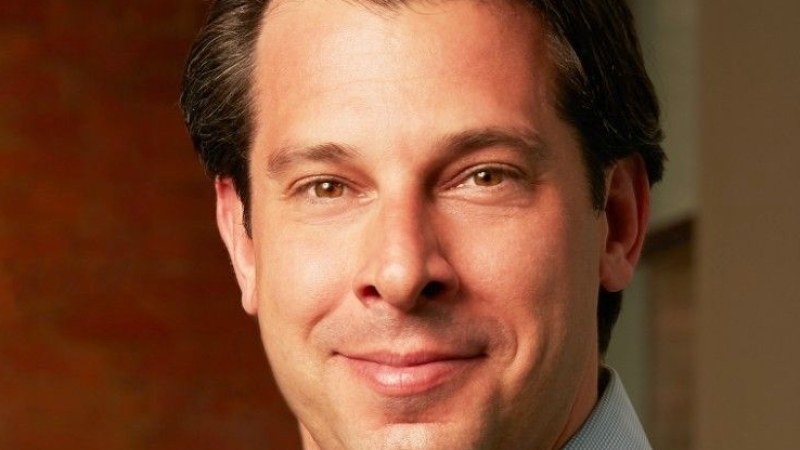
Nick Romito
Nick Romito is the co-founder and CEO of VTS, the commercial real estate leasing and asset management platform based in New York. A former broker who rebuilt the tools he wished he had as a tenant rep, he grew VTS from a demo tape of office space walk-throughs into a system of record used across billions of square feet of global CRE.

Yaakov Zar
Yaakov Zar is the founder and CEO of Lev, a New York company rebuilding how commercial real estate gets financed. He started Lev in 2019 after watching a $4 million loan crawl through six months of email, faxes and paperwork - and decided a $200-billion-a-year industry running on 1990s process deserved better software. Lev began as a tech-enabled brokerage connecting borrowers to nearly 10,000 lenders, raised more than $200 million, then pivoted into an AI-powered CRM and agentic workflow platform for brokers, lenders and sponsors. Before Lev, Zar co-founded Dispatch, a workforce platform sold to Vista Equity Partners in 2018.

Perry Gershon
Perry Gershon is the CEO of FTN (For The Numbers) Network, the fantasy-sports, sports-betting and DVOA data company he bought into and now leads. A Yale-trained molecular biophysicist who spent 25 years as a heavyweight commercial real estate lender, he opened one of New York City's first sports bars in 1987, then walked away from finance to run twice for Congress in New York's 1st District. In late 2023 he took the helm of FTN and led a $3M seed round, betting that the numbers behind sports are a business as much as a pastime.

Remen Okoruwa
Remen Okoruwa is the co-founder and CEO of Propexo, a Y Combinator-backed Boston startup building a unified API for property management software. Pitched as 'Plaid for commercial real estate,' Propexo lets engineers connect to legacy systems like Yardi, RealPage and Entrata in days instead of months. An Iowa kid who studied engineering at Harvard, Remen took a winding road through McKinsey, a churn-fighting data startup, product leadership at HubSpot, and a rent-payments venture before landing on the unglamorous but enormous problem of moving property data. He now powers integrations behind more than half of the NMHC Top 15 managers.
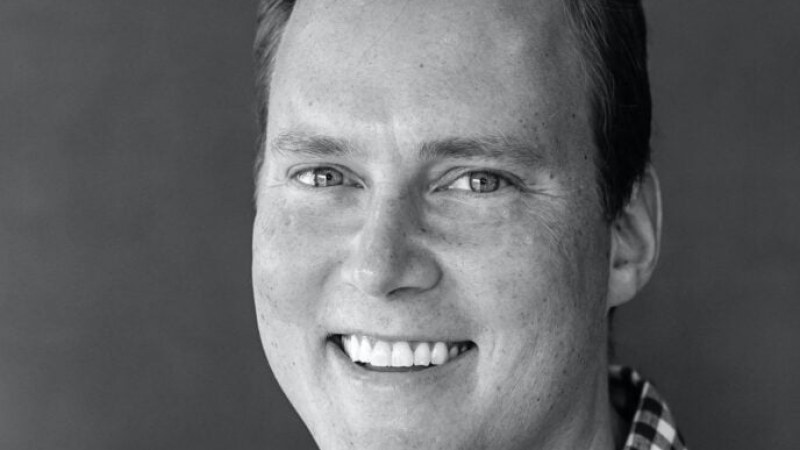
Bryan Bennett
Bryan Bennett is the CEO and founder of Cortex (formerly Cortex Building Intelligence, now Cortex Sustainability Intelligence), a New York-based software company that uses machine learning to cut energy use, costs, and carbon emissions in commercial buildings. Raised in a family that worked commercial real estate for four decades and trained as a management consultant advising utilities on smart-grid technology, Bennett built Cortex around a simple observation: buildings generate thousands of data points every minute, and almost no one was turning that data into action. His software-only platform now optimizes more than 50 million square feet, including the Empire State Building.
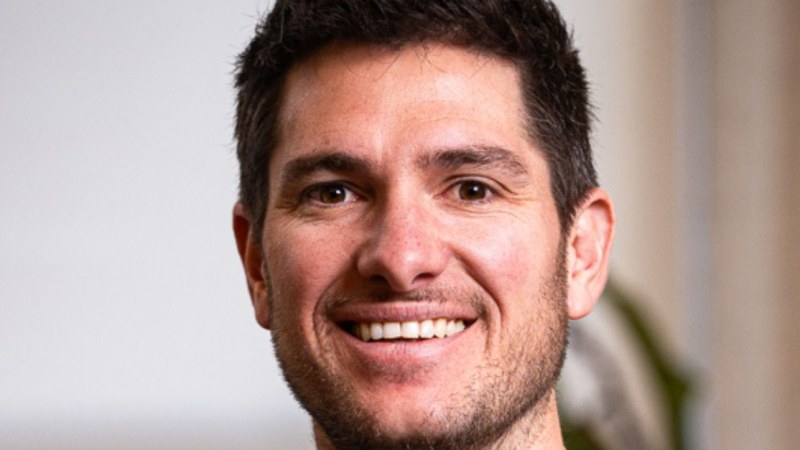
John Meadows
John Meadows is the co-founder and co-CEO of Bowery Valuation, a New York-based proptech company building the first vertically integrated appraisal-tech platform for commercial real estate. A certified appraiser who valued more than $3 billion of property at BBG before he turned 30, Meadows left the legacy appraisal world in 2015 to rebuild it from scratch with partners Noah Isaacs and Cesar Devers. He runs the company as a co-CEO partnership, has raised over $80 million in venture funding, and treats company culture as a system to be engineered rather than a slogan.