commercial-printing
(24)
The Print Shop Where the Homework Has a Customer
At Cal Poly, ten students do not merely study printing. They quote the job, run the machine, answer the customer and live with the result.
The Print Factory Bet That One Vendor Could Print the Whole Brand
A business card, a tent and an embroidered polo look like separate errands. This Ontario print shop built its proposition on making them one conversation.
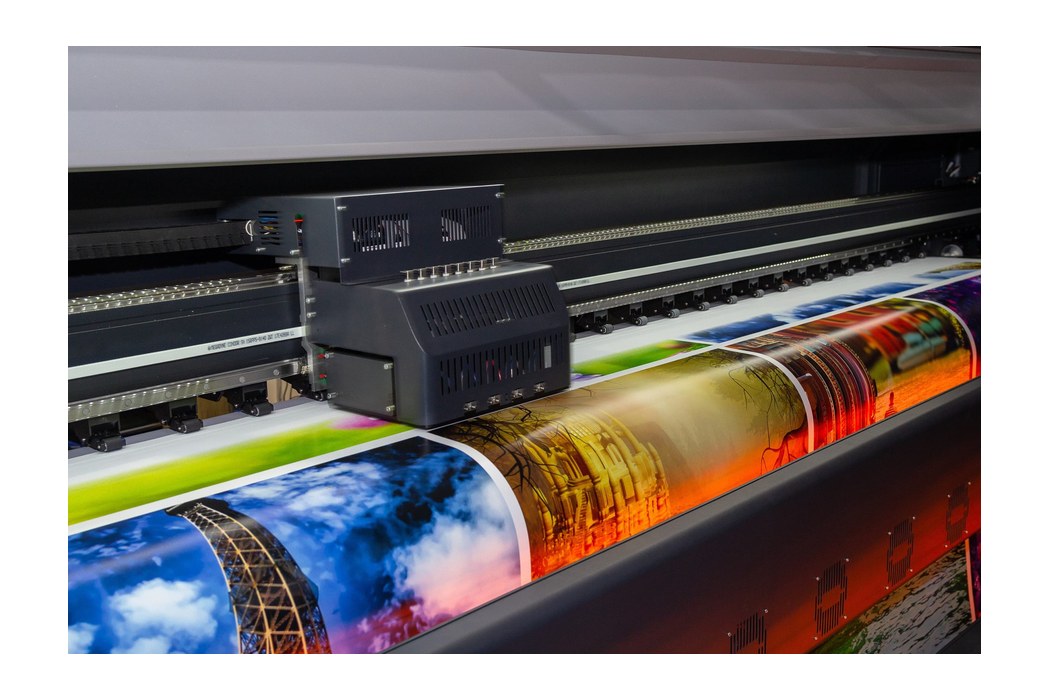
The Print Shop That Cost $3,500 to Get Back
Pete Petroff sold his Alabama print shop when illness demanded his attention. Two years later, he bought the diminished business back for $3,500 - and discovered what, exactly, the founder had been doing all along.

The Printer Who Couldn't See Color - and the Agency That Learned to Read a Room
IPCOMM began with one press, one employee, and a color-blind founder. Four decades later, the family company sells something bigger than print: fewer handoffs between the idea, the audience, and the thing that arrives in their hands.
Boone Graphics Does Its Best Work Where a Printing Error Becomes Someone Else’s Emergency
The Goleta company still puts ink on paper. Its sharper business is removing the dangerous handoffs between a customer’s database and a stranger’s mailbox.

The Company That Lived Between the Idea and the Deadline
Graphic Industries built its business in the awkward, essential space between a campaign concept and everything the public actually sees. Its product was not merely ink or pixels - it was fewer handoffs when the clock was loud.
Creative Press and the art of making less look like more
An Anaheim printer won an art-book category limited to one, two, or three colors. Its story is a useful reminder that a longer list of features is no substitute for knowing what to do with the ink.
API-Marketing gave Prince Perfect his retirement papers
An Auburn printer spent decades adding services, then had to teach customers what it had become. The lesson involves a retired mascot, personalized postcards, and a surprisingly useful lunch fund.

G2 Graphic Service knows what happens after the ink dries
A makeup guide that sticks to a mirror. A custom box filled with homemade fudge. This family printer makes its case in the things people actually touch.
PrintMyStuff and the business of making the awkward thing
A Riverside printer makes everything from business cards to mahogany theater signs. Its most revealing product is the practical answer to a request that does not fit neatly into a shopping cart.

COLORZONE and the price of a bad banner
One disappointing outsourced print helped send a Benicia shop into the machinery business. Today, COLORZONE turns the same appetite for control toward wine labels, vehicle wraps, and displays that have somewhere to be.
Inkspot Inc knows a good label starts before the ink
The Santa Fe Springs printer grew out of prepress and plate making. Its pitch to brands is practical: help the artwork survive the journey from screen to shelf.
Electronic Printing Solutions takes on the work after the ink dries
The San Diego printer combines short-run production with mailing, merchandise and warehousing. Its useful proposition: a marketing project should arrive somewhere, not become another box in the office.
P5 Graphics & Displays gives the sales pitch a place to stand
The California printer builds the objects that carry a brand: cosmetics counters, retail fixtures, signs and displays. Its useful trick is bringing the artwork and the engineering into the same conversation.
APG puts your business on paper. And on the truck.
From business cards to vehicle wraps, Advanced Printing & Graphics turns a company’s identity into things people can hold, wear and spot across the street. Its pitch is continuity: one creative idea, carried through production.
Colorprint puts a quarter of its profits back into the neighborhood
The Burlingame printer says it has given more than $307,000 to local charities. Behind that number is a family experience, a quarterly promise, and the everyday business of getting ink onto paper and mail out the door.
Prima Printing puts a local name behind your logo
Business cards, branded bottles and the occasional awkward assignment: the San Carlos printer sells the help that turns an idea into something you can hand over.
All Printing Services sells the part you cannot upload
At this family-run Encino print shop, the pitch is personal: help with the design, a plan for the deadline, and everything from business cards to a trade-show booth.
San Diego Printers Takes the Job Beyond the Press
A brochure is only the beginning. This San Diego print shop connects design, production, packing, and mailing - with a business built around the work customers would rather hand over.

Continental Colorcraft makes the case for keeping the printer in the picture
A museum book, a 100,000-copy newsletter and a missing press tell the story of Continental Colorcraft. Now presented online as Colorcraft 5, the California business spans print, digital and audiovisual campaigns.

CarWraps.Com puts your business in the next lane
The Los Angeles wrap shop turns working vehicles into traveling advertisements. Its real product is the coordination behind the color: design, printing, installation and a plan for what happens after the first scratch.

Select Imaging sells the whole job, right down to the last fold
A Dublin print shop grew from two businesses sharing space into a place to order the brochure, the mailing, the team shirts and the box. Its appeal lives in the details customers would rather hand off.
Butler Enterprises Handles the Parts of Marketing You Can Touch
Boxes, brochures, retail displays, even a leather catalog with steel brackets: Butler Enterprises brings the physical pieces of a campaign under one roof of project coordination.
The company that survived its own “Kodak moment”
Bankrupt in 2012, betting on chemicals and celluloid in 2026 - how a 140-year-old imaging giant rebuilt itself around print, film and the periodic table.