A food truck has a demanding dress code. It must announce lunch, identify the business and give someone across the street a reason to look twice. In CarWraps.Com’s portfolio, the Tacos Cabrones truck does all that wearing a red-and-black graphic treatment that stretches around windows, wheels and the cab. The bodywork interrupts the artwork everywhere. The artwork carries on anyway.
That is a useful introduction to this Los Angeles business. A vehicle wrap sounds simple: apply a large vinyl graphic to a vehicle. Making it work involves a less glamorous collection of decisions about dimensions, color, surface condition and where the important words will land. A handsome rectangle on a designer’s screen has to survive becoming a truck.
CarWraps.Com sells that translation. Its services cover design, printing and installation for personal cars and commercial vehicles, including vans, buses, trucks and trailers. Customers can commission a complete covering or leave some original paint visible with a partial wrap. The business also offers wall graphics, extending the same broad visual discipline to surfaces that stay put.
The commercial proposition is easy to grasp. A vehicle already making deliveries or visiting customers can carry the business’s identity along the way. The question is whether that identity remains legible when someone encounters it briefly, from an awkward angle, with plenty else competing for attention.
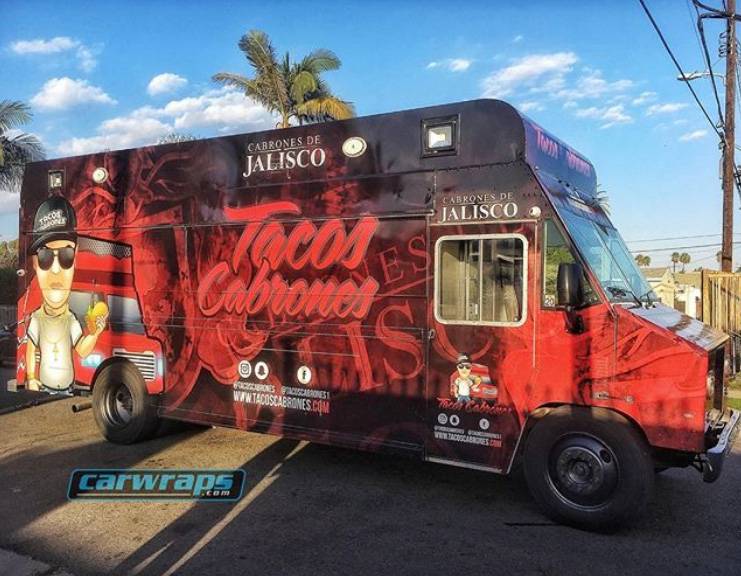
The door handle gets a vote
CarWraps.Com’s design process accounts for vehicle shape and size, and for the underlying color when only part of the body is covered. Customers can arrive with finished artwork or ask the shop to develop a concept. Previews and final proofs create a point at which the customer can revise the work before it goes to print.
The practical lesson is to judge the design on the vehicle. A logo that looks commanding on a laptop may become timid on a panel van. A layout that ignores the body’s interruptions asks the installer to rescue a decision already made. Reviewing the complete vehicle gives the customer a chance to spot those problems while a change is still a design task.
The company’s advice about calls to action follows the same logic. In an April 2021 article, it urges customers to keep messages short and connect them to something the viewer wants. Its van page describes a five-second recognition goal. Treat that as a design brief: identify the business, communicate the offer and make the next step easy to remember.
A local shop with a longer printing bench
CarWraps.Com identifies itself on LinkedIn as a division of Areté Digital Imaging. That connection places the brand inside a broader commercial printing operation. Areté describes work spanning out-of-home advertising, experiential projects, fabrication and vehicle graphics, with operations in Los Angeles and New Jersey. CarWraps.Com gives customers a specific entrance to the vehicle side of that business.
The relationship matters for commercial buyers. An agency preparing a campaign may need the vehicle graphics to agree with its other printed material. A fleet manager needs the same identity repeated across different bodies. Those are production and coordination problems as much as artistic ones. Areté’s stated emphasis on color continuity and understanding the intended audience fits that assignment.
The parent’s public project archive offers concrete examples. A January 2014 post describes Little Debbie vehicle wraps produced through Makai Advertising. Another records a national Radio Disney fleet-graphics assignment covering printing and maintenance. A separate account describes an NBA Store vehicle for the 2011 All-Star weekend. These are Areté credits; they help explain the operating background behind the CarWraps.Com brand.
In a 2014 discussion of installation, Tony Jollett describes the work as a craft requiring both training and care. The parent’s mission, “To be the best that we can be,” is broad. The more revealing point is the attention to workmanship. Vinyl must become a finished physical object, and someone has to take responsibility for how it looks up close.
“To be the best that we can be.”Areté Digital Imaging’s stated mission
The $5,000 example needs a little unpacking
CarWraps.Com’s van page uses a $5,000 wrap in an advertising-cost illustration. That figure is an example, not a published fixed price for every van. Actual work is quoted. Coverage, vehicle size and material choice change the assignment, while the fleet page advertises discounts related to vehicle count.
The underlying business model is project-based service: turn a brief into graphics and charge for the work. There is no online checkout for a standardized wrap. A consultation starts the buying process. Commercial customers can return for another vehicle, a revised identity or replacement graphics, making repeat work a natural part of the service.
The sensible comparison includes more than the initial invoice. Consider how long the vehicle will keep the design, where it travels and how often the business expects its message to change. Time out of service belongs in that calculation too. The company says ordinary installation usually takes one or two days, depending on the vehicle and complexity; that is installation time, not a promise for the entire project.
Its fleet page says wraps can last up to five years with proper maintenance. That is a conditional service-life claim. It should not become a guarantee of five years of leads. A moving advertisement still needs a relevant audience, a readable message and a business ready to answer the inquiry.
The van page’s illustrative wrap cost. Your project requires its own quote.
One truck is a design job. A fleet is a scheduling job.
The CarWraps.Com fleet gallery names projects including NBC4, Smurfit, LA Cafe and the Arizona Army Guard. The variety shows why commercial graphics extend beyond one kind of customer. A service vehicle, a broadcaster’s truck and a promotional fleet can each need a recognizable identity, even when their daily assignments differ.
National coverage depends on organization. CarWraps.Com says it can refer customers outside Los Angeles to partners and affiliates across the United States. Areté’s fleet service describes centralized design and production, installation coordination, project tracking and vehicle inventory documentation. It also offers removal and re-wrap programs.
For a buyer, that suggests a useful set of questions: who approves the master artwork, who schedules each vehicle and who handles a mismatch or damaged panel? A nationwide project needs clear ownership of those decisions. The attraction of a coordinated supplier is fewer handoffs for the customer to manage, provided responsibilities are agreed before the vehicles start arriving.
This is where CarWraps.Com fits in the market: a service business linking graphic design, commercial printing and automotive installation. Buyers can also consider a local sign shop, another wrap specialist or separate design and installation providers. The comparison should turn on relevant portfolio work, materials, scheduling and aftercare. An appealing gallery is the beginning of that evaluation.
Matte black and brand red are different briefs
Commercial customers want recognition. A personal-car customer may simply want a different finish. CarWraps.Com accommodates both, and its Tesla gallery includes matte treatments, chrome-delete work and a blue-and-white plaid design. The distinction matters: making a fleet look consistent and making one car feel individual call for different design conversations.
The material lineup includes 3M and Avery Dennison. The company’s color pages show gloss, satin, matte, metallic and textured options. Those are suppliers whose films the shop offers, rather than evidence of an exclusive partnership. The 3M page also cautions that colors viewed on a monitor or in print are approximate representations.
For a customer choosing a finish, the practical takeaway is to look at physical samples before committing. A metallic surface is part color and part reflected light. The name on a swatch cannot tell the whole story. A business matching an established identity should discuss the desired result with the shop; a driver chasing a new look should do the same.
The company’s materials page distinguishes color films from digital-print films and protective laminates. That helps explain why “a wrap” is a category of work rather than a single interchangeable product. The intended appearance, the surface and the installation all belong in the material decision.
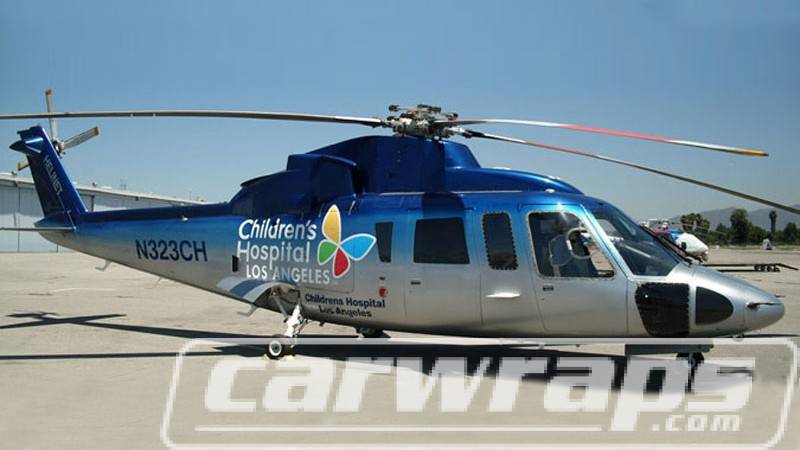
The first scratch does not require a new wardrobe
A wrap has to live outdoors and share the road. CarWraps.Com’s repair guidance distinguishes localized damage from deterioration that justifies replacement. A damaged bumper or quarter panel can sometimes be handled individually, with the repair matched to the remaining graphics. The scope of the damage drives the decision.
Care matters after collection. The company warns against mechanical cleaning brushes and recommends prompt cleaning of spills with suitable products. Its FAQ also flags an issue beneath the vinyl: existing chipped paint can come away during removal. Surface condition therefore belongs in the conversation before the customer chooses a color.
These details describe the conditions under which the attractive sales proposition can disappoint. Neglected care, damaged paint or expectations of permanent perfection make poor companions for an adhesive film. So does an advertising message crowded with information. The material can be sound while the communication fails to earn a second glance.
A buyer can copy a straightforward discipline from the company’s process: settle the purpose, approve the design in context, agree on the material and ask how damage will be handled. That sequence makes the finished appearance and the ongoing responsibilities part of the same purchase.
The other vehicle is the website
There is a small irony in selling physical advertising: customers still have to find the shop online. Metrix Digital’s published CarWraps.Com case study describes an ongoing local-search and lead-generation relationship built around people looking for vehicle wraps in Los Angeles. The desired result is an inquiry or phone call.
The agency also describes a proposed website rebuild, pending client approval, with attention to preserving existing rankings and lead flow. It is a proposed change, not an announced launch. The concern is revealing: a new-looking website has limited value if it disrupts the route by which customers reach the business.
That connects neatly to the company’s physical work. A wrap has to do something beyond looking finished in a photograph. For a food truck, the job may begin with making lunch visible. For a service fleet, it may be making the business recognizable at the curb. The most useful question for a customer is wonderfully plain: when somebody sees this vehicle, what should happen next?
Keep looking
Explore the company website, fleet gallery, wrap journal and project inquiries.
Follow LinkedIn, Instagram, Twitter/X or Facebook. See the wider printing operation at Areté Digital Imaging.