A brochure has a surprisingly demanding second act. Someone has to check it, fold it, count it, put it in the right package and get it to the right person. Until then, a marketing campaign can resemble an unusually expensive stack of paper. Electronic Printing Solutions, a San Diego commercial printer, has built its service menu around that unglamorous stretch between a finished design and a useful delivery.
The company’s own shorthand is “PRINT + LOGISTICS + SPECIALTY PRODUCTS.” That description is more revealing than the graphic-design category on its LinkedIn page. EPS offers printing and design, certainly. It also offers mailing, promotional merchandise and fulfillment. Its pitch includes reducing document waste and obsolescence: the familiar problem of producing materials that run out of relevance before they run out of copies.
For a buyer, the attraction is straightforward. A single assignment can involve artwork, physical production, storage and distribution. Buying those services together could reduce the number of handoffs a customer has to manage. That is the commercial logic of the offering, rather than a measured claim about how much every client saves.
A printer with a shipping problem to solve
EPS calls its work document integration. The phrase sounds technical, but the company gives it physical form: materials arriving in different formats become printed products, large-format graphics and items ready for distribution. Its service list spans digital and offset printing, trade-show materials, promotional products and fulfillment. Short-run, variable-data print on demand is its stated specialty.
That combination puts EPS in the market for business communications. The intended recipients include clients, employees, stockholders and vendors. A sales sheet, a handbook and a personalized letter have different jobs; a customer may still need a printer that can coordinate all three. The useful unit of comparison is therefore the assignment, including the work around the printed item.
- 01PrepareFiles & proofs
- 02ProducePrint & merchandise
- 03OrganizeKitting & storage
- 04DeliverMail & shipping
An illustrative route through EPS’s advertised services. Individual projects use different combinations.
The fulfillment offering makes that point concrete. EPS lists ordering portals, assembly, kitting and coordination, alongside warehousing and inventory. These are the chores that tend to disappear from a polished campaign presentation. They return when someone asks which pieces belong in the package, where the remaining stock will live and who is responsible for sending it.
A small credit, and a real customer
One documented example comes from a world where precision has its own devoted following: model railroading. The third-quarter 2009 edition of PSR Dispatch, published by the Pacific Southwest Region of the National Model Railroad Association, credits Electronic Printing Solutions as its printer. The issue contains regional reports, convention information and a membership form.
It is a modest credit, but a useful one. This was a publication with a particular audience and a practical purpose, carrying news between people who shared an interest. The credit establishes a historical printing assignment; it does not establish a continuing account. It also gives the broad phrase “business communications” some texture. Print serves membership organizations as well as sales departments.
EPS dates its document integration services to 1997. Its current location page places it in Kearny Mesa, near several freeways, while its promotional-products site advertises service throughout greater San Diego with worldwide delivery. Local access and distant destinations sit comfortably together in this business: a customer can want a nearby contact even when the shipment is going elsewhere.
The banner is only part of the booth
Trade-show work makes the company’s combined offer easy to picture. EPS lists posters, banners and displays together with storage and logistics. A display has to make sense from across a room, but it also has to exist in the right place when the event begins. Once the event ends, the reusable pieces need somewhere to go.
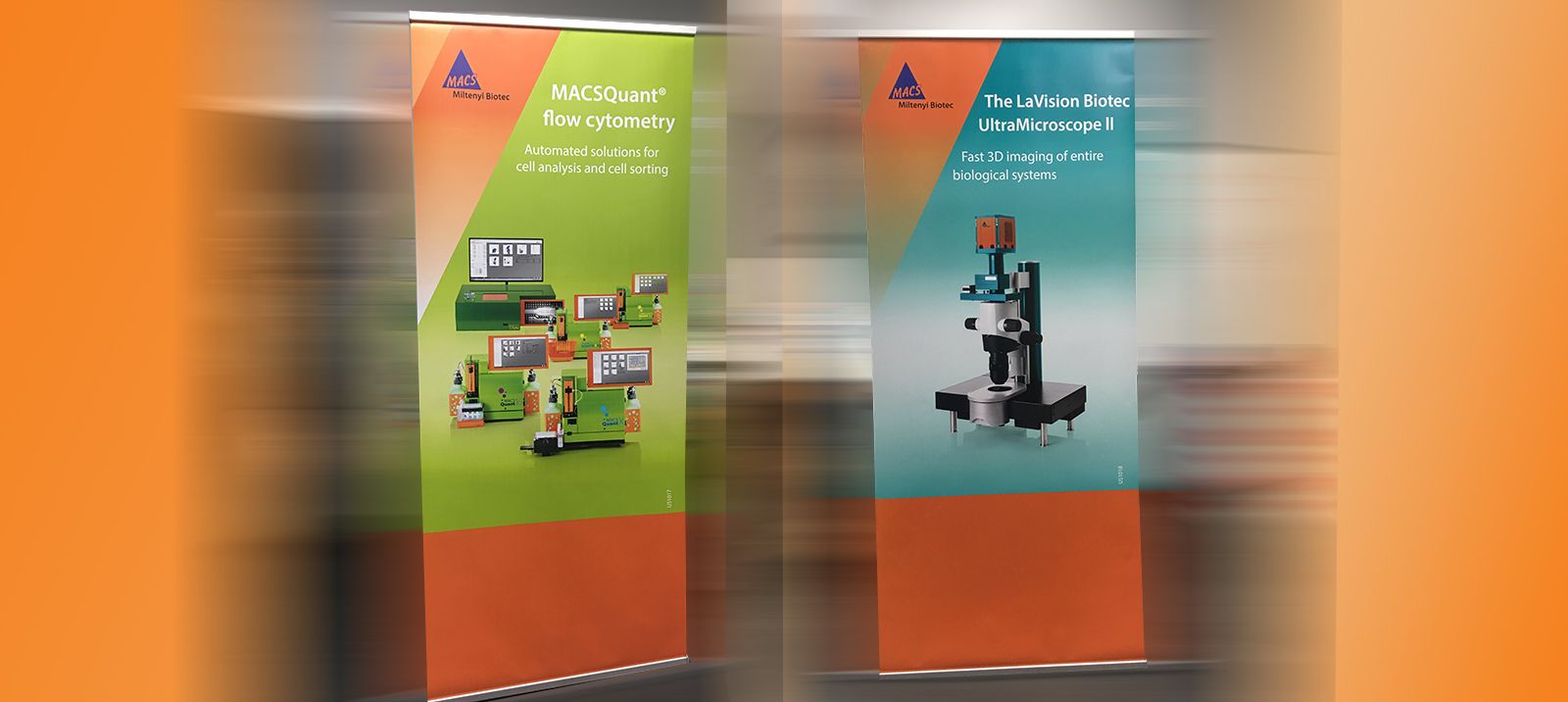
Consider a hypothetical exhibitor ordering a banner, a brochure and a giveaway. Those pieces involve different production choices, yet belong to one event. The buyer could coordinate separate vendors or ask one provider to organize the combination. EPS’s menu supports the second conversation. Whether it is the better purchase depends on the quote, schedule and scope of responsibility agreed for that particular job.
The merchandise side operates as a distributor business. EPS identifies itself as an Advertising Specialty Institute member, and its catalog covers wearables, desktop items, executive gifts, awards and giveaways. That extends the conversation beyond paper: the company can help supply something a recipient carries or uses after the event. Its promotional site describes the aim as building lasting client relationships through those products.
The price changes when production starts
EPS routes buyers through a project estimate. The form asks for a due date, artwork information, files and additional details. It explicitly welcomes work that is still being planned as well as work ready for production. This is a custom-service sales process: the specification needs to be clear enough for the provider to price the assignment.
The published order terms supply more concrete numbers. Payment is due at ordering by card or under agreed terms, normally net 30. EPS says most local deliveries using its truck carry no additional charge. Certain projects may have quantities up to 10 percent above or below the quote, with pricing adjusted proportionally. Those conditions belong in the buying decision alongside paper and ink.
Cancellation charge before the project has been produced, under EPS’s published terms.
Cancellation fee once produced but not shipped; the terms exclude tax and freight at that stage.
After production and shipment, the terms say orders cannot be canceled unless defective on receipt. Confirm the conditions for your order.
The implication for a buyer is to resolve revisions early. A change of heart before production and a change of heart after production have different consequences. These terms describe ordering conditions, not a story of a customer failure. They nevertheless explain why a casual approval can turn into a real expense.
The proof deserves your full attention
EPS’s printing FAQ makes the proof the final opportunity to inspect a prepared document before the job proceeds. It prefers PDF submissions and asks for flattened files. Its image guidance recommends 300 dpi and CMYK where possible. The underlying concern is the translation from a file viewed on a screen into a physical object.
The same FAQ gives a useful answer about speed: some orders can be completed the same day, while jobs involving special stock and multiple production or finishing steps can take more than a week. That range gives customers a reason to ask about their exact specification. A quick order and a complicated bound document should not inherit the same deadline simply because both begin with a PDF.
Finished documents also require decisions beyond their appearance. EPS offers printing, collation and binding for manuals and handbooks. In that context, sequence and handling are part of the product. A reader needs the pages in the correct order and a document that works in use. For someone preparing training material, it is worth describing how the handbook will be handled when discussing the job.
Someone still has to answer the phone
The online tools are prominent: estimates, orders, file transfer and customer login. Yet EPS’s culture page says “a Web site can never substitute for personalized service.” It points customers toward individual relationship managers. That pairing fits a business where submitting a file is easy, but deciding what belongs in the shipment may require a conversation.
“a Web site can never substitute for personalized service”Electronic Printing Solutions, company culture statement
The company describes a team that learns from colleagues and combines people born in the United States with people who immigrated there. Its stated workplace principles emphasize inclusion and freedom from hostility around personal identity and beliefs. These are the company’s own descriptions of its culture. For a customer, the operational promise is proactive attention to the project.
Even the order form reflects the importance of continuity. It accommodates new work and repeat jobs, inviting returning customers to include a document number or identifier. That small field matters: “the same as last time” becomes a more useful instruction when both sides can point to the same file. Buyers should still specify any changed details before a repeat run begins.
Buy the journey, then count the copies
The lesson a reader can borrow is to brief the whole assignment. EPS’s resource pages encourage customers to understand the production process and explain their needs. Start with the recipient and the required arrival date, then describe the printed pieces, quantities and delivery destinations. Ask which stages the vendor is pricing, and which remain your responsibility. A clear brief makes different proposals easier to compare.
There are conditions under which the combined offer will matter less. A buyer with finished artwork, one standard item and no need for storage or mailing may have little coordination work to outsource. A buyer whose specifications keep changing should settle those choices before authorizing physical production. These are practical limits to the appeal of a bundled service, not evidence of poor performance at EPS.
The company is most interesting where an assignment crosses several desks: design, purchasing, events, shipping. Its offering invites customers to connect those tasks before ordering. The final question is satisfyingly ordinary: once the material exists, who will make sure it gets used? That is a good question to bring to a printer.