climate-resilience
(25)
The Firm Behind the People Behind the Policy
Freedman Consulting sells something Washington rarely puts on an invoice: the patient work of getting foundations, governments, and advocates to move in the same direction.

The Consulting Firm That Turned a Stormwater Tax Into a Day at the Park
Shockey Consulting sells something city halls badly need and cannot manufacture on command: a credible conversation. Its best work begins where the engineering ends and the public questions start.
The Small-Town Money Machine Hidden in a Clifton Office
Bruno Associates sells something local government rarely has enough of: time to hunt, write, win and manage grants. The payoff shows up as fire gear, safer streets, cleaner buses and projects that might otherwise wait years.

Civic Edge Consulting and the art of making government make sense
A dozen program names can leave a resident wondering what to do. Civic Edge helps public agencies turn institutional complexity into clear messages, useful conversations, and events people can actually navigate.
Miller Center Knows a Better Pitch Won’t Pay for 500 Freezers
At Santa Clara University, Miller Center pairs social entrepreneurs with executive mentors, then helps bridge the gap between a workable business and money to grow. Its next test is making that support last beyond graduation.
James Ethington Is Making Farm Data Earn Its Keep
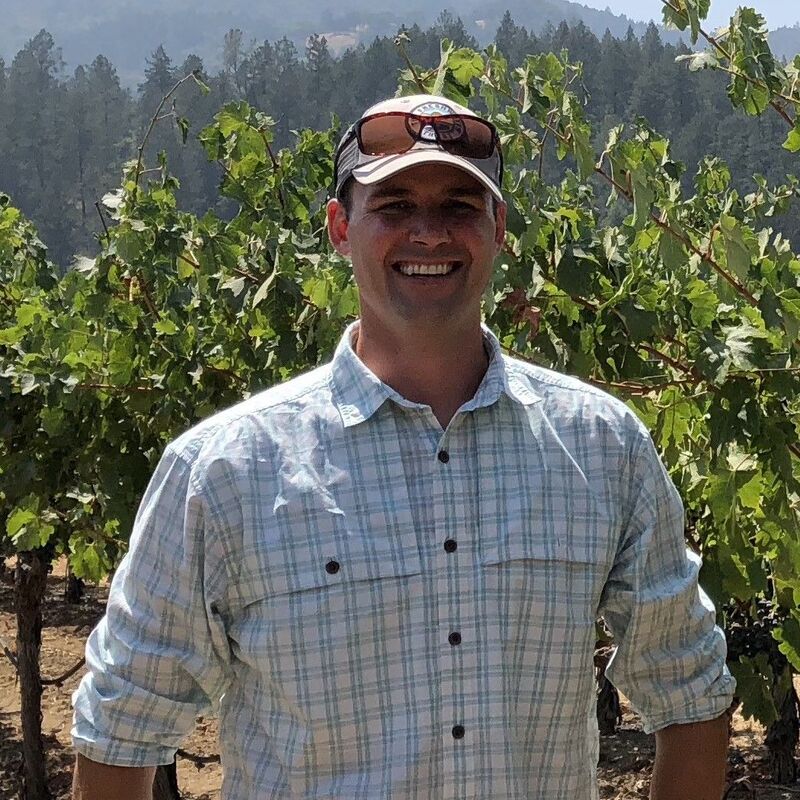
After helping turn Climate FieldView into a tool used across 50 million paid acres, the Arable CEO is chasing a harder prize: field intelligence simple enough to trust when water, yield, and livelihoods are on the line.

Michael Gulla Is Teaching Insurance to Move at the Speed of the Weather
After two decades inside insurance, the Austin founder is betting that the next useful policy will behave less like paperwork and more like an if-then statement - watching the event, verifying the trigger and moving money while it can still help.
Javier Marti Wants to Build the Google Maps of Water
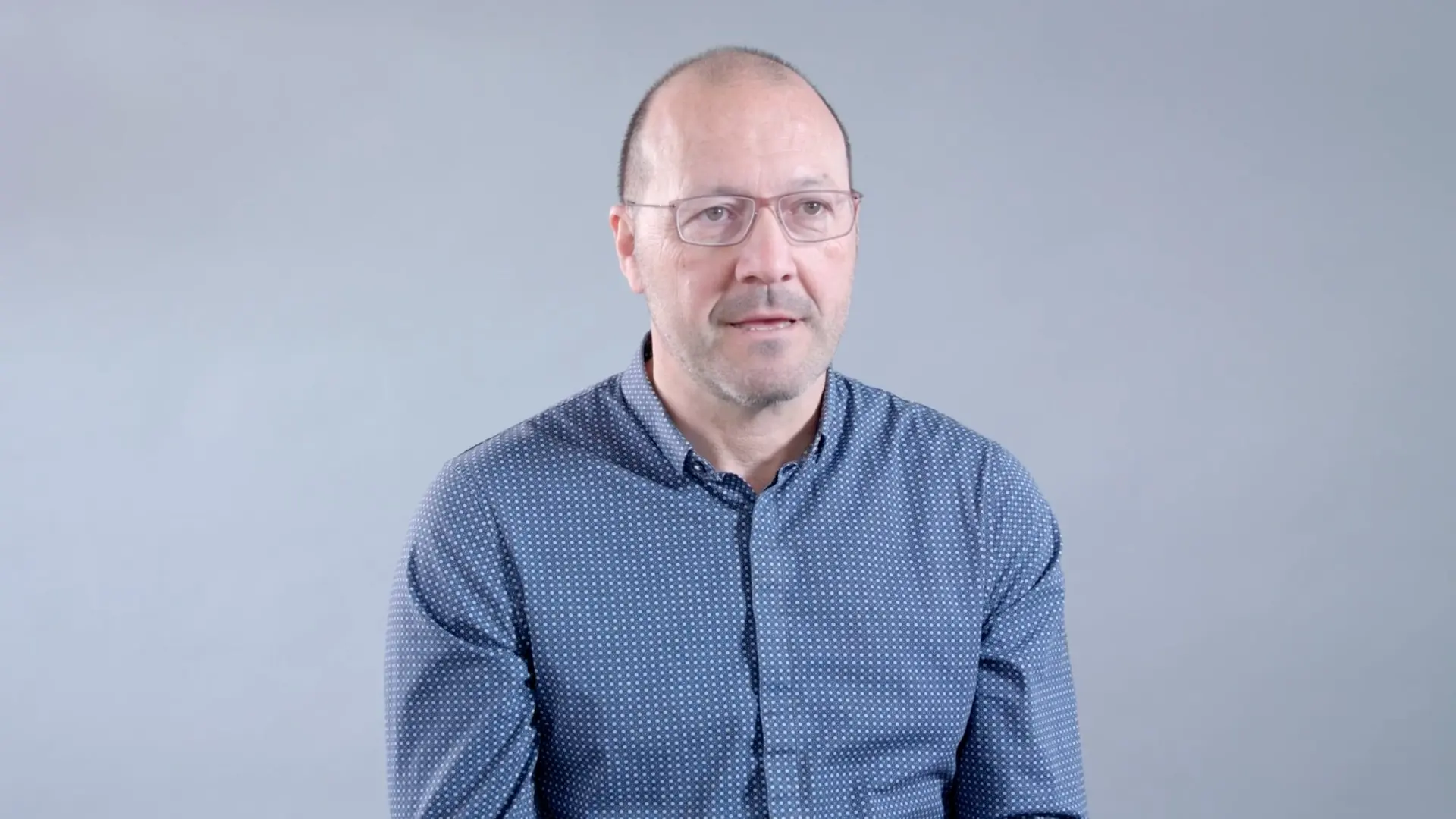
After satellites, a desert observatory and a continent-sized climate project, the Spanish engineer chose a harder map to draw: water in motion. His Boulder company, Divirod, is turning reflected navigation signals into an early-warning layer for a wetter, less predictable world.

The One-Truck Bet That Taught 40,000 Canadian Lawns to Survive Summer
Green Drop started with a newspaper ad, one truck and a phone that would not stop ringing. Forty-seven years later, its most useful lesson is still the same: sell relief from uncertainty, not a bag of fertilizer.
Intact Built a $25 Billion Insurance Machine - Then Sent It Toward the Fire
Canada's largest property and casualty insurer grew by treating insurance as an operating system: price risk better, control more of the repair, and buy only what the machine can improve. The catch is that climate volatility keeps stress-testing every advantage it has built.
The Grid Failed. Adaptive Insurance Paid in Days.
Most insurance waits for proof of loss. This Austin startup watches for the event itself - then turns a dark grid, a flooded home or a brutal deductible into a faster, prearranged path to cash.
Acumen Made Patience an Investment Strategy
For 25 years, Acumen has financed the awkward stretch between a promising idea and a market that works - pairing risk-tolerant capital with leaders willing to build for communities most investors overlook.

Agros
Agros is a Singapore-based agtech company that helps smallholder fruit and vegetable farmers across Southeast Asia switch from diesel to solar-powered irrigation. It bundles hardware (its Agrosolar water pumps), flexible post-harvest financing (Agros Finance), and agronomy advisory into a one-stop platform, aiming to double farmer incomes while cutting fuel costs and carbon emissions. Founded in 2019 by Max Nelen, it operates in Myanmar, Cambodia, and Indonesia and has supported over 6,000 farmers.

Near Space Labs
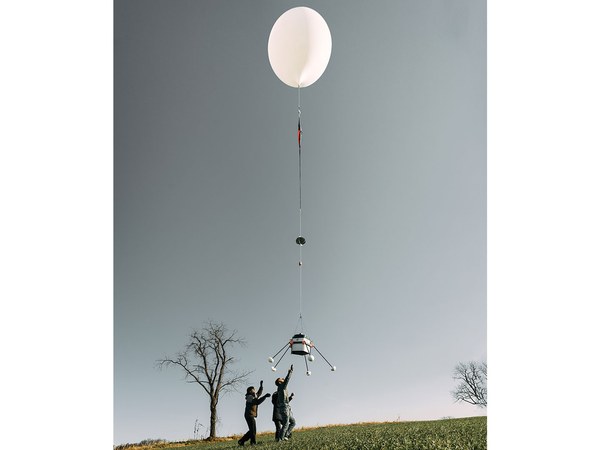
Near Space Labs is a Brooklyn-based earth-imaging company that flies small autonomous robots called Swift into the stratosphere on helium balloons to capture 7-centimeter-resolution imagery of the ground below. Founded in 2017, it delivers frequent, analysis-ready aerial data to property and casualty insurers, governments, utilities and environmental groups at a fraction of the cost of traditional planes or satellites, positioning balloon-borne imaging as a scalable, low-emission alternative for monitoring cities, infrastructure and disasters.
Arable
Arable is a San Francisco-based agricultural technology company that builds solar-powered, in-field IoT sensors and a cloud analytics platform to give growers real-time crop intelligence. Its flagship Arable Mark device measures more than 40 weather, plant, soil and irrigation metrics from above the crop canopy, and machine-learning models turn that data into decisions on irrigation, crop stress and yield. Deployed across roughly 19 countries, six continents and more than 20 crop types, Arable serves customers from Driscoll's and Treasury Wine Estates to Valley Irrigation.

ClimateAi
ClimateAi is a San Francisco-based climate-tech company that builds an AI-powered climate resilience platform. Founded at Stanford in 2017 by Himanshu Gupta and Max Evans, its ClimateLens platform combines patented machine-learning models with physics-based climate and weather data to forecast risk from weeks to decades ahead. Food, agriculture, and water-dependent companies - including Dole, Suntory, Oatly and McCain - use it to protect sourcing, planting, and procurement decisions against a more volatile climate.
Rema Matevosyan
Rema (Hripsime) Matevosyan is the co-founder and CEO of Near Space Labs, a Brooklyn-based company that flies helium-lifted robotic aircraft called Swift into the stratosphere to photograph the Earth at 7-centimeter resolution. Born and educated in Armenia, trained as an applied mathematician in Moscow, she left a PhD program two weeks into an entrepreneurship class to build what she calls her own little space program. In April 2025 the company closed a $20M Series B led by Bold Capital Partners, bringing total funding above $40M, with insurance carriers as anchor customers using the imagery to model wildfire and hurricane damage.
Justin Dawe
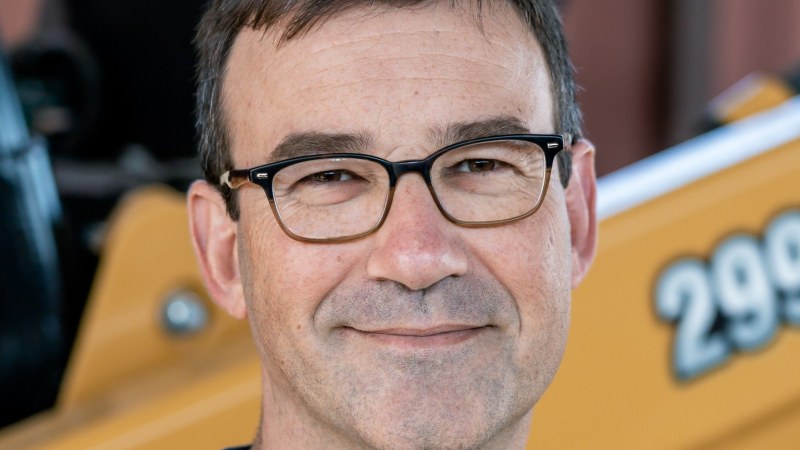
Justin Dawe is the founder and CEO of Earth Force Technologies, a San Francisco climate-tech company building in-cabin sensor tablets and a web portal that give forestry operators real-time, tree-level guidance for wildfire prevention and forest restoration. A Stanford-trained engineer and Harvard MBA, he has spent more than two decades in climate and mobility ventures, including roles as CEO of Scoot Networks, VP of New Ventures at Bird, and founding CEO of C12 Energy. Earth Force has raised about $8.6M in seed funding from BOLD Capital Partners, Alley Robotics Ventures, and others.
Terranova
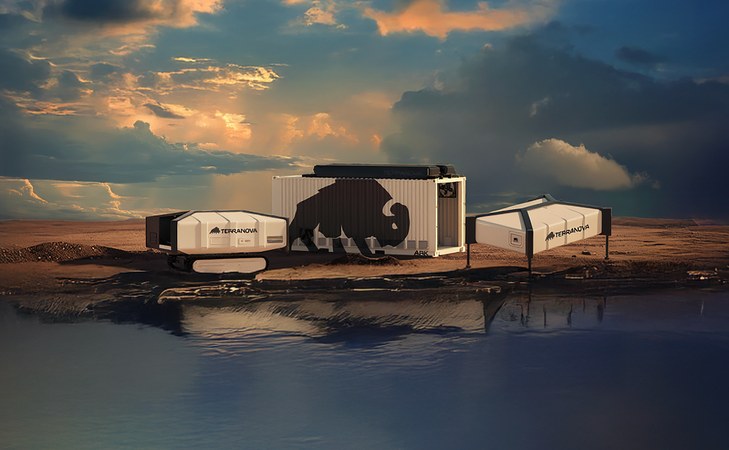
Terranova is a Berkeley-born climate-tech and robotics startup building car-sized autonomous robots that inject a wood-waste slurry deep underground to lift flood-prone land out of harm's way - no seawalls, no surface disruption. A single 'mothership' coordinating three injection rovers can raise about one acre by one foot per day, while the buried biomass becomes a durable carbon sink that can be sold as carbon credits. Founded by UC Berkeley mechanical engineer Laurence Allen to save his hometown of San Rafael, California, the company raised a $7M seed round in November 2025 and plans its first San Rafael pilots in 2026.
Laurence Allen
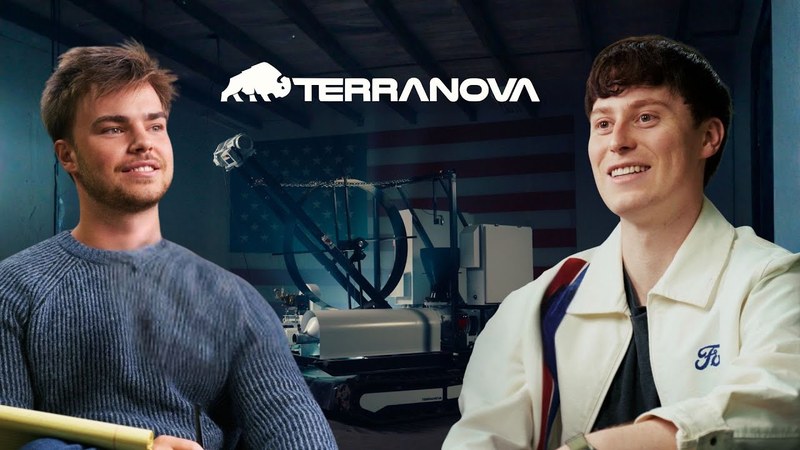
Laurence Allen, co-founder and CEO of Terranova, explains how his startup lifts land out of flood zones by injecting slurries of waste wood chips deep underground, an inexpensive, scalable alternative to seawalls, levees, and demolition. Drawing on a 1970s Venice mudjacking experiment and powered by autonomous robots and AI geology modeling, Terranova aims to be 'the anti-subsidence,' protecting whole communities and critical infrastructure. Allen also reflects on his formative internship at SpaceX, his maker upbringing, the intensity of deep-tech founding, and his vision for licensing the technology to contractors worldwide.
Kathryn Cook
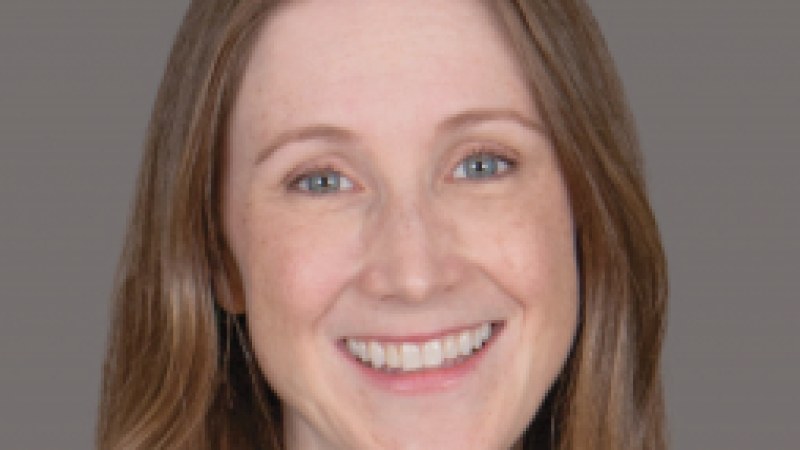
Kathryn Cook is the CEO and co-founder of NuCicer, a Davis, California agtech and food-tech company breeding chickpeas with up to 75% more protein than ordinary varieties. A former Boeing materials engineer and Facebook technical program manager, she left big tech to commercialize 35 years of her father's chickpea genetics research at UC Davis, applying machine learning and data analytics to plant breeding. NuCicer has raised roughly $23 million in total funding, planted across multiple US states, and aims to cut the cost of plant protein in half.
Verdi
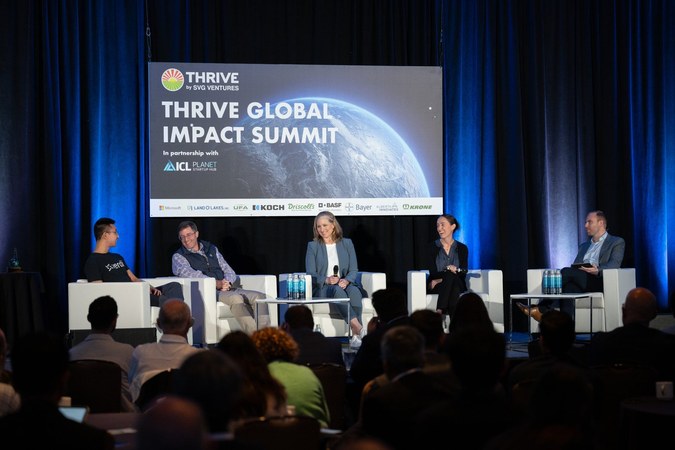
Verdi is a Vancouver-based agtech company building affordable, retrofit-ready irrigation automation systems for orchards, vineyards, and specialty crop farms. Founded in 2020 by UBC Engineering Physics graduates Arthur Chen and Roman Kozak, the company makes wireless IoT controllers and soil moisture sensors that install in minutes on existing irrigation infrastructure. Its AI-powered platform gives farmers real-time monitoring, leak detection, variable rate irrigation, and fertigation control from a mobile app - delivering documented results of up to 70% water savings, 90% labor reduction, and 10-20% yield increases. Backed by $9.5M total funding including a $6.5M CAD seed round in May 2025, Verdi counts E&J Gallo, Arterra Wines, and UC Davis among its customers, with 16,000+ acres automated across North America.
Milo Werner
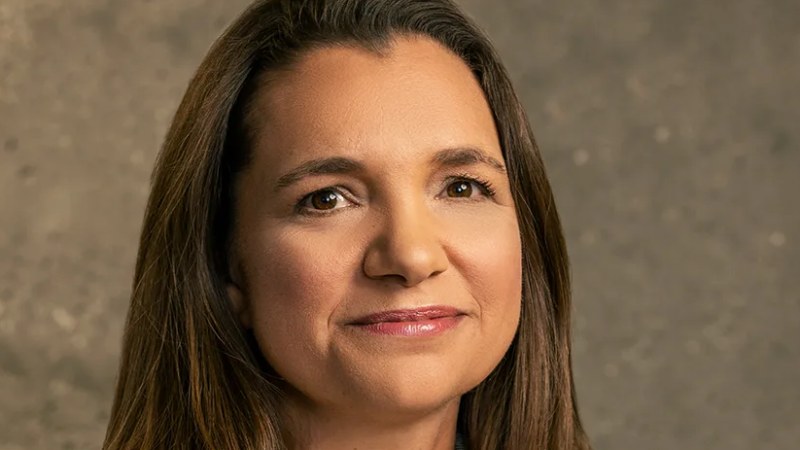
Milo Werner is a General Partner at DCVC leading the firm's climate investments, bringing a rare combination of deep operational experience - nearly a decade at Tesla launching the Model S, Model X, and dual-motor powertrain - and a track record of venture investing at Khosla Ventures, Ajax Strategies, and MIT's The Engine. She founded The NextGen Industry Group, a nonprofit helping ~140 companies navigate the treacherous 'missing middle' between pilot production and commercial scale. At DCVC, she focuses on breakthrough deep tech ventures that decarbonize high-emitting industries and transform value chains.
Abe Tarapani
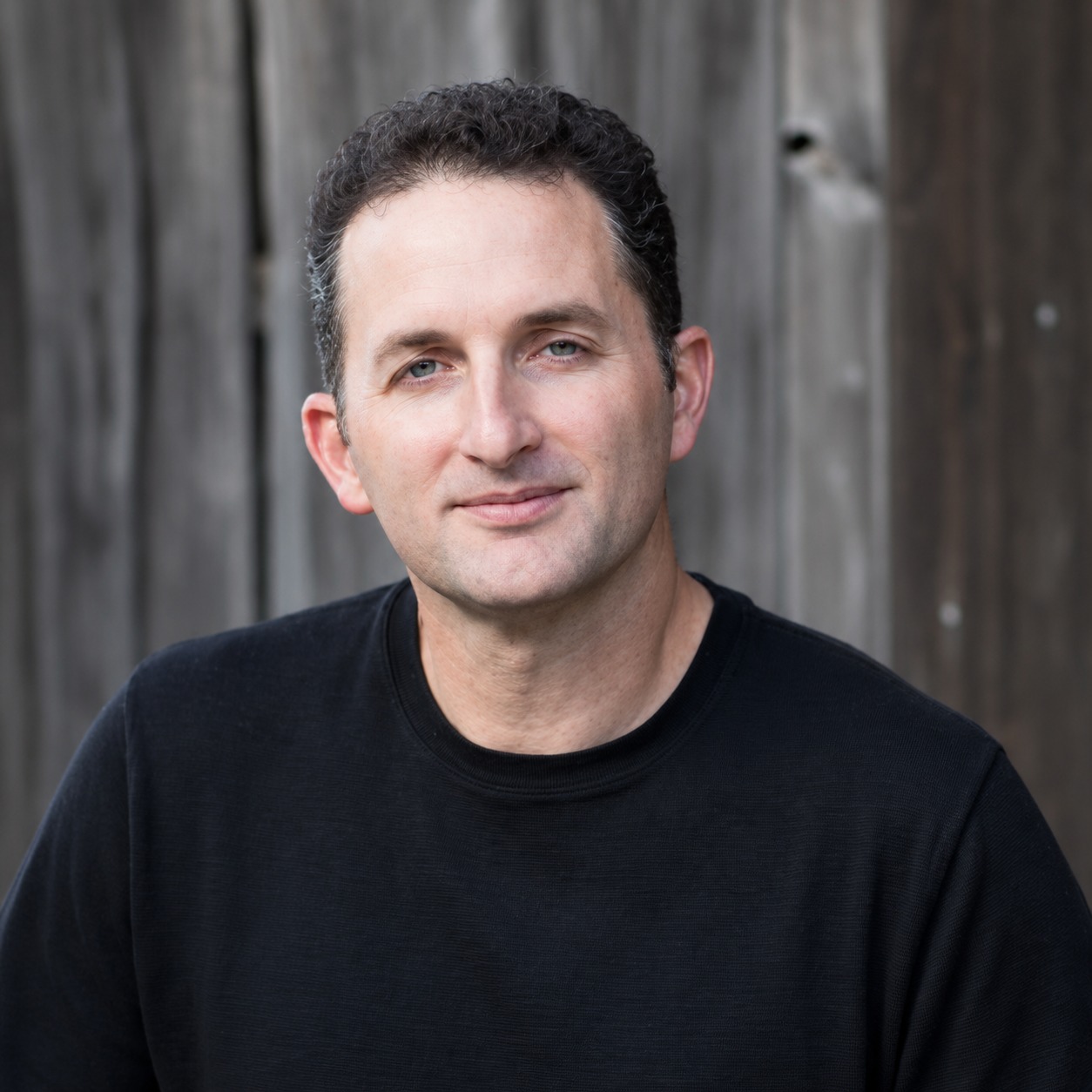
Abe Tarapani is the CEO of Atlas AI, a Palo Alto-based geospatial AI company that uses satellite imagery and machine learning to generate actionable insights on economic, agricultural, and infrastructure trends across emerging markets. A Yale-trained electrical engineer and Presidential Scholar recognized by the Clinton White House, Tarapani has spent nearly two decades at the intersection of renewable energy, data for development, and social impact. He joined Atlas AI in October 2020, steering a company founded by Stanford professors toward enterprise partnerships with the World Bank, DARPA, McKinsey, and Airbus, while earning recognition as a 2024 Google Cloud Partner of the Year and Gavi INFUSE Pacesetter.
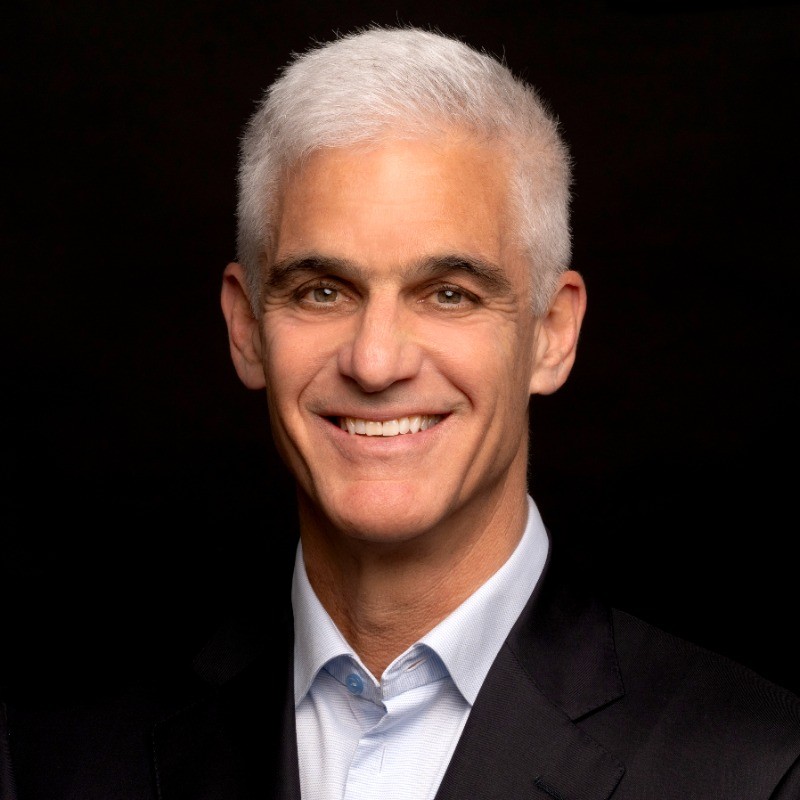
Ramsey Masri
Ramsey Masri is the CEO of Ceres AI (formerly Ceres Imaging), an Oakland-based agricultural intelligence platform that has analyzed over 17 billion plant-level measurements across 32 million acres and 40+ crop types worldwide. A UC Berkeley graduate who grew up on a family farm in Peru and spent 20 years as a California grape grower in Napa Valley, Masri bridges the worlds of technology, data analytics, and hands-on farming. Before Ceres, he served as COO at Zendrive and spent his early career at Oracle working under Larry Ellison, Ray Lane, and Tom Siebel. Under his leadership, Ceres rebranded as Ceres AI, raised a $13M Series D round led by Remus Capital in 2024-2025, was named to TIME Magazine's 2024 Top GreenTech Companies list, and made history by appointing the first AI board member in the agriculture industry.