b2b2c
(64)
bolttech wants to be inside your next purchase
From a Samsung phone to a BYD car, bolttech puts protection into purchases people already make. Its $2.1 billion valuation rests on making that connection work long after checkout.
IDIQ Wants to Make Your Rent Count
The company behind IdentityIQ has bought its way beyond fraud alerts into rent reporting, financial coaching and legal benefits. Its wager: the next customer may arrive through a landlord, a mortgage broker or the office benefits desk.
You clicked pay. BillGO wants to cancel the paper chase.
An online bill payment can still end up in an envelope. BillGO built a business around catching it before the printer - and getting small businesses paid sooner.
Pluxee UK wants a place in your weekly shop
The former Sodexo Engage business is putting cashback at the centre of its employee benefits app. Its customer stories show why the hard part is getting people to use what their employer has already bought.

Patients Know Best wants your medical record to follow you
Eight million patients have registered with a company built around a stubborn idea: the person receiving care should control a copy of the record. Making that work means changing how hospitals buy software, share information and involve patients.
ParentPay started with dinner money. Now it wants the whole school day.
The payments business has grown into a collection of tools for registers, kitchens, libraries and sports-hall bookings. Its next test is making that collection feel simpler to the schools paying for it.
Myzone Built a Gym Community. Now You Can Bring Your Own Watch.
Myzone turned heartbeats into points and gym floors into shared scoreboards. Its next bet is that the community matters more than whose sensor you wear.
The Travel Company You’ve Probably Used Without Knowing It
Arrivia hides behind some of the world’s best-known loyalty programs, turning points and member perks into bookable trips. Its edge is less glamorous than a beach ad - deep cruise supply, private pricing and the operational plumbing to make someone else’s brand look good.
The Waiting Room Was Dead Time. CheckedUp Turned It Into Media Inventory.
CheckedUp gives clinics its screens for free, then sells life-sciences brands a measured place inside the medical conversation. The bet works only if education stays useful, advertising stays credible, and every play can be proved.
Empathy Turned Grief's Worst Chore List Into a 50-Million-Person Benefit
The startup began with an app for the brutal paperwork after a death. Its bigger invention was persuading insurers and employers to put practical, human-guided care inside benefits people already have.
The Insurance Broker That Turned Itself Into an API
Born inside the world's largest independent broker, Mylo spent a decade turning insurance advice into software other companies can plug in. Here is how a Kansas City team quietly became the insurance layer behind small-business platforms.
The Startup That Texts College Dropouts Before They Drop Out
Melvin Hines was one of 68 kids in his high school class to graduate. He built Upswing so the other students - the adult learners, the first-gen, the ones nobody texts back - get a fair shot at the finish line.

How a 1999 Perks Startup Became the Discount Engine Inside Half the Fortune 500
BenefitHub has spent 25 years quietly aggregating other people's deals into one company login. It says it has never had a down year - and most of the millions of people who use it have never heard the name.
The Quiet Subscription Empire Behind the Broken Washing Machine
Domestic & General built a billion-pound business around the moment a fridge stops humming. Its real product is not a warranty - it is the network, data and recurring relationship that make an ordinary household crisis fixable.
Aflac
For 70 years Aflac has sold Americans the thing their health plan skips: cash in hand when an accident or illness stacks up the bills insurance won't touch.

Assurant
You may never shop for Assurant, yet it may already be standing behind your phone, car, apartment or mortgage. The $12.8 billion company has built a business out of everything that happens after the sale.
bolttech
A Singapore insurtech quietly turned the checkout button into an insurance counter. Now 230 insurers and 700 partners run through its pipes.

Atomi
Atomi is a Sydney-based edtech company that runs an online teaching and learning platform for high school. It pairs short, curriculum-aligned videos with interactive quizzes, AI-driven revision recommendations and real-time analytics, serving students, teachers and schools across Australia and the UK. Founded in 2013 as HSC Hub by Rob Barakat and Thomas O'Donahoo, the company now reaches over a million students and teachers and covers hundreds of subjects across all high school year levels.
Aktivo Labs
Aktivo Labs is a Singapore-based digital health-science company that turns everyday smartphone and wearable data into a proprietary digital biomarker, the Aktivo Score, a 1-99 measure of an individual's risk for chronic disease. It sells its platform to life and health insurers, reinsurers and employers, helping them run evidence-based wellness programs and understand population health risk. Founded in 2017, the company raised a US$10M Series A led by Mitsui & Co. in 2022 and operates across Asia-Pacific with expansion into the US, Europe and Japan.

Abhi
Abhi is a MENAP embedded-finance company that started by letting salaried workers draw wages they have already earned before payday, and has grown into a full stack of employer-facing tools - earned wage access, payroll processing, payroll financing and invoice factoring - plus its own microfinance bank in Pakistan. Founded in 2021 by Omair Ansari and Ali Ladhubhai and backed by Y Combinator (S21), it now serves over a million people across thousands of companies in Pakistan, the UAE, Saudi Arabia and Oman, and was the first MENAP fintech named a World Economic Forum Technology Pioneer.
Eden Care Medical
Eden Care Medical is a licensed digital health insurer building the claims and distribution infrastructure that modernizes health insurance in Africa. Starting in Rwanda and expanding into Kenya, it sells group health cover to employers and their staff, then runs the whole value chain - HR admin portal, an employee app for navigating care and wellness, and digital tools for hospitals and clinics - to cut the cost of insurance in a market where operating costs run 2.2x the global average and penetration sits near 0.2%.

Excellence
Excellence is a Y Combinator-backed (W25) AI education platform, founded by three Stanford-trained builders, that turns generative AI into a genuine learning tool rather than a homework-answer machine. Designed with teachers, it lets educators generate personalized assignments and exams, create interactive materials, and track student progress, while giving students an AI tutor that asks progressive questions instead of handing over answers. It began as an AI tutor for maths and science aimed at replacing costly private tutoring and long-term programs like Kumon.

GIMO
GIMO is a Vietnamese fintech that lets blue-collar workers draw a portion of their already-earned wages before payday through a mobile app connected to their employer's payroll. Founded in 2019 and part of Y Combinator's Winter 2022 batch, GIMO works with manufacturers and other large employers to give underbanked staff an alternative to predatory informal lenders, and has grown to serve hundreds of thousands of workers across the country.
Luable - MejorCDT (YC S21)
Luable is a Colombian fintech running MejorCDT, a marketplace that lets everyday savers compare and open fixed-term deposits (CDTs) from many banks online, commission-free. For banks, it is a cheaper, faster funding channel than opening branches or hiring salespeople. Founded in 2021 and backed by Y Combinator (S21), it has processed over USD $30M in deposits and is expanding from Colombia into Mexico and the Caribbean.

Milio
Milio (YC W23) is a Colombian fintech building real-time, account-to-account payment infrastructure for Latin America. Through a single API, banks, fintechs, and enterprises can move money between accounts in seconds - handling collections, disbursements, cross-border transfers, and treasury automation while cutting transaction costs by up to 80%.
Edstart
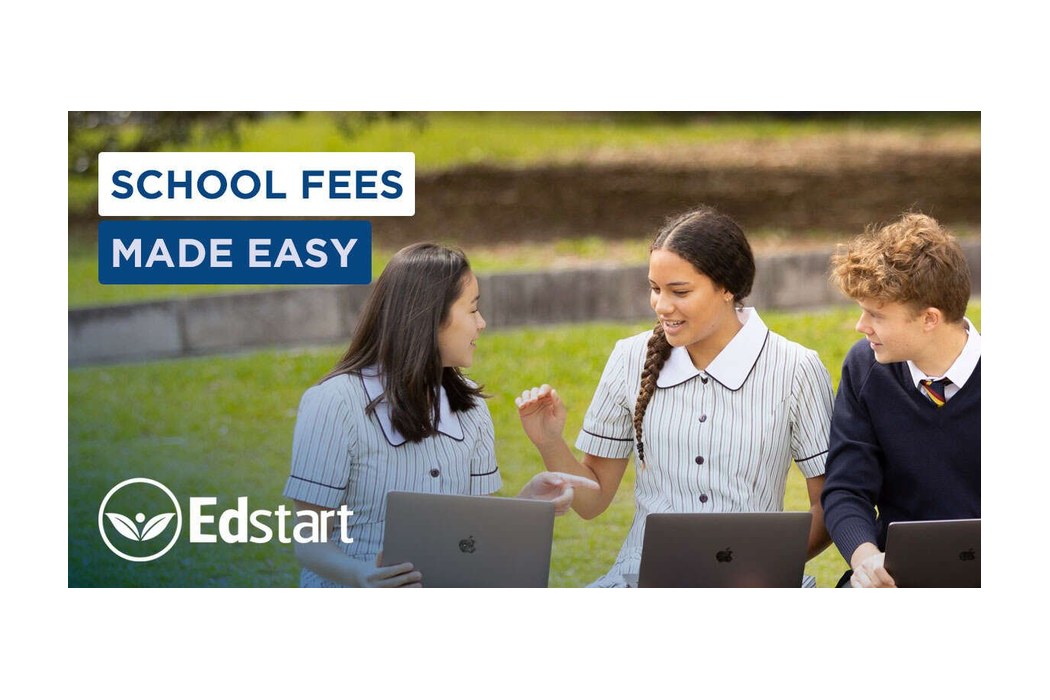
Edstart is a Sydney-based technology and financial services company that makes paying and managing school fees easier. It gives schools an end-to-end fee management platform with guaranteed payments and dedicated support, while offering families flexible payment plans that spread tuition costs across or beyond the school year. Founded in 2016 by Jack Stevens, Edstart works with 700+ schools across Australia and the UK, has supported more than 100,000 students and processed over $2 billion in fees.

Huspy
Huspy is a Dubai-based proptech and fintech company that runs a digital platform for buying and financing homes. It connects home buyers, real estate agents and banks in one place, offering online mortgage comparison and pre-approval, a broker portal linked to more than 25 banks, and mobile tools for agents. Founded in 2020 by Jad Antoun and Khalid Ashmawy, Huspy operates across the UAE and Spain, facilitates over $7 billion in annual real estate transactions, and has helped more than 25,000 people buy homes.

Inclusivity Solutions
Inclusivity Solutions is a Cape Town-based inclusive insurtech that designs and delivers embedded, affordable digital insurance for emerging consumers across Africa. Through its open-API platform ASPin, it partners with banks, telcos, insurers and fintechs to build, sell and administer low-cost products - life, accident, hospital cash, device and crop cover - distributed via mobile channels people already use. The company operates in roughly ten African markets and has served over two million customers.
Jirnexu
Jirnexu is a Kuala Lumpur-based fintech company that runs RinggitPlus, Malaysia's largest financial-product comparison platform, and builds XpressApply, a digital application and CRM stack that banks and insurers use to acquire and onboard customers online. It pairs a consumer-facing comparison site with white-label technology, positioning itself as a full-stack customer-acquisition and lifecycle-management provider for financial institutions across Southeast Asia.

لبيه | Labayh
Labayh is a Saudi digital mental-health platform that connects Arabic-speaking users with licensed psychologists, psychiatrists and counselors for private, remote therapy delivered through its mobile app. Founded in 2018 by Basim Albeladi after his own experience with PTSD, the platform offers one-on-one sessions, group support, therapeutic programs, self-assessments and a corporate wellbeing product, and has grown to more than a million users served by a large network of licensed specialists across the MENA region.