advertising-technology
(27)
The Holding Company That Invented the Holding Company - Then Joined One
IPG spent six decades proving that rival agencies could prosper under one roof. Then data, platforms and media scale rewrote the bargain - and the inventor of the modern agency holding company became part of an even larger one.
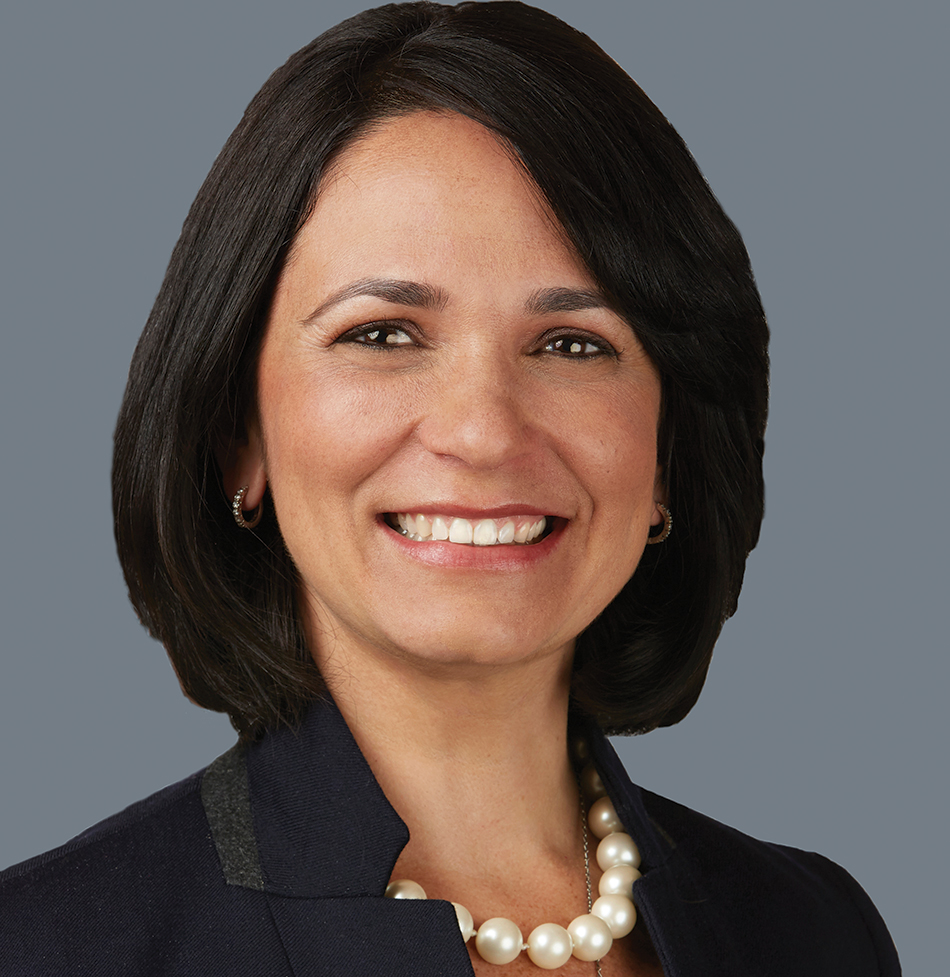
Marcella Sciorra Knows the Future of Advertising Still Has to Earn Your Trust
After two decades in media, Marcella Sciorra carried television's oldest lesson into healthcare advertising's newest frontier: reach means little without relevance, and relevance means little without trust.

Kristina Canada Wants Every Media Dollar to Answer a Harder Question
The Net Conversion CMO has spent two decades turning travel, entertainment and media into measurable business outcomes. Her latest campaign is for something harder to chart: human judgment.

Ian Colley Is Giving Adtech a More Consequential Brief
After two decades at IBM and seven years helping The Trade Desk explain the open internet, Ian Colley has taken on a narrower market with a larger question: can advertising intelligence help companies make better decisions before the campaign even begins?

Meredith Brace Is Making Advertising’s Back Office Impossible to Ignore
After two decades moving between the buy side, television, adtech and company reinvention, Meredith Brace has taken on a stubborn brief at MINT: make the machinery of advertising legible - and make people care about it.
Blavity Built a Media Company - Then Learned the Real Product Was Access
A newsletter for overlooked stories became a portfolio reaching culture, careers, conferences and connected TV. Blavity's useful lesson is not “build an audience” - it is what to build after the audience trusts you.
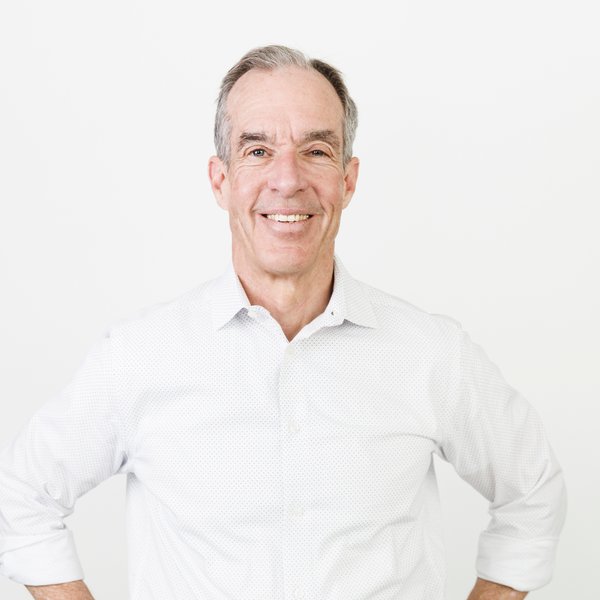
Rob McGovern Keeps Teaching Messy Markets to Match
CareerBuilder matched people with work. Jobfox tried to make the match smarter. At PreciseTarget, Rob McGovern is applying the same stubborn idea to retail: better decisions begin when the data understands taste.
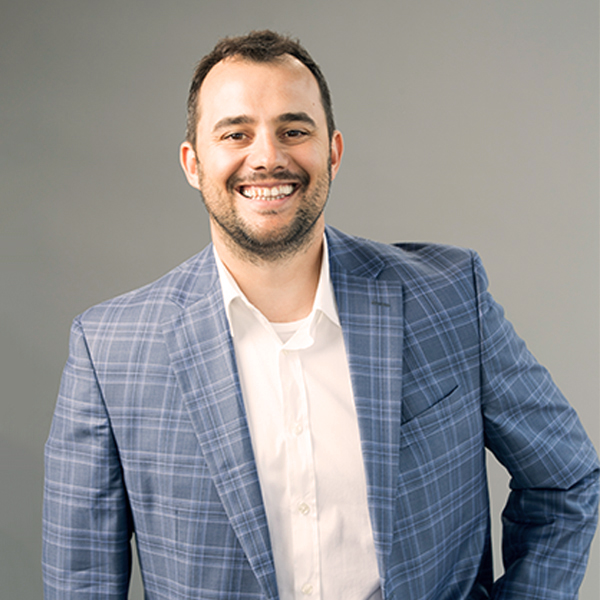
George Popstefanov Built an Agency With $960. Now He Is Selling a Better Operating System for Growth
A Commodore 64, a German manual and a teenage leap from Macedonia to Wisconsin shaped a founder who treats change as raw material. Fifteen years after starting PMG with $960, George Popstefanov is trying to turn marketing intelligence into action - without losing the culture that made the company work.

Oz Etzioni Is Redesigning the Awkward Machinery Behind Every Ad
Before Clinch, Oz Etzioni moved from military aviation to industrial design to Madison Avenue. The common thread is a designer’s impatience with clumsy systems - and a belief that machines should handle repetition while people keep the interesting work.
Zvika Netter Spent 18 Years Making TV Ads Less Dumb
He started with clickable objects inside video. The more durable invention was an independent control layer for a television business learning to speak software.

Erik Swain Is Cleaning Up the Internet's Messiest Room
After helping build the machinery of digital advertising, Erik Swain found his next company in the place everyone warns you not to look: the comments.
Mary Ventresca Makes the Billboard Think
After nearly three decades in out-of-home advertising, Mary Ventresca is helping physical media learn the language of data without losing the simple creative idea that makes someone look up.

Bridget Westerholz Is Putting Judgment Back Into Marketing
After 25 years across agencies, grocery aisles, and ad tech, Bridget Westerholz has arrived at a plainspoken thesis: more data is useful only when it helps a marketer make a better decision.
Innovid’s $500 Million Reset: How a Video-Ads Startup Became the Pipes Behind Streaming TV
It began with clickable video, survived the messy birth of connected TV, and learned that the best business in advertising may be the part viewers never notice. Now, inside Mediaocean, Innovid is betting that neutral infrastructure plus AI can outmaneuver the walled gardens.

The $8.7 Billion Media Buyer Betting Its Edge Is an Open Door
Horizon Media became one of America’s largest media agencies without joining a global holding company. Now it is trying to prove that independence can be more than an ownership detail - it can be a product strategy.
Dan Levi Is Teaching Billboards to Speak Digital
From launching MTV Asia to measuring a roadside audience, Dan Levi has built a career around one durable idea: technology earns its place when it helps people notice, understand and act.
The Bus Shelter That Became a Global Media Machine
JCDecaux turned a piece of civic furniture into a 60-year business model. Now its hardest trick is making a million physical advertising panels behave like software without making cities feel like websites.

The Billboard Learned to Count: Clear Channel's Bet on Measurable Attention
Clear Channel Outdoor still rents rectangles beside roads and inside airports. But the more revealing business is the machinery behind them - audience data, automated buying and proof that a physical ad did something.

Perion Network
The Israeli adtech company spent a decade buying its way across every screen. Now, after Microsoft pulled the rug on its search business, Perion is betting the whole company on one AI platform - and on the screens Google can't own.
DoubleVerify
DoubleVerify turned a basic question - did a real person see the ad? - into a global measurement business. Now its software is moving beyond policing impressions to steering campaigns, just as Nielsen prepares to take it private.

Rachael Donnelly
Rachael Donnelly did not plan on a career in marketing. A nonprofit modernization project, an unpaid ad-tech internship and years spent translating complex products taught her how to make data useful - and how to lead without pretending change will stop.
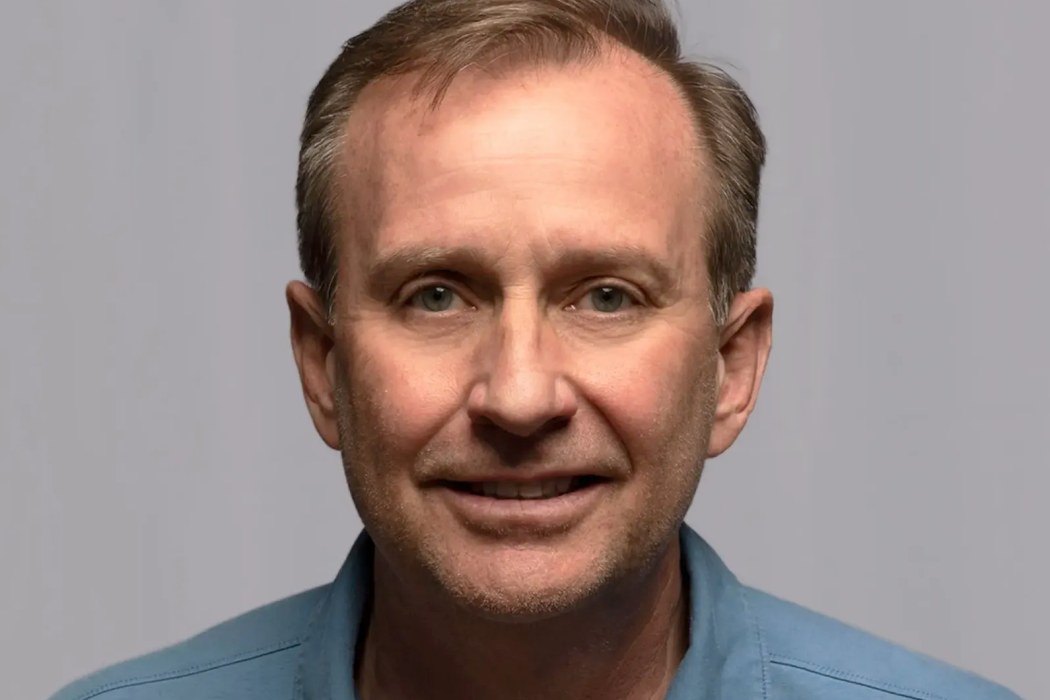
Dave Morgan
Dave Morgan is the founder and CEO of Simulmedia, a New York adtech company that pioneered data-driven linear TV advertising and now runs the cross-channel TV+ platform, the Skybeam self-serve CTV buying tool, and the PlayerWON in-game video ad network. A lawyer turned three-time adtech founder, he earlier built Real Media (a predecessor of 24/7 Real Media, sold to WPP for $649 million) and TACODA (a behavioral targeting pioneer acquired by AOL for $275 million in 2007). Morgan returned to Simulmedia's CEO seat in October 2024 to chase the connected-TV opportunity, and he is a long-running MediaPost columnist known for his '96/4' rule about the gap between CTV viewership and CTV ad dollars.

The Brandtech Group
The Brandtech Group is a marketing technology holding company built to help the world's largest brands do their marketing better, faster and cheaper using technology - and, increasingly, generative AI. Founded by former Havas CEO David Jones in 2015 as 'You & Mr Jones,' it has grown through a string of acquisitions into a digital-only group of roughly 7,000 people across 40+ countries, spanning in-housing agency Oliver, performance-media group Jellyfish, and its flagship generative-AI ad platform Pencil Pro. Clients include eight of the world's ten largest advertisers, and after a $115M Series C in 2024 the group was valued at about $4 billion.

The Brief
The Brief is an AI marketing platform that runs the full advertising campaign lifecycle - discovering competitor and market signals, creating ads at scale, launching them across channels, and optimizing performance - through a system of four AI agents. Formerly the ad-design tool Creatopy, the company rebranded to The Brief in October 2025 to position itself as an 'AI agency' for in-house marketing teams and agencies, and reports nearly 10,000 brands using the platform.

Veridooh
Veridooh is an Australian adtech company and the global leader in independent out-of-home (OOH) advertising verification. Its patented SmartCreative technology collects ad-play-level data without relying on media owner systems, letting brands and agencies independently track, measure and verify static, digital and programmatic OOH campaigns across 400+ metrics in a single platform. Founded in Sydney in 2019 by Mo Moubayed and Jeremy Yang, Veridooh works with global brands including Google, Amazon, Unilever and McDonald's, and is the preferred verification partner for major agency groups including IPG Mediabrands, Omnicom and WPP Media in Australia.
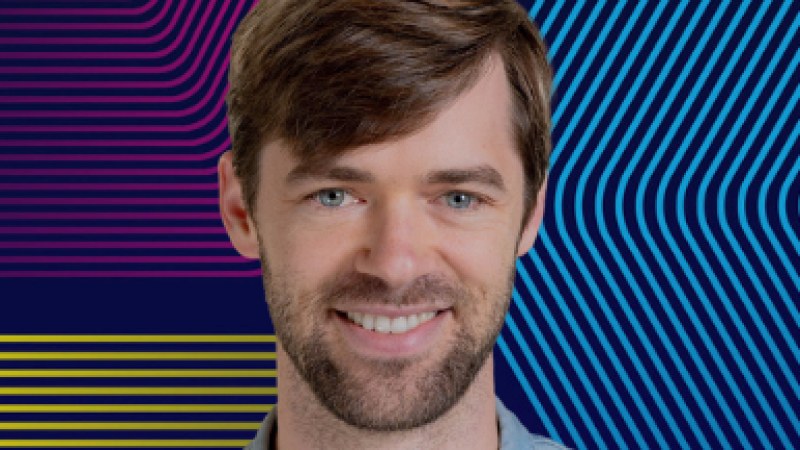
Marlow Nickell
Marlow Nickell is co-founder and CEO of Grocery TV, the largest in-store retail media network for U.S. grocery. From a University of Texas physics degree and a stint at McKinsey, he took the unusual path of writing the original software himself before running the company that now puts screens in over 6,500 grocery stores reaching roughly 95 million shoppers.

Xperi Inc.
Xperi Inc. (NYSE: XPER) is a San Jose-based entertainment technology company whose work hides in plain sight inside the devices people already own. Through its DTS, HD Radio, TiVo and IMAX Enhanced brands, Xperi puts immersive sound in living rooms, smart software on televisions, broadcast and streaming radio in cars, and personalized discovery across pay-TV and IPTV platforms. Spun out of Xperi Holding Corp in 2022 as the product-focused half of the business, the company now reaches hundreds of millions of devices worldwide while pivoting its growth toward a media platform built around TiVo OS and the connected car.