Walk into any electronics store and Sony is on the shelf twice over. There is the camera aisle, where its Alpha bodies sit beside Canon and Nikon. There is the TV wall, the headphone counter, the console display. And then there is the shelf you will never see - the one holding the small square of silicon inside the phone in your pocket. That sensor was very likely made by the same company whose logo is on the camera you were deciding not to buy. Sony Electronics is one of the few businesses in technology that competes for your money at retail and supplies its rivals at wholesale, at the same time, and comes out ahead either way.
Sony Electronics Inc. is the United States arm of Sony Group, run not from Tokyo but from a low-slung campus in the Rancho Bernardo section of San Diego, California. The parent company traces to May 1946, when engineer Masaru Ibuka and businessman Akio Morita founded a firm called Tokyo Tsushin Kogyo with about twenty employees and a modest sum of borrowed money in the wreckage of postwar Tokyo. The name was changed to Sony in 1958 - short, easy to say, easy to sell abroad. The American holding company, Sony Corporation of America, followed in 1960.
The company that is its own supplier
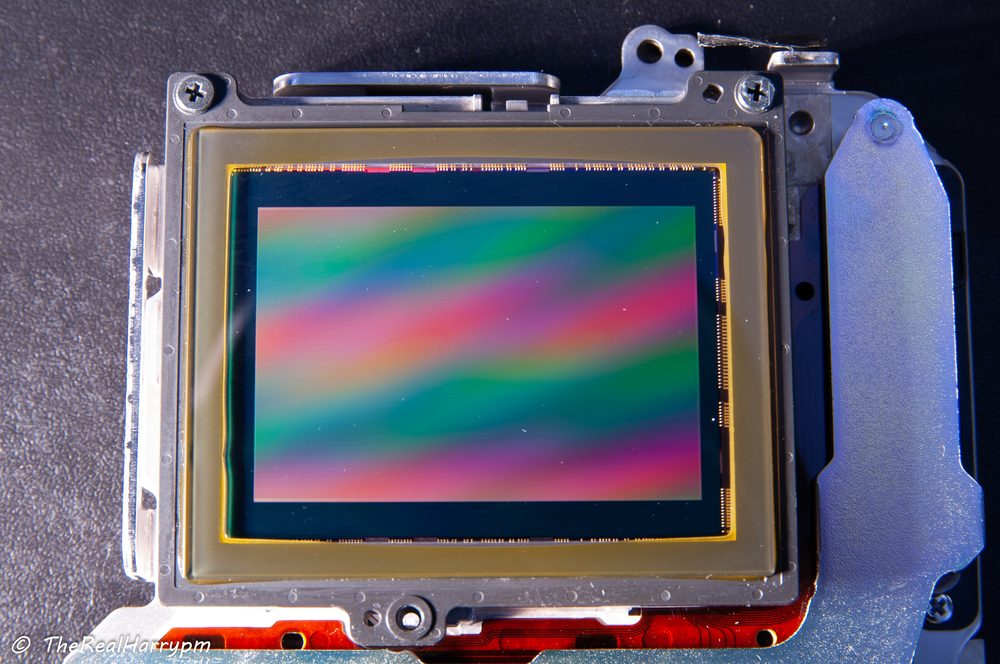
Here is the strange, load-bearing fact about Sony: its most valuable camera product is not a camera. It is the image sensor - the light-sensing chip that turns photons into pixels. Sony is the world's leading maker of CMOS image sensors, with roughly 40 to 45 percent of the global market, and it has held that lead for more than a decade. Those sensors sit inside cameras, in cars, in security systems, and - critically - in smartphones, including the iPhone. The device most responsible for shrinking the consumer camera market runs, more often than not, on a Sony part.
Sony makes the thing that is killing one of its businesses, and gets paid for it. That is not luck. That is a hedge.
This is the logic that makes Sony hard to categorize. Ask what business it is in and the honest answer is "the whole stack." It designs and sells finished consumer products. It sells components to the companies that compete with those products. It shoots movies on its own cinema cameras through its own studio. When one layer of the market softens, another absorbs the shock.
What you can actually buy
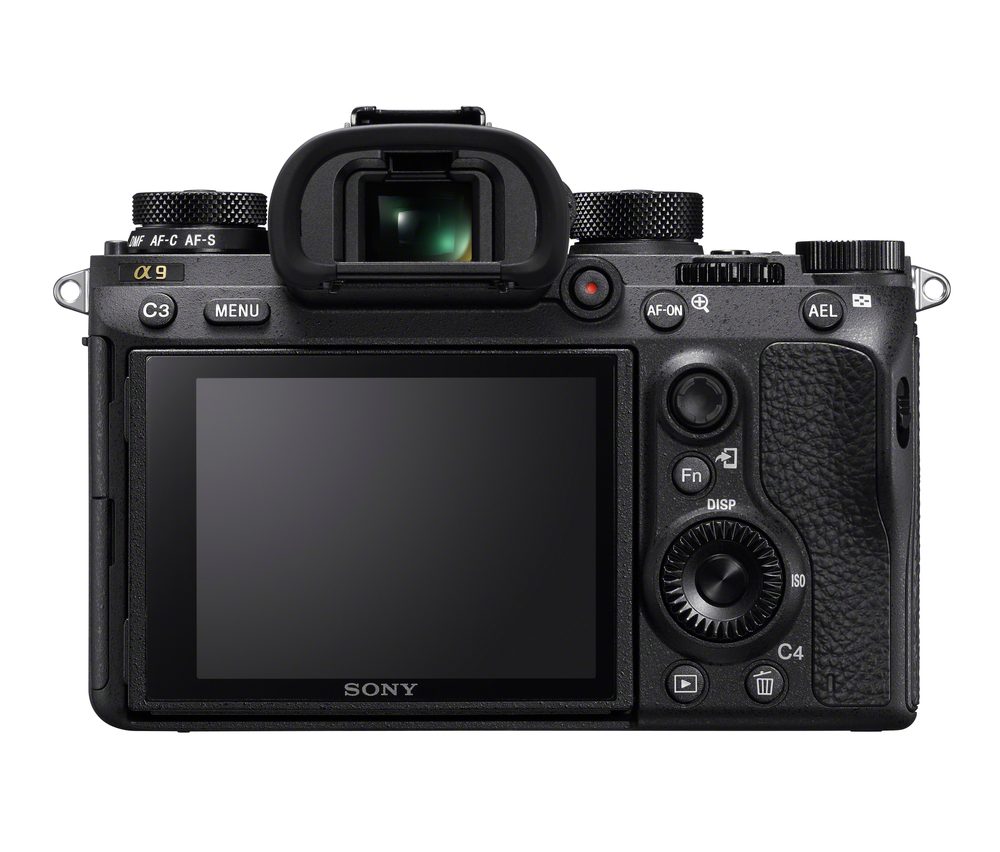
For all the talk of sensors, Sony Electronics is still a consumer company at heart, and its catalogue is the through-line of modern gadget history. The Alpha cameras - the A7, A7R and A9 families - grew from a bet almost nobody else wanted to make. In 2013 Sony shipped the first mass-market full-frame mirrorless cameras. The established players called mirrorless a hobbyist toy. A decade later the professionals had switched, the G Master lens line had filled out, and the format Sony pushed had become the industry default. It is one of the cleaner examples in electronics of a challenger simply refusing to fight on the incumbent's terms.
Also on the shelf
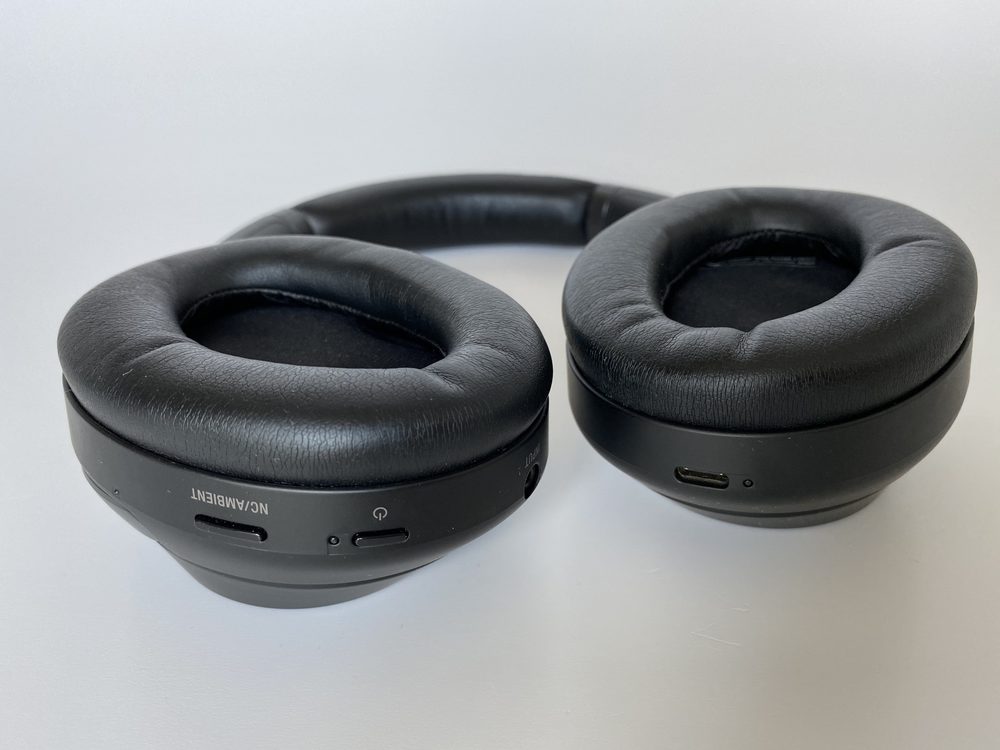
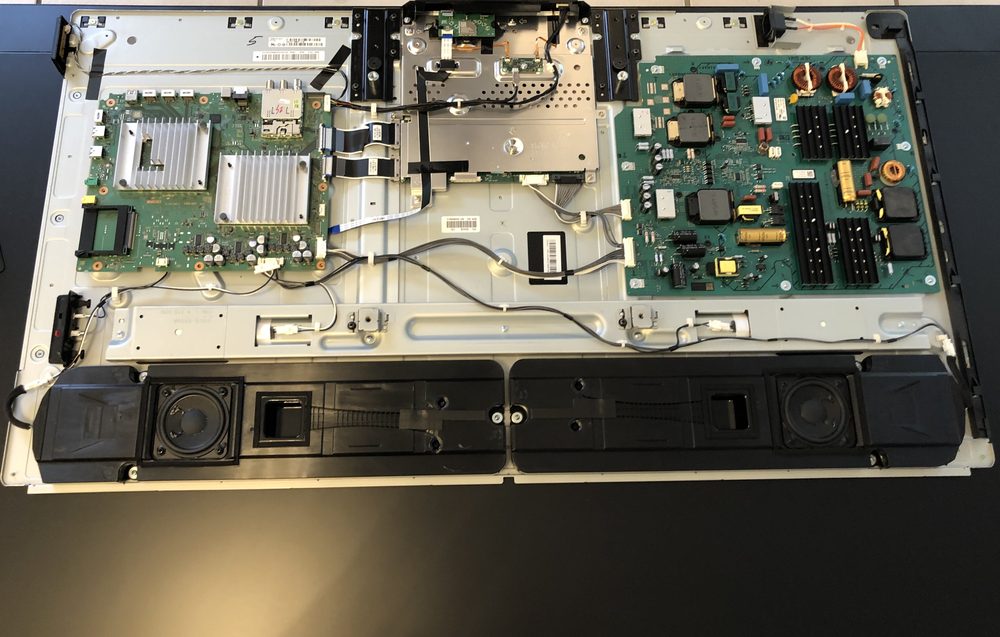
The BRAVIA television line, launched in 2005 to replace the older WEGA brand, remains Sony's flagship in the living room, now spanning mini-LED and OLED. The WH-1000X and WF-1000X headphones have become the reflexive answer to "which noise-cancelling should I buy," generation after generation. Professional filmmakers shoot on Sony's CineAlta and VENICE cinema cameras, used across hundreds of theatrical and streaming productions. And the lineage runs deep: the transistor radio that put Sony on the map in the 1950s, the Trinitron TV that in 1973 became the first electronics product to win an Emmy, and the Walkman that in 1979 taught the world to carry its music.
What ties the range together is a business model built to survive its own disruptions. The consumer side - cameras, TVs, audio - runs through retail, dealers and Sony's e-commerce, exposed to the boom-and-bust of gadget cycles. The professional and component side - cinema gear, broadcast systems and image sensors sold business-to-business - runs on longer contracts and steadier demand. When smartphones hollowed out the point-and-shoot camera market, Sony was selling the sensors doing the hollowing. The catalogue is broad on purpose, so no single shift can take the whole company down with it.
Who is actually buying
Sony's customers do not fit on one line, which is the point. There are the consumers - millions of them, buying cameras, TVs and earbuds through retail, authorized dealers and Sony's own online store. There are the professionals - the photographers and cinematographers whose gear choices ripple through the industry. There are the Hollywood and streaming studios and the broadcasters buying cinema and production equipment. And there are the smartphone makers, Apple among them, buying image sensors by the tens of millions. A consumer brand, a B2B supplier and a component maker share the same logo.
Most companies pick a customer. Sony picked all of them - the shopper, the studio and the rival on the same invoice.
Kando, the one-word strategy
Sony states its corporate purpose in a single line: "Fill the world with emotion, through the power of creativity and technology." The load-bearing word is Japanese - Kando - roughly the jolt of feeling you get from experiencing something remarkable. It sounds soft for a company that ships silicon by the wafer. But it is a useful lens on the catalogue. The through-line across radios, Walkmans, mirrorless cameras and noise-cancelling headphones is not a technology. It is a willingness to be first into an odd category and let the feeling justify the risk.
The emotional response of experiencing something extraordinary. Sony's stated reason for existing - printed on strategy decks, not just posters.
How it is different
Against Canon and Nikon in cameras, Sony's edge was moving first on mirrorless and owning the sensor supply chain underneath. Against Samsung and LG in televisions, it competes on picture processing rather than panel-price. Against Bose and Apple in audio, it leans on noise-cancelling reputation built one model at a time. But the real differentiator is structural: none of those rivals sits across as many layers of the market at once. Samsung comes closest, and notably is Sony's sharpest competitor in the sensor business too. The rest fight Sony in one aisle while Sony quietly earns from several.
That breadth is now extending into places electronics companies do not usually go. Through Sony Honda Mobility, a 50/50 joint venture with Honda formed in 2022, Sony is building an electric vehicle - the AFEELA - that treats a car as a rolling bundle of sensors and screens, right down to PlayStation Remote Play on board. With TSMC, it is investing around $6.3 billion in an advanced image-sensor plant in Kumamoto, Japan. The camera war, increasingly, is a chip war.
Milestones
Where it fits
Sony Electronics is not the biggest name in any single category it competes in - it is not the largest TV seller, nor the largest phone maker, nor the largest studio. What it is, uniquely, is present in almost all of them at once, and dominant in the one layer most people never think about. When your next phone takes a sharper photo in the dark, there is a decent chance the improvement traces back to a Sony sensor. When a film looks a certain way, it may have been shot on a Sony body. The company spent eighty years learning how to be both the brand on the box and the part inside it. Right now, that is a good place to stand.
Explore Sony Electronics
Watch: Sony Alpha live event and product demo - youtube.com/watch?v=CmJE6zOE4cY