Walk into most electronics conversations in 2026 and everyone is talking about the next thing - the next chip, the next fold, the next model number. Laptop Universe is having a different conversation. In a St. Louis warehouse, a six-person team is busy testing, cleaning and reselling the iPhone 8 - a phone Apple discontinued years ago - broken out by carrier, color and storage the way a wine shop breaks out vintages. The market moved on. Their customers did not.
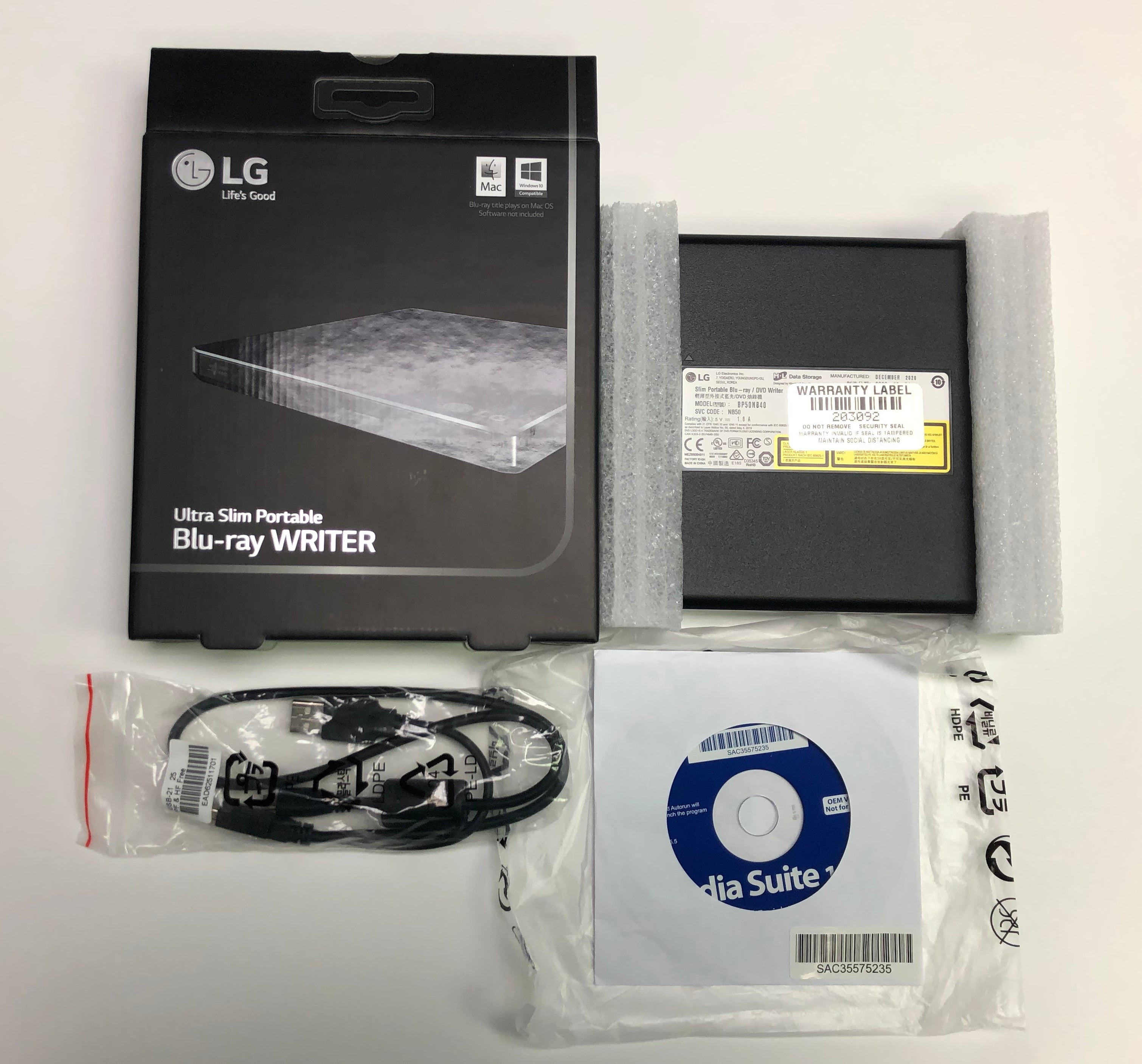
Laptop Universe, which trades online at laptopuniverse.com, is a women-owned small business operating under Chhabra Enterprises, LC. It has been buying and reselling used and refurbished electronics for more than two decades. The catalog is unglamorous by design: refurbished iPhones and iPads, Samsung Galaxy phones, and the parts that keep older machines running - AC adapters, batteries, power cords, hard drives and optical drives. There is even a Blu-ray writer on the shelf, a product category most retailers quietly retired.
A business built on the depreciation curve
Every device follows the same arc. It launches at a premium, dominates the headlines for a season, then slides down the depreciation curve as the next release arrives. Most of the industry lives at the top of that curve. Laptop Universe lives on the descent - the exact stretch where a phone or a laptop still works perfectly well but no longer commands attention. The company buys there, refurbishes and tests, then resells to people who value a device that works over a device that is new.
Where Laptop Universe operates on the device value curve
It is not a flashy model, but it is a durable one. There is always a supply of devices coming off contracts and out of corporate refresh cycles, and always demand from buyers who need working hardware at a working price. The margin lives in the spread - buy low, refurbish, resell reliably - and the moat is boring competence: knowing which parts still sell, testing them properly, and shipping on time.
The economics reward patience over hype. A phone that costs hundreds at launch becomes a trade-in, then a refurbished unit, then, eventually, the affordable classroom device a district can buy by the cartload. Laptop Universe does not have to guess which product will win next season. It only has to be standing at the bottom of the curve when the hardware everyone bought two or three years ago finishes its first life and starts looking for a second one. That is a supply that renews itself with every new release the rest of the industry celebrates.
The customers are more surprising than the products
The products are ordinary. The customer list is not. Laptop Universe sells to four very different kinds of buyers at once: individual consumers hunting for value, school districts equipping classrooms, federal and state government agencies, and corporate buyers - including the asset-recovery firms that liquidate old fleets. Serving all four takes a rare split personality: a consumer storefront that feels like retail, and a B2B operation that can handle bulk quotes, procurement paperwork and volume orders.
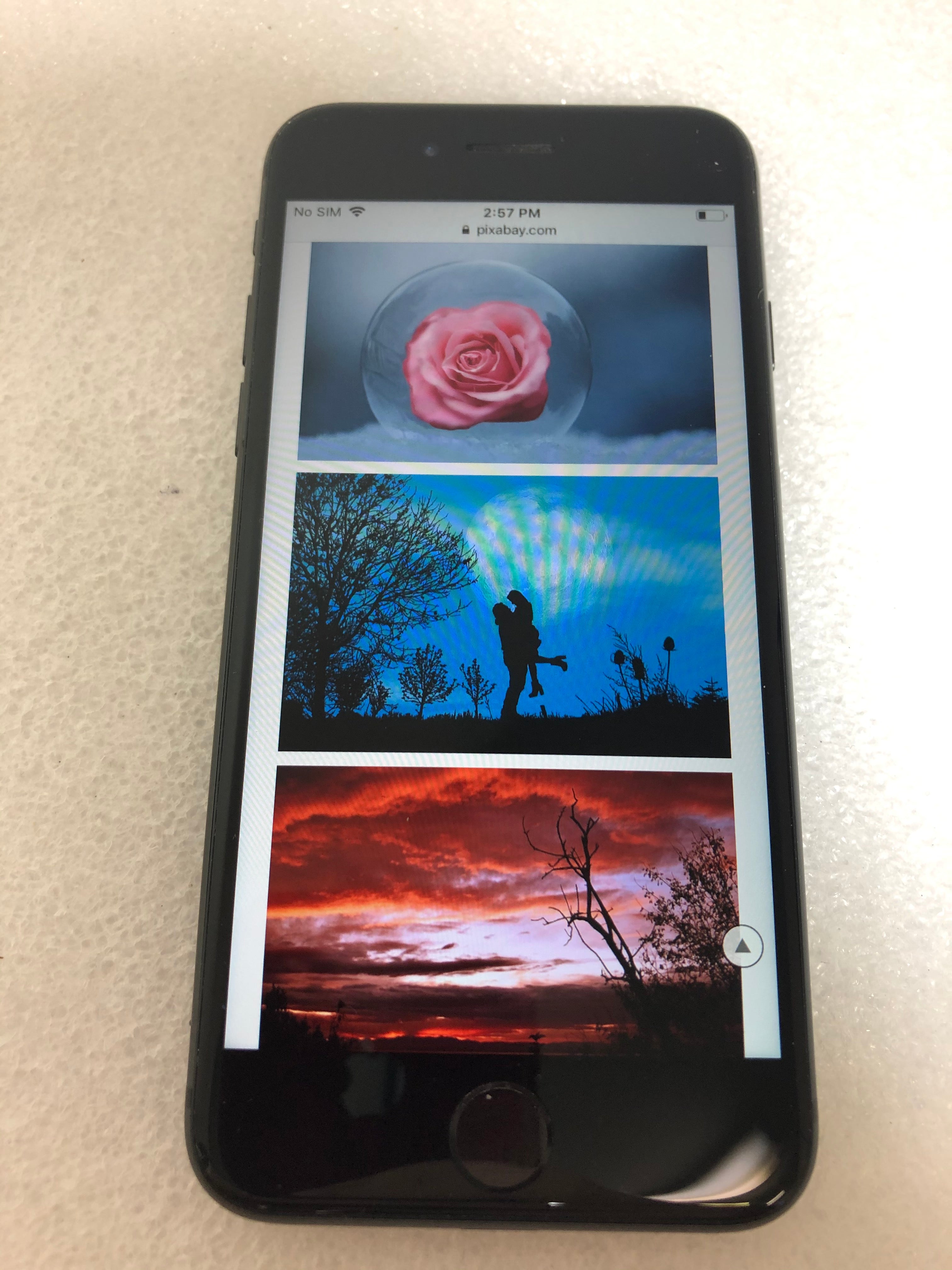
That mix is where the women-owned certification matters. For schools and government agencies, buying from a certified women-owned small business is not a marketing line - it is a procurement advantage that opens doors bigger vendors sometimes cannot walk through. It is a quiet structural edge layered on top of an already unglamorous niche.
What is actually on the shelf
The catalog splits cleanly in two. On one side are whole devices: refurbished iPhones - the iPhone 8 in every carrier and finish - used iPads, and Samsung Galaxy phones, plus Apple accessories like Lightning cables. On the other side are the components that keep older laptops alive: AC adapters, batteries, power cords, hard drives, and optical drives for the machines still running discs. It is the parts bin the rest of the industry closed.
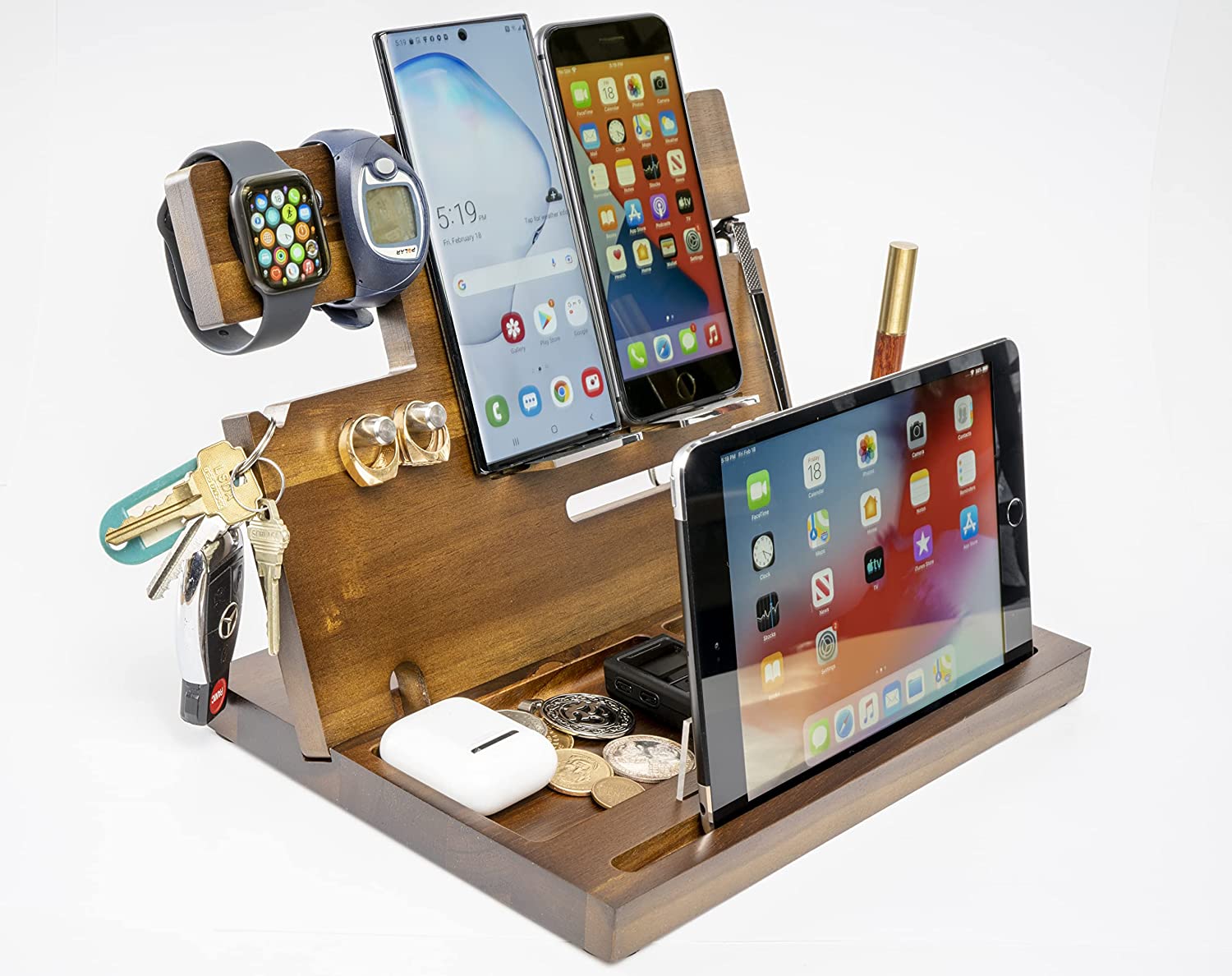
Then there is the outlier: the DESKONIZER, a branded wooden bedside docking and charging station. It is the shop's own product line, and it says something about the operation - a company known for reselling other people's devices decided to design and sell one of its own. It is a small hedge against a business built entirely on other companies' hardware.
How it reaches buyers
Distribution is multi-channel and deliberately unromantic. The direct store runs on Shopify, with a standard cart and reCAPTCHA on the front and DHL, FedEx, UPS and USPS on the back. Beyond its own site, the company sells through Newegg and NeweggBusiness storefronts, putting its inventory in front of the exact audience - value-minded consumers and IT buyers - that already shops those marketplaces. The stack is Google Workspace, Cloudflare and Mailchimp: the toolkit of a lean shop, not a venture-funded platform.
Distribution footprint
What you can actually do with it
Strip away the industry framing and the practical use cases are clear. A parent can buy a tested iPhone 8 or a used iPad for a fraction of new-device pricing. A school district can order a fleet of refurbished tablets that survive a semester of student handling without blowing the budget. An IT manager can find the one AC adapter or optical drive that keeps a still-useful machine out of the recycling bin. And an asset-recovery firm can move a pallet of retired corporate devices to a buyer who knows how to resell them. The value proposition is the same in every case: get working hardware, at a working price, from someone who will pick up the phone.
That last part - someone who will pick up the phone - is the part the big marketplaces struggle to copy. Laptop Universe answers its line 10:00 a.m. to 5:00 p.m. Central, Monday through Friday, and email seven days a week, with named account representatives on the B2B side. For an institutional buyer navigating a purchase order, a human who can produce a quote and a straight answer is worth more than an extra star rating on a listing.
Expertise in the unfashionable
Two decades in a single niche builds a specific kind of knowledge. The team knows which carrier variants of a given phone are worth stocking, which laptop adapters have staying demand, and how to grade and test used hardware so a refurbished unit does what the listing promises. It is the sort of institutional memory that does not show up in a pitch deck but shows up every time an order ships without a return. In a category where trust is the whole game - because the buyer cannot see the device before it arrives - that accumulated judgment is the product as much as the phone in the box.
Independent, and upfront about it
Laptop Universe states plainly what it is not: an authorized reseller. It sells used and refurbished products and is not affiliated with Apple or the other brands whose trademarks appear on its site. That candor is part of the pitch. Buyers of refurbished electronics want to know exactly what they are getting - independent, tested, second-life hardware, priced accordingly - and the company does not pretend otherwise.
Where it fits in the market
The refurbished-electronics market has plenty of well-funded names - Back Market, Gazelle, Swappa, Decluttr - and a layer of B2B distributors underneath them. Laptop Universe is not trying to be any of them. It is a small, unfunded, family-run business that competes on service, on its certification, and on the willingness to carry the long tail of parts and older devices the big platforms deprioritize. In a market obsessed with scale, its edge is the opposite: being the reliable seller of the specific, unfashionable thing a buyer actually needs.
The founder's story sits behind all of it. Shawn Chhabra, an immigrant entrepreneur, built the company alongside his wife Indu, and over the years also became a published author and podcast guest - a reminder that the person running the parts bin is also a small-business operator who has thought hard about how to build one. The lesson Laptop Universe offers is quieter than most tech stories: you do not need a new product to build a real business. You need to be the dependable seller of the thing everyone else abandoned.